

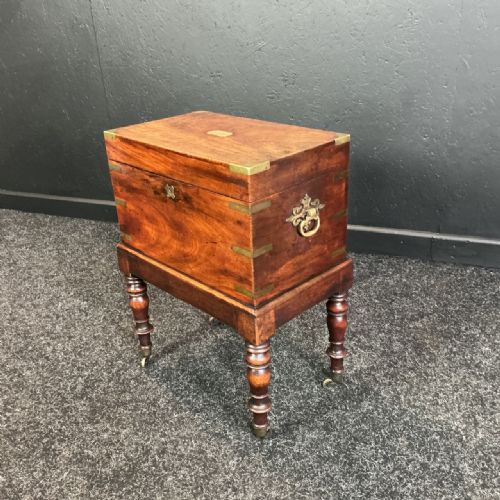
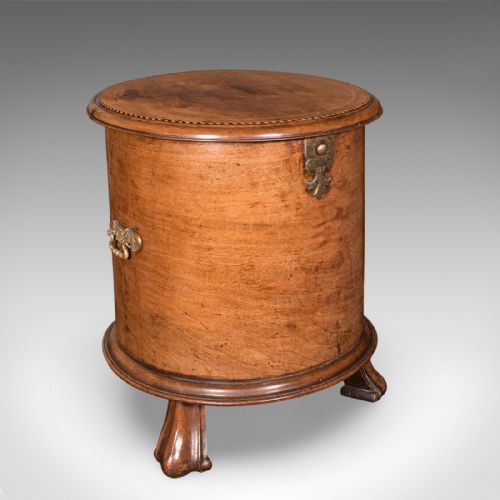

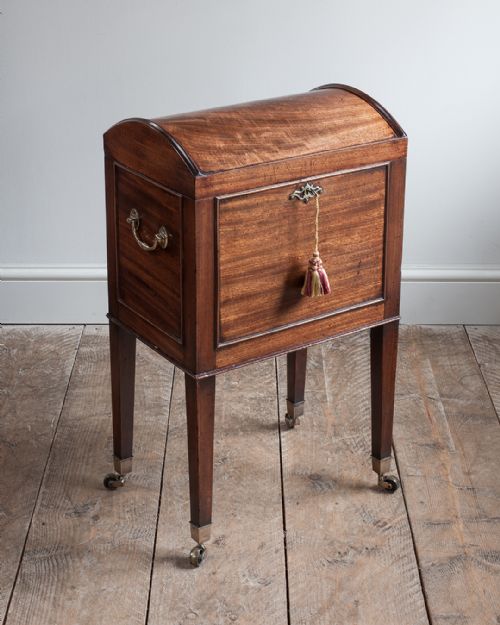


Standing Wine Cooler Chest
A standing wine cooler chest brings period dignity to the dining room, holding bottles ready for pouring in robust mahogany or exotic padouk.
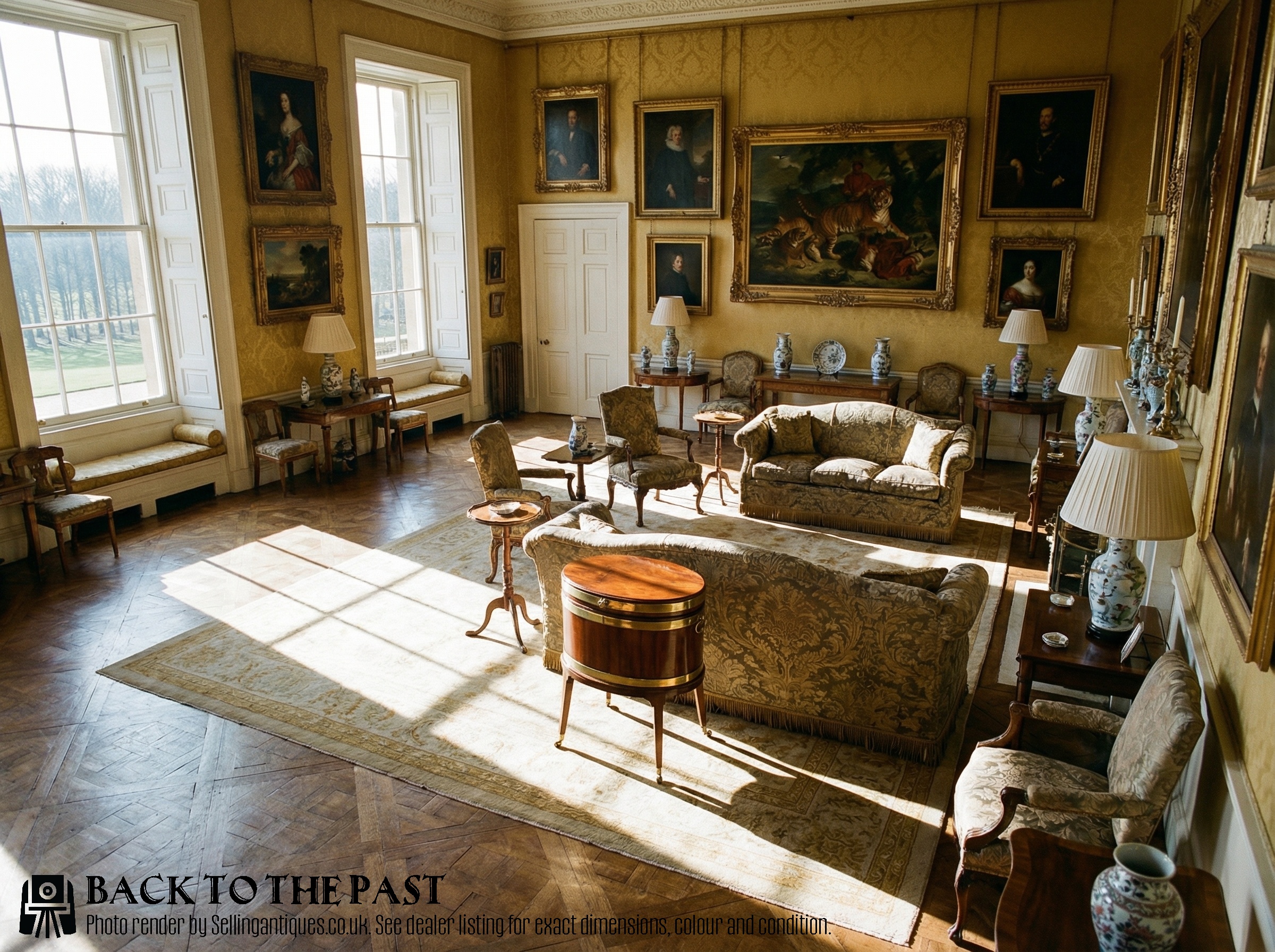
Standing Wine Cooler Chest
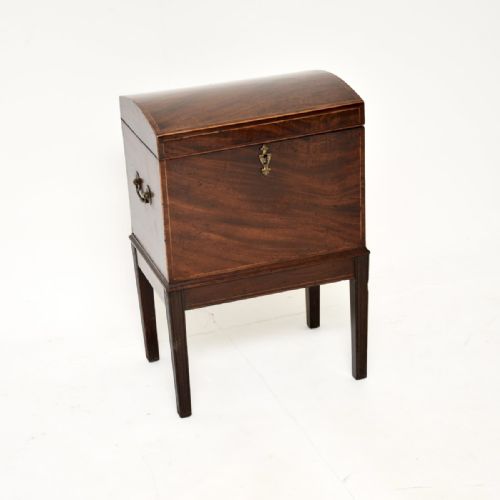
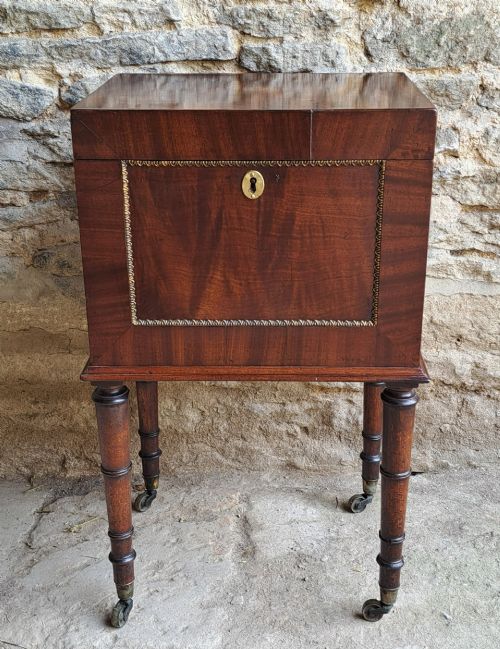
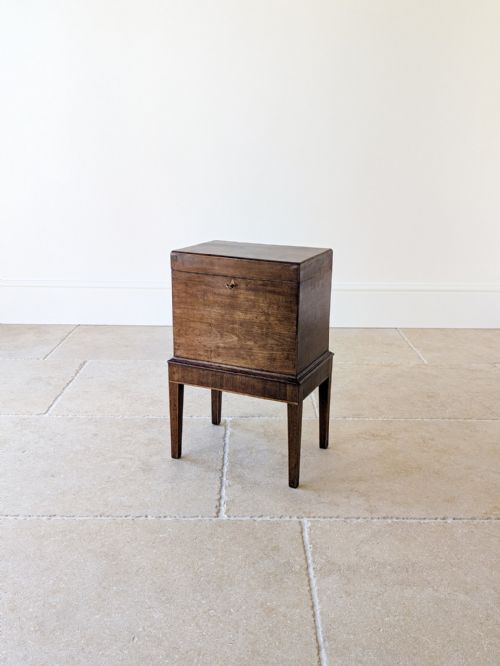
A standing wine cooler chest, also known as a cellarette or wine box, is a specialised container designed to hold wine bottles and ice during dining. These pieces predominantly date from the eighteenth and nineteenth centuries, spanning the Georgian, George III, and Regency periods.
Makers constructed these vessels with deep interiors, sometimes featuring lead or zinc linings to contain melting ice. The design allows the chest to sit securely while providing access to the bottles during formal meals.
Materials and construction methods
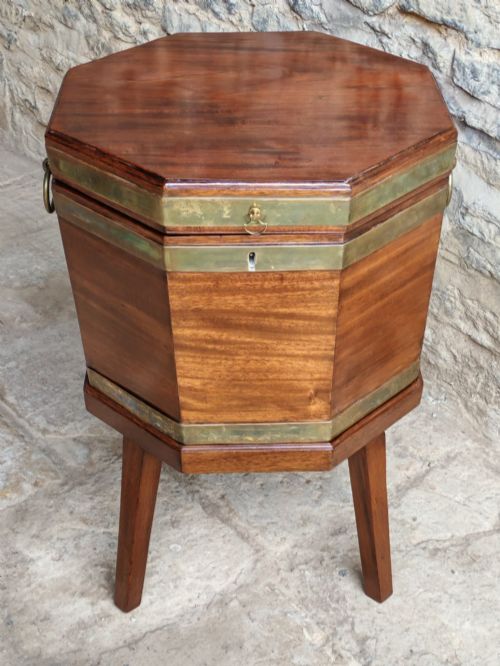
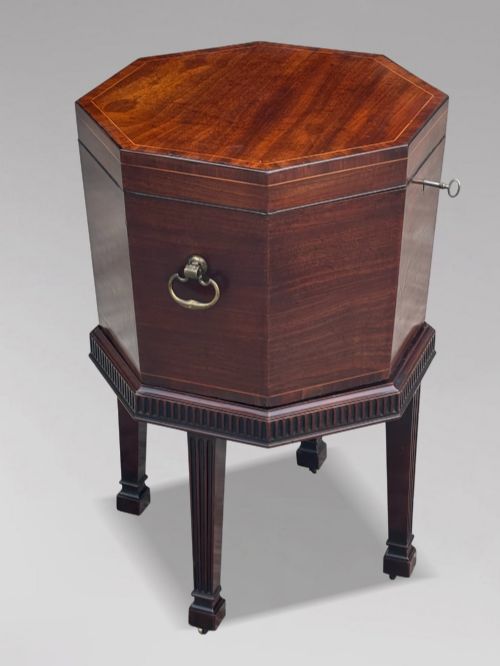
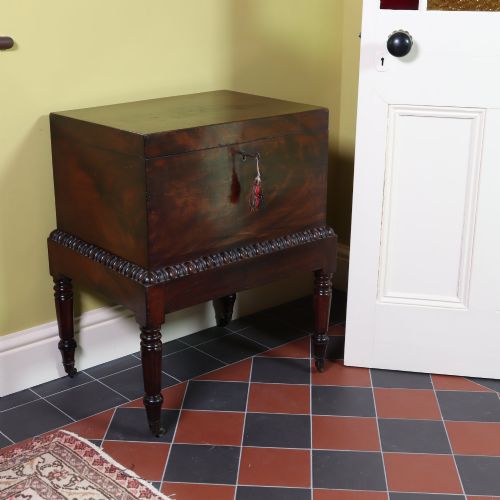
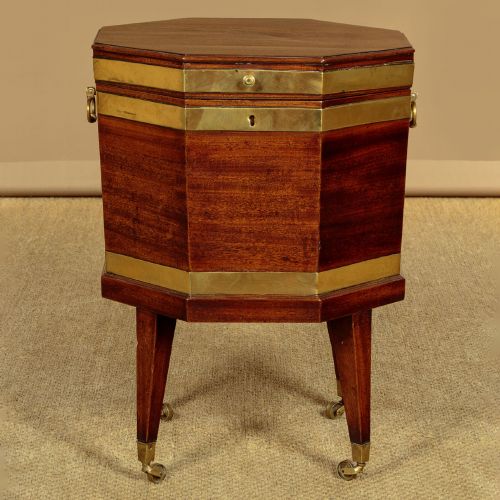
Makers relied heavily on solid and flame mahogany, utilising its rich grain for the primary exterior surfaces. Cabinetmakers frequently incorporated boxwood inlay and brass banding to reinforce the structural corners and adorn the panels.
Internal spaces often utilised zinc or metal linings to handle moisture safely, protecting the timber from water damage. Stands and legs were joined securely to support the heavy weight of filled glass bottles.
Standing Wine Cooler Chest Retail Price Guide 2026
Typical asking prices for standing wine cooler chest among the pieces listed under this phrase on Sellingantiques today, from the lower quarter to the upper quarter. They describe what is for sale here now, not the wider market.
Listings feature mahogany predominantly, alongside walnut, teak, and padouk, accented with boxwood inlay and brass mounts across Georgian and Regency periods.
Distinguishing quality in construction
Superior examples display exceptional timber selection, such as vibrant flame mahogany veneers and crisp boxwood stringing. The depth and warmth of the surface patina indicate careful handling and ageing over centuries.
Quality rests significantly in the retention of original stands, brass mounts, and internal metal linings. Pieces with intact stands and precise joinery command higher regard than those altered or separated from their bases over time.
Gillows
The Standing Wine Cooler Chest Glossary
- Cellarette
- A lockable chest or box designed to hold wine bottles securely. It often sits upon its own integrated stand or distinct legs.
- Patina
- The deep, lustrous surface sheen developed on old wood through decades of handling and polishing. This quality is prized by collectors for showing genuine age.
- Brass bound
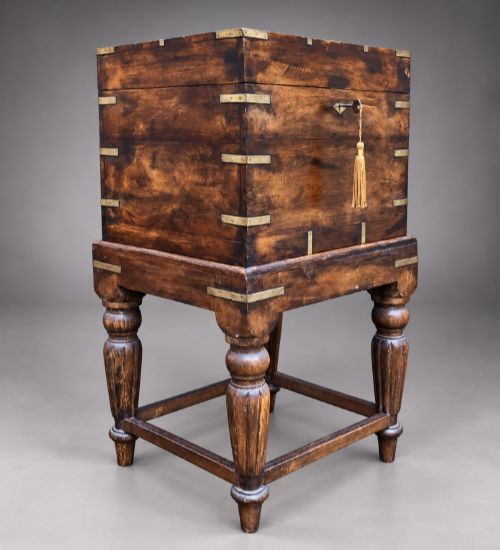
- A method of reinforcing the edges and corners of wooden chests with heavy brass strips and corner brackets. This provided both structural strength and decorative contrast.
- Padouk
- A dense tropical hardwood with a reddish hue utilised in Anglo-Indian furniture production. It offers immense durability and a striking dark grain.
- Teapoy
- A small decorative chest or caddy mounted on a central pillar and base, occasionally grouped with wine storage forms. These items served aristocratic drawing rooms.
Standing Wine Cooler Chest: Frequently Asked Questions
What is a standing wine cooler chest?
A standing wine cooler chest is a period container built to store wine bottles and ice during dining. These pieces combine a secure box with a dedicated stand.
They emerged strongly during the Georgian and Regency eras, offering a practical yet grand solution for serving wine in affluent households.
How were these chests used originally?
Staff filled the interior with ice and placed wine bottles inside to keep them chilled before pouring at the table. The lockable lid protected valuable vintages.
During meals, the chest sat close to the dining table for easy access by hosts or servants.
How do I tell a Georgian piece from a Regency one?
Georgian pieces often display restrained classical proportions, featuring rich mahogany, brass banding, and subtle inlay work. Stands are typically straightforward and sturdy.
Regency examples tend to incorporate bolder architectural elements, sometimes drawing on Anglo-Indian influences with exotic timbers like padouk and teak.
How should I care for the wood?
Keep the timber away from direct heat sources and sudden humidity shifts to prevent splitting. Regular dusting with a soft cloth preserves the historic finish.
Apply a traditional wax sparingly when the wood appears dry, buffing gently to maintain the natural sheen.
Can I use it as a modern drinks cabinet?
These chests adapt well to modern living as distinctive side tables or bespoke storage for contemporary wine bottles. Their deep interiors accommodate modern glassware or bar accessories easily.
Placing a protective tray inside helps safeguard the historic timber from any accidental spills.