


Staithes Landscape Painting
These staithes landscape painting works capture Yorkshire fishing villages and northern scenery through the lens of early twentieth century artistic groups.
Staithes Landscape Painting
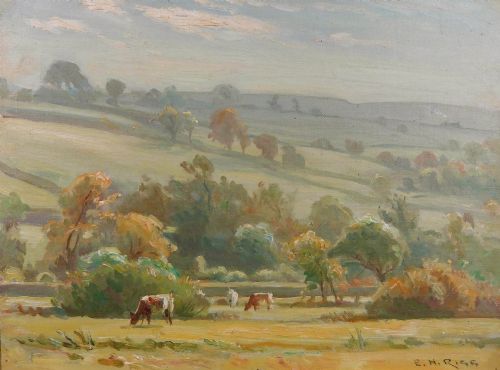
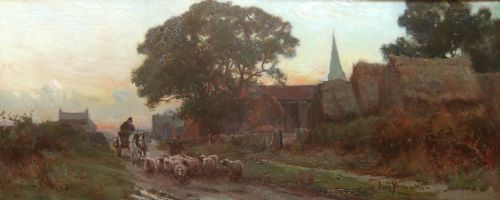
A staithes landscape painting typically depicts coastal Yorkshire views, village streets, local characters, and rural farmsteads produced around the turn of the twentieth century through the middle decades of that era. Collectors seeking a staithes landscape painting will frequently encounter works originating from the Staithes Group and associated regional practitioners.
The recorded objects include framed oil paintings on canvas, panel, and board alongside detailed watercolour works on paper. These pieces range from intimate village watercolours to substantial rural oil compositions depicting moorland streams and coastal scenes.
Materials and methods
Artists relied primarily on oil paint applied to canvas, wood panel, or artist board, building texture and tonal depth with traditional brushwork. Alternatively, watercolour pigment was worked onto paper to achieve luminous washes and rapid atmospheric effects.
Support materials varied according to the scale and intended permanence of the piece, with heavier canvas utilised for expansive oil landscapes and portable paper sheets preferred for outdoor watercolour studies.
Rural farmyards and humble domestic gardens received just as much attention from these northern painters as dramatic crashing sea waves.
Distinctions in standard
Quality rests upon the handling of light and the surety of brushwork, distinguishing rapid sketches from fully realised exhibition pieces. Stronger examples demonstrate confident pigment application and a cohesive atmospheric palette that anchors the Yorkshire setting.
Condition of the medium and the preservation of the original paper or canvas support also influence standing. Works retaining vibrant colour without excessive fading or surface damage represent the upper tier of surviving output.
Ernest Higgins Rigg·Owen Bowen·Edward Seago·Arthur Tucker·James William Booth·Rowland Henry Hill·James Watson·Frederick W. Jackson·Florence Hess·Frederick Mayor·Percy Brooke
The Staithes Landscape Painting Glossary
- Staithes School
- An informal association of northern artists inspired by French Impressionism who worked around the Yorkshire fishing village of Staithes. Their output is noted for plein air studies of local life and coastal topography.
- Watercolour pigment
- A water-soluble colour medium that produces translucent washes on paper. Artists used this for rapid outdoor studies and finished works alike.
- Oil on canvas
- A painting technique utilising pigments suspended in drying oils applied to stretched fabric. This combination allowed for rich impasto and layered colour mixing.
- British Impressionism
- An artistic movement adopting French plein air principles with a focus on domestic light and everyday rural scenes. Practitioners prioritized natural illumination over rigid academic studio traditions.
Staithes Landscape Painting: Frequently Asked Questions
What defines a staithes landscape painting?
These works record the coastal villages, harbours, and rural Yorkshire landscapes associated with northern painters active from the Victorian era into the mid twentieth century.
The compositions frequently combine Impressionist lighting techniques with regional subject matter such as fishing fleets, moorland streams, and stone cottages.
How should I care for these paintings?
Protect oil paintings and watercolours from direct sunlight and high humidity to prevent pigment fading and paper degradation.
Display works away from heat sources and maintain stable indoor temperatures to preserve both the canvas support and original framing.
Are these works painted outdoors?
Many pieces originated as plein air studies created directly in the Yorkshire landscape to capture immediate shifts in weather and natural light.
Artists then developed these observational sketches into finished canvases within their studios or completed them entirely on location.
How do I identify the period of a piece?
Dating relies on recorded artist active years, stylistic shifts from Victorian realism toward British Impressionism, and framing materials.
Signatures, exhibition labels on the reverse, and recorded titles in historical archives provide further chronological markers.