





Staffordshire Style Pottery
Staffordshire style pottery brings robust earthenware figures and domestic vessels into a room, offering the earthy charm of nineteenth-century English kilns.
Staffordshire Style Pottery
Staffordshire style pottery encompasses a diverse array of figures, animals, and tableware originating from English kilns during the nineteenth century. Buyers searching for staffordshire style pottery often encounter domestic vessels alongside decorative mantelpiece ornaments.
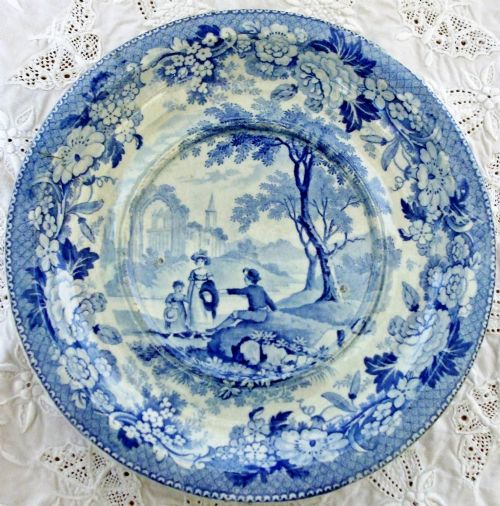
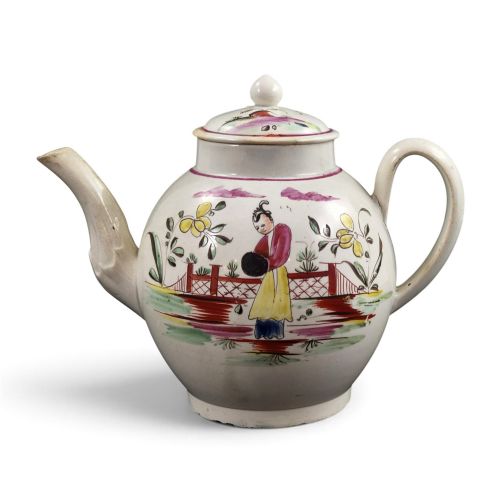
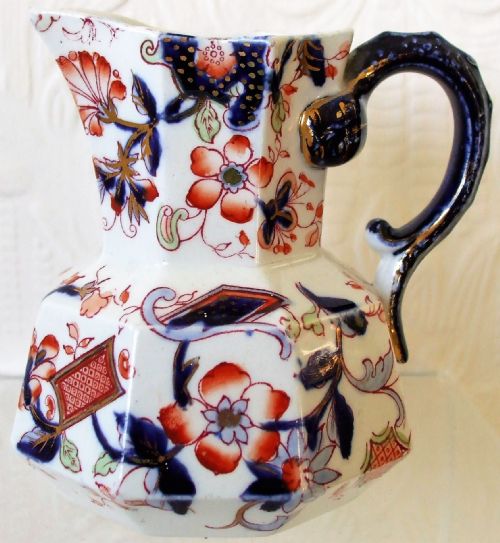
The pieces on this page span the Georgian and Victorian eras, taking forms such as recumbent lions, pug dogs, cats, and Toby jugs. Alongside these sculptural pieces, utilitarian forms like creamware teapots, soup bowls, and ironstone jugs appear regularly.
Makers and types represented range from early pearlware figures to later moulded ceramic animals produced towards the end of the nineteenth century. This selection captures both the functional kitchenware and the decorative mantel ornaments typical of the period.
What Varies in Quality
The richness of the glaze and the preservation of any gold leaf or surface enamels distinguish superior examples from standard utilitarian wares. Finer decorative plates and animal figures maintain sharper definition across the ceramic body.
Staffordshire Style Pottery Retail Price Guide 2026
Typical asking prices for staffordshire style pottery among the pieces listed under this phrase on Sellingantiques today, from the lower quarter to the upper quarter. They describe what is for sale here now, not the wider market.
Listings feature earthenware, pearlware, and ironstone across the nineteenth century, including both utilitarian soup bowls and decorative animal figurines.
Keeling and Co.·John Ridgway·Walton·Enoch Wood and Sons·Beswick
The Staffordshire Style Pottery Glossary
- Pearlware
- A refined earthenware developed in the eighteenth century featuring a bluish-tinted glaze that pooled slightly in crevices to mimic Chinese porcelain.
- Creamware
- A fine-grained earthenware with a warm, pale yellow or cream-coloured lead glaze, widely used for domestic tablewares.
- Earthenware
- Porous pottery fired at lower temperatures, requiring a glazed surface to become waterproof and suitable for domestic vessels.
- Transfer printing
- A decoration technique where an engraved copper plate transfers a design onto paper and then onto the ceramic surface before glazing.
- Imari palette
- A decorative colour scheme utilising rich iron red, underglaze blue, and gilt, inspired by Japanese export porcelains.
Staffordshire Style Pottery: Frequently Asked Questions
What is staffordshire style pottery?
Staffordshire style pottery refers to ceramic figures, animals, and tableware produced in the English potteries during the Georgian and Victorian periods.
These pieces range from utilitarian jugs and soup bowls to decorative mantel dogs and sculptural figures designed to adorn domestic interiors.
How do I date a staffordshire piece?
Dating relies on identifying the ceramic body, such as early creamware and pearlware versus later ironstone, alongside stylistic markers of the nineteenth century.
Potter marks, glaze characteristics, and painting techniques also help narrow the production window between the Georgian era and the late Victorian period.
How were these pottery items used?
Many items served practical domestic functions, including teapots, soup bowls, and pitchers used daily in the dining room and kitchen.
Other pieces, such as the sculptural cats, lions, and dogs, were strictly ornamental, placed on mantelpieces and shelves to display taste and status.
How should I care for antique pottery?
Antique ceramics require gentle handling and should be kept away from direct sunlight and sudden temperature changes to protect the glaze and enamel.
Cleaning is best done with a dry or lightly damp soft cloth, avoiding harsh detergents or soaking that might harm porous earthenware bodies.