

Stacked Sectional Bookcase
A stacked sectional bookcase provides modular storage through modular tiers, bringing adaptable display space into any study.
Stacked Sectional Bookcase
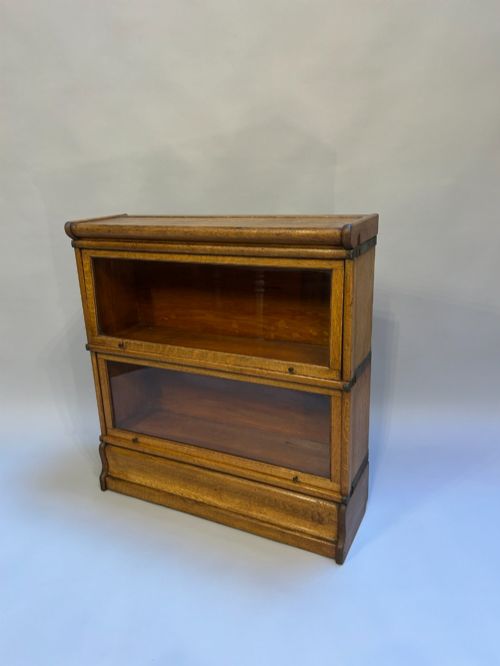
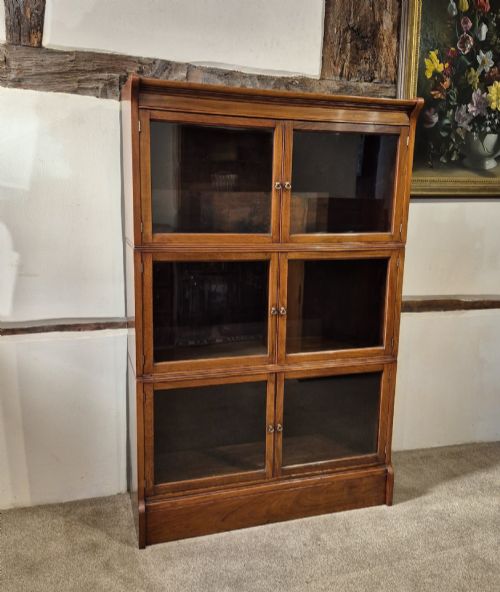
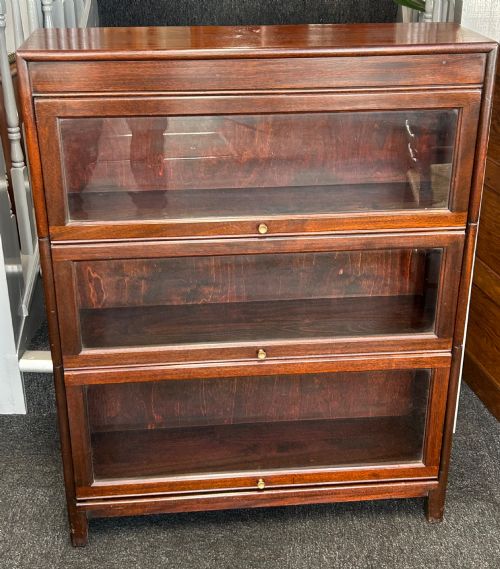
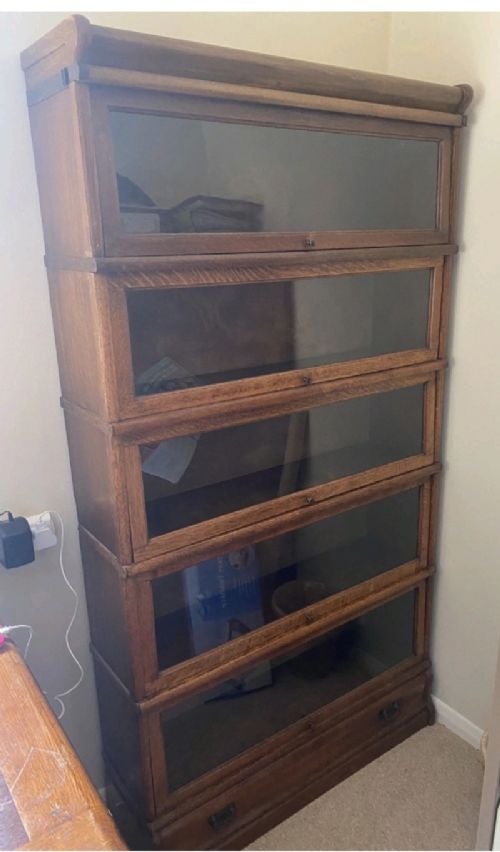
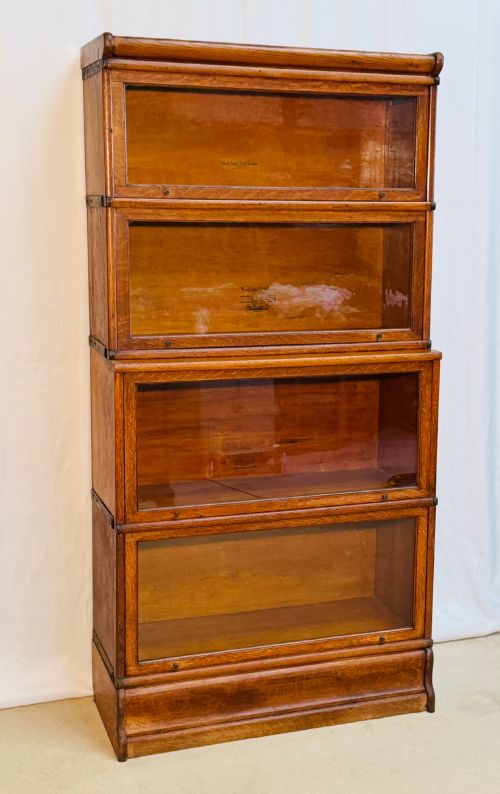
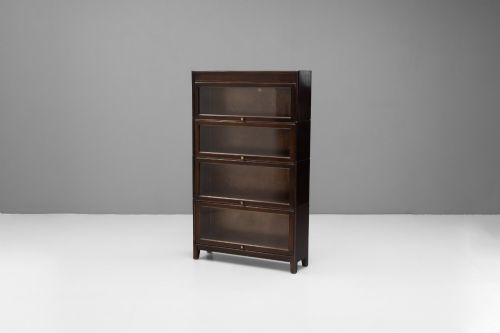
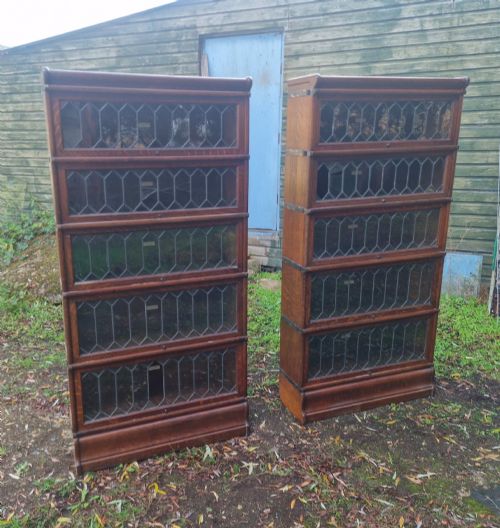
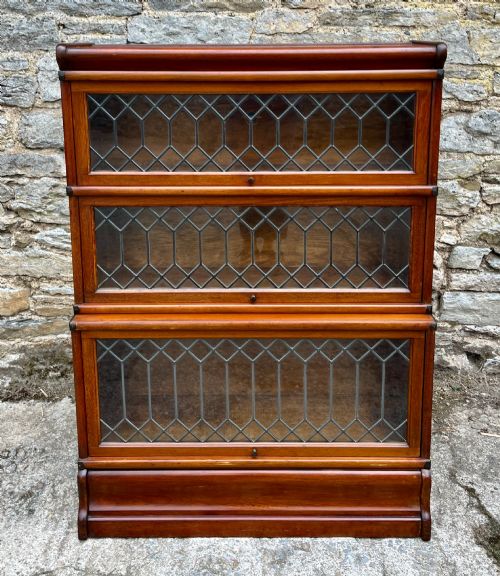
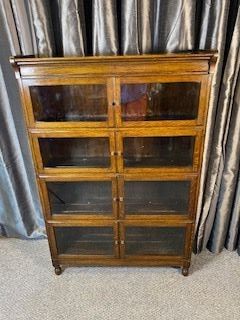
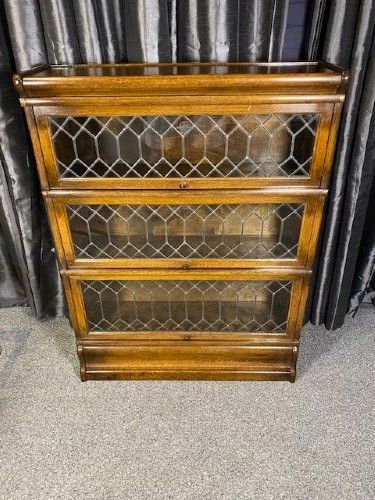
A stacked sectional bookcase is a modular piece formed of individual tiers that lock or sit one above another to create a tall storage unit. When you search for this phrase, you will find modular office and library furniture designed to protect books behind individual glazed panes.
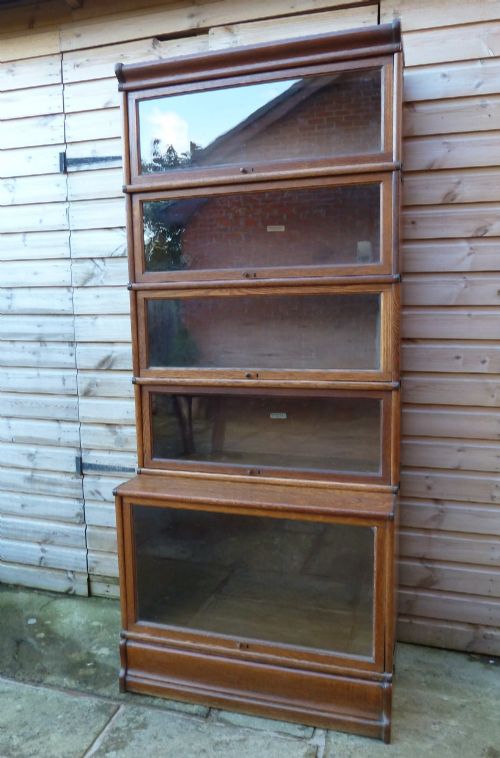
The version you are most likely to meet on this page is the oak or mahogany Globe Wernicke model, often featuring up and over doors. These designs span from nineteen hundred through the Edwardian era into the nineteen twenties and nineteen thirties, reflecting commercial and domestic needs.
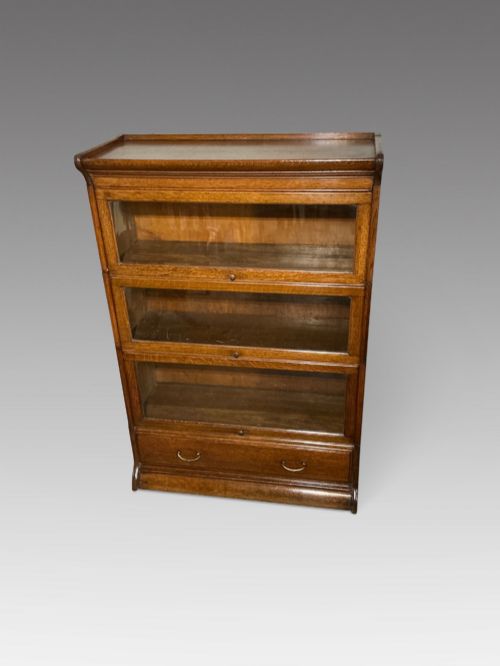
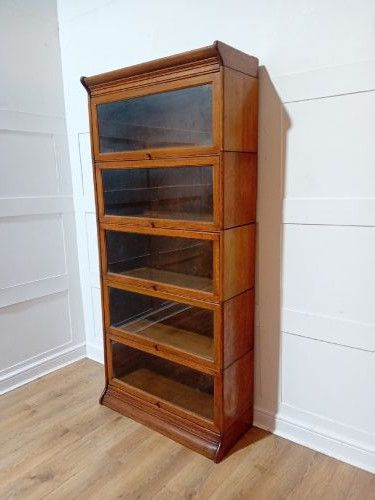
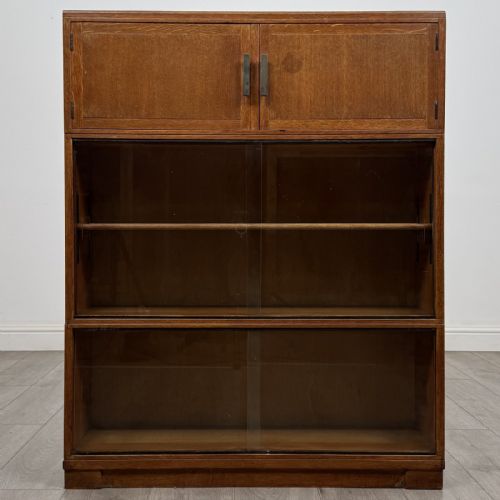
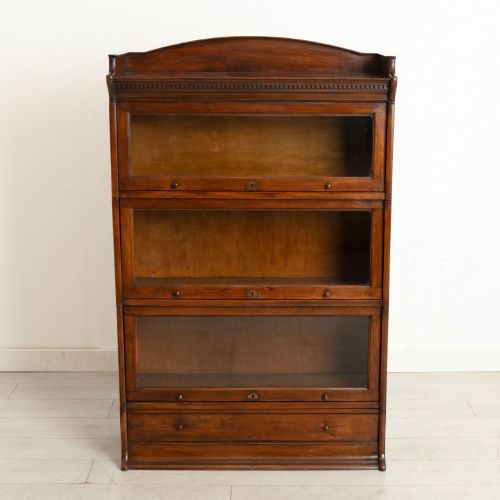
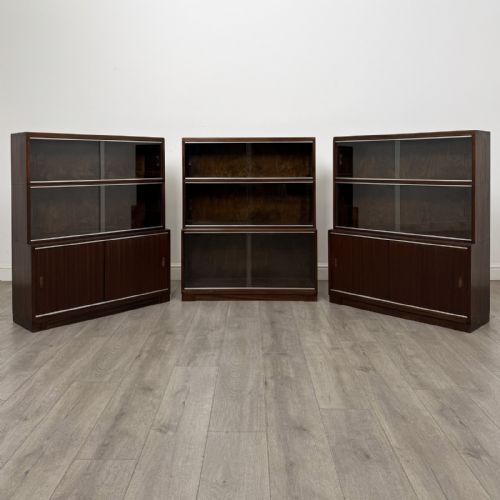
Makers such as Globe Wernicke, Lebus, Macey, Gunn Furniture, Minty, Heal's, and AMYL produced these modular tiers in oak, solid mahogany, and walnut. The forms range from low three tier arrangements to tall six piece heights, sometimes incorporating a base drawer.
How they were made
These bookcases were constructed using solid timber frameworks in oak and mahogany, paired with glass panels for the doors. Makers utilised brass hardware to connect or operate the lifting mechanisms that allow each tier to function independently.
Lead came was frequently used to hold smaller panes together in leaded glass doors, adding structural rigidity and a decorative grid pattern. Solid timber sections were rebated and joined to ensure each tier could bear the weight of stacked books while remaining detachable.
Stacked Sectional Bookcase Retail Price Guide 2026
Typical asking prices for stacked sectional bookcase among the pieces listed under this phrase on Sellingantiques today, from the lower quarter to the upper quarter. They describe what is for sale here now, not the wider market.
Listings feature oak, mahogany, walnut, glass, brass, and lead materials across Edwardian, Art Deco, and Mid-Century Modern styles.
What varies in quality
The distinction between a standard commercial tier and a finer example lies in the choice of timber and the precision of the mechanics. Solid mahogany and figured oak show deeper grain character than simpler utility builds.
Glazing quality also marks the grade of the piece, with leaded glass panels or bevelled panes representing more ambitious workshop production. The smoothness of the up and over door action indicates the original integrity of the internal brass tracks.
Globe Wernicke·Lebus·Macey·Gunn Furniture·Minty·Heal's·AMYL
The Stacked Sectional Bookcase Glossary
- Barrister bookcase
- A stacking sectional bookcase designed with glass doors that lift and slide inward above the books. This design kept law volumes clean in busy offices.
- Sectional bookcase
- A piece built from separate tiers that stack together without permanent fixing. This allows the cabinet to be dismantled for transport or built higher over time.
- Up and over door
- A glazed door hung on side arms that glide into the cabinet cavity above the shelf. It enables single-handed access to each tier.
- Leaded glass
- Small panes held together by lead strips forming geometric or diamond patterns. It is common on Edwardian Arts and Crafts examples.
- Base drawer
- A separate bottom section fitted with one or more pull drawers beneath the main tiers. It provides enclosed storage for papers or smaller items.
Stacked Sectional Bookcase: Frequently Asked Questions
What is a barrister bookcase?
A barrister bookcase is a specific type of stacked sectional bookcase featuring individual glass doors that lift and slide into the cabinet above each shelf. This mechanism protected heavy law books from dust while remaining easy to open in chambers.
The modular design allowed lawyers to add new tiers as their library grew, stacking the sections one upon another without fixed joints.
How do the sections separate?
Each tier in a stacked sectional bookcase rests independently on the section below it, usually guided by tongue and groove joints or metal pins. You simply lift each glazed tier straight up off the stack once the books are removed.
This ingenious construction made the furniture straightforward to move between offices or houses during the early twentieth century.
What woods were used?
The primary timbers found on this page are oak and solid mahogany, alongside occasional examples in walnut. Oak variants often display quarter-sawn figuring, while mahogany versions range from plain finishes to inlaid Edwardian designs.
Hardware such as brass handles and metal brackets completed the construction of these modular office and library cabinets.
Are these pieces Edwardian or later?
The listings span from nineteen hundred through the Edwardian period into the nineteen twenties and nineteen thirties, including Art Deco variants. Earlier models often feature heavy oak frames, while nineteen thirties pieces sometimes show cleaner lines.
Makers active across these decades adapted the patented stacking system to suit both commercial offices and domestic living rooms.