






Square Oak Occasional Table
A square oak occasional table gives you a sturdy, compact surface that anchors a corner or sits easily beside a chair.
Square Oak Occasional Table
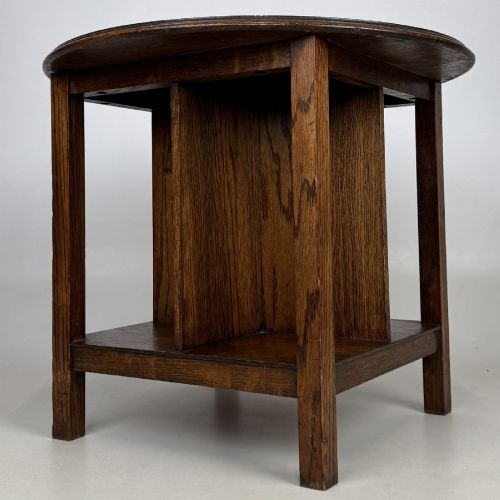
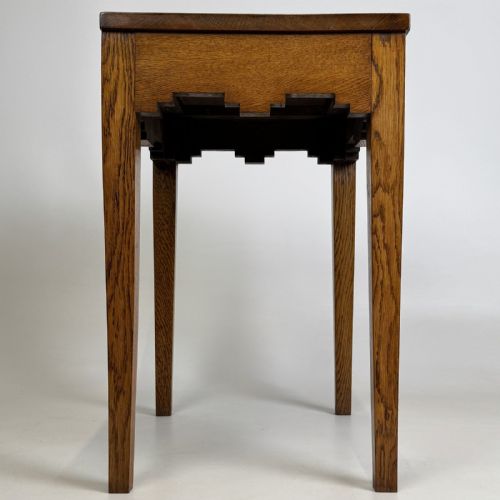
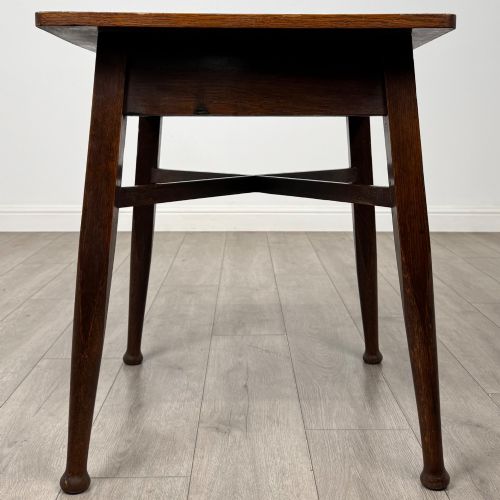
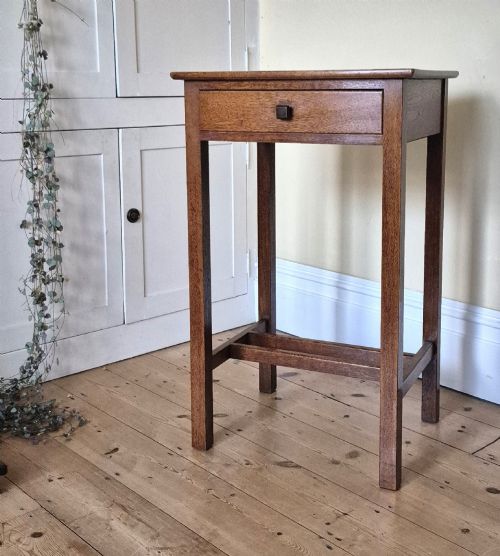
A square oak occasional table brings durable utility and straightforward grain to domestic spaces, appearing most often in Edwardian, Victorian, and Arts and Crafts forms. You will frequently encounter side tables, lamp tables, and small single-drawer pieces that serve as functional room accents.
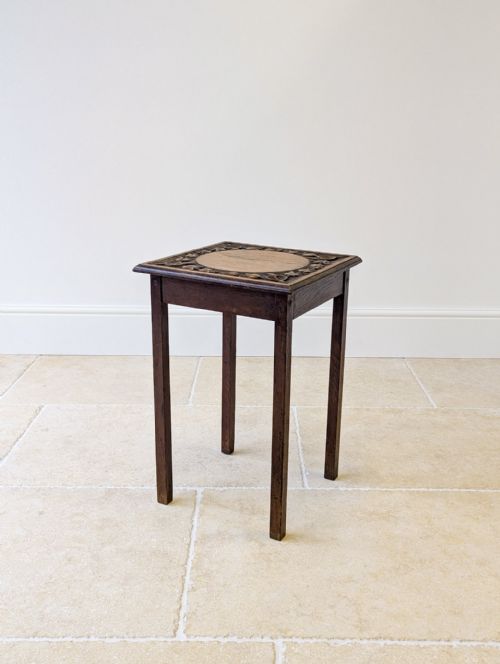
The selection ranges from carved Victorian tripod designs to clean-lined 1930s versions and vernacular Scottish country pieces. Many examples incorporate specific stylistic movements such as Art Deco or Jacobean Revival alongside simpler domestic formats.
Materials and construction
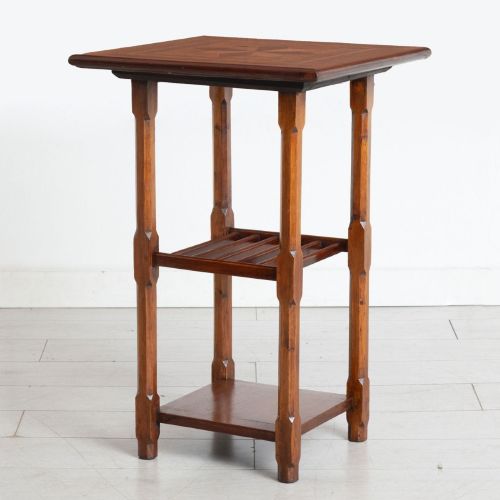
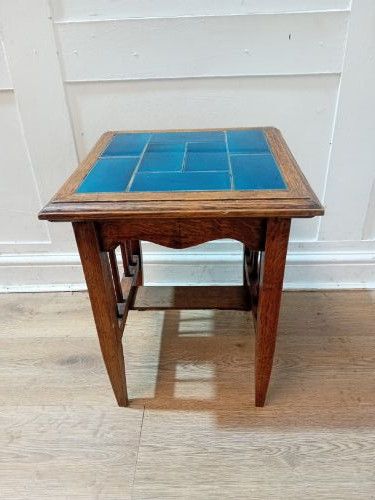
Construction relies heavily on solid oak and oak veneers, sometimes augmented by beech frames, inlaid timber, or specimen wood details. Selected examples integrate ceramic tiles into the top surface for practical heat resistance near lamps or teacups.
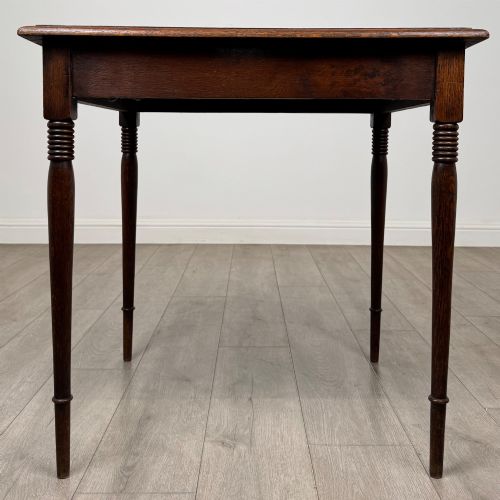
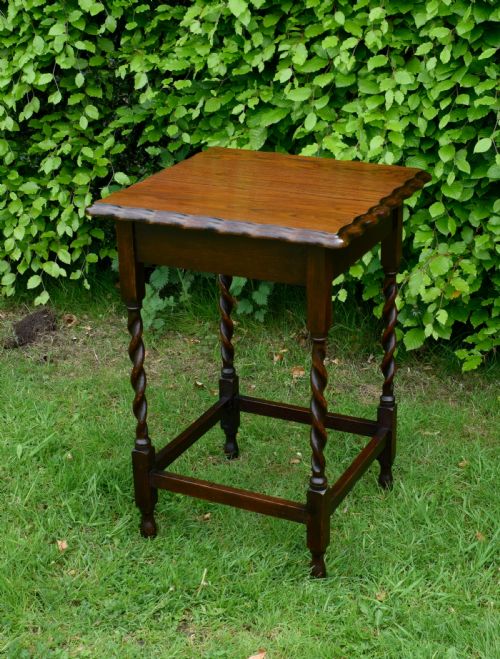
Joinery methods vary from traditional hand-carved elements to turned structural supports, including distinct barley twist legs. Makers utilised surface carving and wood inlay to add decorative contrast to the natural grain.
Square Oak Occasional Table Retail Price Guide 2026
Typical asking prices for square oak occasional table among the pieces listed under this phrase on Sellingantiques today, from the lower quarter to the upper quarter. They describe what is for sale here now, not the wider market.
Listings span periods from the mid-nineteenth century through the 1930s, featuring oak alongside ceramic tiles and inlaid timber.
Assessing craftsmanship and execution
Quality shows in the weight of the timber, the crispness of hand-carved details, and the stability of the joints under everyday load. Better pieces demonstrate careful timber selection where the oak grain matches purposefully across the visible surfaces.
Refinement in the turning of legs, such as detailed barley twist profiles, separates standard workshop production from finer studio or retail output. The integration of decorative elements like ceramic tiles or inlaid wood reveals the maker's level of ambition.
Liberty of London·Baillie Scott·Hubert Simpson of Kendal
The Square Oak Occasional Table Glossary
- Occasional table
- A small, movable table designed for specific, intermittent use rather than central dining. These pieces easily relocate around a room as needed.
- Arts and Crafts
- A design movement prioritising traditional craftsmanship, visible construction, and simple forms. It often rejects mass production in favour of honest materials like solid oak.
- Barley twist
- A type of furniture leg turned to resemble a spiralling rope or column. This decorative technique appears frequently on Edwardian and later pieces.
- Lamp table
- A low occasional table specifically sized to hold a lighting fixture. They frequently feature a compact square top to fit tight corners.
Square Oak Occasional Table: Frequently Asked Questions
Where do I put a square oak occasional table?
These compact tables fit comfortably beside armchairs, in narrow hallways, or as corner stands for lamps and small objects. Their square footprint allows them to push flush against walls or sit neatly between seating.
Because the timber tone is neutral and robust, they blend easily with both historic interiors and modern living spaces without dominating the room layout.
Are these tables sturdy enough for daily use?
Solid oak construction provides inherent strength, making these tables well-suited for holding lamps, books, and everyday items. Their stable four-legged or tripod bases prevent tipping during normal household activity.
Periodic checks of the joints ensure the frame remains rigid over decades of active service in busy rooms.
What is the difference between side tables and lamp tables?
While terms often overlap in historic listings, lamp tables traditionally offer a slightly smaller, dedicated surface suited for lighting equipment. Side tables can vary more in proportion to serve general holding functions beside chairs or sofas.
Both formats utilise a square top configuration to maximise usable surface area within a compact floor space.