


Spring Landscape Oil Canvas
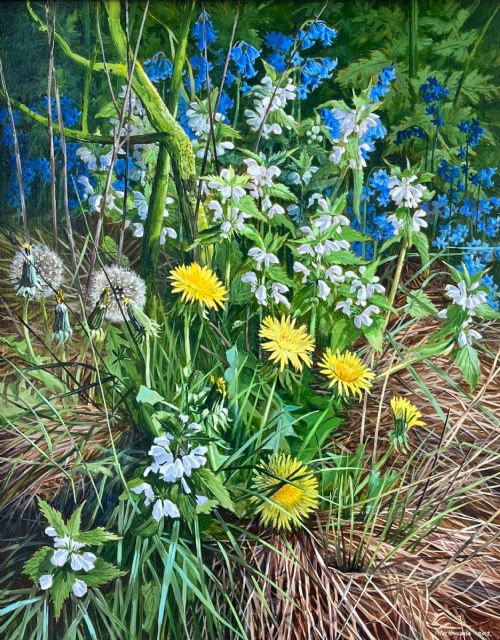
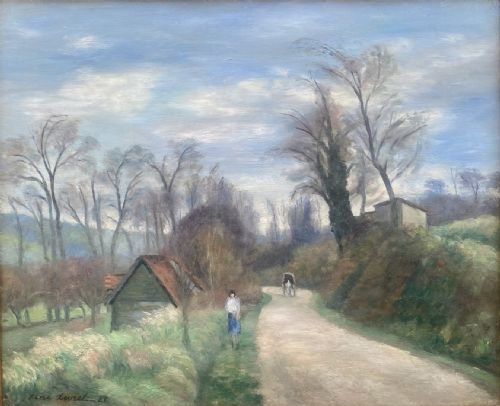
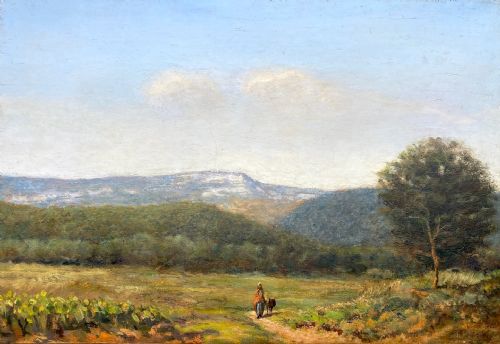
A spring landscape oil canvas captures the awakening of the natural world, offering collectors a timeless window into pastoral renewal.
Spring Landscape Oil Canvas
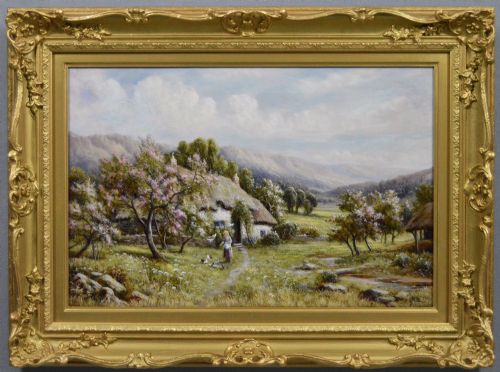
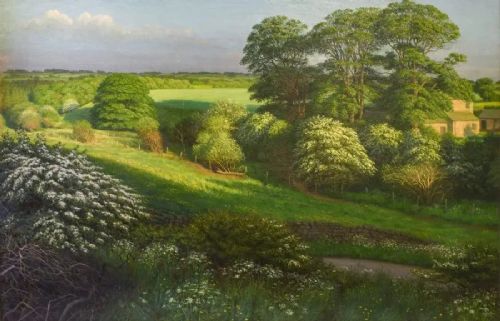
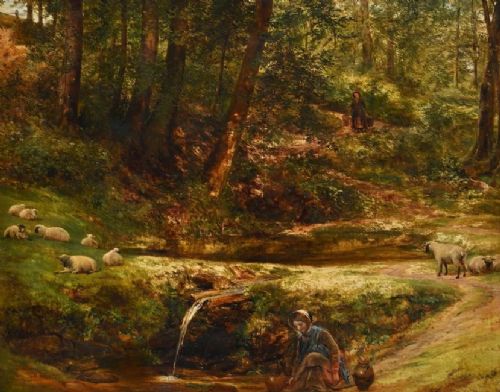
A spring landscape oil canvas brings the fresh palette of the reviving season into interior spaces through rich painted pigment. These works range from Victorian cottage scenes to later twentieth-century realism and post-impressionist depictions of rural vistas.
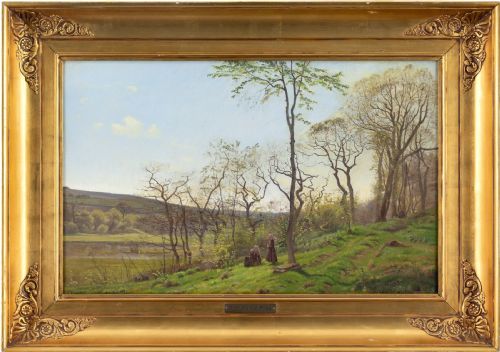
Buyers will encounter compositions featuring blooming flora, sunlit orchards, and winding paths through emerging foliage. The selection spans mid-nineteenth-century British and continental examples up to modern realism created after nineteen-sixty.
Regional scenes dominate the offerings, stretching from English coastlines and country lanes to French provincial fields and Danish monasteries. Each piece records the specific light and atmosphere observed by the artist during the spring months.
Materials and technique
Artists apply oil paint directly onto stretched canvas supports, building layers of pigment to create texture and depth within the landscape. The fluid nature of oil allows for subtle blending of seasonal light and delicate rendering of fresh spring vegetation.
Many works retain their original giltwood or wood frames finished with gold leaf, providing a period-appropriate border that enhances the painted view. The combination of oil, canvas, and timber framing reflects traditional atelier practices across the nineteenth and twentieth centuries.
At least one canvas manages to include both an English springer spaniel and an early spring cottage scene.
The spectrum of quality
Quality rests in the artist's ability to command the medium and convey atmospheric depth rather than mere botanical accuracy. Superior works demonstrate confident brushwork and a sophisticated handling of spring light that draws the viewer into the spatial arrangement.
The integration of the canvas within its period frame significantly influences the overall integrity of the piece. Finer examples maintain the original harmony between the painted surface and the giltwood surround, preserving the maker's intended presentation.
Robert John Hammond·Raymond Booth·Harald Foss·Richard Redgrave·Peter Newcombe·Rene Levrel·Owen Bowen·Martin Lamotte
The Spring Landscape Oil Canvas Glossary
- Oil on canvas
- A painting medium where pigments suspended in drying oils are applied to a woven fabric support. This combination offers flexibility and allows for rich textural application.
- Giltwood frame
- A wooden picture surround coated with a thin layer of gold leaf or metal powder. These frames define the outer boundary of the artwork and often date to the period of creation.
- Post-Impressionism
- An art movement extending beyond impressionist practices to emphasise geometric forms and expressive use of colour. Artists in this tradition explore spring subjects with heightened emotional resonance.
- Realism
- An artistic approach dedicated to representing subject matter truthfully without artificiality. In these landscapes, the approach records the specific topographical and seasonal details of the location.
Spring Landscape Oil Canvas: Frequently Asked Questions
What defines a spring landscape oil canvas?
These works depict rural scenes, cottages, and orchards during the blooming season, rendered in oil paint upon stretched canvas. They capture the shifting light and fresh growth associated with the warmer months.
Artists across the nineteenth and twentieth centuries utilised this subject to explore seasonal renewal through varied regional styles, ranging from detailed realism to post-impressionist interpretations.
How should I care for an oil painting on canvas?
Keep the canvas away from direct sunlight and sudden shifts in temperature or humidity to prevent the paint layer from cracking. Dust the surface gently with a soft, dry brush.
Avoid using liquid cleaners on the paint or the giltwood frame, as moisture damages traditional materials. Professional conservation ensures the longevity of both canvas and frame.
How do I identify the period of these paintings?
Dating relies on stylistic markers such as brushwork, clothing styles of figures within the landscape, and the construction methods of the underlying canvas stretcher. Signature styles of specific art movements also provide chronological clues.
Secondary evidence, including period frames and artist biographies, helps narrow the timeframe of creation. Many works carry dates or attribution within the available records.
Where were these landscape paintings created?
The pieces originate from various European art communities, including British, French, and Danish schools. Artists travelled to specific rural regions to capture local spring scenery.
Locales range from English coastal bays and country lanes to French provincial fields and Danish monastic views. Each region imparts distinct atmospheric qualities to the canvas.