





Spring Landscape Canvas Painting
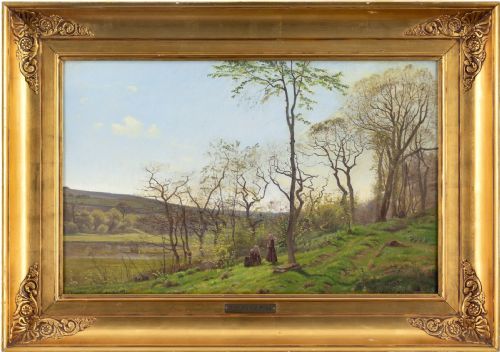
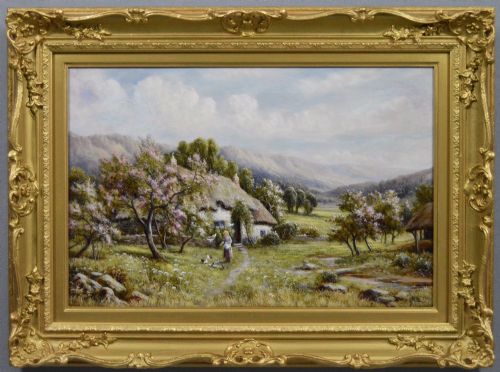
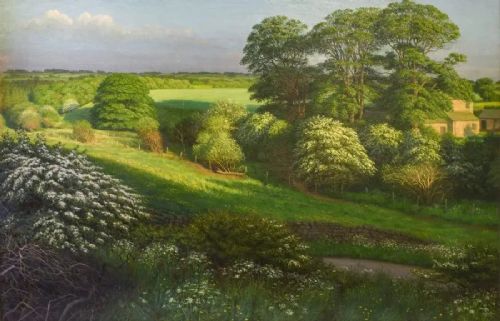
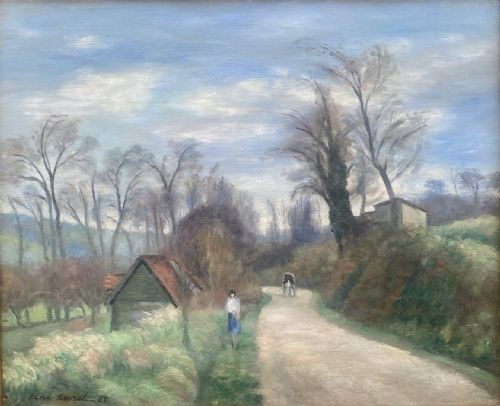
These spring landscape canvas painting works capture seasonal renewal across British and continental rural scenes.
Spring Landscape Canvas Painting
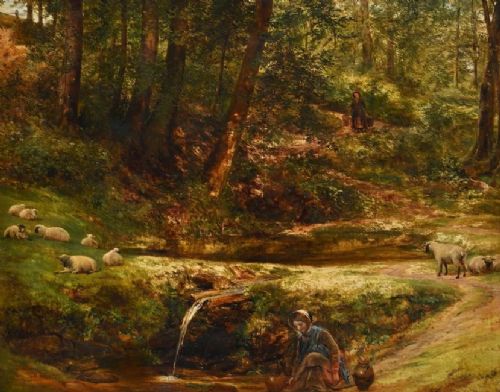
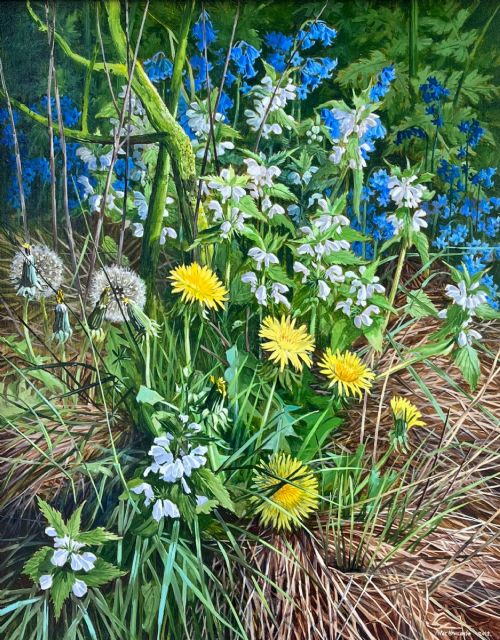
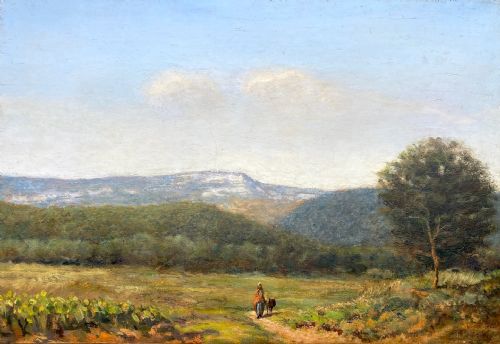
When you search for a spring landscape canvas painting, you encounter original oil works depicting seasonal foliage, cottages, and rural paths. These pieces span from the mid-nineteenth century through the twentieth century, originating from British, French, Danish, and wider European traditions.
The selections available here range from Victorian narrative scenes to post-impressionist interpretations and mid-century realism. You will find depictions of May afternoons, Normandy roads, and Isle of Man bays rendered in oils on canvas.
Makers and painters represented include established figures such as Robert John Hammond, Raymond Booth, Harald Foss, Richard Redgrave, Peter Newcombe, Rene Levrel, Owen Bowen, and Martin Lamotte. Their compositions record specific regional ecologies and changing vernal light.
Materials and methods
The works rely upon oil paint applied to stretched canvas supports, utilising the rich consistency of the medium to build texture in foliage, earth, and sky. Canvas preparation involved sizing and priming to receive the pigment layers.
Framing forms an integral part of the physical object, with several examples housed in giltwood frames or timber surrounds. The combination of oil on canvas within period wooden framing protects the structural integrity of the painted surface.
Spring Landscape Canvas Painting Retail Price Guide 2026
Typical asking prices for spring landscape canvas painting among the pieces listed under this phrase on Sellingantiques today, from the lower quarter to the upper quarter. They describe what is for sale here now, not the wider market.
Listings feature works executed in oil on canvas, housed in giltwood frames and wood surrounds across various European locations.
Assessing quality
Quality reveals itself in the handling of light and pigment application, where confident brushwork creates depth in foliage and distance in rolling hills. Superior examples demonstrate a precise control over atmospheric perspective and seasonal colour relationships.
The integration of the canvas with its period frame also influences the overall integrity of the piece. Works that retain their original giltwood or timber settings present a more unified historical character.
Robert John Hammond·Raymond Booth·Harald Foss·Richard Redgrave·Peter Newcombe·Rene Levrel·Owen Bowen·Martin Lamotte
The Spring Landscape Canvas Painting Glossary
- Oil on canvas
- A painting medium where pigments are bound with drying oils and applied to a woven fabric support. This technique allows for blending and textural impasto.
- Giltwood frame
- A wooden picture surround coated with a thin layer of gold leaf or metallic powder. These frames enhance the visual depth of nineteenth-century and early twentieth-century canvases.
- Post-Impressionism
- An art movement extending beyond impressionism that rejected strict naturalism in favour of bolder colours and distinct symbolic forms. Martin Lamotte's work reflects this stylistic lineage.
- British Impressionism
- A painting approach focusing on light and spontaneous brushwork adopted by British artists working in the late nineteenth and early twentieth centuries. It emphasises outdoor observation.
Spring Landscape Canvas Painting: Frequently Asked Questions
What periods do these spring landscape canvas painting works represent?
The pieces span multiple eras from the mid-nineteenth century through the mid-twentieth century. You will encounter Victorian examples alongside post-impressionist and modern realist interpretations.
Dates recorded across the selection include the 1850s, 1870s, 1900, 1910, 1920, and the decades following 1960.
Where were these landscape paintings created?
The origins vary across Britain and continental Europe. Listed works depict scenes from Normandy, Provence, Jutland, the Isle of Man, and English countryside locations.
Artists worked both locally within British schools and abroad in French and Danish artistic communities.
How are these artworks constructed?
The primary medium is oil paint applied to stretched canvas supports. Many examples are preserved within their original giltwood or timber frames.
The physical composition relies on traditional painting techniques developed across the nineteenth and twentieth centuries.
How should I care for an antique oil painting?
Keep canvases away from direct sunlight, high humidity, and rapid temperature fluctuations. Environmental stability protects both the oil pigment and the underlying fabric support.
Dust the surface gently with a soft, dry brush and avoid using chemical cleaning agents on the painted area or frame.