

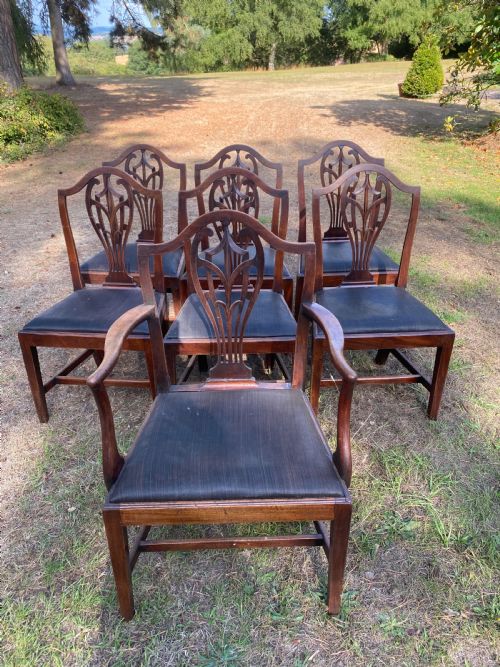
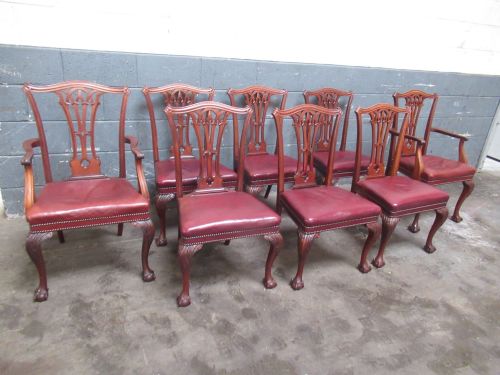
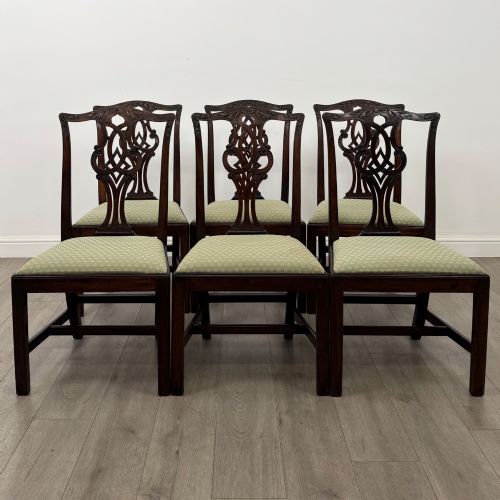
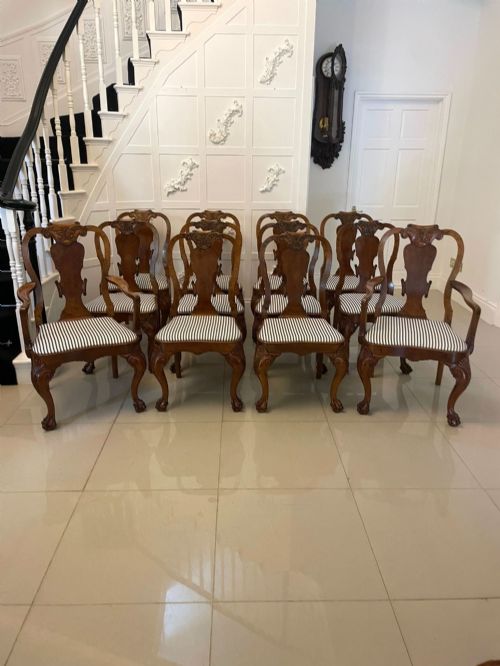

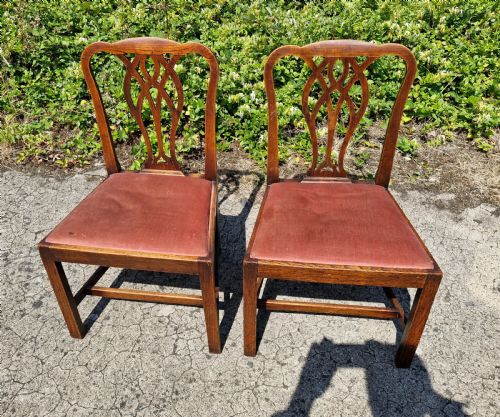
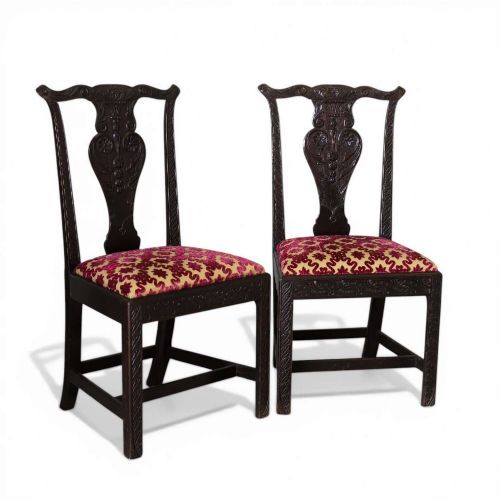
Splat Back Side Chairs
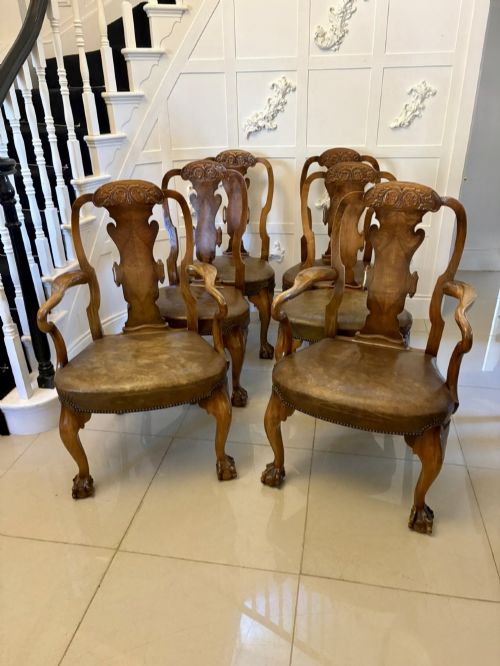
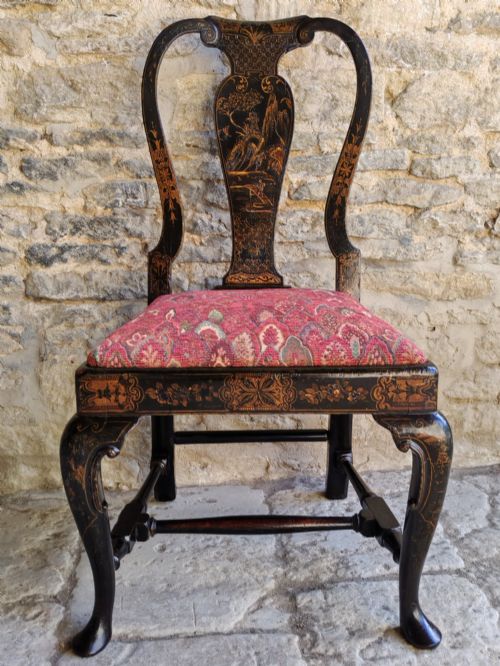
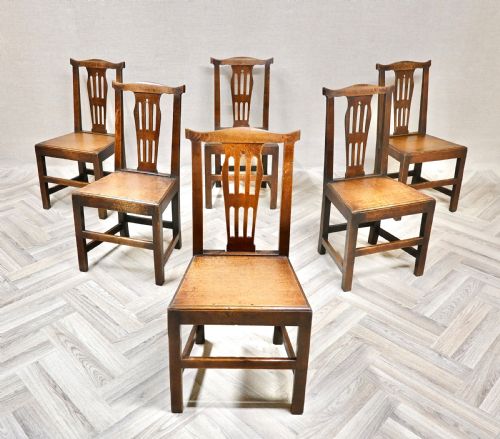
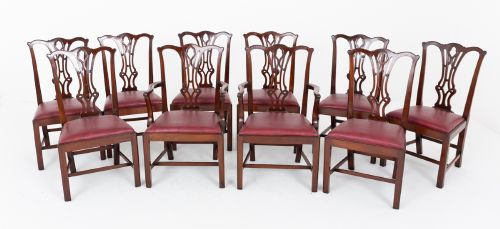
Splat back side chairs are timber dining and salon seats defined by a central vertical wooden slat, sought after for centuries of cabinet-making craft.
Materials and construction methods
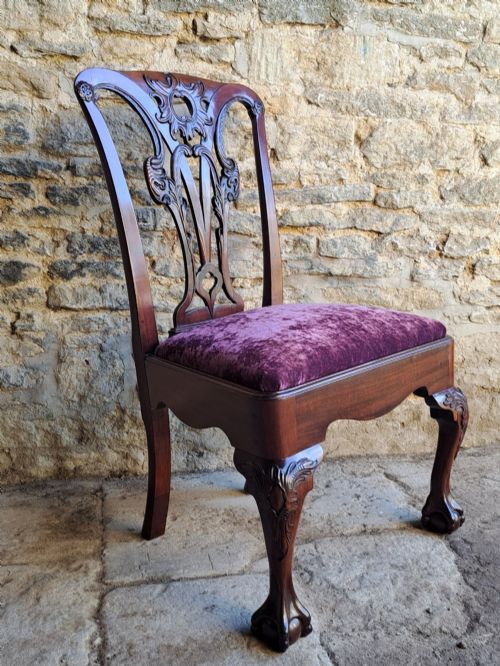
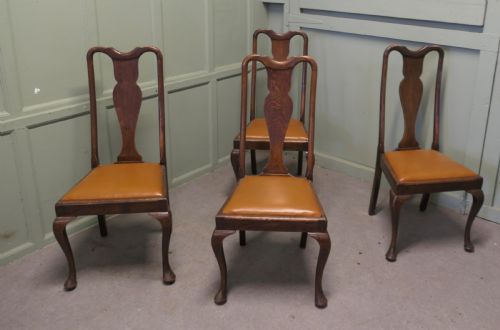
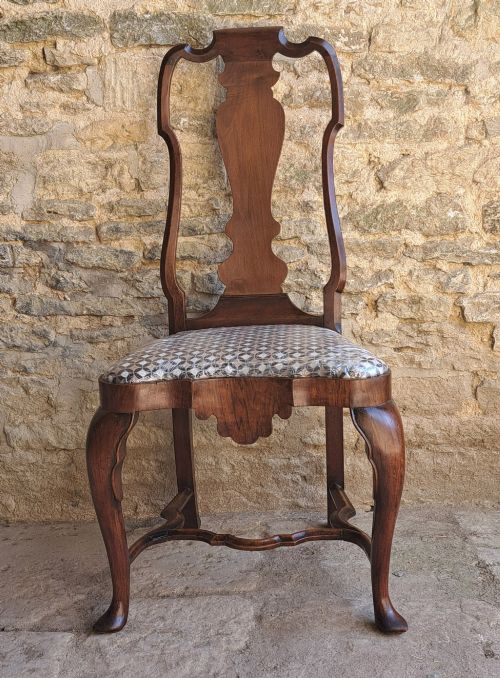
Makers utilised dense hardwoods such as mahogany, walnut, oak and elm to withstand the structural stresses placed on upright dining seats. These timbers were frequently carved with pierced splats, interlaced ribbons or smooth vase profiles.
Seats were constructed using traditional joinery, often incorporating drop-in frames upholstered in fabric, leather or textile coverings. Beech and other secondary timbers appear in regional country pieces alongside high-status urban furniture.
Assessing construction and design standards
Quality rests in the crispness of the timber carving and the architectural proportion of the central splat within the chair frame. Superior examples demonstrate thoughtful grain selection in the mahogany or walnut veneers and solid timber components.
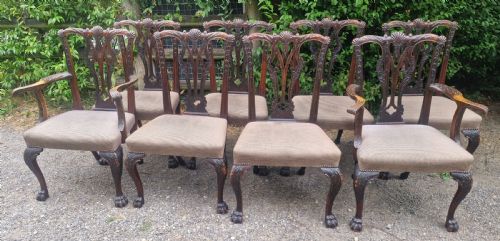
Durability depends upon the tightness of the structural joints and the integrity of the original wood rather than applied surface finish. Matched sets displaying uniform patination command greater attention than assembled groups of similar profile.
Several chairs include drop-in seats that have harboured lost buttons, pins and coins dropped by diners over three centuries.
Charles Tozer·Wheelers of Arncroach
The Splat Back Side Chairs Glossary
- Splat
- The vertical wooden element positioned in the centre of the backrest, often shaped, pierced or carved. It provides structural support and visual character.
- Drop-in seat
- A removable frame upholstered separately and dropped into a rebated opening in the chair seat rails. This technique allowed straightforward reupholstering without dismantling the frame.
- Chippendale style
- A furniture design vocabulary inspired by Thomas Chippendale, characterised by interlaced ribbon splats and cabriole legs. Revivals of this aesthetic occurred extensively during the nineteenth and twentieth centuries.
- Queen Anne style
- An eighteenth-century design form identified by smooth curved lines, spooned backs and pad feet. Later makers replicated these understated outlines in walnut and oak.
Splat Back Side Chairs: Frequently Asked Questions
How do I spot a true Georgian splat back?
Examine the timber construction beneath the seat rails for hand-cut joinery marks and signs of oxidation consistent with eighteenth-century age. Georgian originals typically employ native hardwoods like mahogany or oak with pegged tenon joints.
Check the proportions of the central splat and the wear patterns on the feet. Later revival pieces often exhibit machine-cut precision and uniform wood seasoning that differ from period examples.
Were these chairs used only for dining?
While the majority served around dining tables, lighter side chairs and salon chairs functioned in parlours, bedrooms and hallways. Single pieces often acted as desk chairs or decorative elements in formal rooms.
Larger matching sets were commissioned specifically for grand dining rooms, whereas smaller pairs or single chairs suited domestic writing tasks.
What is a drop-in seat?
A drop-in seat is a wooden frame upholstered independently and fitted directly into a recess within the chair seat rails. This design made maintenance and fabric replacement straightforward.
You can lift the seat out to inspect the internal corner blocks and framing timbers for age and repair work.
How do I care for antique wood chairs?
Maintain stable indoor humidity levels and keep wooden furniture away from direct heat sources to prevent timber shrinkage and cracking. Apply traditional furniture wax sparingly to nourish the grain.
Avoid modern silicone polishes that build up residue and degrade the historic patina over time.