






Chinese Export Chairs
Chinese export chairs bring distinct craftsmanship into a room, blending traditional Asian forms with Western tastes.
Chinese Export Chairs
When you search for chinese export chairs, you are looking at seating made in China for Western markets, spanning periods from the eighteenth century through to the early twentieth century. These pieces include armchairs, side chairs, dining sets, hall chairs, and benches.
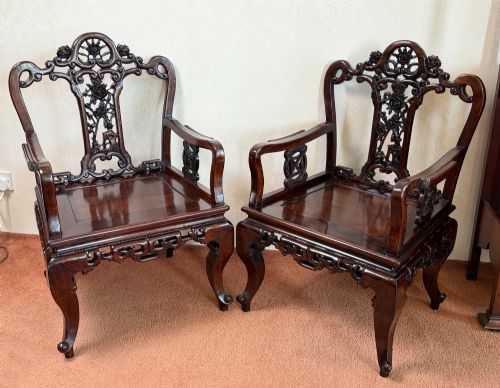
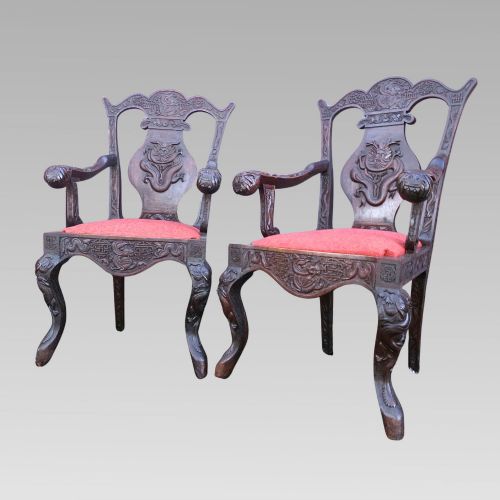
The selections on this page are most commonly nineteenth century examples made from dense timbers. You will also encounter eighteenth century items, Regency pieces, and items from around nineteen hundred featuring detailed carving.
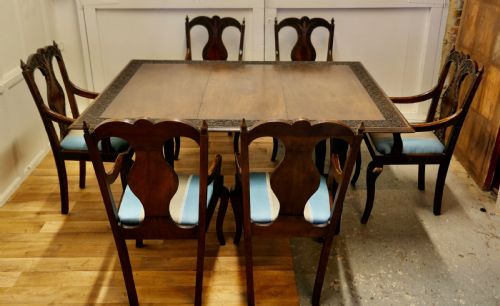
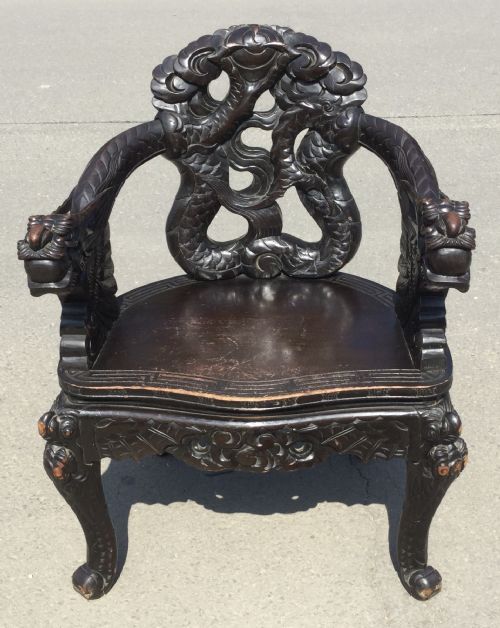
Makers produced these chairs for international trade, combining local woodworking traditions with the specific seating requirements of European and American homes. Their forms range from simple side chairs to elaborate dragon armchairs and corner seats.
How they were made
Carpenters utilised dense regional timbers such as hardwood, rosewood, teak, elm, and huanghuali for the frames. These heavy woods allowed artisans to carve intricate motifs like dragons and foliage directly into the structure.
Workshops applied traditional joinery techniques alongside decorative elements such as bone inlay, lacquer, and mother of pearl. Upholstery and fabric additions appeared on specific models depending on the period and the intended Western market.
Listings span the eighteenth century, the nineteenth century, and the early twentieth century, utilising rosewood, teak, elm, and fabric.
What varies in quality
Quality rests in the crispness of the hand carving and the selection of the timber. Dense rosewood and huanghuali pieces display sharper detail and heavier construction than softer elm alternatives.
Proportion and design complexity separate standard seating from exceptional examples. Eccentric forms, matched pairs, and intricate figural carving elevate a piece well above basic utility furniture.
The Chinese Export Chairs Glossary
- Hardwood
- Dense timber used for robust furniture framing. It resists warping and supports deep carving.
- Rosewood
- A richly coloured and heavily grained timber favoured for fine seating. It polishes to a deep lustre.
- Bone Inlay
- Decorative material set into wood surfaces to create contrasting patterns. Artisans used it to accent backrests and frames.
Chinese Export Chairs: Frequently Asked Questions
What are chinese export chairs?
These pieces are seating items manufactured in China specifically for export to Western buyers. They combine traditional Asian woodworking methods with European furniture shapes.
Craftsmen used regional timbers and applied intricate carvings to suit foreign interior design preferences.
How do I date a chair?
Dating relies on timber choice, style markers, and construction techniques. Eighteenth century items often utilise huanghuali, while nineteenth century examples frequently employ heavier rosewood or teak.
Stylistic shifts between Qing Dynasty designs and Regency adaptations also help determine the period of manufacture.
Where were they used?
Buyers originally placed these chairs in prominent rooms such as halls, dining rooms, and parlours. Their striking appearance made them conversation pieces in European and American homes.
Today, they function well as accent seating in living areas or as functional dining chairs.