





Antique Chinese Dining Chairs
These antique chinese dining chairs combine centuries of traditional form with regional woods and classic revival styling.
Antique Chinese Dining Chairs
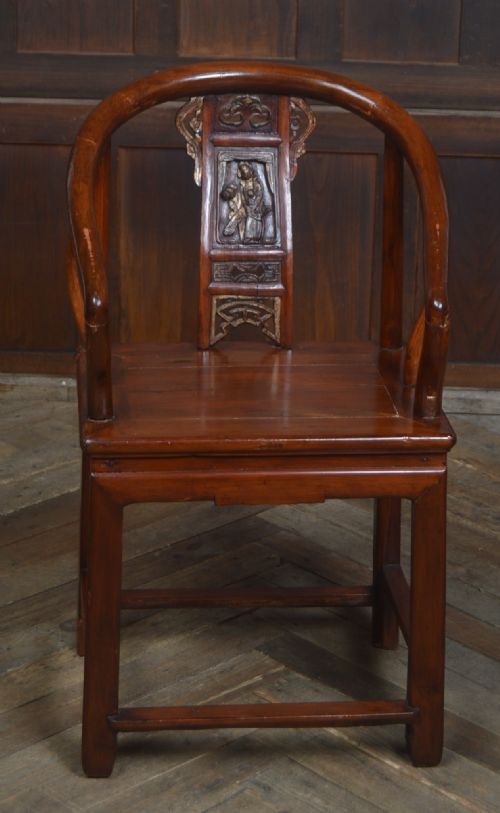
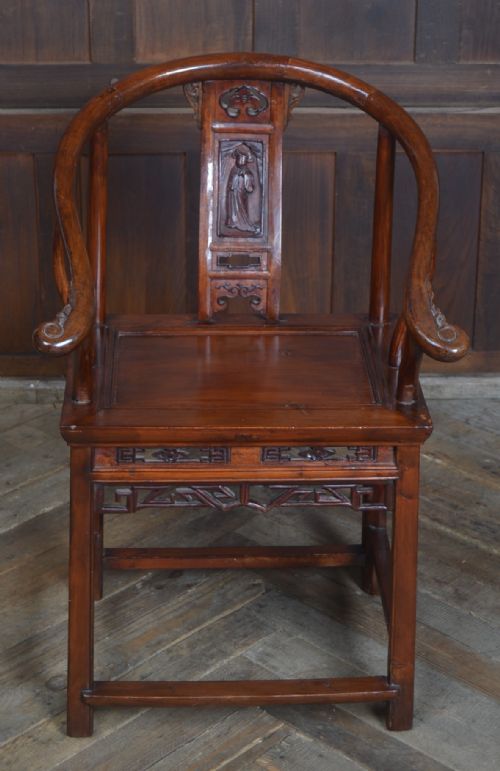
When you search for antique chinese dining chairs, you encounter a distinct mix of traditional seating forms, including yoke-back scholars chairs, lamp hanger chairs, and elaborate revival pieces. The material evidence ranges across the 18th century, 19th century, and Edwardian periods, taking in forms designed for dining, hall use, and formal reception.
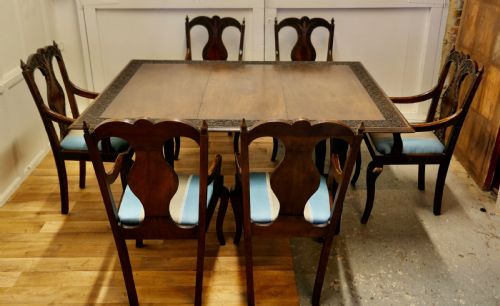
The selection on this page demonstrates both native Chinese regional production in elm, hardwood, and lacquer, alongside British interpretations like Chinese Chippendale and Chippendale Revival mahogany dining chairs. Side chairs and armchairs appear alongside matched pairs and larger sets, reflecting the diverse ways these seats entered Western and Eastern interiors over generations.
How they were made
Cabinetmakers constructed these seats using dense native timbers like elm, huanghuali, rosewood, and general hardwood, often relying on sophisticated joinery that required no metal fasteners. Painted wood and lacquered finishes provided both surface protection and decorative depth, preserving the underlying timber while introducing deep colour and sheen.
Mahogany appears predominantly in British Chippendale revival and Georgian interpretations, where carvers applied intricate pierced splats and fretwork. Elm and lacquered wood dominate the traditional Chinese forms, utilising the natural grain and structural resilience of the timber to support slender yet remarkably strong frames.
The listings span the 18th century, 19th century, and Edwardian periods, incorporating mahogany, elm, lacquer, and rosewood.
What varies in quality
The distinction between ordinary and exceptional examples rests in the crispness of the carving, the integrity of the joinery, and the preservation of original surfaces such as lacquer or polish. Pieces displaying fluent hand-carved details or undisturbed 18th century and 19th century patination stand apart from later, heavier reproductions.
Proportion and balance also govern the hierarchy of these chairs, particularly in yoke-back and scholars designs where the curve of the crestrail dictates the elegance of the silhouette. Matched sets and pairs demonstrate a higher degree of initial craftsmanship and careful preservation than disparate individual chairs assembled later.
Thomas Chippendale
The Antique Chinese Dining Chairs Glossary
- Yoke-back chair
- A traditional Chinese seating form featuring a crestrail shaped like an ox yoke, designed to support the sitter in an upright posture. This design dates back centuries and remains a staple of scholarly interior furnishings.
- Lamp hanger chair
- A specific traditional Chinese chair style characterised by slender members and a projecting crestrail resembling the stands used for oil lamps. These chairs utilise lightweight elm or hardwood to achieve structural grace.
- Chinese Chippendale
- A style of 18th century European furniture design incorporating Asian motifs such as pagoda pediments, fretwork lattice, and intricate carved splats. George III examples represent the height of this fashionable hybrid aesthetic.
- Scholar's chair
- A minimalist wooden chair designed for comfort and contemplation within a scholar's studio. These pieces typically feature unadorned members that highlight the natural texture and figure of the timber.
Antique Chinese Dining Chairs: Frequently Asked Questions
How do I date antique chinese dining chairs?
Dating relies on identifying the timber species, construction methods, and stylistic markers specific to periods like the Qing Dynasty or the Georgian era. Traditional joinery techniques and the presence of original lacquer or surface wear offer reliable chronological clues.
Comparing structural forms against documented examples from the 18th century, 19th century, or Edwardian period helps narrow down the decade of manufacture. Wear patterns on foot rails and seat surfaces further corroborate the age of the piece.
Are these chairs suitable for daily dining use?
Many solid hardwood and elm examples possess robust joinery that easily accommodates modern dining use. However, delicate carved splats or antique lacquer surfaces require thoughtful care to prevent unnecessary abrasion.
Pairs and larger sets provide a cohesive aesthetic around a dining table, blending historical character with functional seating. Checking the stability of the frame ensures everyday practicality without compromising the piece.
What is the difference between side chairs and armchairs?
Side chairs lack arms and were traditionally designed to sit neatly against walls or around dining tables without obstructing voluminous historical garments. They offer a compact footprint while maintaining the decorative back design.
Armchairs feature structural supports for the arms, often serving as principal seating in reception rooms or as head-of-table chairs. Both types share the stylistic vocabulary of their respective period, whether Qing Dynasty or Chippendale Revival.
How should I care for lacquered wood furniture?
Lacquered surfaces require stable indoor humidity and protection from direct sunlight to prevent drying, fading, or micro-cracking. Dusting with a soft, dry cloth preserves the glossy or matte finish without introducing chemical residue.
Avoid placing hot items or moisture directly onto the wood or lacquer to maintain the integrity of the antique coating. Gentle, periodic maintenance ensures the surface patina continues to develop gracefully over time.