



Splat Back Kitchen Chairs
Splat back kitchen chairs offer robust vernacular seating, bringing authentic rural character and solid wood construction to everyday dining.
Splat Back Kitchen Chairs
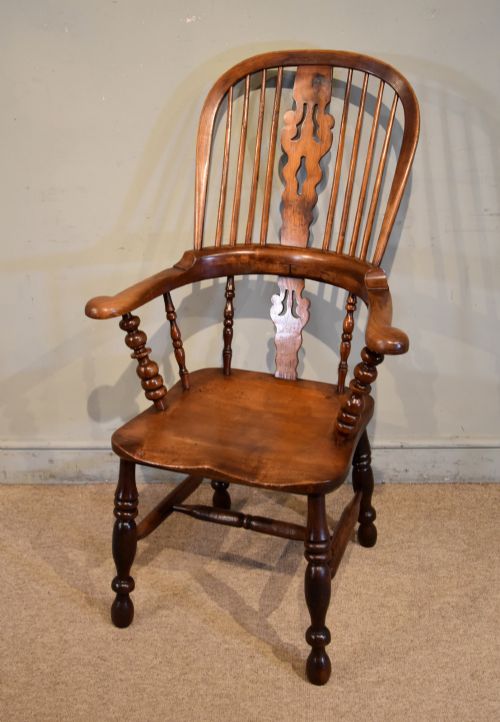
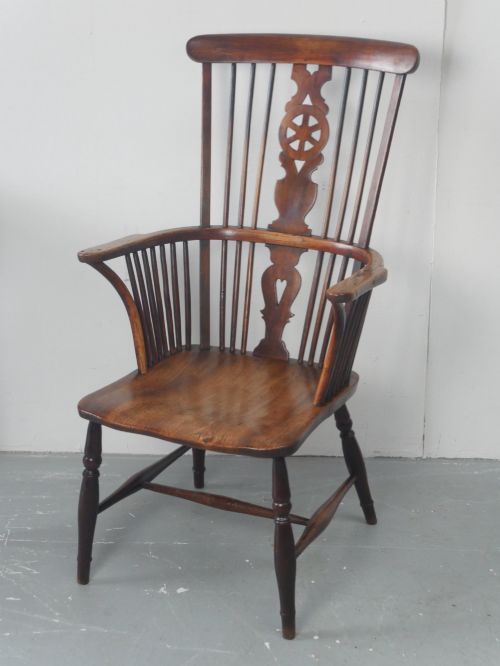
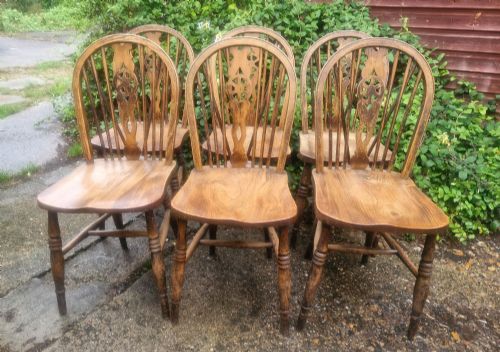
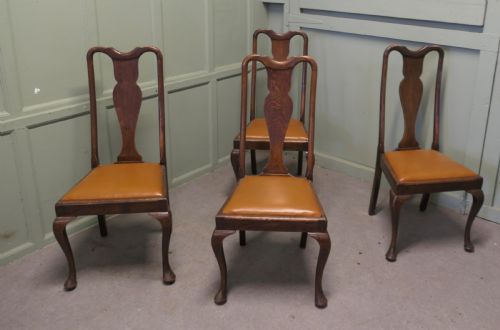
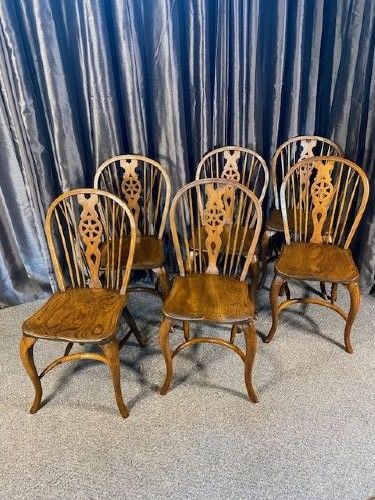
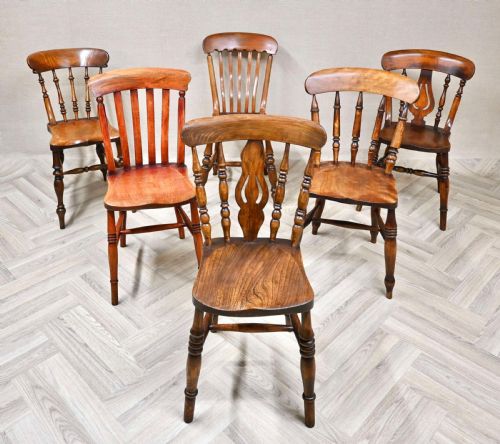
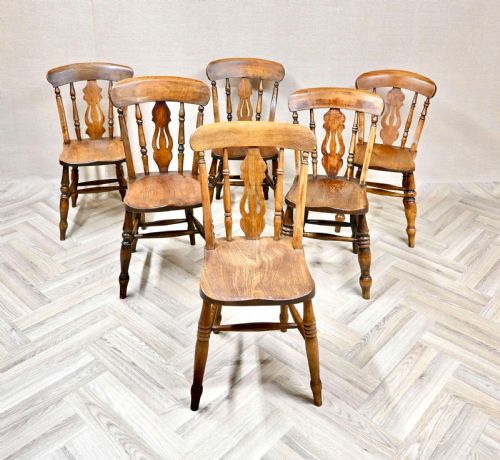
Splat back kitchen chairs are traditional wooden seating designed for domestic daily use, heavily represented here by country styles like the Windsor form. These pieces emerge from periods spanning the 18th century through the Victorian era and into the early 20th century.
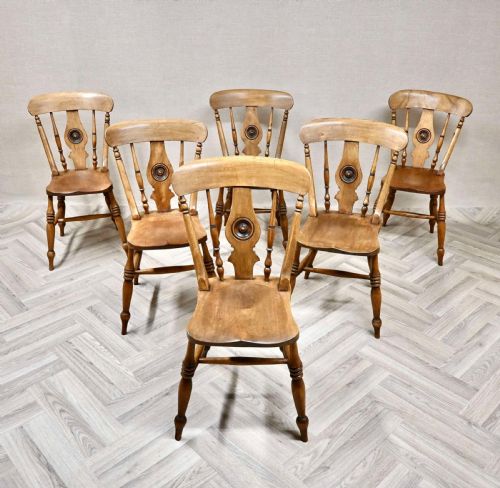
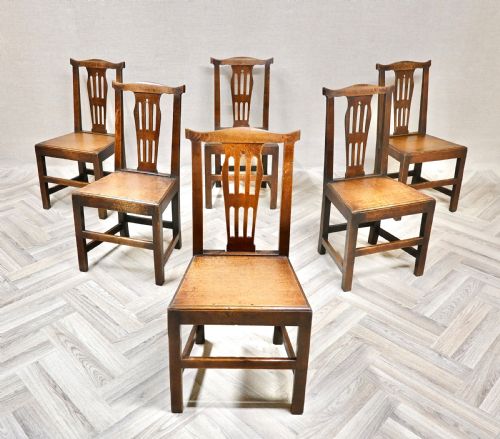
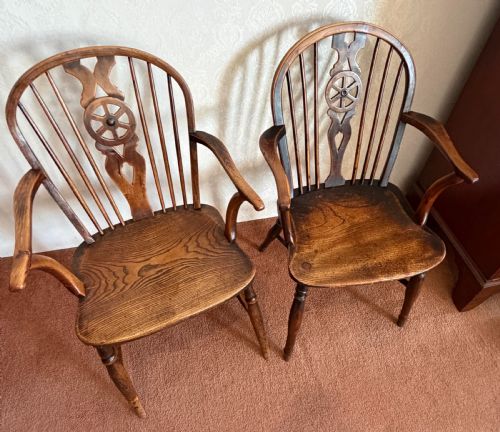
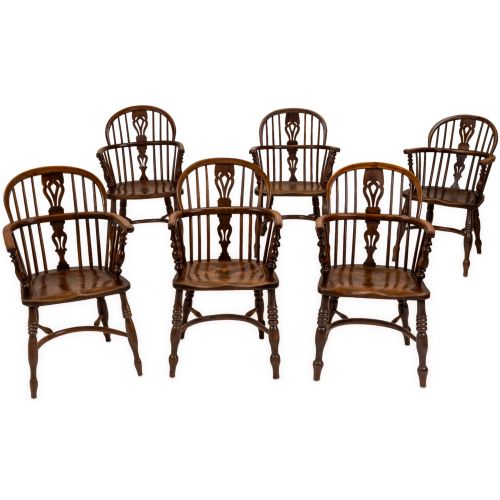
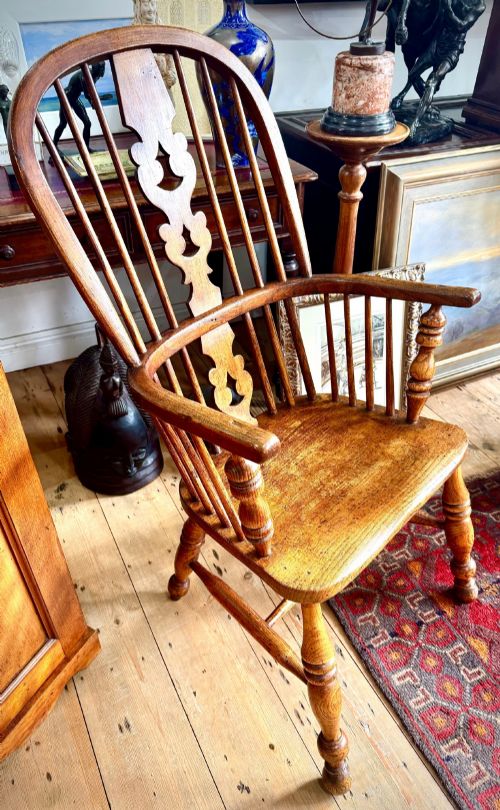
The version most commonly met on this page is the regional English country Windsor chair, frequently constructed with a combination of woods and featuring distinctive central back splats or spindles. They appear singly, in pairs, or in larger matched and harlequin sets suited for dining tables.
How they were made
Maker-craftsmen built these chairs using mixed timber construction, pairing durable seats carved from solid elm with bent ash or beech for hoops, arms, and bows. Yew and oak also appear in regional pieces, providing contrasting grains and structural resilience.
Turned legs and spindles lock into thick wooden seats using traditional wedged tenon joints, creating rigid frames designed to withstand heavy daily use without modern metal fasteners.
Splat Back Kitchen Chairs Retail Price Guide 2026
Typical asking prices for splat back kitchen chairs among the pieces listed under this phrase on Sellingantiques today, from the lower quarter to the upper quarter. They describe what is for sale here now, not the wider market.
What varies in quality
The quality of these chairs depends largely on the choice of timber and the ambition of the regional turning, distinguishing simple utility seating from master-built examples. Well-figured elm seats and elegantly sculpted crinoline stretchers elevate the standard of a piece far above basic workshop production.
Proportion and structural harmony also separate ordinary chairs from superior ones, as skilled makers balanced the rake of the legs with the curve of the comb or hoop back for optimal posture.
The Splat Back Kitchen Chairs Glossary
- Splat
- The central vertical wooden strip in the middle of a chair back, often shaped in vase or wheatsheaf outlines. It provides both structural support and decorative character.
- Windsor
- A traditional chair type featuring a solid wooden seat into which the legs and back spindles are directly bored. They evolved numerous regional styles including wheel backs and comb backs.
- Stretcher
- The horizontal wooden rods connecting the legs of a chair to provide rigidity. Crinoline stretchers curve upwards towards the back legs.
- Harlequin set
- A group of chairs collected to match in general style and period rather than originating as a single workshop set. They share vernacular traits while exhibiting minor variations.
Splat Back Kitchen Chairs: Frequently Asked Questions
Are these chairs comfortable for daily dining?
Yes, solid wood seats are shaped to body contours, though many owners add loose squab cushions for extended sitting.
Their robust construction handles everyday household use easily.
How do I date a kitchen Windsor chair?
Dating relies on observing wood species, turning styles on the legs, and the method of joining the arms to the seat. Earlier examples often employ yew and ash with simpler undercarriages.
Later Victorian and 20th-century pieces frequently show machine-turned components and standardised wheel backs.
Can I mix different styles around a table?
Mixing country chairs is historically accurate and common for farmhouse interiors. Harlequin sets of similar period woods create an authentic collected appearance.
Keeping a consistent seat height ensures comfort around the table.
How should I care for elm and ash timber?
Apply natural beeswax occasionally to nourish the dry wood and maintain the surface sheen. Avoid placing them near direct heat sources that could cause timber to split.
Regular dusting keeps the grain clear and preserves the antique finish.