

Spindle Back Arm Chair
A spindle back arm chair brings sturdy country craftsmanship and clean vertical lines into a room, offering both practical seating and traditional character.
Spindle Back Arm Chair
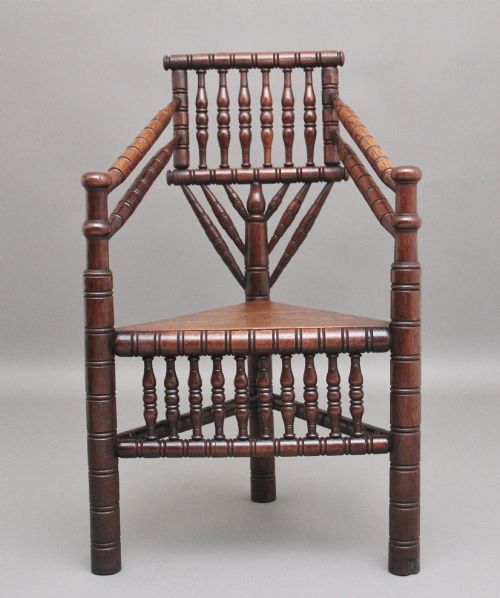
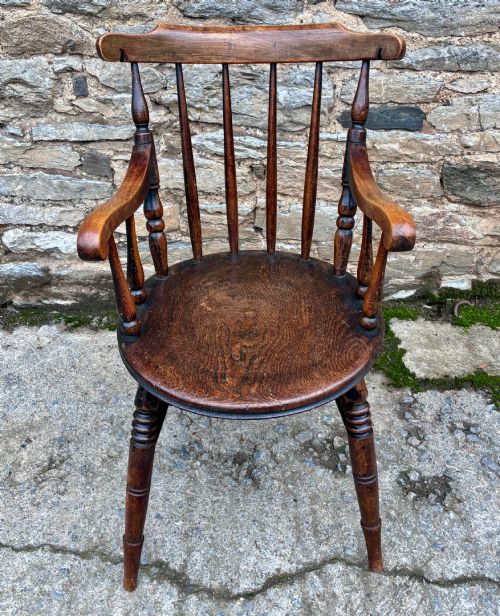
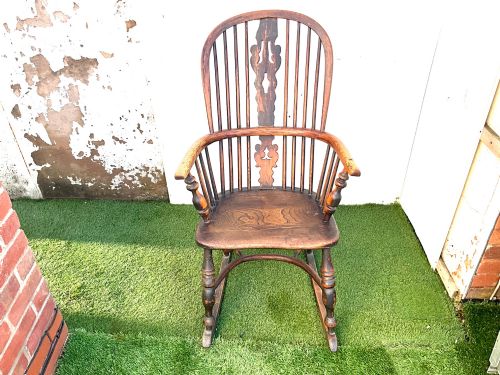
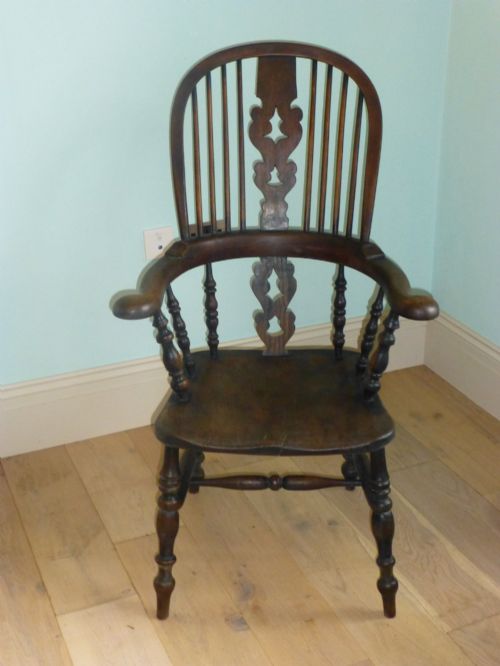
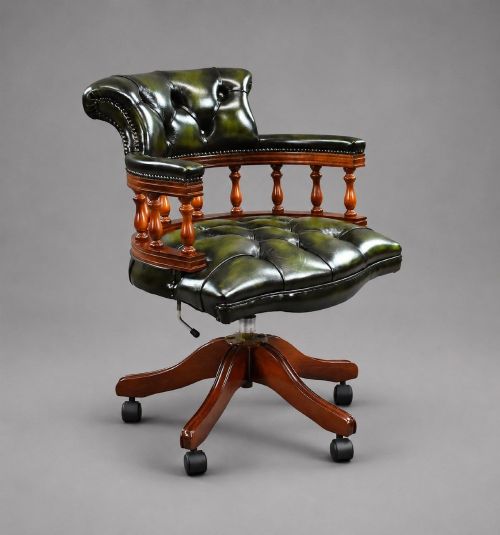
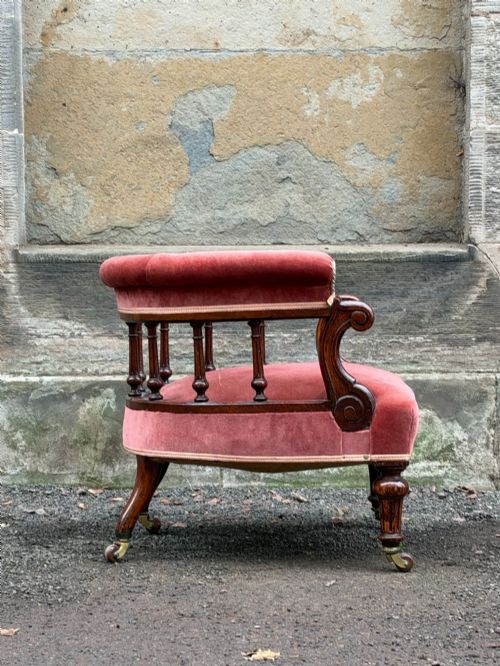
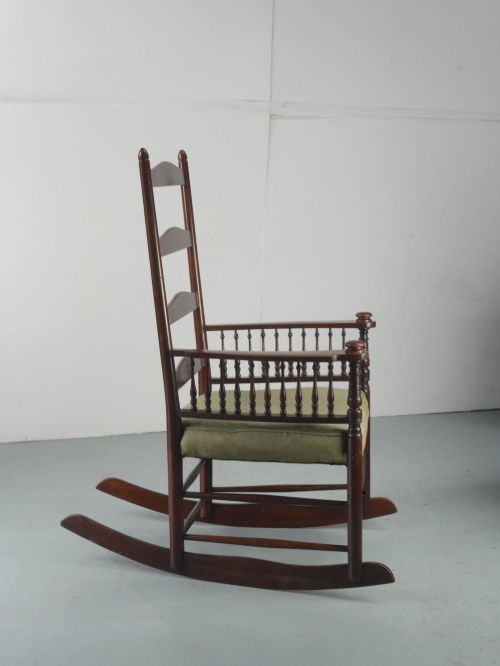
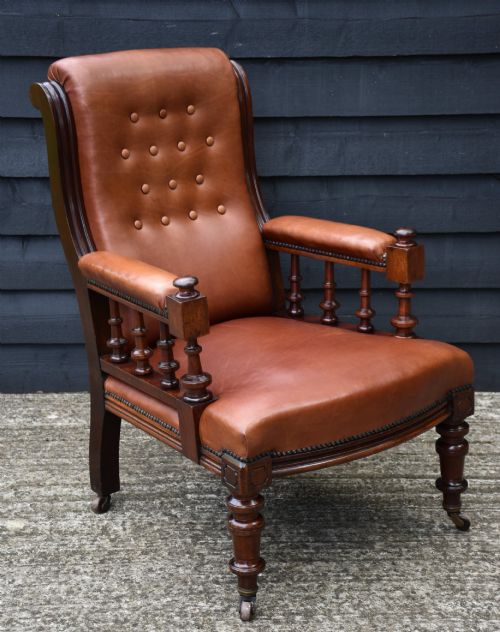
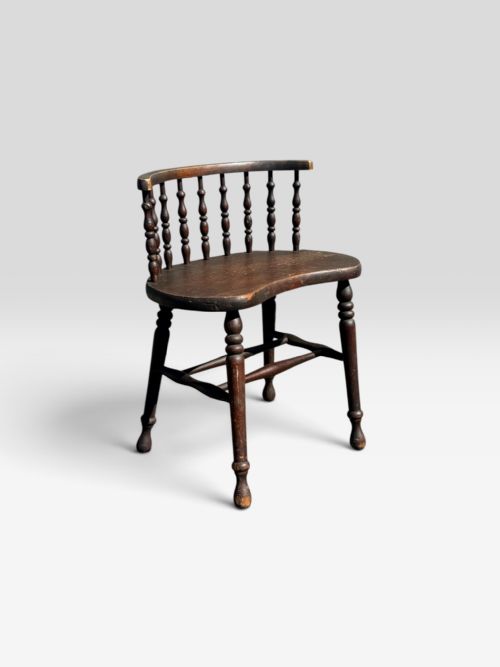
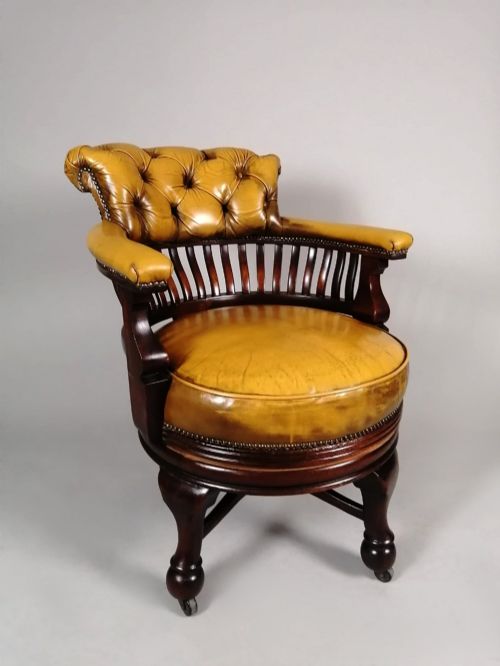
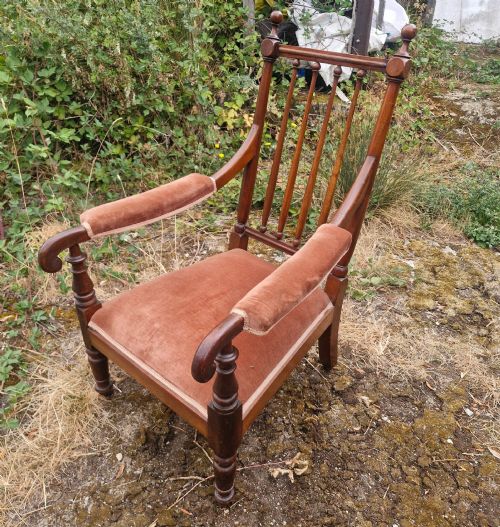
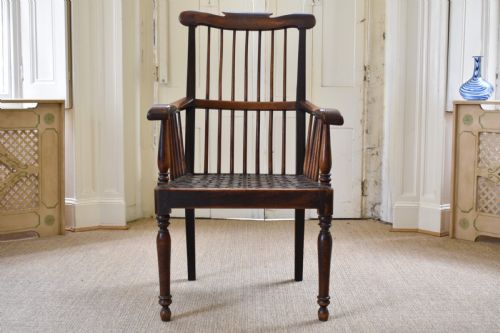
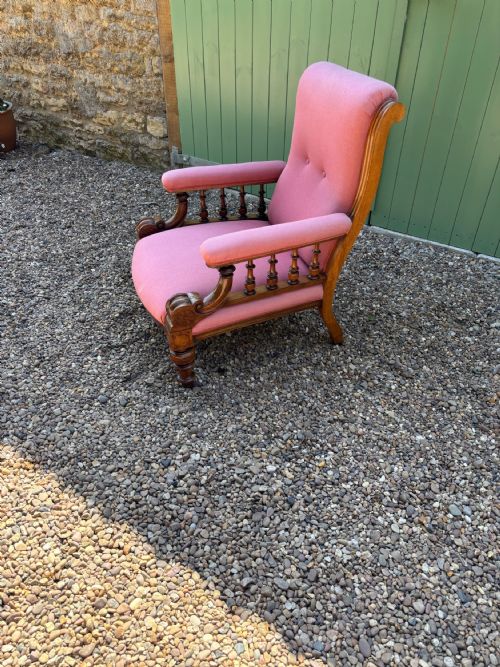
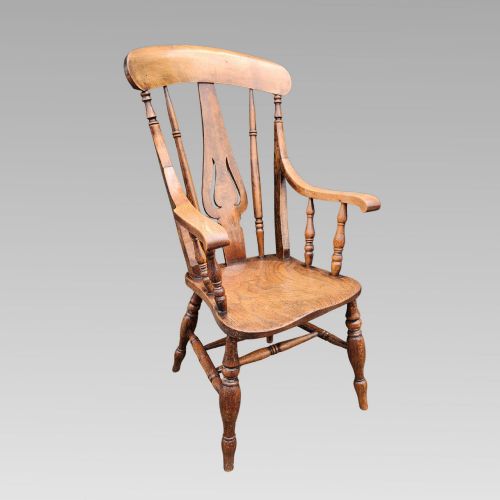
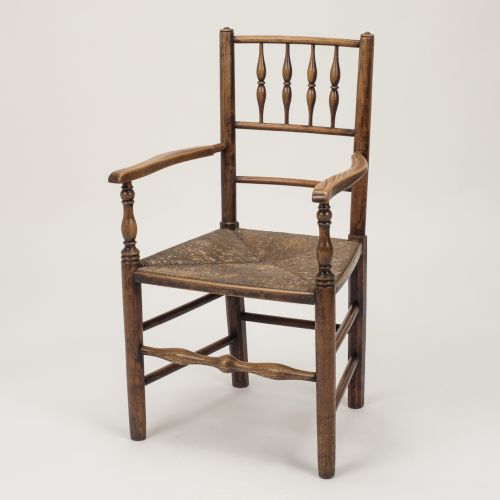
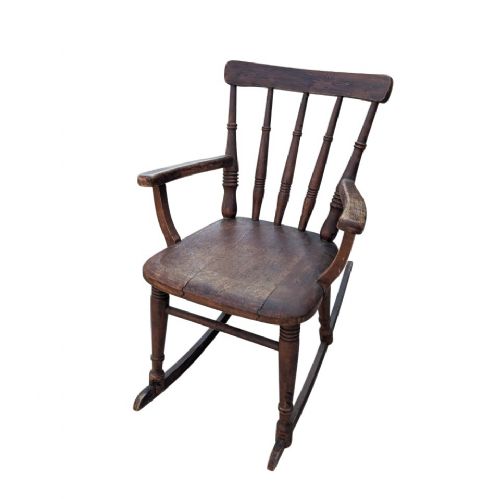
A buyer seeking a spindle back arm chair encounters various traditional forms, most commonly originating from the nineteenth century alongside pieces from the Edwardian era and the twentieth century. These include country farmhouse kitchen chairs, rocking chairs, and library armchairs rooted in English country and Victorian styles.
The selection ranges from robust Lancashire and Yorkshire regional armchairs to lighter Edwardian iterations and Windsor-style variations. Woods such as elm, ash, and beech frequently form the framework, sometimes paired with rush seats or upholstered cushions.
Materials and construction methods
Craftsmen built these chairs using native hardwoods such as elm, oak, ash, beech, and mahogany, often combining contrasting timbers within a single frame for strength and flexibility. Seats were fashioned from solid carved wood or woven from rush.
Joinery techniques relied on traditional methods like turned spindles fitted into drilled rails, steam-bent components for curved backs, and pegged joints. Leather upholstery and brass fittings occasionally augmented the wooden framework on library and office variants.
Spindle Back Arm Chair Retail Price Guide 2026
Typical asking prices for spindle back arm chair among the pieces listed under this phrase on Sellingantiques today, from the lower quarter to the upper quarter. They describe what is for sale here now, not the wider market.
Listings feature nineteen-century elm, ash, and oak timbers shaped into regional English country and Victorian spindle back designs.
Distinctions in craftsmanship and materials
Quality rests upon the selection of timber and the integrity of the structural joinery, where dense native hardwoods like elm and ash provide superior durability compared to softer alternatives. The precision of the turned spindles and the tightness of the joints determine the long-term stability of the frame.
Provenance and originality elevate certain pieces, particularly those retaining their original rush seats, surface finishes, or documented maker attributions. Subtle regional variations in turning and arm design also separate standard production pieces from finer regional examples.
John Taylor of Edinburgh·Liberty and Co·Morris and Co
The Spindle Back Arm Chair Glossary
- Spindle back
- A chair back constructed from a series of slender, vertical turned wooden rods fitted between horizontal rails.
- Rush seat
- A seating surface woven from dried marsh rushes, providing a flexible and traditional platform.
- Windsor
- A traditional wooden chair style featuring a solid sculpted seat into which the legs and back spindles are directly tenoned.
- Turned
- Shaped on a lathe to create decorative linear profiles along the wooden legs, arms, or spindles.
- Elm
- A tough, interlocking native hardwood frequently utilised for chair seats due to its resistance to splitting.
Spindle Back Arm Chair: Frequently Asked Questions
What periods do these chairs date from?
The available selection primarily spans the nineteenth century, including Victorian and Edwardian examples, alongside pieces from the Regency period and the early twentieth century.
Construction styles and timber choices generally align with these periods, reflecting both regional English country traditions and formal library designs.
Which woods were used for construction?
Makers utilised native hardwoods such as elm, ash, beech, oak, and mahogany, frequently combining different timbers for the seat, legs, and back spindles.
Rush was also employed for woven seats, while leather and fabric appeared on upholstered library and office chairs.
How do I identify a regional style?
Regional pieces often display distinct characteristics, such as the broad arms and sturdy proportions typical of Yorkshire and Lancashire workshop traditions.
Turned details and the shaping of the comb or spindle back further help differentiate West Country or northern English forms.