





Spelter Metal Statuettes
Spelter metal statuettes bring sculptural presence and decorative charm to a room, offering an accessible route into period figurative art.
Spelter Metal Statuettes
Spelter metal statuettes encompass decorative figures and allegorical sculptures produced from zinc alloy and cast metal. When you search for spelter metal statuettes, you encounter works spanning the Victorian era through to the modernist lines of the twentieth century.
Nineteenth-century examples lean towards classical subjects and Victorian Orientalist themes, while later pieces adopt the sleek geometry of Art Deco. These sculptural objects served as mantelpiece ornaments and cabinet figures in domestic interiors.
Materials and construction
Makers utilised zinc alloy, commonly known as spelter, cast into moulds to form the primary body of each statue. This softer metal allowed for intricate detailing of drapery, hair, and facial expressions without the high cost of bronze.
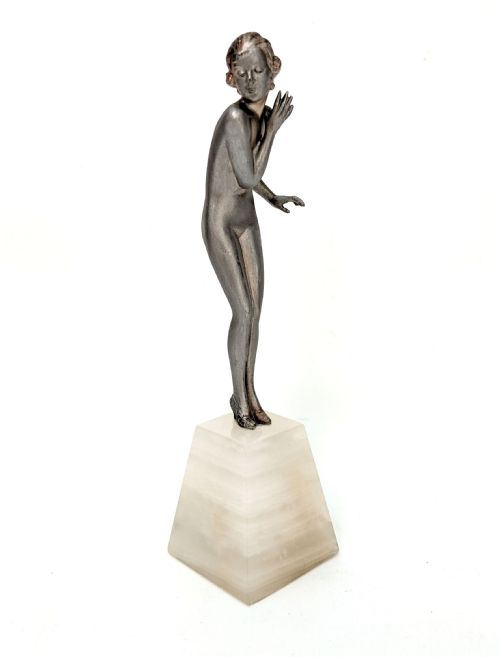
Many figures received a bronzed metal finish to imitate the appearance of traditional cast bronze. Bases were frequently turned from natural stone including marble, onyx, and alabaster to anchor the lighter metallic figures.
Spelter Metal Statuettes Retail Price Guide 2026
Typical asking prices for spelter metal statuettes among the pieces listed under this phrase on Sellingantiques today, from the lower quarter to the upper quarter. They describe what is for sale here now, not the wider market.
Shakespeare's jolly tavern knight Falstaff stands immortalised in spelter, ready to debate honour from the mantelpiece.
Qualities of craftsmanship
The choice of base material influences the overall substance of the piece, with dense natural stone plinths providing better balance. Applied patination and surface finishes also vary, ranging from simple metallic paint to nuanced bronzing.
Josef Lorenzl
The Spelter Metal Statuettes Glossary
- Spelter
- A zinc alloy used as a cost-effective alternative to bronze for nineteenth and twentieth-century decorative figures. It is softer than bronze and typically finished with a patinated coating.
- Alabaster
- A fine-grained, translucent stone utilised for carving decorative bases and architectural ornaments. It provides a pale, smooth contrast to dark metallic figures.
- Onyx
- A banded variety of chalcedony employed for polished statuary bases. Its natural veining adds varied colour and weight to sculptural displays.
- Patination
- The surface treatment or artificial ageing applied to metal to simulate bronze or create specific colour tones. It enhances the visual depth of cast details.
- Allegorical figure
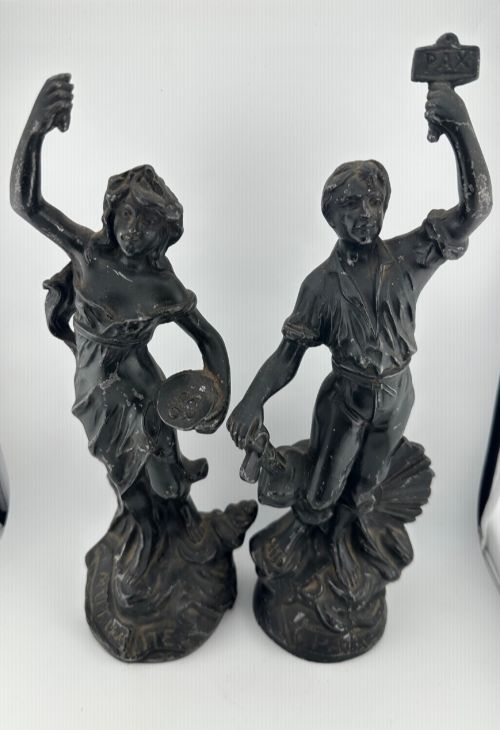
- A symbolic sculpture representing an abstract idea such as peace or mutual aid through human form. These subjects were popular in French decorative arts.
Spelter Metal Statuettes: Frequently Asked Questions
What is spelter metal?
Spelter is a zinc-based alloy that gained popularity during the nineteenth and twentieth centuries for decorative sculptures and household ornaments. It served as an economical substitute for bronze while permitting similar levels of fine detail in casting.
The metal is relatively soft and lightweight compared to bronze, which led makers to mount figures on heavier stone bases. Most pieces were given surface patination or a bronzed finish to enhance their appearance.
How do I clean my statuette?
Maintenance requires only a gentle wipe with a dry, soft cloth to remove accumulated dust. Avoid using water, abrasive cleaners, or chemical polishes, as these can strip the applied patination from the metal.
Stone bases such as onyx or marble should also be treated with care using a dry cloth. Excessive handling can wear the surface finish over time, so placement in a stable environment is ideal.
Are these figures solid bronze?
These pieces are cast from zinc alloy rather than copper-based bronze. While they often feature a dark metallic or bronzed coating to mimic true bronze, the underlying metal is lighter and softer.
Examining the underside or any areas of wear will usually reveal the paler grey metal beneath the surface finish. This distinction reflects the manufacturing methods common in commercial decorative art of the period.
How do I date an Art Deco piece?
Art Deco statuettes from the interwar period typically feature streamlined silhouettes, stylised drapery, and modernist motifs. Figures of dancers and female nudes mounted on geometric onyx or alabaster bases are characteristic of the nineteen-thirties.
Signatures inscribed directly into the metal or marked foundry details can also help pinpoint the origin. The aesthetic vocabulary of this era departed sharply from earlier Victorian ornamentation.