



French Metal Statues Pair
French metal statues pair selections bring classical animalier studies, allegorical figures and bold architectural table ornaments into domestic interiors.
French Metal Statues Pair
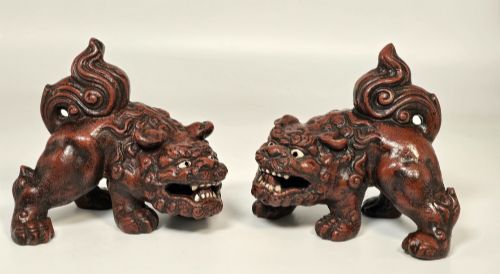
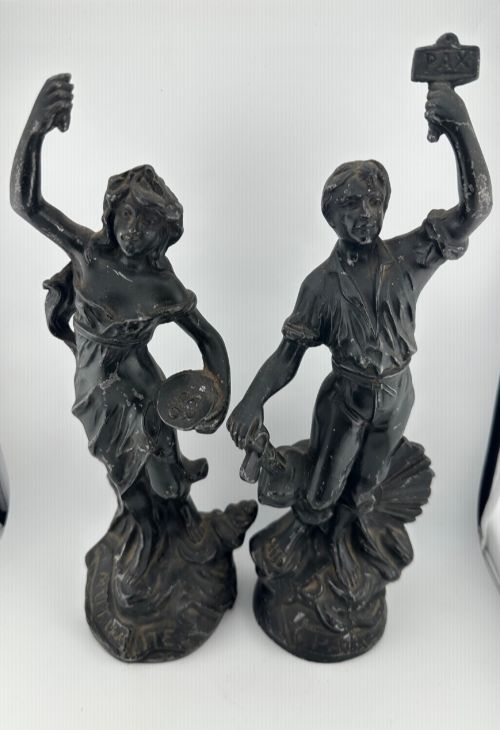
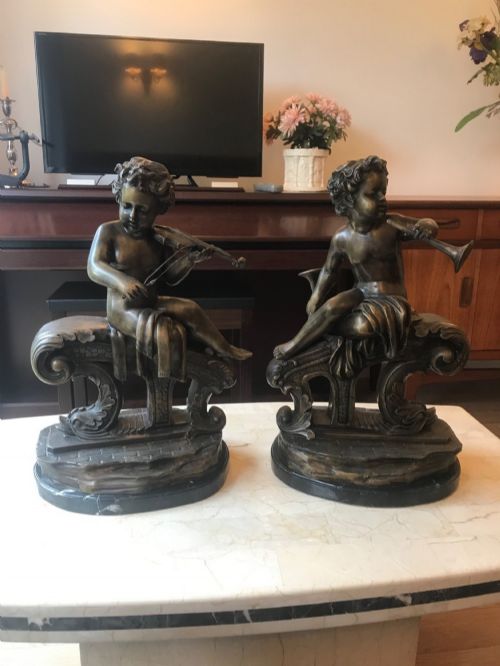
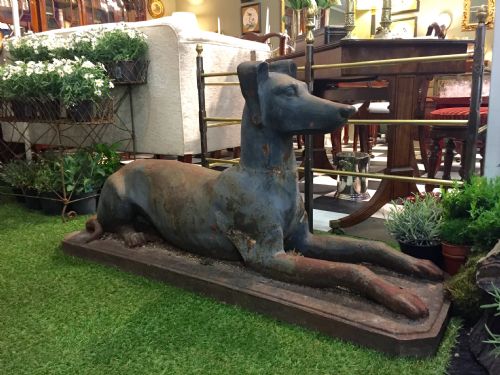
A french metal statues pair encompasses matching figural sculptures, allegorical groups and utilitarian objects cast in bronze, spelter, zinc alloy and cast iron. These matched sets frequently emerge from nineteenth century and early twentieth century French workshops, taking forms such as greyhounds, whippets, cherub musicians, soldiers and cavalier figures.
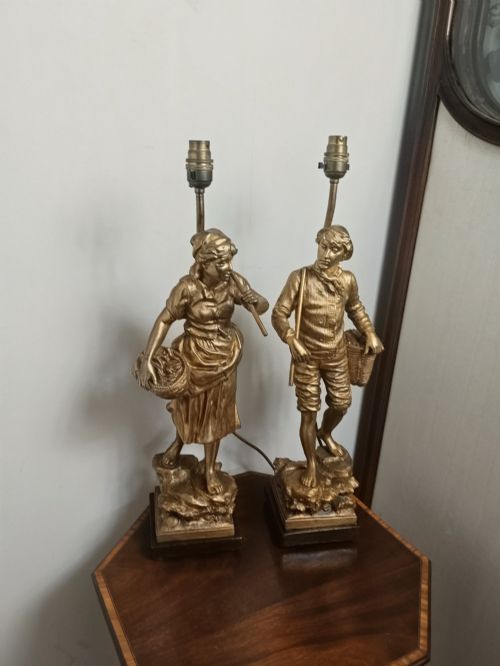
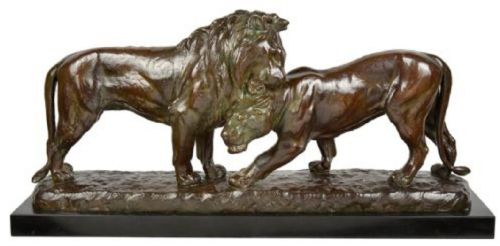
The objects serve decorative and functional roles across domestic spaces, appearing as mantel garnitures, table lamps, candlesticks and bookends. Animal studies, particularly poodles, lions and golden pheasants, sit alongside mythological and romantic subjects influenced by Rococo Revival and Art Deco movements.
Spelter and bronze dominate the surviving material record, often paired with marble bases or finished in gilt and patinated tones. Buyers encounter both monumental garden statues and intimate cabinet sculptures designed as symmetrical pairs.
Materials and casting methods
Foundries utilised traditional metal casting techniques, pouring molten bronze, spelter, zinc alloy or cast iron into detailed moulds. Bronze provided enduring strength for intricate anatomical and facial details in animalier and figural works.
Spelter, an inexpensive zinc-based alloy, allowed makers to produce ornamental figures with sharp relief before applying metallic paints, bronzing or gilt finishes. Marble served as supportive plinths for heavy metal sculptures, while wood provided structural bases for specific bookends and lamp mounts.
French Metal Statues Pair Retail Price Guide 2026
Typical asking prices for french metal statues pair among the pieces listed under this phrase on Sellingantiques today, from the lower quarter to the upper quarter. They describe what is for sale here now, not the wider market.
Listings feature items spanning the Victorian era through the 1960s, executed in materials including spelter, bronze, cast iron and marble.
Assessing craftsmanship and finish
The refinement of the chasing and hand-finishing after the casting process distinguishes finer sculptures from standard production pieces. Superior works exhibit crisp feather, fur and fabric textures that retain depth without softness.
The integrity of the original patination or gilding dictates the visual success of the surface, with aged bronze developing a rich natural tone while applied finishes on spelter vary in durability and adhesion.
E Rousseau·Emile-Coriolan Guillemin·Charles Cumberworth·Louis Riche·Henri Jaquesmart
The French Metal Statues Pair Glossary
- Spelter
- A zinc-based alloy widely used in nineteenth century French sculpture as an economical alternative to bronze. It accepts patination and metallic paint finishes readily.
- Animalier
- A nineteenth century sculptural style focusing on the realistic depiction of animals. Artists rendered creatures such as greyhounds, whippets and lions with careful anatomical observation.
- Gilt
- A thin layer of gold or gold-like material applied to the surface of metal figures. This finish provides a bright decorative sheen to lamps and allegorical groups.
- Garniture
- A set of matching ornamental objects designed to be displayed together on a mantelpiece or sideboard. Pairs of candlesticks or figures frequently form part of these decorative arrangements.
- Patina
- The surface coloration and sheen developed naturally through age or applied artificially by the foundry. It enhances the visual depth of bronze and cast metal.
French Metal Statues Pair: Frequently Asked Questions
What is spelter?
Spelter is a zinc alloy that sculptors used during the nineteenth and early twentieth centuries to cast figures and decorative objects.
It is lighter and softer than bronze, often finished with a dark patina or gilt coating to mimic more expensive metals.
How should I clean metal sculptures?
Dust metal surfaces gently with a soft, dry cloth to prevent the accumulation of dirt within intricate crevices.
Avoid chemical polishes and water, which can strip historic patination or damage applied gilt and painted finishes.
Where were these pairs displayed?
Original owners placed matched pairs across mantelpieces, entrance halls and drawing rooms as symmetrical decorative focal points.
Many functioned simultaneously as practical items, including table lamps, candlesticks and bookends.
How do I identify the period?
Stylistic indicators such as Art Deco geometric lines, Rococo Revival curves or Victorian romanticism help date individual castings.
Foundry marks, signatures and base materials also offer clear clues to the decade of production.