

Antique Mantelpiece Statues
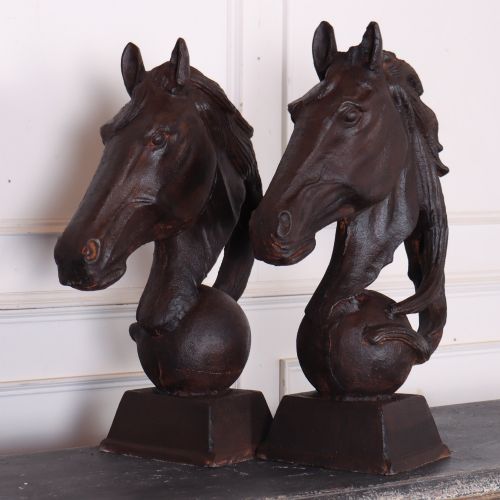
These antique mantelpiece statues bring domestic animalier bronzes, porcelain figures and classical busts into a room with character.
Antique Mantelpiece Statues
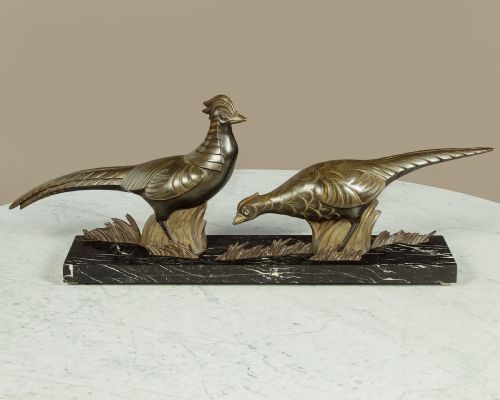
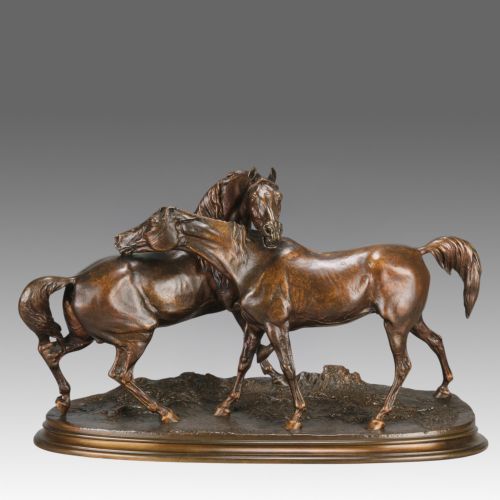
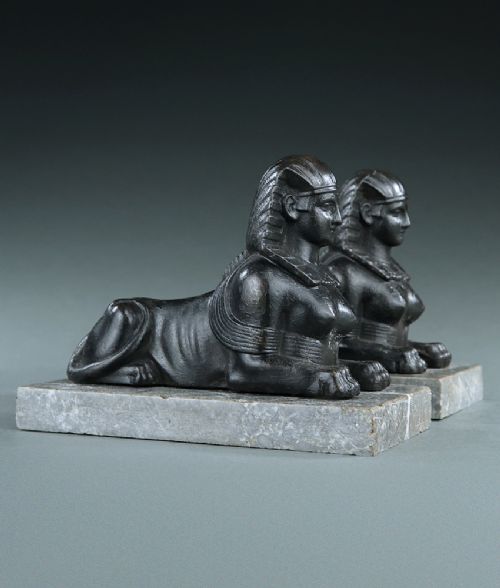
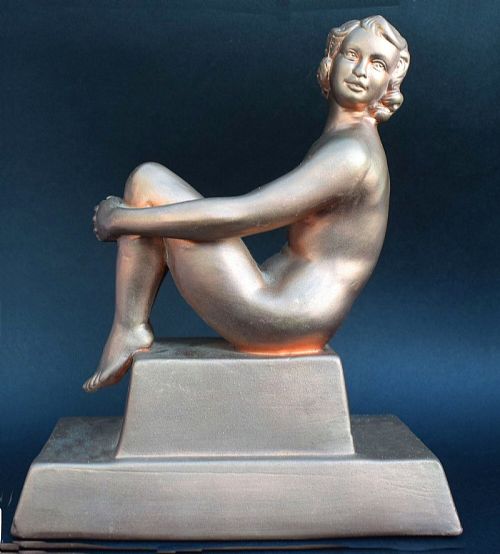
When you search for antique mantelpiece statues, you encounter sculptural objects designed to sit upon chimney shelves, ledges and clock plinths. The selection spans 19th Century Victorian earthenware pairs, French animalier bronzes and Art Deco athletic figures.
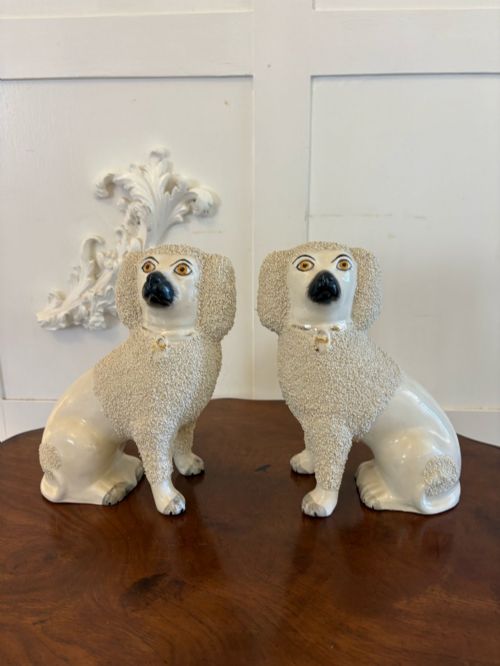
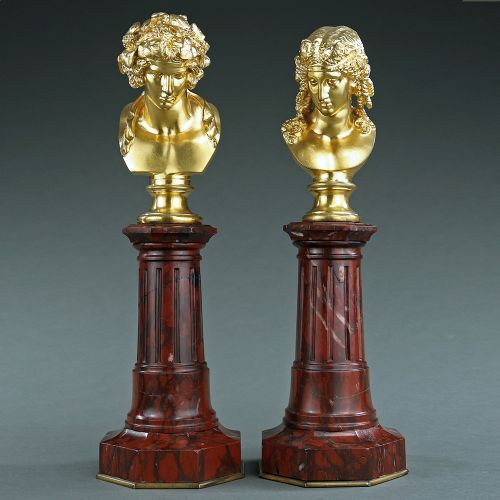
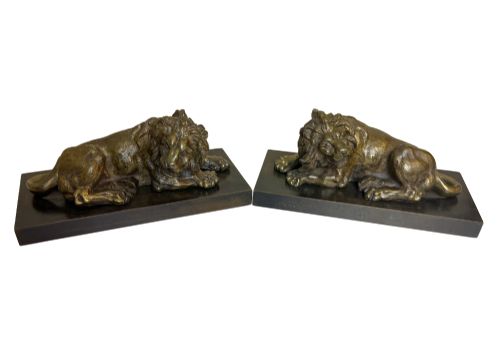
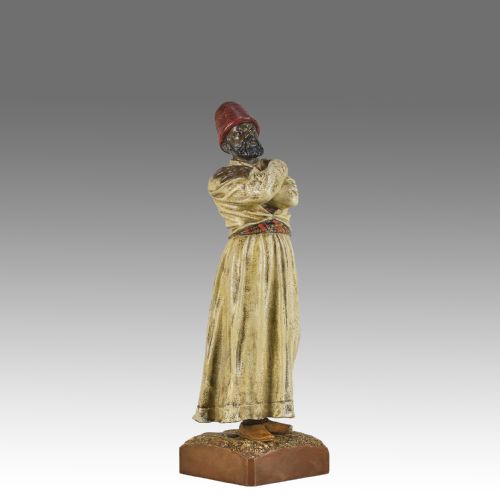
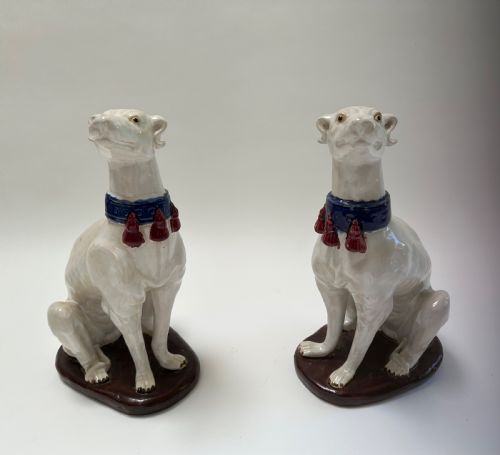
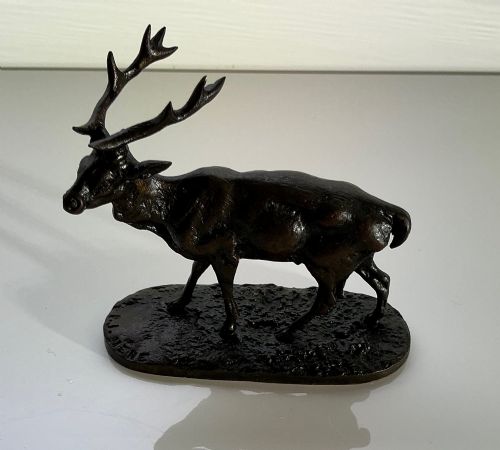
You meet earthenware Staffordshire dogs and poodles alongside bronze lions, cold-painted figures and marble-based spelter groups. The forms range from portrait busts of historical figures to mythological characters and naturalistic wildlife.
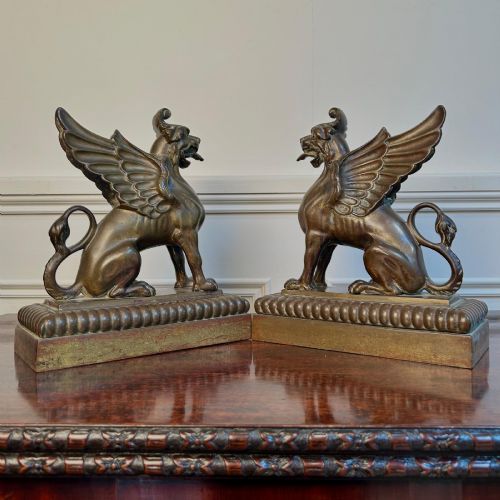
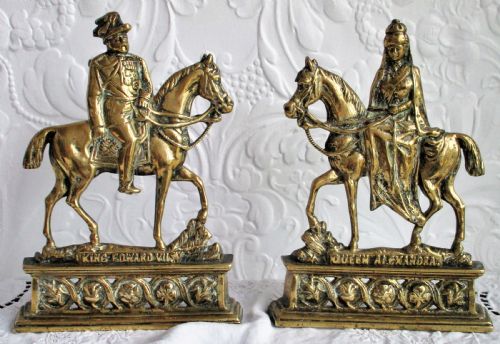
The origins stretch across English potteries, French foundries and continental porcelain manufactories. Many survive as matching pairs intended to flank a central clock or ornament on a Victorian hearth.
Materials and Construction
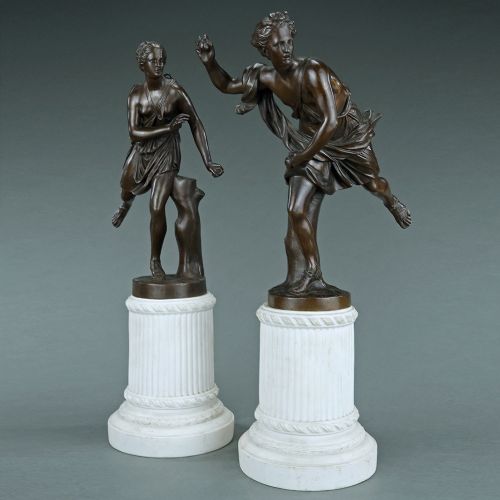
Foundries produced metal examples by casting bronze, brass, copper and spelter, often finishing them with cold-painting, gilding or dark patination. Bronze castings required meticulous lost-wax methods to capture anatomical detail in subjects like lions and stags.
Potteries shaped earthenware, porcelain and ceramic bodies by hand or in moulds before applying glazes, enamels and underglaze painting. Figures made in factories such as Volkstedt and Royal Dux received careful hand-finishing.
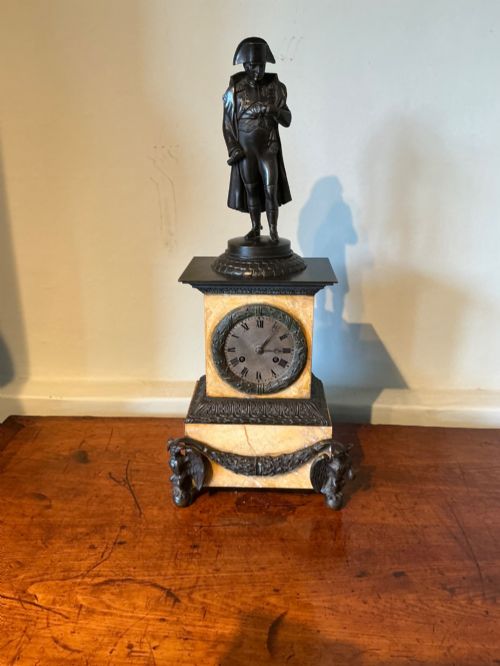
Carvers shaped white marble, sienna marble, alabaster and onyx to serve as heavy architectural bases for metal figures and clock movements. These stone plinths provided stability and a formal contrast to the metallic or ceramic sculptures above.
Staffordshire poodles occasionally sport clay crumbs baked into their fur from busy Victorian kilns.
Distinctions in Execution
Ceramic quality rests in the hand-painting and modelling of earthenware and porcelain figures, distinguishing lively expressions from mechanical factory decoration. Superior Staffordshire pottery and continental porcelain display confident brushwork and secure glazing.
The integration between sculpture and base separates standard productions from ambitious works. Fine pieces utilise heavy marble or onyx plinths fitted precisely to the contours of the bronze or ceramic subject.
Barbedienne·P J Mêne·Franz Bergman·Emile-Coriolan Guillemin·Edouard Drouot·Volkstedt Richard Eckert·Royal Dux
The Antique Mantelpiece Statues Glossary
- Animalier
- Art depicting animals, particularly popular in nineteenth-century French sculpture. Artists such as P J Mêne specialised in this naturalistic genre.
- Spelter
- A zinc alloy commonly utilised as a less expensive alternative to bronze for Victorian and Art Deco figures. It takes patination well to resemble heavier metals.
- Cold-painted
- A method where paint is applied to metal sculptures without subsequent kiln firing. This technique requires careful preservation to prevent flaking over time.
- Grand Tour
- Cultural travel undertaken by nineteenth-century elites who acquired small bronzes and classical busts as souvenirs. These miniature sculptures often represented mythological figures or ancient architecture.
- Staffordshire pottery
- Earthenware figures produced in English regional potteries, frequently taking the form of paired dogs, lions and historical personages. They were moulded in quantity for domestic mantelpieces.
Antique Mantelpiece Statues: Frequently Asked Questions
How do I clean antique bronze figures?
Dust bronze sculptures gently with a dry, soft brush to prevent the accumulation of abrasive particles in crevices. Avoid commercial metal polishes, which can strip historic patination from the surface.
Apply a very thin layer of microcrystalline wax if the metal requires protection against moisture. Buff the surface lightly with a clean cloth after application to maintain the intended sheen.
Were these statues always made in pairs?
Many mantelpiece ornaments were produced as balanced pairs to create symmetry on either side of a fireplace or central clock. Staffordshire dogs, bronze lions and spelter soldiers frequently survive in these original matched sets.
Other sculptures, particularly large Art Deco nudes or animalier bronzes, were created as single statement pieces. These standalone works were designed to command attention on a wide shelf or mantel without a counterpart.
How can I tell spelter from bronze?
Spelter is significantly lighter than bronze and has a softer composition that can sometimes show grey metal beneath worn paint or patination. It was a common substitute in decorative nineteenth-century objects.
Bronze is heavier, colder to the touch and rings with a clearer tone when lightly tapped. It maintains its structural integrity and patination far better than zinc-based alloys.
Where should I place them in a modern room?
Position these figures on stable, level surfaces away from direct heat sources and strong sunlight that might fade cold-painted finishes. Traditional mantelpieces, console tables and sturdy bookshelves provide secure platforms.
Ensure ceramic and marble pieces sit out of high-traffic areas where accidental knocks might occur. Heavier stone-based sculptures require surfaces capable of supporting substantial weight.