



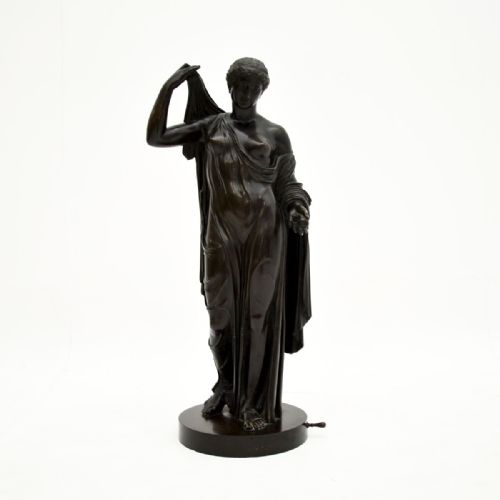
Neoclassical Bronzed Sculptures
Neoclassical bronzed sculptures capture the enduring fascination with antiquity, bringing classical mythology and imperial portraiture into nineteenth-century interiors.
Neoclassical Bronzed Sculptures
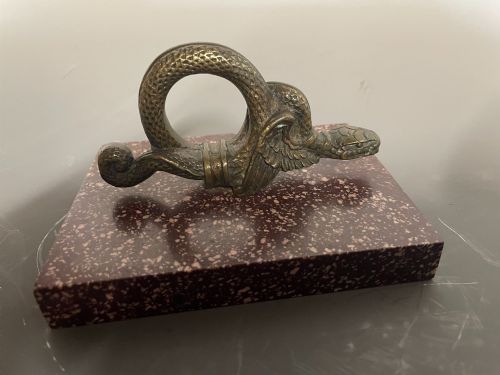
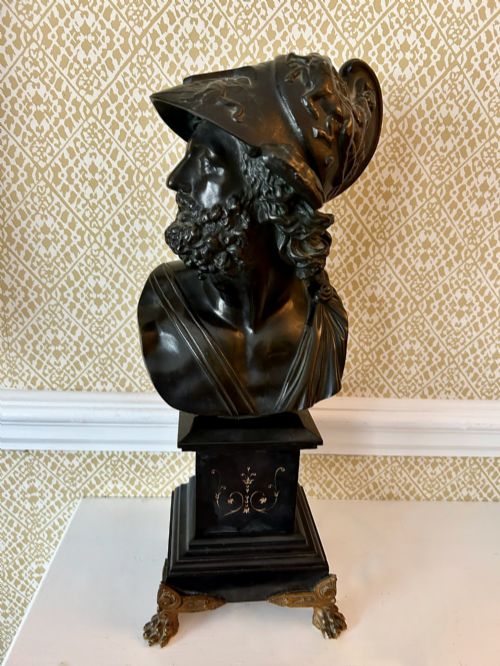
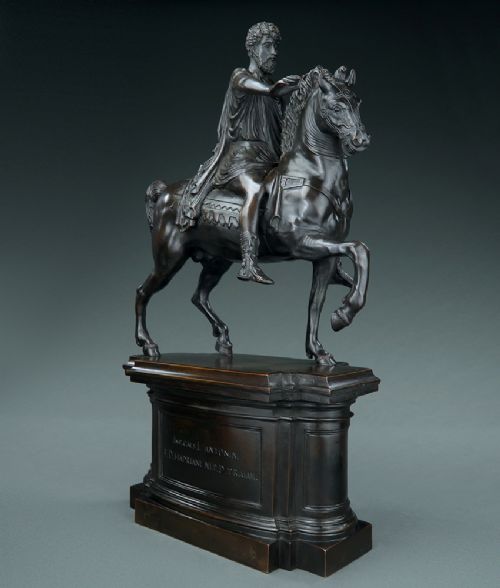
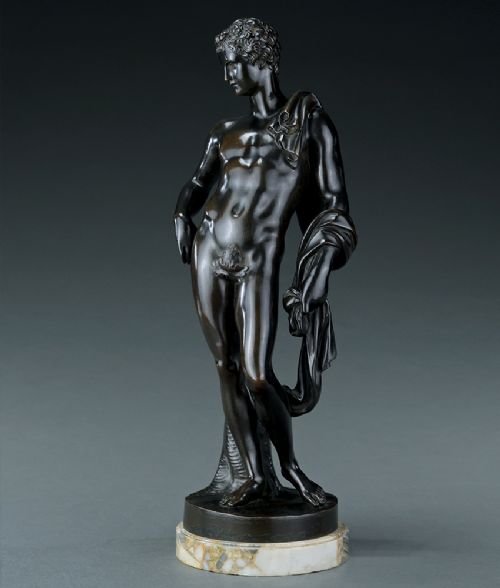
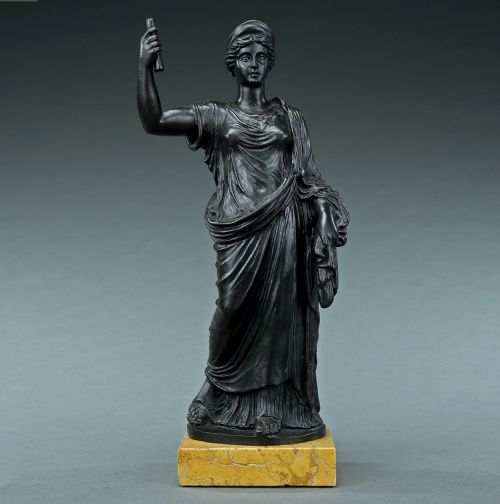
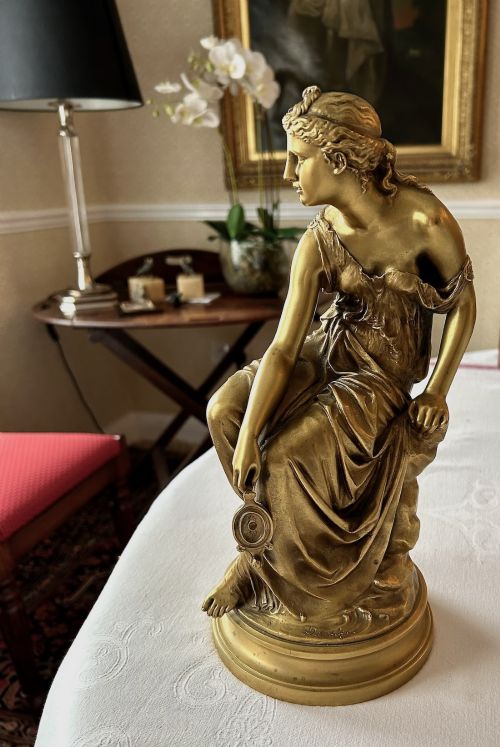
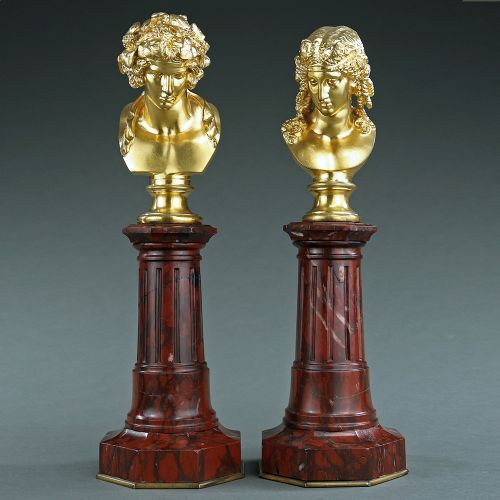
These pieces encompass figural bronzes, portrait busts, and Grand Tour souvenirs derived from ancient Greek and Roman models. Collectors encounter mythological subjects, literary figures, and architectural reductions originating predominantly from nineteenth-century French and Italian workshops.
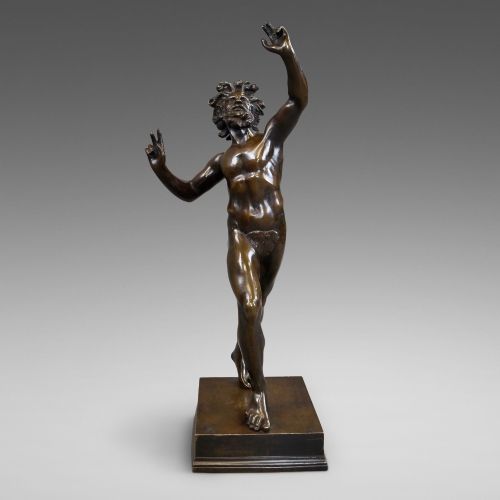
Grand Tour pieces reflect the educational travels undertaken by affluent Britons across Europe. These smaller bronze studies allowed travellers to bring classical antiquity home.
Materials and Casting
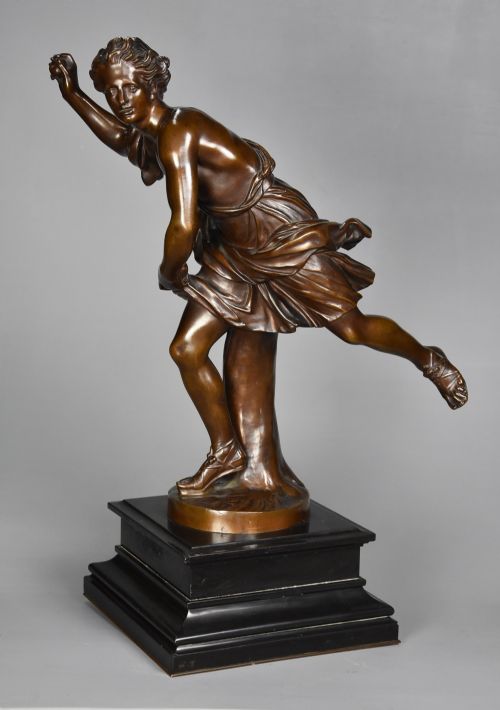
Foundries utilised the lost-wax casting method or sand casting to achieve fine detail in metal. The resulting bronze and brass figures received patination treatments, ranging from deep brown tones to verdigris.
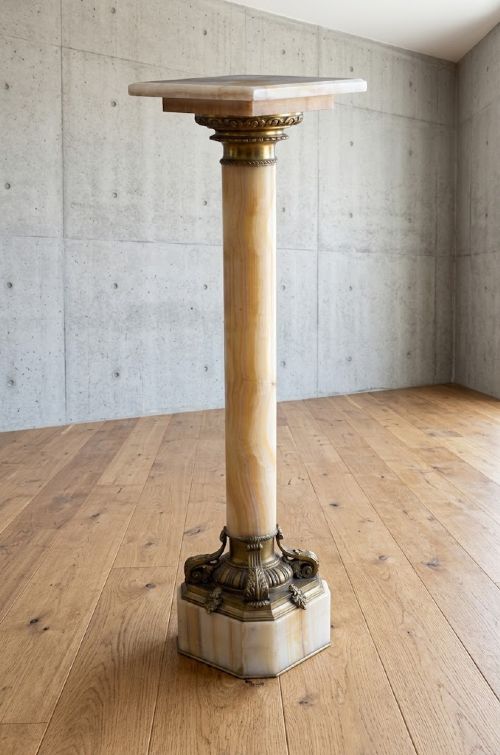
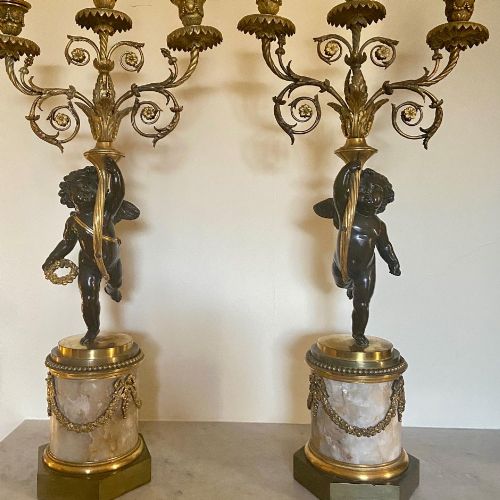
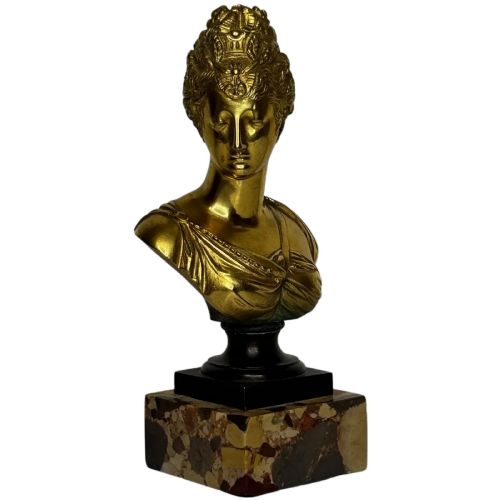
Gilt bronze and ormolu applications provided contrasting golden highlights on mounts, candelabra, and collars. Secondary elements incorporate carved marble bases, ebonised wood, and fluorspar.
Look closely for miniature bronze centaurs and dancing fauns bringing ancient mischief to the Victorian study.
Quality and Execution
The choice and density of the supporting stone plinth indicate the grade of the piece. Matching patination and clean joints between the bronze figure and its marble base denote careful construction.
Etienne-Henri Dumaige·Ferdinand Barbedienne·Francois Redmond·Coustou·Émile Louis Picault·Carrier-Belleuse·Jean Antoine Houdon
The Neoclassical Bronzed Sculptures Glossary
- Grand Tour
- A traditional trip of Europe undertaken by upper-class European young men of sufficient means. These journeys resulted in the acquisition of classical souvenirs.
- Ormolu
- Ground metallic gold applied to an object of bronze. This technique creates a rich golden finish common on nineteenth-century mounts.
- Patinated bronze
- Metal treated with chemical solutions to produce a specific surface colour. Dark brown or greenish finishes protect the bronze and define sculptural contours.
- Spelter
- A zinc alloy used as a less expensive alternative to bronze. It often mimics the appearance of heavier metal after receiving a bronze-coloured coating.
Neoclassical Bronzed Sculptures: Frequently Asked Questions
What are Grand Tour bronzes?
Grand Tour bronzes are small-scale replicas of ancient statues collected by travellers in Italy during the eighteenth and nineteenth centuries.
They served as portable reminders of classical art and classical education, displayed on libraries and mantelpieces across Britain.
How do I identify a cast?
Examine the surface under a strong light to check for crispness in the chiselling and finishing work. Fine lines in hair and drapery indicate careful post-casting intervention by skilled hands.
Inspect the underside for fixing nuts, threaded bolts, and the grain of the metal to understand the age of the construction.
Why are marble bases used?
Marble plinths provide visual weight and stability to slender bronze figures. They echo the architectural context of ancient temples and columns.
Different stones such as Siena marble or white marble help date the mount by matching prevailing nineteenth-century tastes.
How do I care for bronze?
Dust the surface regularly with a soft, dry brush to prevent particulate accumulation. Avoid using chemical polishes that can strip the original historical patina.
Maintain stable room humidity to protect both the metal surface and any associated stone bases from moisture damage.