




Spelter Female Figure
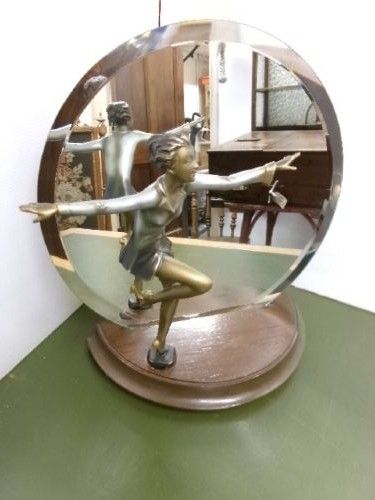
A spelter female figure brings the bold lines of Art Deco and the flowing curves of Art Nouveau straight into a room.
Spelter Female Figure
A spelter female figure embodies the decorative sculpture and functional lighting of the late nineteenth and early twentieth centuries. Collectors meet these pieces primarily in Art Deco and Art Nouveau styles, spanning periods from the late nineteenth century through the nineteen-thirties.
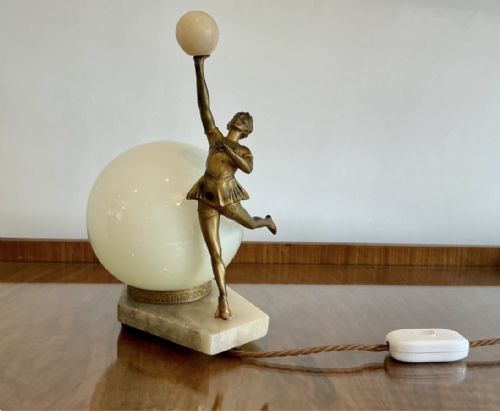
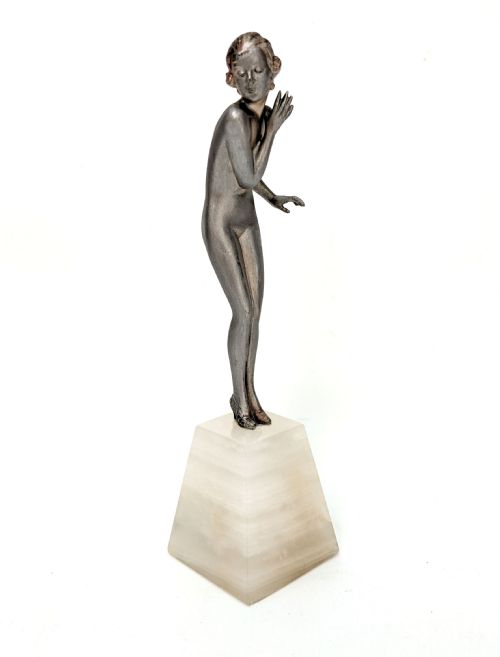
The selection ranges from standalone sculptures and figurines to complex functional objects like table lamps, table lighters, pin dishes, and table mirrors. French origin dominates the tradition, often pairing the central metal subject with substantial bases made from marble, onyx, or alabaster.
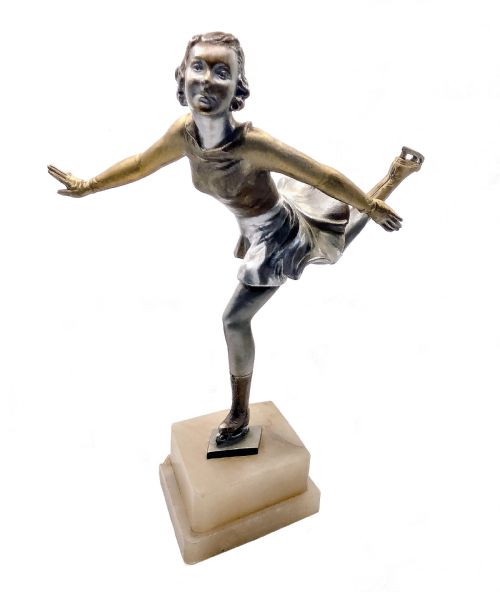
Figures frequently depict dancers, skaters, and allegorical subjects such as mothers and children or female models. Makers and sculptors like Josef Lorenzl, Auguste Moreau, and Geo Maxim appear among the documented pieces.
Materials and construction
Spelter forms the primary metal body of these works, cast to capture intricate details in human form and drapery. Artisans frequently finished the base metal with cold paint, silvering, or patinated metal surfaces to emulate bronze or create distinct polychrome effects.
Makers anchored these relatively soft metal sculptures onto heavy stone supports, mounting them on bases of marble, onyx, or alabaster for stability and visual contrast. Certain pieces incorporate glass elements, such as torchere shades or mirrors, alongside components fashioned from wood or ivorine.
Listings feature periods spanning from the nineteenth century through the nineteen-thirties, dominated by Art Deco and Art Nouveau styles.
Distinctions in quality
Quality rests heavily on the crispness of the casting and the preservation of the original surface finish, whether cold-painted or patinated. Sculptures that retain their applied colours and show sharp facial expressions and garment folds stand distinctly apart from worn examples.
The choice and integration of the mounting base significantly influence the overall standard of a piece. Finer examples feature substantial, beautifully figured marble, onyx, or alabaster plinths that complement the dynamic posture of the dancer or lady above.
Josef Lorenzl·Auguste Moreau·Geo Maxim
The Spelter Female Figure Glossary
- Spelter
- An alloy primarily composed of zinc, used extensively as a cost-effective alternative to bronze for decorative figures and lamps. It takes fine casting details well but requires a protective surface finish.
- Patinated metal
- A chemically or organically induced surface finish that alters the colour of the metal to resemble aged bronze. It provides both aesthetic depth and a layer of protection.
- Onyx
- A banded variety of chalcedony quartz frequently utilised for lamp bases and sculptural plinths. Its translucent layers offer a polished, decorative foundation for metal figures.
- Torchere shade
- A decorative glass shade designed to hold a light source upward, often integrated into large figural lamps. These shades complete the illumination function of Art Deco lighting pieces.
Spelter Female Figure: Frequently Asked Questions
How do I clean a spelter figure?
Dust the surface gently with a soft, dry brush to protect the delicate patination or cold-painted finish. Avoid using water, liquid cleaners, or chemical solvents that can strip the applied colours.
Ensure the surrounding stone base, whether marble or onyx, is wiped with a damp cloth only when necessary, keeping moisture well away from the metal body.
Were these figures originally lamps?
Many pieces were cast strictly as standalone sculptures, figurines, or pin dishes without any electrical components. Others were specifically designed from the outset as table lamps, incorporating fittings and torchere shades.
Sculptures and lamps share similar stylistic traits, so examining the base and internal structure reveals whether a piece was adapted later or created as lighting.
How do I distinguish Art Deco from Art Nouveau?
Art Nouveau pieces, originating around the turn of the twentieth century, feature flowing, asymmetrical lines inspired by natural plant forms and sweeping hair. Figures from this period often present softer, more romantic drapery.
Art Deco works from the nineteen-twenties and thirties embrace geometric patterns, stylised linear postures, and sharp angles. Dancers and skaters dominate this later geometric aesthetic.
Why are these figures mounted on stone?
Spelter is a softer, lighter metal than bronze, requiring a heavy foundation to maintain balance and stability. Mounting the figures on thick blocks of marble, onyx, or alabaster prevents them from tipping over.
These stone bases also enhance the visual presentation, anchoring the metallic sheen of the figure with polished, variegated natural minerals.