



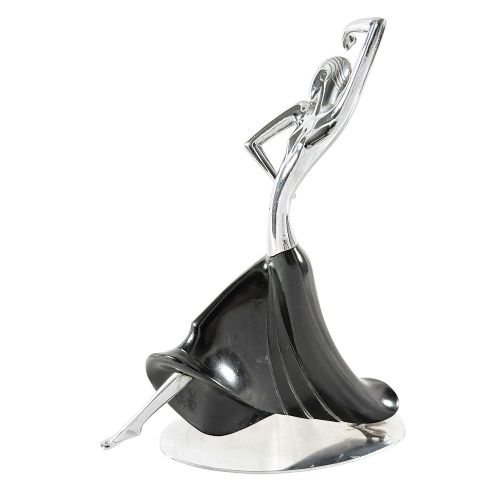
Vintage Lady Statue
A vintage lady statue brings the elegance of past decades into a room, spanning delicate porcelain figurines to dramatic metal sculptures.
Vintage Lady Statue
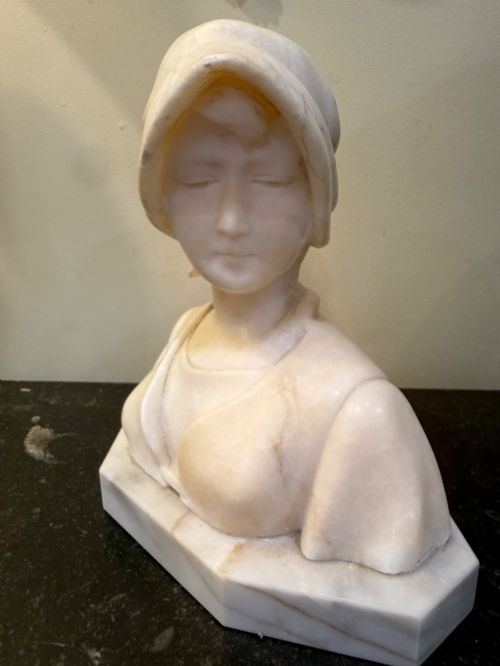
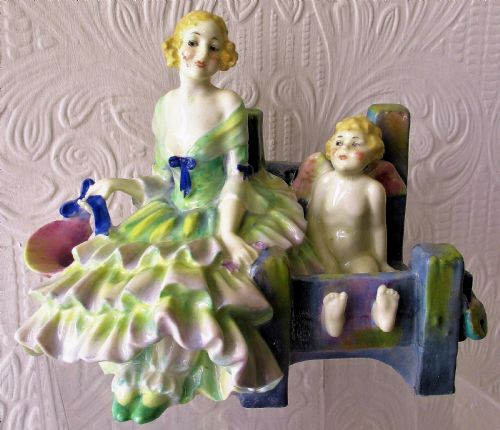
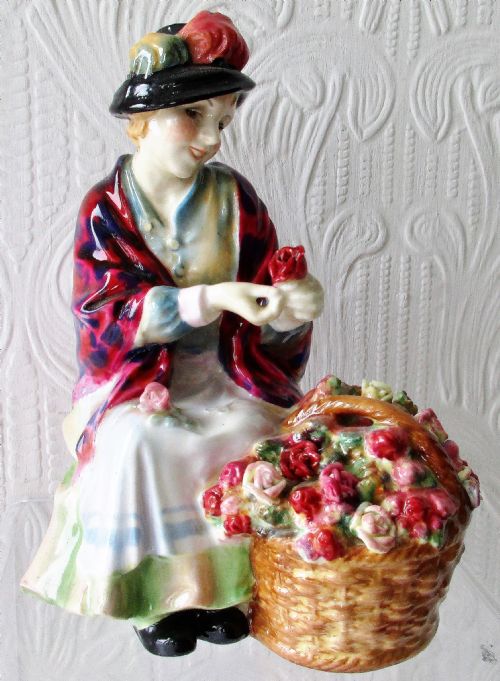
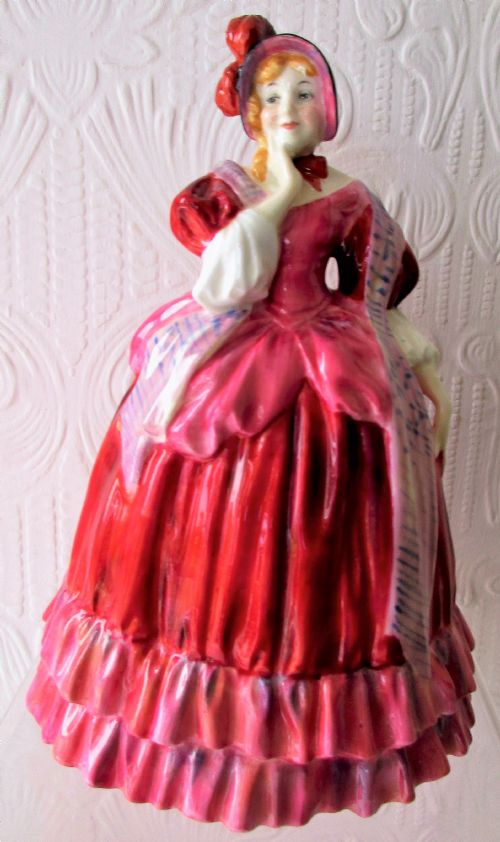
A vintage lady statue encompasses a broad range of decorative objects, from porcelain figurines and ceramic table lamps to substantial marble and stone garden sculptures. When searching for a vintage lady statue, collectors encounter pieces originating across the nineteenth and twentieth centuries.
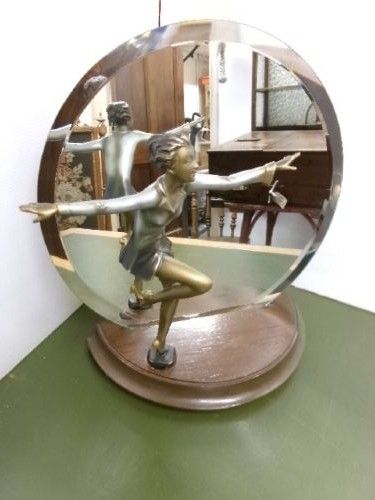
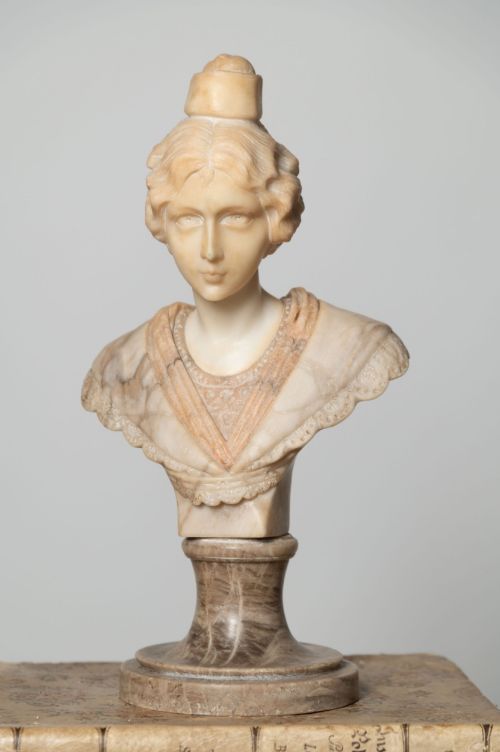
The selections on this page draw heavily from Art Deco and Art Nouveau aesthetics, alongside Edwardian and classical revivals. Figurines and busts dominate the offerings, portraying dancers, maidens, and historical figures in varied postures.
Makers from English potteries to continental European workshops shaped these forms using materials ranging from bone china to spelter and alabaster. Each piece reflects the decorative taste of its specific period, whether intended for a mantlepiece, a side table, or an outdoor garden plinth.
Materials and construction
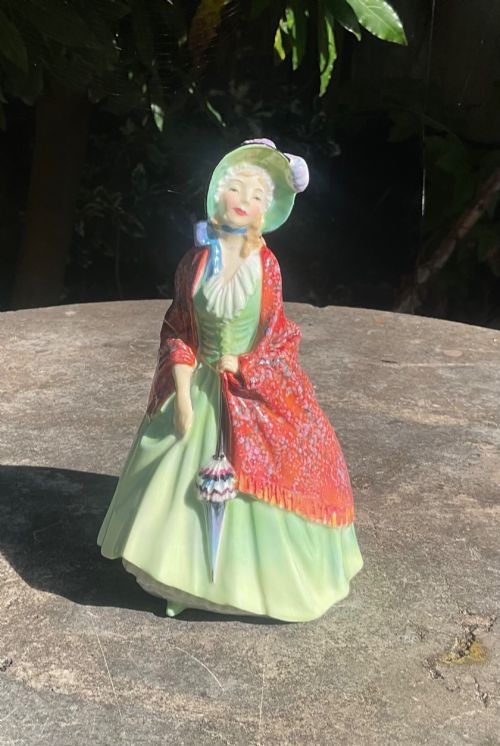
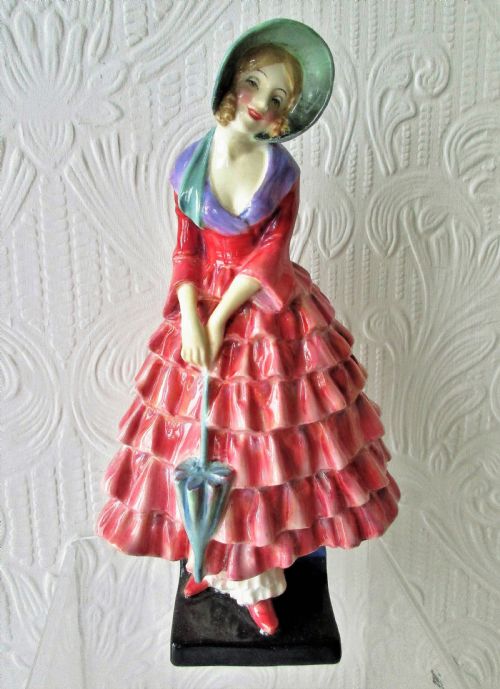
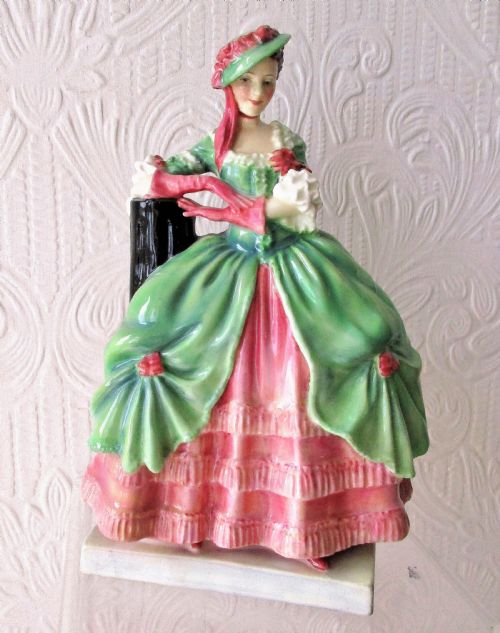
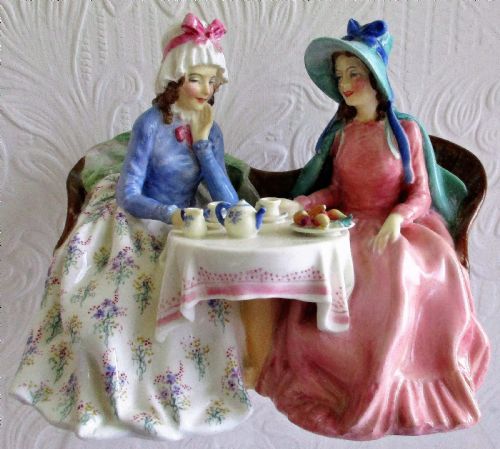
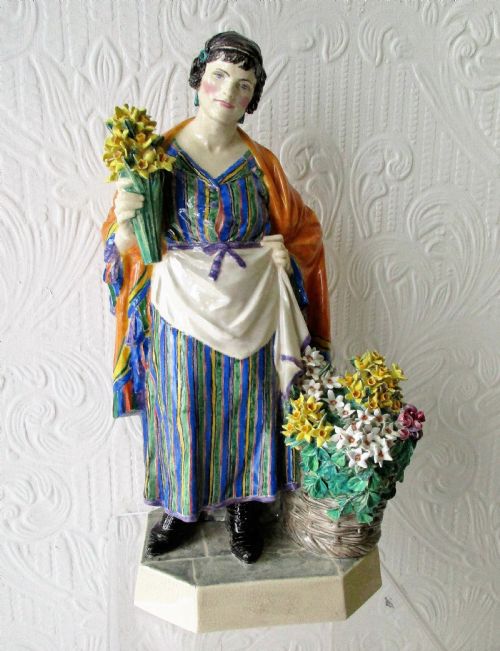
Porcelain and bone china pieces rely on meticulous moulding, hand-painting, and glazing techniques, often finished with delicate enamel details or gold leaf highlights. Studios such as Royal Doulton and Royal Dux utilised these ceramic methods to produce fine facial expressions and intricate drapery on gowns.
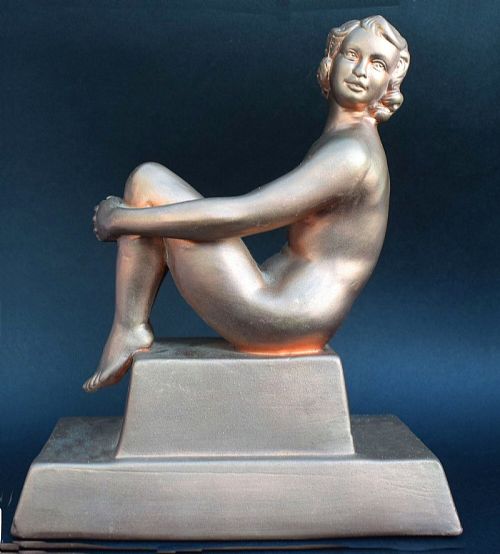
Metal figures employ bronze, spelter, and chrome-plated or painted metals, sometimes cast in the chryselephantine technique combining metal with carved elements. Stone and terracotta sculptures utilise heavy casting or carving methods suitable for both interior busts and large garden statues.
Listings feature pieces spanning the nineteenth century through the nineteen-fifties, utilising materials from porcelain and bone china to marble and spelter.
Assessing craftsmanship
The choice of medium also dictates distinction, as works utilising chryselephantine materials or monumental porcelain demonstrate higher levels of artisanal ambition. Signatures from recognised sculptors and potteries elevate a piece above standard factory production.
Royal Doulton·Royal Worcester·Royal Dux·Charles Vyse·Hagenauer·Josef Lorenzl·Demetre Chiparus·Geo Maxim·Samson·Georges Morin·Emmanuel Villanis
The Vintage Lady Statue Glossary
- Spelter
- A zinc alloy commonly utilised as a less expensive alternative to bronze for decorative figures and statuary during the early twentieth century. It is often painted or given a metallic bronze finish to mimic heavier metals.
- Chryselephantine
- A term describing a statue made of a combination of bronze and ivory, or similar carved materials such as bone. This technique gained significant popularity during the Art Deco period for luxury figures.
- Bone china
- A type of porcelain composed of bone ash, feldspathic material, and kaolin, known for its high level of whiteness and translucency. English potteries frequently employed this material for detailed lady figurines.
- Terracotta
- A porous reddish-brown earthenware clay used for sculptural busts and figures, sometimes left in its natural fired state or painted. It allows artists to capture fine textures in drapery and hair.
- Glaze
- A glassy coating baked onto ceramic pieces to colour, decorate, or waterproof the surface. In porcelain figurines, gloss or matte glazes define the finish of skin, hair, and clothing.
Vintage Lady Statue: Frequently Asked Questions
How do I identify an Art Deco lady figure?
Art Deco pieces typically feature stylised geometric lines, streamlined drapery, and dynamic poses often depicting dancers or modern women. Materials commonly include spelter, chrome plate, or painted ceramics dating around the nineteen-thirties.
Look for characteristics such as sleek hair styling, theatrical costumes, and bases made from onyx or marble. These design cues separate them from the more organic, flowing curves of earlier Art Nouveau pieces.
Where should I display a porcelain lady figurine?
Porcelain figurines suit protected indoor environments such as glass cabinets, sideboards, or mantelpieces away from direct sunlight. Their detailed glazes and delicate extremities require stable placement where they will not be knocked.
Grouping them by period or maker creates an effective cabinet display. Ensure the surrounding lighting highlights the hand-painted enamel and gold leaf details.
Are stone lady statues suitable for outdoor gardens?
Stone and heavy terracotta garden statues are manufactured to withstand outdoor conditions when placed on secure plinths or paved ground. Natural weathering over time can enhance the appearance of stone figures in a garden setting.
During harsh frost periods, covering or moving more vulnerable stone compositions prevents surface cracking. Check the base stability of large pieces before outdoor installation.
What is the difference between porcelain and bone china?
Bone china incorporates bone ash into the traditional porcelain paste mixture, resulting in a lighter body with greater translucency. English potteries favoured bone china for refined figurines with intricate facial expressions.
Standard porcelain often feels heavier and denser, which suited monumental figures and robust decorative wares. Both materials require careful handling to preserve painted details.