



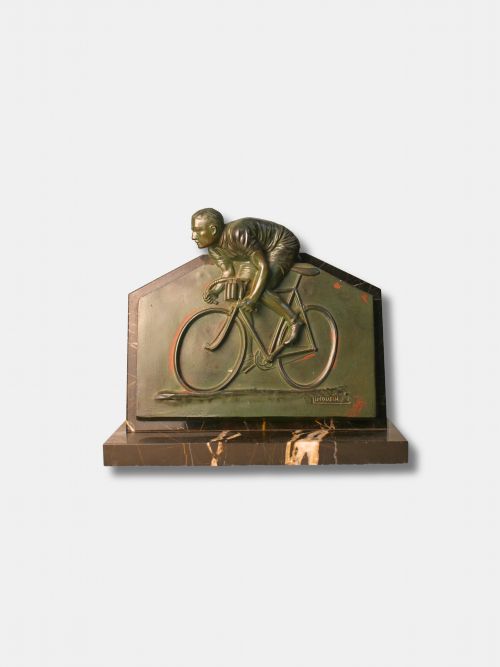


Spelter Art Deco Figurine
A spelter art deco figurine brings the kinetic energy and stylised elegance of the interwar years directly to a mantelpiece.
Spelter Art Deco Figurine
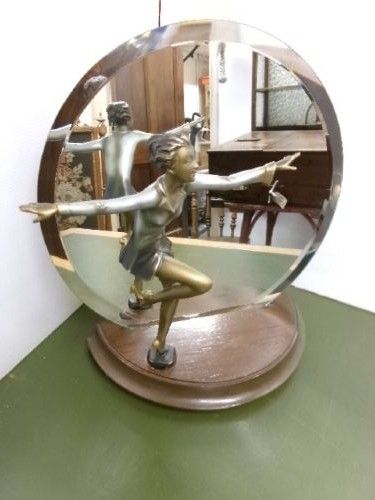
A spelter art deco figurine represents the iconic design language of the nineteen-twenties and nineteen-thirties, capturing human dancers, athletes, and animals in motion. These pieces frequently take the form of standalone sculptures, lamp bases, or functional objects like table lighters and night lights.
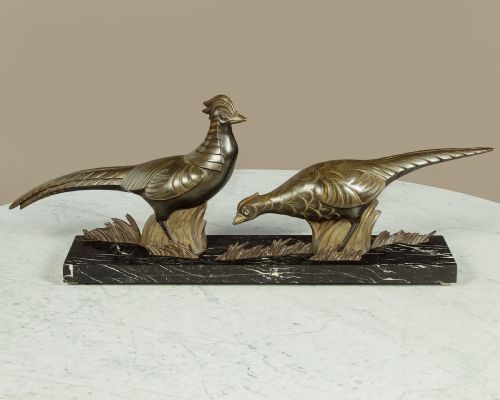
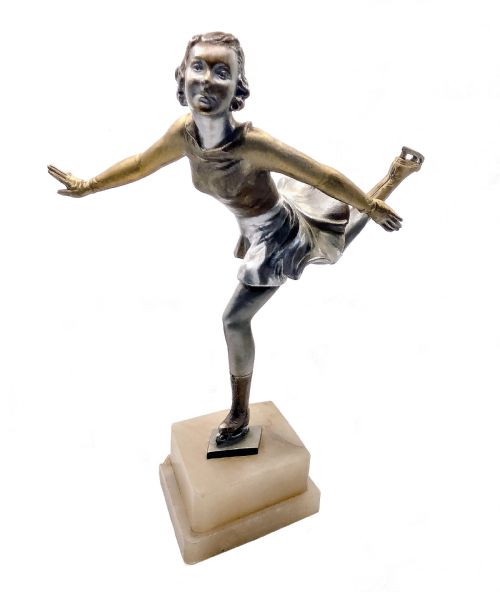
The version most commonly met on this page is the French figure from nineteen-thirty, often depicting a female dancer, nude, or sporting figure mounted on a stone base. Animals such as deer, panthers, dogs, stags, and pheasants also appear regularly within this group.
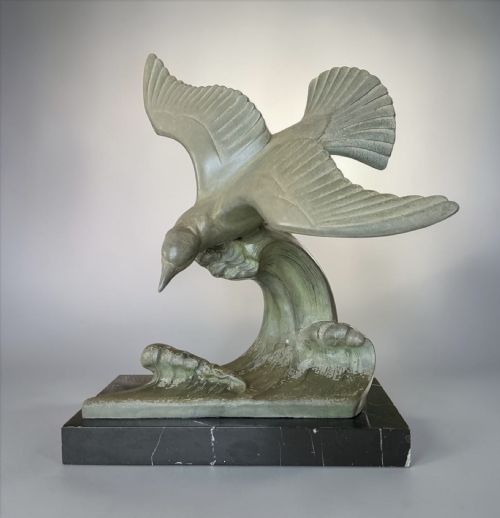
Makers and sculptors of the period produced these works to embody modern speed, grace, and athleticism. Collectors encounter human figures alongside figural groups and animal studies set onto contrasting plinths.
How they were made
Foundries cast these figures using spelter, an affordable zinc-based alloy that accepted fine detail and supported mass production during the period. Makers frequently applied patinated metal finishes or cold paint to simulate the appearance of more expensive bronze.
To provide stability and visual contrast, workers mounted the cast figures onto heavy bases made of marble, onyx, or alabaster. Glass components were integrated into pieces designed as lamps or night lights, combining illumination with figurative sculpture.
Listings feature works created across the nineteen-twenties and nineteen-thirties, utilising spelter, marble, onyx, glass, and alabaster.
What varies in quality
The distinction between tiers rests upon the crispness of the casting and the nuance of the patination or cold painted surface. Superior examples retain their original applied finishes and exhibit sharp facial expressions, fingers, and drapery folds.
The choice and integration of the mounting plinth also define the calibre of the piece. Fine sculptures feature substantial bases of veined marble or onyx that complement the dynamic posture of the metal figure above.
Josef Lorenzl·Geo Maxim·Chiparus·C Masson·H Bal
The Spelter Art Deco Figurine Glossary
- Spelter
- A zinc alloy commonly used in the manufacture of decorative figures and lamps during the early twentieth century. It served as a cost-effective alternative to bronze.
- Patinated metal
- A chemically or naturally aged surface treatment that gives the metal body a darker or antiqued tone. This finish accentuates the sculptural contours.
- Onyx
- A banded variety of chalcedony frequently utilised for the heavy plinths supporting art deco figures. Its natural striations provide a decorative contrast to the metal.
- Alabaster
- A fine-grained, translucent stone used to carve sculptural bases for figures and lamps. It offers a softer texture than marble.
Spelter Art Deco Figurine: Frequently Asked Questions
What is spelter?
Spelter is a zinc-based alloy that foundries utilised extensively for decorative sculptures during the art deco period. It provided an economical alternative to bronze while allowing intricate detail.
Craftsmen often applied patinated finishes or cold paint to these metal castings to enhance their visual appeal.
How do I display these figures?
These pieces require a stable surface such as a mantelpiece, sideboard, or sturdy table where their weight and stone bases are fully supported. Positioning them away from direct moisture protects the metal surface and cold painted details.
Lighting should be considered if the piece incorporates a lamp or glass component, placing it near an outlet without crowding the sculpture.
Are these figures French?
Many examples originate from French foundries and artists working during the interwar decades. France was a primary centre for art deco design and metal casting innovation at the time.
Signatures or stylistic cues often point to French origin, reflecting the dominant aesthetic of nineteen-thirty Paris.
What subjects are most common?
Human figures, particularly female dancers, ice skaters, swimmers, and athletes, dominate the available designs. These subjects capture the energetic spirit and modern movement associated with the nineteen-twenties and nineteen-thirties.
Animals also appear frequently, including panthers, deer, stags, dogs, and pheasants rendered in characteristic art deco styling.
Why are they mounted on stone?
Foundries mounted metal figures onto heavy bases of marble, onyx, or alabaster to provide structural balance. This weight prevented the relatively soft alloy from tipping over.
The contrasting colours and textures of the stone also enhanced the overall decorative impact of the sculpture.