






Spanish Console Table
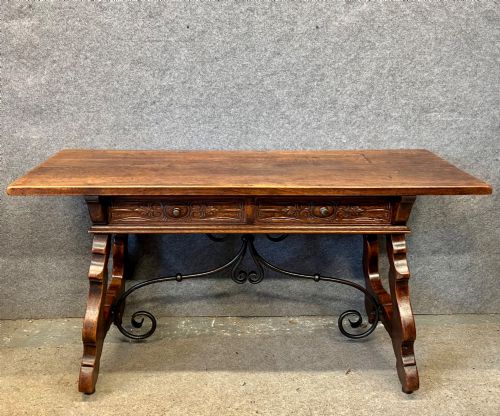
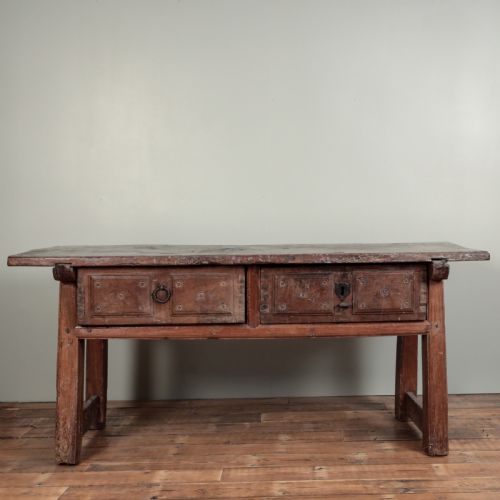
A spanish console table brings rugged warmth and striking historic architectural presence to a hallway or living space.
Spanish Console Table
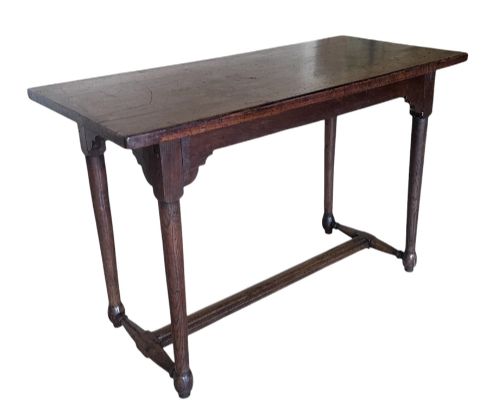
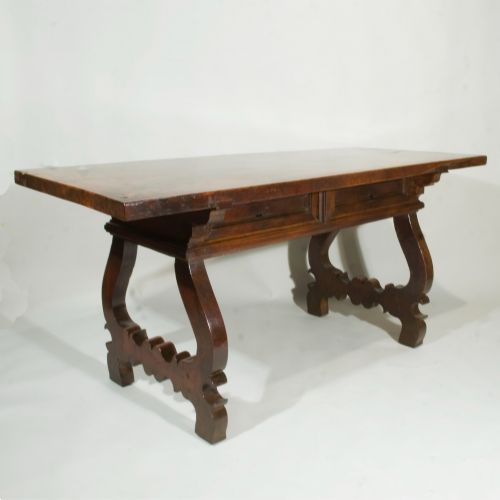
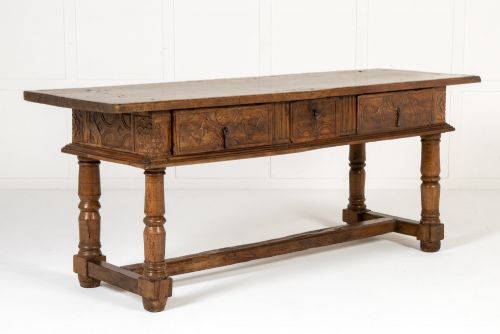
A spanish console table provides a functional surface with deep historical roots, often originating from centuries-old domestic and monastic interiors. These pieces take the form of side tables, serving boards, and narrow hallway furniture designed to occupy wall spaces without crowding a room.
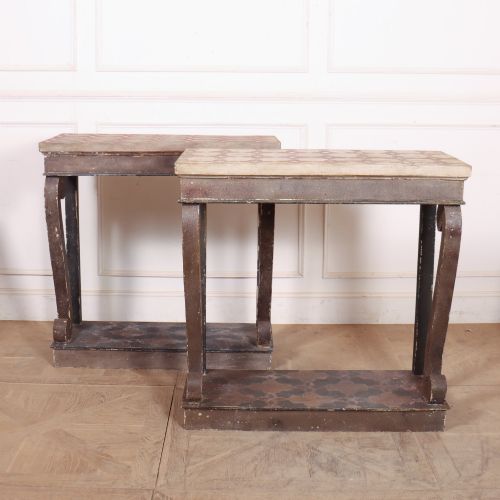
The selection here draws primarily upon seventeenth, eighteenth, and nineteenth century examples constructed in regional workshop traditions. Walnut and oak dominate the available forms, alongside painted wood and iron elements reflecting traditional provincial craftsmanship.
How they were made
Makers utilised heavy timbers such as walnut, oak, chestnut, and occasionally pine to build sturdy frames capable of enduring centuries of daily domestic service. Joinery relies on pegged mortise and tenon construction, often paired with wrought iron stretchers or bracing supports for structural stability.
Surfaces receive hand-planed finishes that develop deep patinas over generations, while specific examples incorporate carved details, leather panels, or painted decoration. Ebonised and gilded treatments appear on later revival pieces, mirroring the decorative shifts of the nineteenth and early twentieth centuries.
Several tables arrive with heavy potboards underneath, once used to keep heavy earthenware jugs safely off cold flagstone floors.
What varies in quality
The distinction between ordinary and exceptional pieces rests upon the integrity of the timber and the depth of the original surface patina. Tables retaining their early boards, authentic structural irons, and minimal timber replacement command greater appreciation among collectors.
Proportion and restraint in carving also separate standard regional furniture from masterwork pieces commissioned for historic residences. Finer examples display balanced proportions, harmonious timber grain, and forged stretchers that integrate seamlessly with the primary wood.
Whytock and Reid
The Spanish Console Table Glossary
- Console table
- A table designed to stand against a wall, frequently supported by brackets or legs at the front. These narrow surfaces suit hallways and reception rooms where floor space is limited.
- Patina
- The surface sheen and texture developed through age, handling, and wax polishing over many decades. A rich patina indicates long-term use and honest preservation.
- Wrought iron stretcher
- A horizontal metal brace connecting the legs of a table to provide rigidity. In regional Iberian furniture, these braces often feature decorative scrollwork or simple forged bars.
- Ebonised wood
- Timber treated with a chemical stain or dark finish to imitate ebony. This technique appears on nineteenth-century revival furniture seeking a formal, dramatic appearance.
- Side table
- A small functional table intended to stand against a wall or beside seating. These versatile pieces share characteristics with console tables but typically feature four freestanding legs.
Spanish Console Table: Frequently Asked Questions
How do I style a spanish console table?
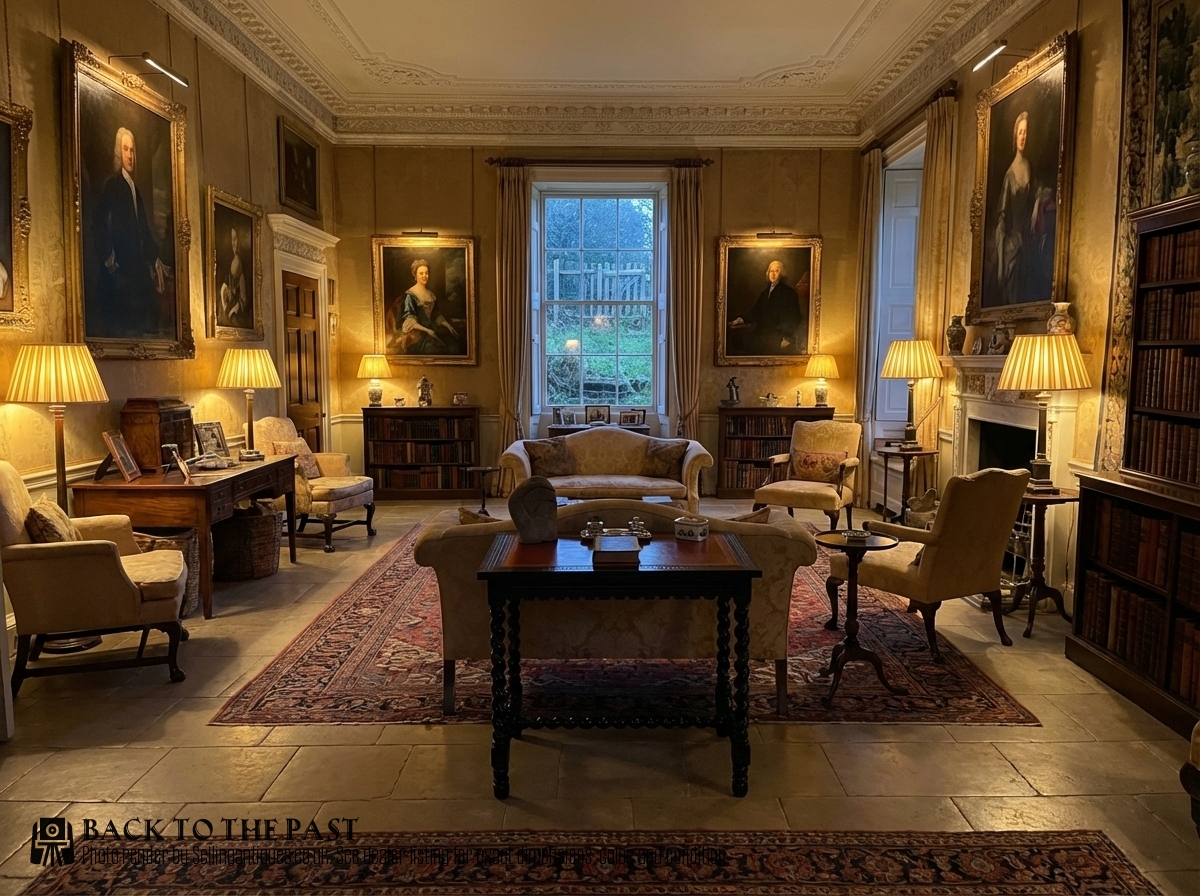
Place the table against a prominent hallway or living room wall where its historic timber texture can anchor the surrounding space. Keep the surface styling relatively restrained to let the grain and structural joinery remain the visual focus.
Pair the piece with simple lighting or a traditional mirror above to complete the arrangement without overwhelming the proportions of the furniture.
Were these tables used in dining rooms?
Historic Iberian interiors utilised versatile sideboards and long serving tables for food preparation and meal service. Many surviving examples functioned as servers or general utility tables rather than dedicated hall furniture.
Their narrow profiles made them practical additions to corridors, dining rooms, and large living spaces where surface area was required without blocking traffic flow.
How do I care for antique walnut furniture?
Maintain the timber by applying a microcrystalline wax sparingly to nourish the wood and protect the historic surface. Avoid placing the table near direct heat sources or in strong sunlight to prevent the timber from drying and splitting.
Dust regularly with a soft, dry cloth rather than using liquid polishes that can degrade old patinas over time.
What defines seventeenth century framing?
Seventeenth century pieces typically display heavy solid timber construction, pegged joints, and simple geometric mouldings. Iron stretchers are frequently integrated to brace the heavy walnut or oak legs.
These early tables prioritize structural honesty and robust utility over elaborate ornamentation, resulting in a stark, architectural silhouette.