




Southwest Persian Weaving
Southwest persian weaving brings together nomadic textiles from Fars and neighbouring regions, offering tribal carpets and bags made by confederacies like the Qashqa'i.
Southwest Persian Weaving
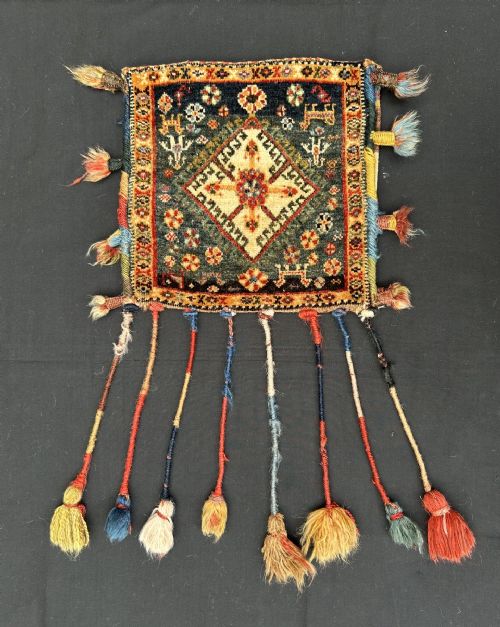
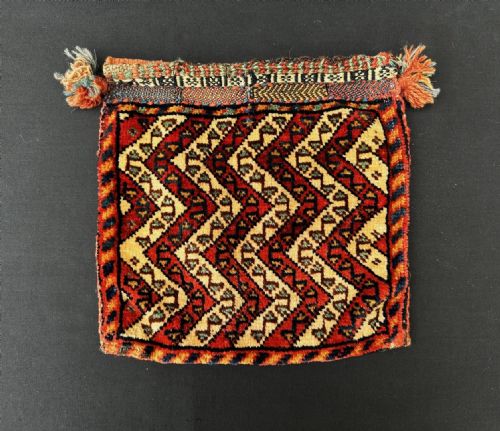
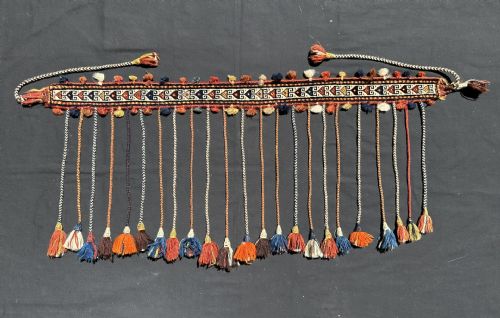
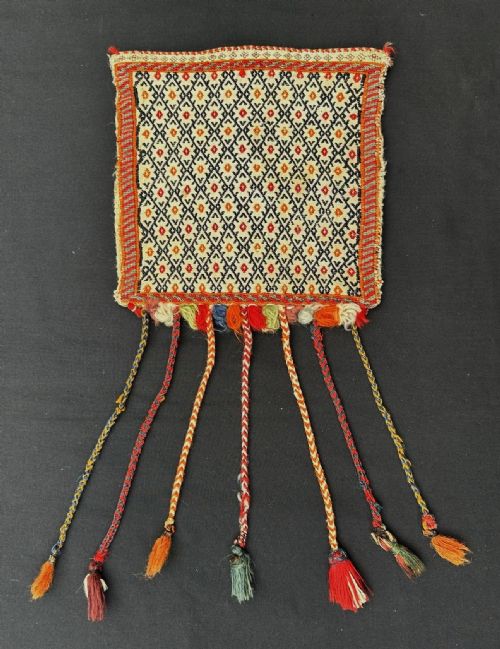
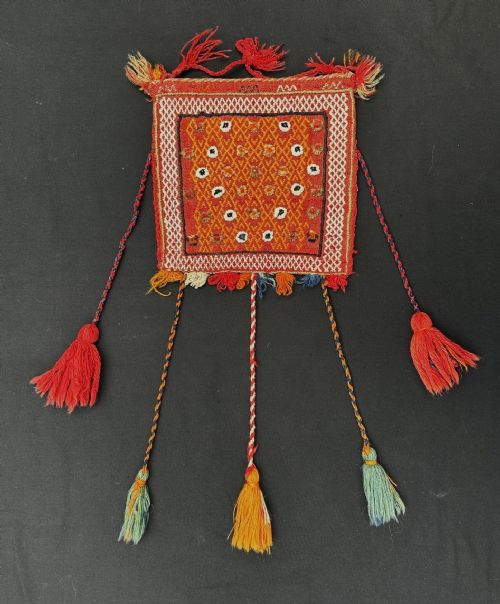
Southwest persian weaving encompasses utilitarian objects and decorative pieces produced by nomadic and tribal groups across the region. Buyers frequently encounter smaller utility items such as vanity-bags, salt-bags, saddle-bags, and bread sofreh alongside larger tribal carpets and rugs.
The material record spans the late nineteenth century into the early decades of the twentieth century. Pieces originate from confederacies and tribes including the Qashqa'i, Khamseh, Afshar, and Luri peoples.
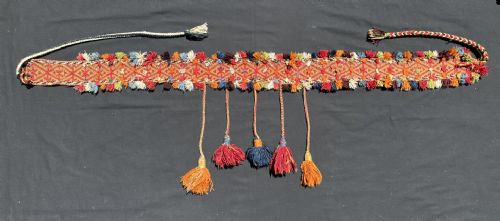
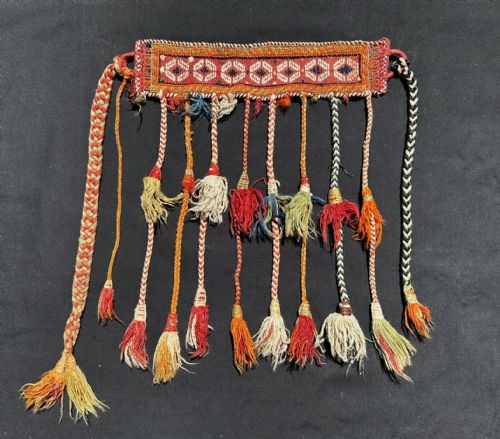
Forms range from animal decorations and horse trappings to baby cradles and wall hangings. These textiles reflect the nomadic lifestyle of their makers through portable and functional formats.
Materials and Construction
Makers utilised wool and hand-spun wool for the pile and structure of these textiles, often combined with cotton foundations. Natural dyes provide the colour palette across the surviving pieces.
Subordinate elements incorporate materials such as leather and wood, particularly in functional items like cradles or bags. Construction relies on traditional tribal weaving techniques passed down through generations.
The listings show pieces dated across the nineteenth and early twentieth centuries, spanning wool, cotton, and natural dyes.
Variations in Quality
Quality rests upon the fineness of the wool, the precision of the tribal designs, and the depth of the natural dyes. Superior examples demonstrate tight knotting and clear drawing within the motifs specific to each sub-tribe or confederacy.
The integrity of the original structure, including complete bag faces or intact fringes and sides, elevates a piece. Condition and completeness set the finest tribal weavings apart from heavily worn examples.
The Southwest Persian Weaving Glossary
- Sofreh
- A flatwoven spread or cloth used for serving bread or sharing meals. These utilitarian textiles often display striking geometric patterns.
- Tayefeh
- A sub-tribe or clan within a larger tribal confederacy such as the Qashqa'i. Knowing the specific tayefeh helps localise the origin of a weaving.
- Moj
- A type of lightweight cover or blanket produced by tribal weavers. They typically employ distinctive striped or patterned weave structures.
- Saddle-bag face
- The decorative front panel of a paired bag used for transport on animals. These panels survived independently after the connecting webs wore away.
Southwest Persian Weaving: Frequently Asked Questions
What are southwest persian bags used for?
Nomadic groups used these bags for practical storage during seasonal migrations. Items such as salt-bags, vanity-bags, and saddle-bags held personal possessions, food, or equipment.
Today, collectors appreciate them as compact examples of tribal artistry that fit easily into modern interiors as wall hangings or small display pieces.
How do I identify a Qashqa'i rug?
Qashqa'i weavings originate from the Fars province and often incorporate rich wool, natural dyes, and characteristic tribal motifs. Attribution relies on structural traits and traditional designs associated with specific sub-tribes.
Many pieces also carry tribal identifiers in their trade descriptions linking them to confederacies like the Kashkuli or Darrehshuri.
How should I care for tribal textiles?
Keep wool textiles away from direct sunlight to protect natural dyes from fading over time. Gentle vacuuming without a beater bar removes surface dust safely.
Allowing the wool to breathe and avoiding excessive moisture preserves the structural integrity of older pieces.