





South West Persian Carpet
A south west persian carpet brings bold tribal design and deep colour into a room through hand-knotted wool and centuries of nomadic tradition.
South West Persian Carpet
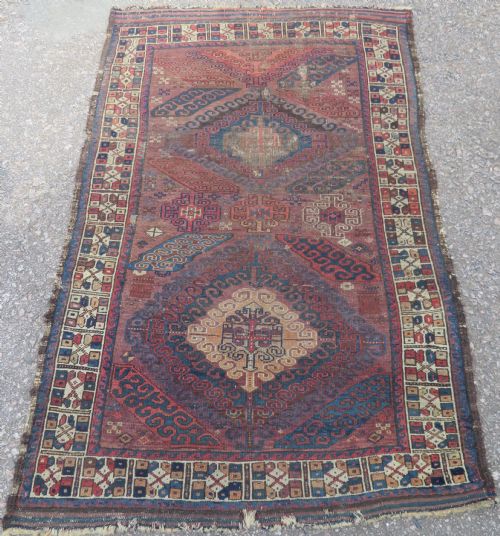
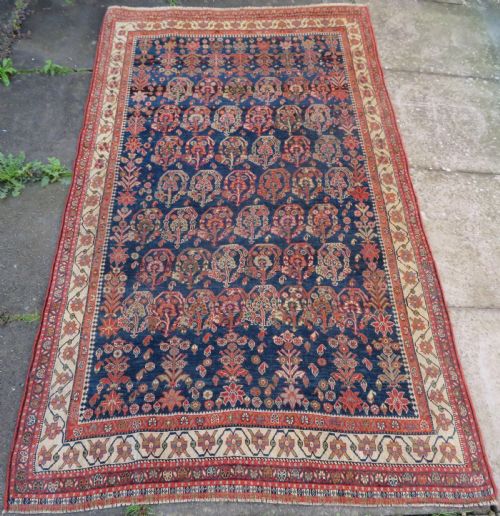
When you search for a south west persian carpet, you are looking at tribal floor coverings originating from the Fars Province and the Shiraz region. The pieces listed on this page span the nineteenth century and the early twentieth century, showing authentic nomadic patterns woven by various tribal groups. You will most frequently encounter tribal rugs and area rugs created by confederacies such as the Khamseh and Qashqai.
These floor coverings display rich geometric layouts, repeated motifs and central medallions rooted in regional heritage. The evidence shows works attributed to specific sub-groups like the Baharlu Tayefeh, Arab-jabbareh tribe, and Kashkuli weavers. Each rug carries the visual language of its specific maker group within south-west Persia.
How they were made
A south west persian carpet is constructed using wool for the pile and foundation, often paired with cotton elements in the structural weave. Weavers utilised natural dyes to achieve deep colour palettes that age gracefully over time. These materials were knotted by hand on vertical looms set up within nomadic camps and regional settlements.
The technique relies on dense knotting traditions passed down through generations of tribal weavers in the Fars Province. Artisans incorporated numerous tribal motifs and distinct regional designs into the field, resulting in durable textiles meant for daily nomadic use.
Keep an eye out for rogue birds hiding among the geometric fields, because nomadic weavers loved sneaking feathered friends into abstract patterns.
What varies in quality
The distinction between a standard piece and a superior example lies in the crispness of the tribal motifs and the saturation of the natural dyes. Denser knot counts allow for finer detail in complex medallions and pictorial elements like the peacock or boteh patterns. Better examples maintain structural integrity across the foundation while displaying balanced proportions.
The hand of the wool itself signals quality, with superior pieces retaining soft yet resilient fibres. Variations in the complexity of the tribal design, from simpler repeating patterns to elaborate confederacy layouts, dictate the visual impact of the rug.
Khamseh Tribe·Qashqai Tribe·Baharlu Tayefeh·Arab-jabbareh Tribe·Afshar Tribe
The South West Persian Carpet Glossary
- Khamseh
- A confederation of five diverse tribes in south-west Persia known for producing distinctive dark-ground tribal rugs. Their weaving often incorporates bold geometric layouts and rich animal or bird motifs.
- Qashqai
- A powerful tribal confederacy residing in the Fars Province of south-west Persia. Their carpets are celebrated for fine wool, vibrant natural colours, and intricate medallion designs.
- Boteh
- A traditional Persian motif resembling a almond or bent pear shape, frequently seen in Qashqai and tribal weaving. It symbolises life and eternity.
- Fars Province
- The historical and geographical region in south-west Persia where nomadic and village weavers produced carpets. It serves as the primary origin point for the tribal rugs found here.
- Natural Dyes
- Colourants derived from plants, insects and minerals used by weavers before the introduction of synthetic dyes. They yield rich tones that mellow harmoniously with age.
South West Persian Carpet: Frequently Asked Questions
How do I identify a Khamseh rug?
Look for dark backgrounds featuring repeating geometric patterns and intricate small-scale tribal motifs across the field. These rugs frequently utilise deep indigo and warm terracotta tones.
Attributions often point toward confederacy weavers from the Shiraz region and surrounding areas of the Fars Province.
Where were these carpets made?
These pieces originate from the Fars Province in south-west Persia, produced by nomadic and settled tribal groups. The makers lived and worked across the broader Shiraz region.
Weavers included confederacies such as the Qashqai and Khamseh, who moved seasonally through these southern territories.
How should I clean my rug?
Consult a professional specialist experienced in antique hand-knotted wool textiles rather than attempting home washing. Natural dyes and antique wool require careful, gentle treatment to preserve the fibres.
Regular light vacuuming without a rotating beater bar helps remove surface dust safely between professional cleanings.
Can I use these rugs on modern floors?
These vintage and antique pieces add warmth and distinct character to contemporary interior design schemes. Pairing them with a quality rug underlay ensures stability and reduces daily friction on hardwood floors.
Their robust wool construction was originally intended for heavy practical use inside nomadic tents and homes.