



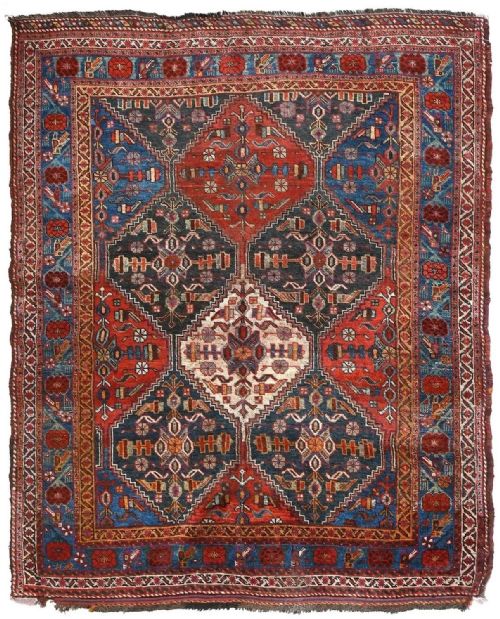

South Persian Afshar Rug
A south persian afshar rug brings tribal village craftsmanship into a room, offering rich geometric patterns and deep historical character.
South Persian Afshar Rug
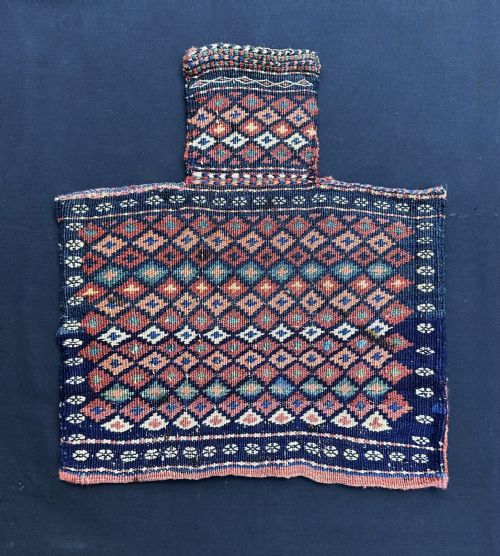
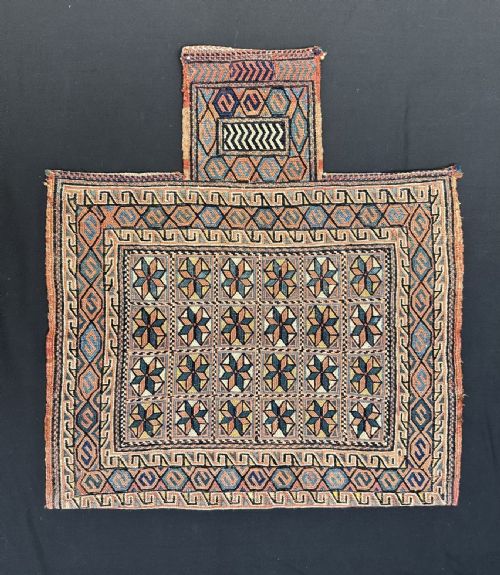
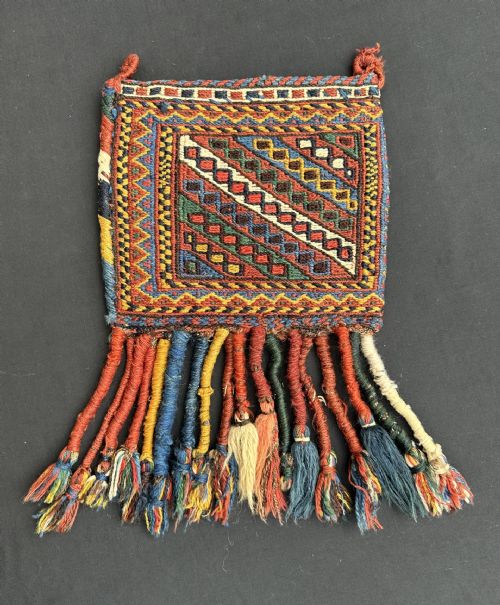
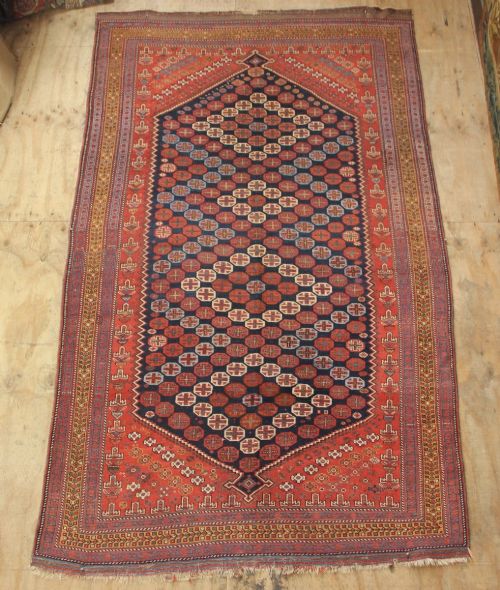
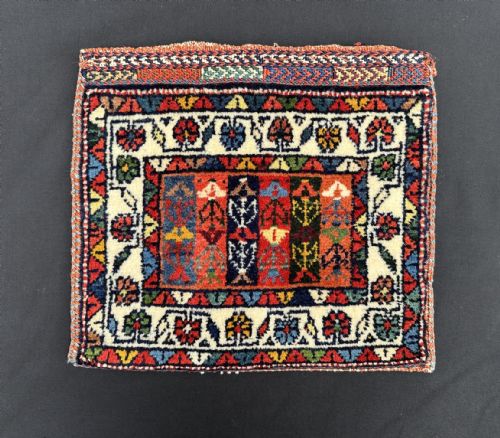
A south persian afshar rug originates from the nomadic and village weavers of the Kerman province, spanning regions such as Neiriz, Bardsir, and the Jebal Barez mountains. These textiles range from floor carpets and runners to smaller utility items including storage pouches, vanity bags, saddlebag faces, and bread sofrehs.
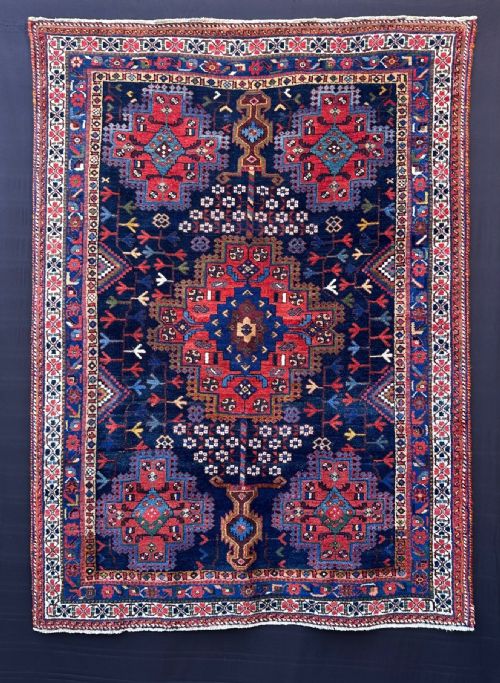
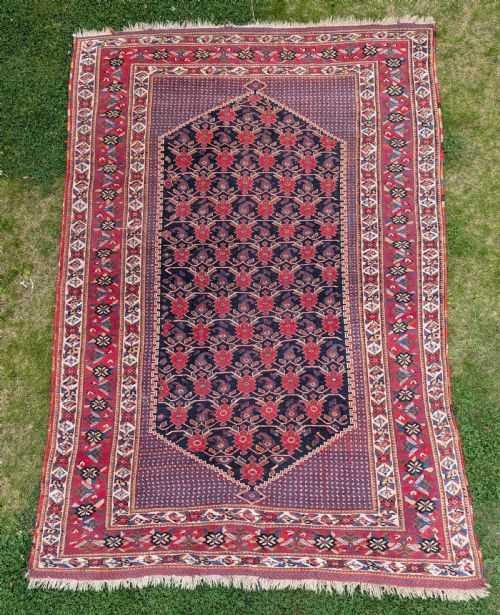
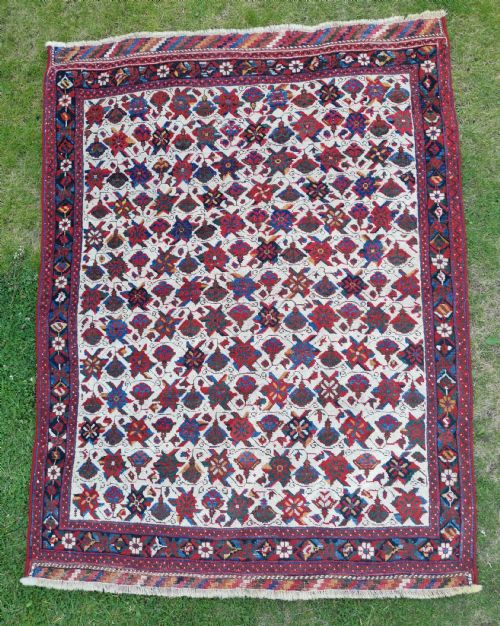
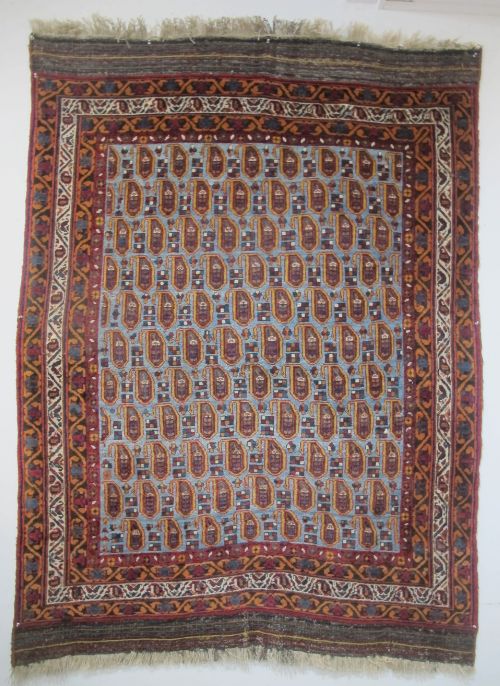
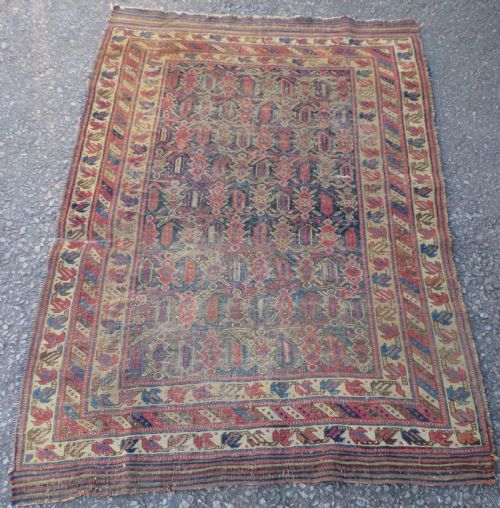
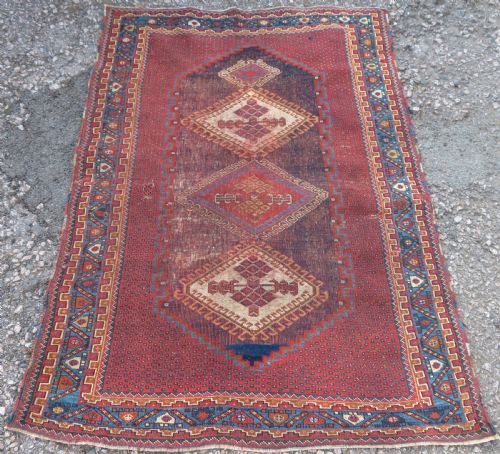
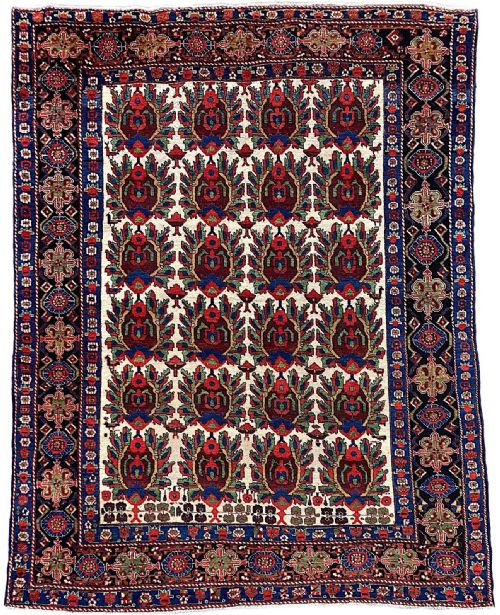
The most common formats encountered on this page are floor rugs and carpets featuring traditional tribal layouts, alongside smaller woven personal bags. Weavers utilised repeat boteh motifs, small medallions, and the Heratti design, anchoring each piece in the visual traditions of South Persian tribal groups.
Dating primarily from the late nineteenth century through to the mid-twentieth century, these pieces carry the authentic marks of nomadic production. The forms vary from large area carpets down to compact chantehs, reflecting the practical domestic and nomadic needs of the Afshar tribes.
What Varies in Quality
Quality in these tribal textiles rests upon the density of the weave, the fineness of the hand-spun wool, and the clarity of the natural dye palette. Superior examples demonstrate meticulous knotting precision and harmonious colour saturation across the field.
Design execution and regional provenance further distinguish the range, with certain pieces exhibiting exceptionally crisp boteh arrangements and intricate border geometry. The handling of secondary materials, such as soumak work or specialised foundation threads, elevates individual examples.
South Persian Afshar Rug Retail Price Guide 2026
Typical asking prices for south persian afshar rug among the pieces listed under this phrase on Sellingantiques today, from the lower quarter to the upper quarter. They describe what is for sale here now, not the wider market.
The listings span from 1860 to 1940, encompassing full-sized carpets, runners, and nomadic utility bags.
The South Persian Afshar Rug Glossary
- Boteh
- A stylised floral or almond-shaped motif representing a palm leaf, bush, or flame. This recurring symbol appears frequently in tribal Persian weaving.
- Sofreh
- A woven cloth utilised for dining, food preparation, or bread storage among nomadic groups. These textiles double as wall hangings and display pieces.
- Chanteh
- A small personal bag or vanity pouch woven by tribal nomads. Collectors prize these compact items for their concentrated design work.
- Soumak
- A flatweave technique utilising wrapping threads over warp and weft to create a durable, textured surface. This method results in a sturdier textile than standard plain weaves.
- Heratti
- A repeating decorative pattern composed of a central rosette surrounded by four leaves or fish. It serves as a classic field design in Persian carpets.
South Persian Afshar Rug: Frequently Asked Questions
Where were these rugs made?
These textiles were produced by nomadic and village weavers belonging to the Afshar tribes settled across the Kerman province of South Persia. Specific regional hubs include Neiriz, Bardsir, and the Jebal Barez mountains.
Each tribal group adapted local motifs and dyeing traditions, creating distinct regional variations within the broader Afshar weaving culture.
What are tribal storage pouches used for?
Nomadic families utilised these woven bags and pouches for storing domestic items, provisions, personal possessions, and bread during travels. They served essential functional roles within the daily life of the camp.
Today, collectors value these smaller textile pieces as portable examples of nomadic artistry suited for compact display.
How do I live with an antique tribal rug?
These durable wool textiles integrate well into modern and traditional interiors as floor coverings, runners, or wall hangings. Placing them in moderate traffic areas allows the natural lustre of the wool to be appreciated safely.
Routine gentle care and appropriate rug underlays help preserve the handmade structure and dyed fibres over decades of domestic use.
How can I tell the age of these pieces?
Age is identified through material analysis, observing the composition of hand-spun wool, the character of natural dyes, and structural evidence of the foundation. Stylistic markers such as specific boteh arrangements and regional weaving traits also point to particular decades.
Most surviving examples date from the late nineteenth century through to the early decades of the twentieth century.