


Solid Silver Tea Scoop
A solid silver tea scoop is a small, purpose-made utensil for measuring loose leaves, combining practical utility with fine metalwork.
Solid Silver Tea Scoop
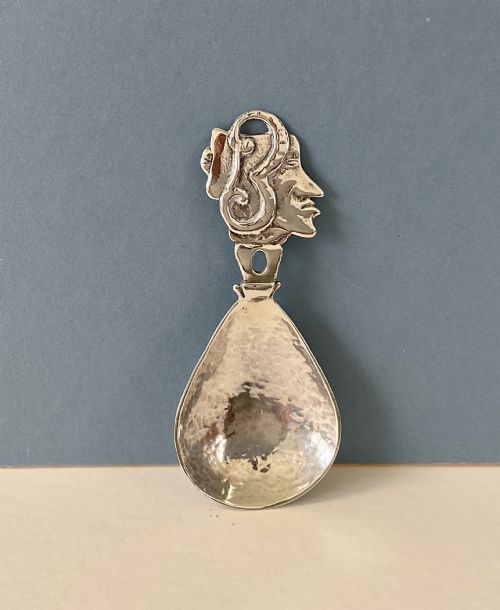
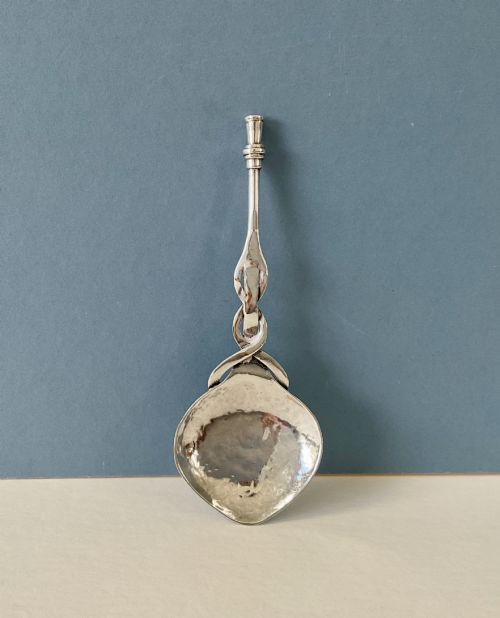
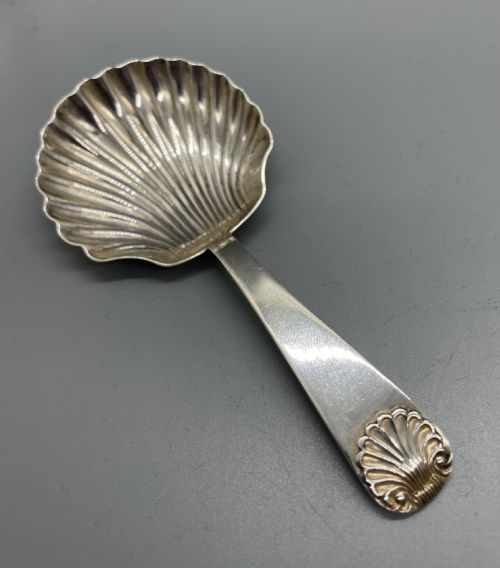
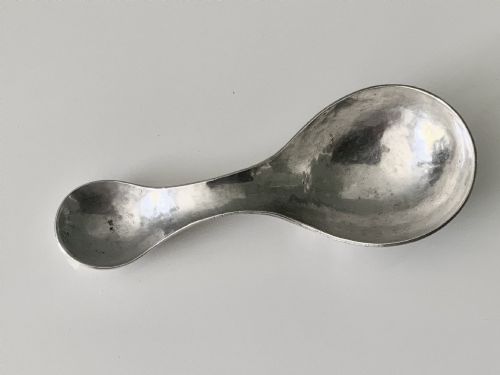
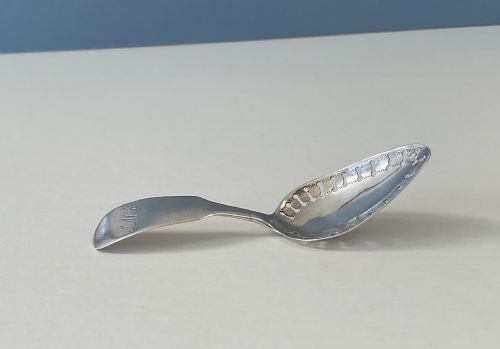
A solid silver tea scoop, often listed as a caddy spoon, serves to transfer loose tea leaves from a canister into the pot. Most examples encountered here belong to the Georgian and Victorian periods, alongside Edwardian and later twentieth-century pieces.
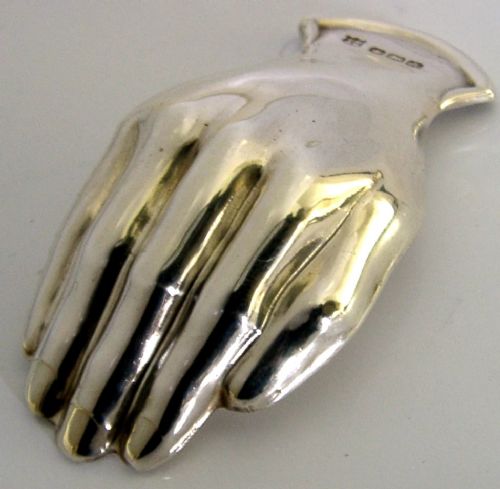
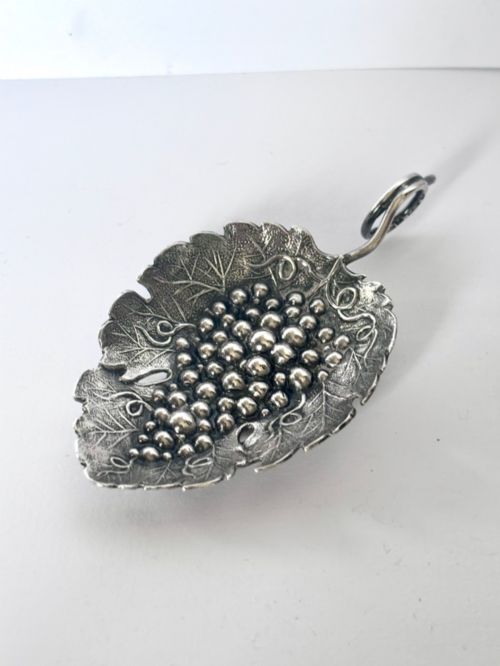
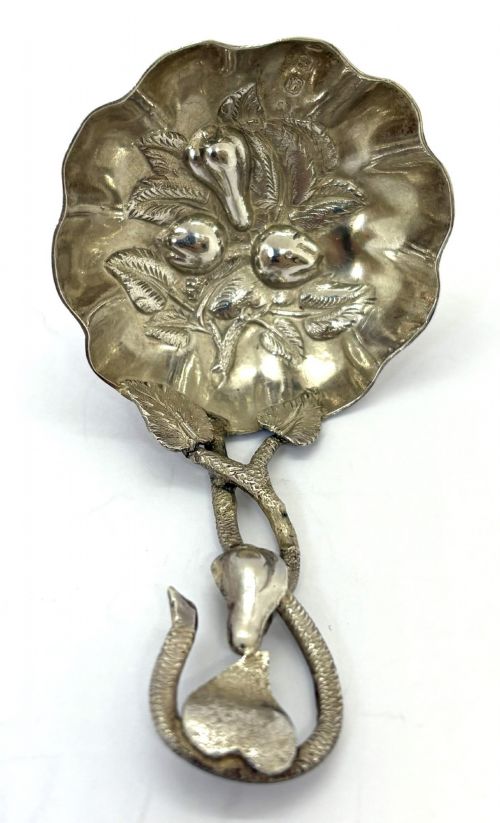
The forms vary widely from simple shovel shapes to naturalistic leaf designs and novelty items shaped like jockey caps. Makers from Birmingham, London, Sheffield, and Glasgow produced these pieces in sterling silver and silver-gilt.
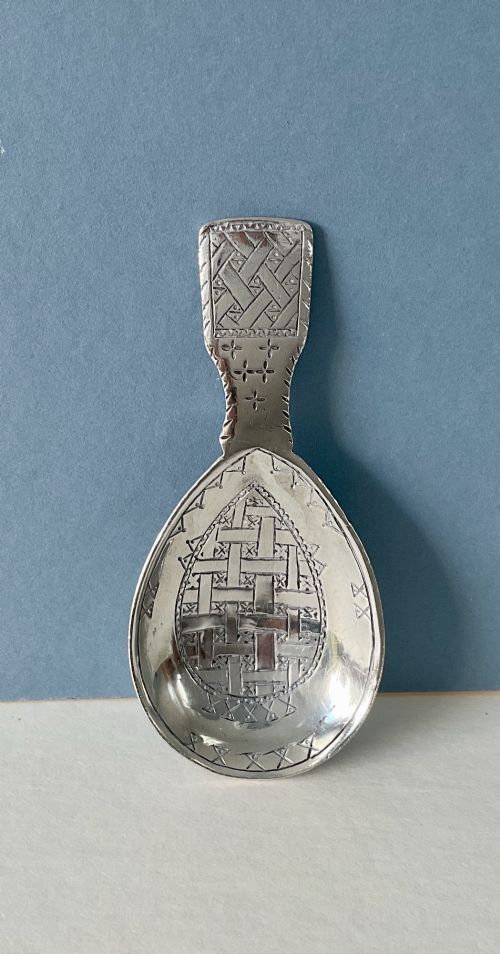
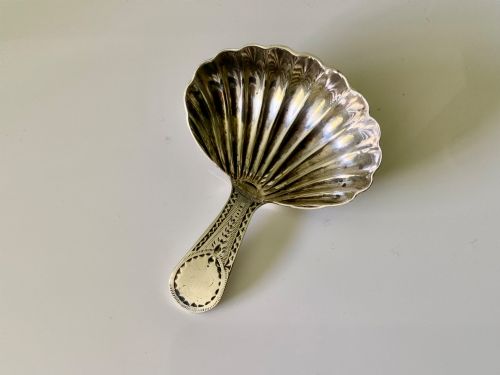
Collectors find variations ranging from plain engraved handles to double-struck patterns and specialised provincial hallmarks. These objects reflect the changing domestic habits of tea drinking over successive centuries.
Materials and construction
These pieces utilise sterling silver and silver-gilt, shaped through hammering, casting, and pressing techniques. Silversmiths formed the bowls into shells, leaves, or shovels and soldered them to handles.
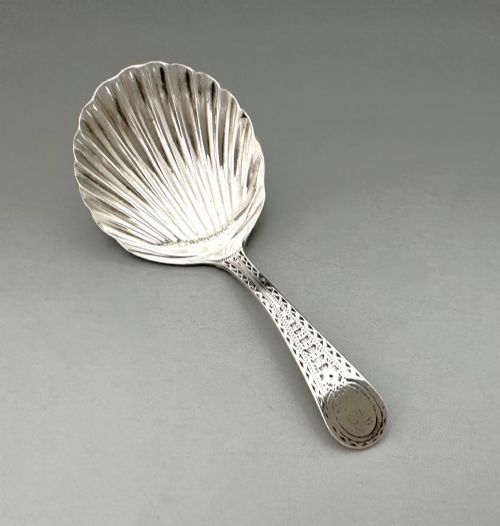
Engraving and chasing provide surface detail on the handles and bowls, while hallmarks stamp the origin, year, and maker directly into the metal. Double-struck designs add relief work to both sides of the handle.
Solid Silver Tea Scoop Retail Price Guide 2026
Typical asking prices for solid silver tea scoop among the pieces listed under this phrase on Sellingantiques today, from the lower quarter to the upper quarter. They describe what is for sale here now, not the wider market.
Object forms include standard caddy spoons, novelty items, and larger shovel designs originating from English, Scottish, Irish, and continental makers.
Quality and craftsmanship
The distinction between standard examples and finer pieces lies in the crispness of the hallmark stamps and the depth of the engraving. Novelty forms and naturalistic motifs like vine leaves require superior skill in shaping the metal.
Maker attribution and provincial marks, such as those from Scottish or Irish assay offices, elevate the interest of a piece. Preservation of the original surface finish and clear, legible maker's marks define the upper tier of the range.
Joseph Willmore·Mappin & Webb·George Unite·George Wintle
The Solid Silver Tea Scoop Glossary
- Caddy spoon
- A short-handled spoon designed specifically for measuring loose tea from a caddy. These small utensils became popular as tea grew into a valuable household commodity.
- Hallmark
- An official stamp struck into precious metals to guarantee purity and show the assay office, date, and maker. These marks provide the primary evidence for dating antique silverware.
- Silver-gilt
- Silver that has been coated with a thin layer of gold on the surface. This technique adds a rich, warm tone to the interior of the spoon bowl.
- Double-struck
- A handle pattern stamped on both the front and the back for added decorative weight. This process requires precise alignment during manufacture to keep the design sharp.
- Novelty spoon
- A piece shaped to represent an object, animal, or figure rather than following a traditional spoon silhouette. Examples include caps and specialised leaf forms.
Solid Silver Tea Scoop: Frequently Asked Questions
What is a solid silver tea scoop used for?
These pieces were designed to measure loose tea leaves from a storage caddy into a teapot during tea preparation.
Their compact size allowed them to fit inside standard tea caddies of the period.
What styles are common in these spoons?
The listings include Georgian, Victorian, Edwardian, Arts and Crafts, Art Nouveau, and Art Deco styles.
Common forms range from simple engraved handles to novelty jockey caps and vine leaf bowls.
How should I display a tea scoop?
Due to their small size, these spoons fit well inside shallow display cases or mounted within collection frames.
Keeping them away from damp environments helps preserve the polished silver surface.