
Solid Silver Table Box
A solid silver table box brings heavyweight presence to a desk or dressing surface, offering practical storage disguised in period metalwork.
Solid Silver Table Box
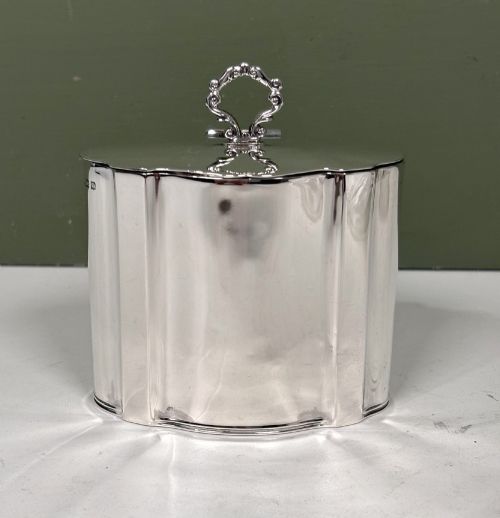
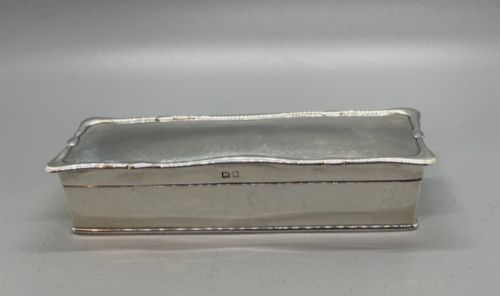
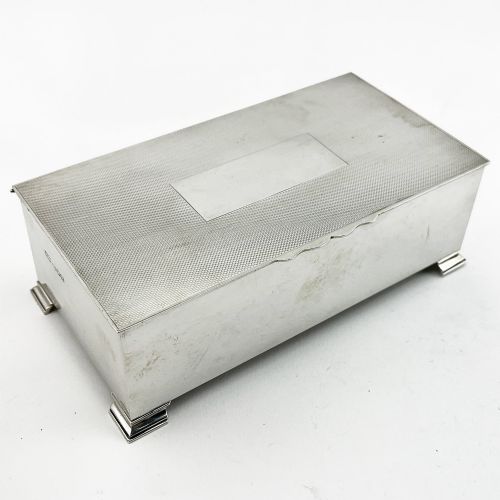
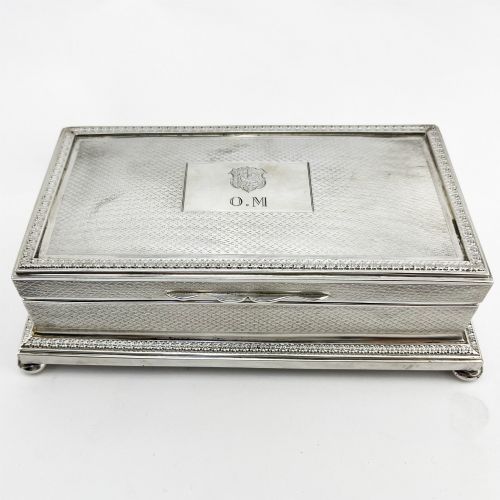
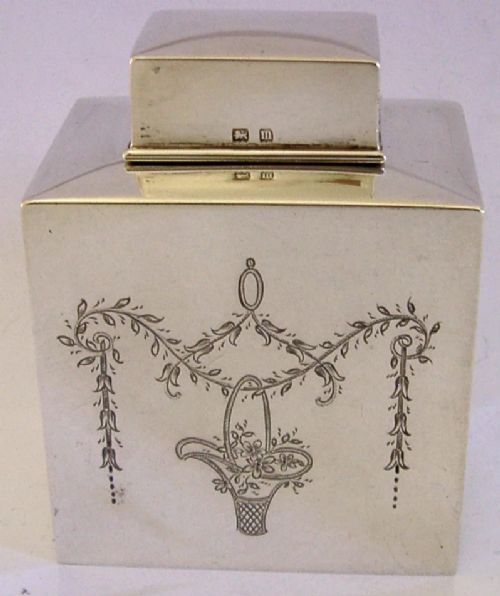
When browsing for a solid silver table box, you encounter pieces spanning the Georgian, Victorian, and Edwardian eras through to the mid-twentieth century. These containers served various domestic purposes, functioning as repositories for snuff, cigarettes, trinkets, or tea leaves on surface tops.
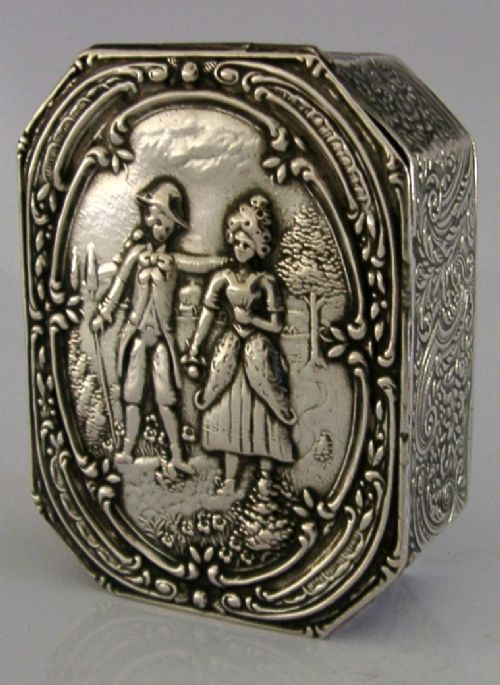
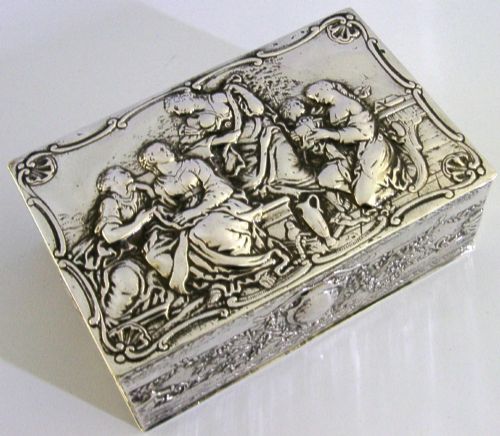
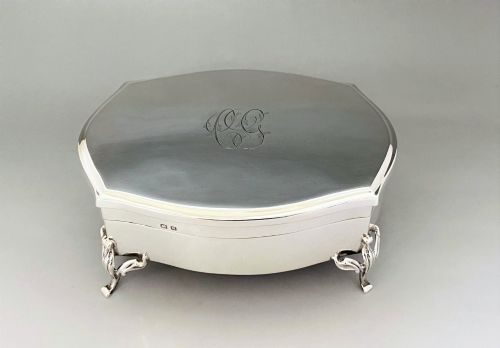
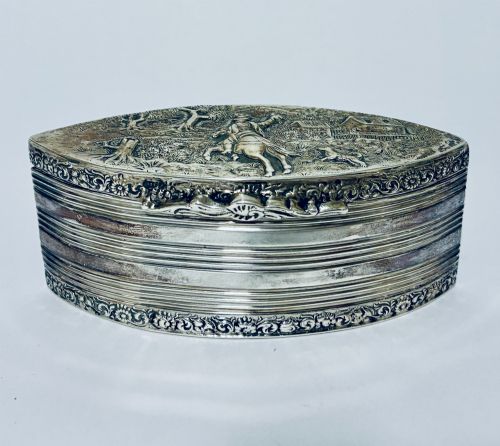
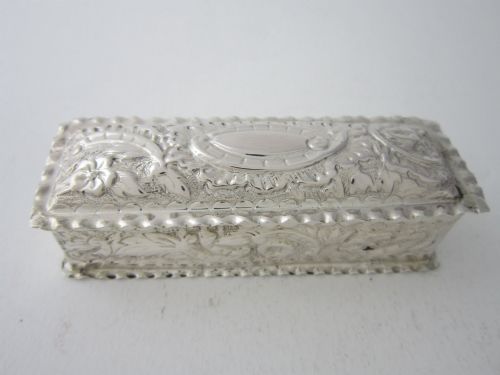
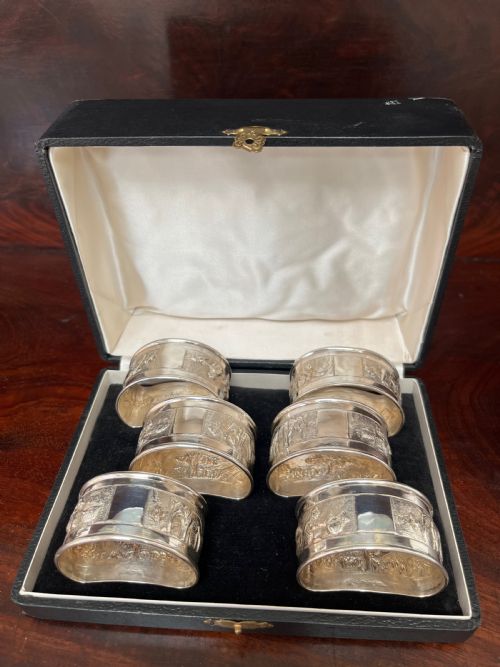
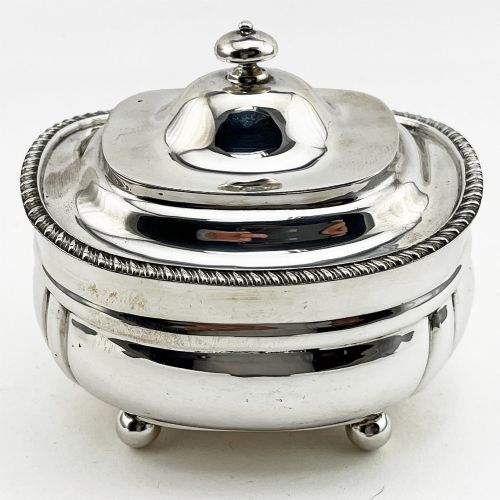
The selections on this page highlight distinct regional specialisms, from heavy German Hanau chased scenes and ornate Indian animal motifs to clean English sterling tea caddies and dressing table chests. Formats range from intimate cartouche-shaped snuff containers to substantial multi-gram desk boxes featuring hinged lids.
Makers frequently drew upon historical design revivals, applying Rococo flourishes, classical motifs, or crisp Art Deco lines to the precious metal body. Whether lined with original silk or velvet or left plain for daily use, each item represents a functional object elevated by precious materials.
Markers of superior craftsmanship
The distinction between standard containers and exceptional pieces rests upon weight, sculptural depth, and the clarity of decorative chasing. Heavier metal gauge provides structural rigidity, preventing distortion along the lid and body joints over generations of opening and closing.
Superior examples exhibit crisp definition in repoussé scenes, perfectly aligned hinges that hold the lid firmly at rest, and well-preserved interior linings. Maker marks, town marks, and clear date culls contribute significantly to historical interest and manufacturing prestige.
Certain nineteenth-century desk containers feature energetic hunting scenes where silver boars flee perpetually across the lid.
Mappin And Webb·Sampson Mordan·Edward Smith·Joseph Willmore·Charles Rawlings And William Summers
The Solid Silver Table Box Glossary
- Sterling silver
- A silver alloy containing 92.5 percent pure silver by mass, with the remainder composed of copper or other metals to increase durability. This standard appears frequently across British and international table wares.
- Repoussé
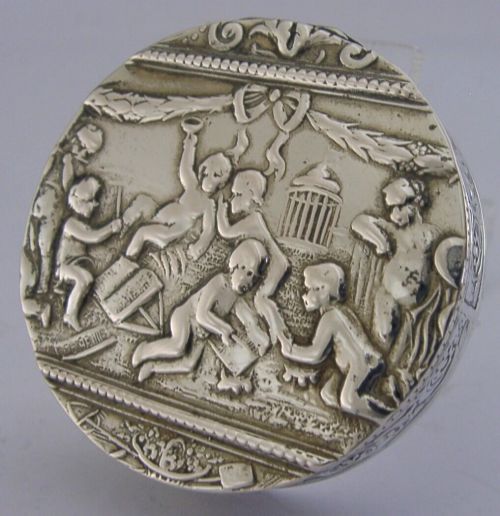
- A metalworking technique where the artisan hammers the metal from the reverse side to form a raised design in relief. It creates the dimensional cherubs and pastoral scenes seen on continental boxes.
- Cartouche
- An ornamental oval or oblong frame enclosing a decorative motif, crest, or engraved inscription. It often provides the central focal point on the lids of early snuff containers.
- Caddy
- A small container originally designed for storing loose tea leaves securely before brewing. Examples in solid silver often feature snug-fitting inner lids to preserve leaf aroma.
- Chasing
- The complementary process to repoussé, where tools push metal inward from the front to refine details and sharpen lines. This surface work defines floral borders and animal subjects.
Solid Silver Table Box: Frequently Asked Questions
What were solid silver table boxes used for?
These containers served specific domestic functions within the home, holding valuable commodities like loose tea, tobacco, snuff, or playing cards. Placed upon desks or dressing tables, they kept personal items secure and close at hand.
Over time, their roles evolved as fashions changed, leading to versatile use as general trinket or jewellery repositories. Their sturdy construction ensured valuable goods remained protected from moisture and handling.
How do I date a silver table box?
Dating relies heavily upon the stamped hallmarks, maker marks, and town assay stamps struck directly into the silver surface. British pieces carry specific letter culls and lion passant symbols indicating the exact year of manufacture.
Stylistic cues also provide reliable evidence, allowing experts to separate Georgian floral chasing from Edwardian restraint or later Art Deco geometric forms. Comparing construction weights and hinge types helps confirm the broader period of origin.
How should I clean my silver box?
Maintenance requires gentle cleaning with a soft microfiber cloth and a mild, specialised silver polish to remove tarnish without stripping surface detail. Avoid harsh abrasive dips that can damage delicate chased relief or dissolve original gilding.
Regular, light dusting prevents the accumulation of grime in the recesses of repoussé scenes. Storing the piece away from direct sunlight and damp environments preserves any original fabric linings.