

Solid Silver Serviette Holders
Solid silver serviette holders sit on the dining table to mark each person's place, appearing in pairs, sets and cased groups across multiple decades.
Solid Silver Serviette Holders
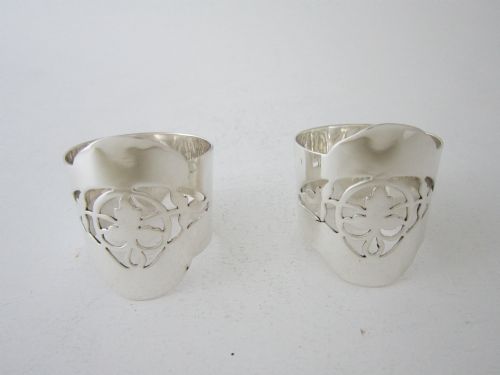
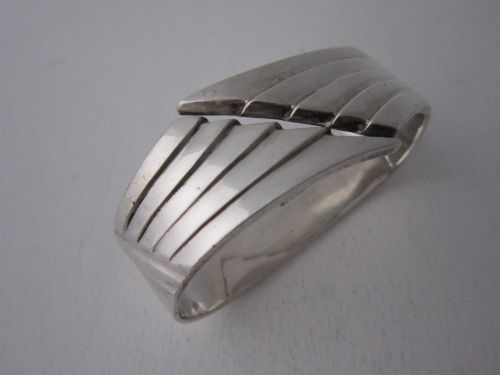
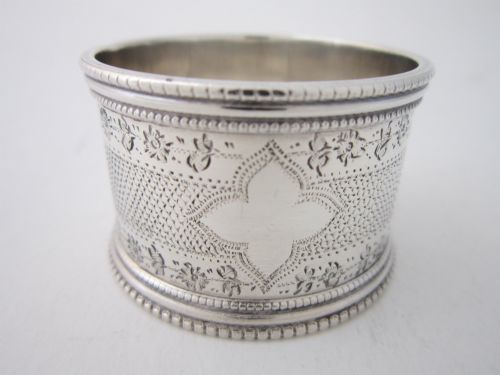
Solid silver serviette holders are table accessories designed to keep individual napkins tidy during meals. When you search for solid silver serviette holders, you encounter items shaped as simple bands, paired novelties and cased sets originating from the Victorian era through to the mid-century period.
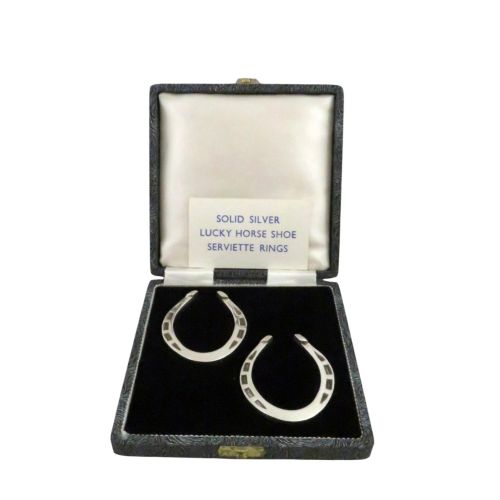
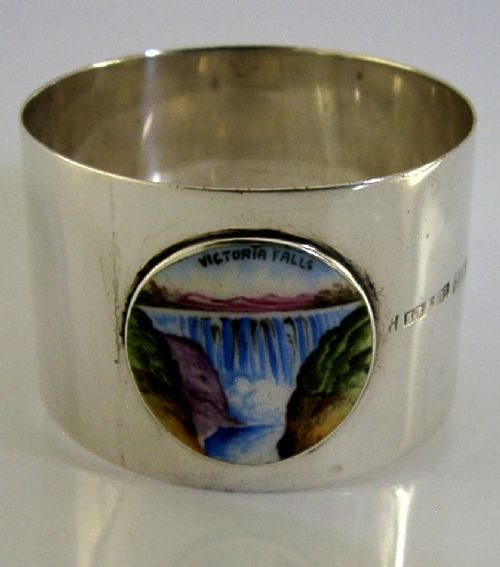
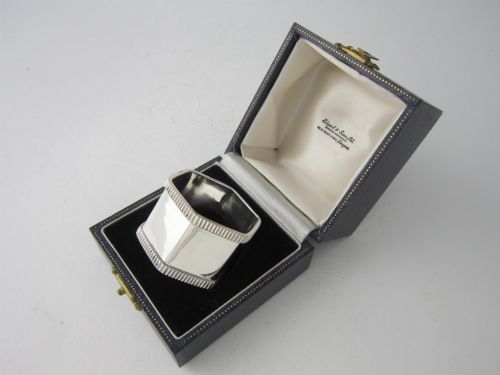
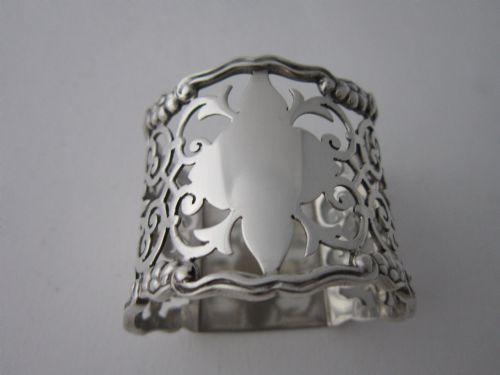
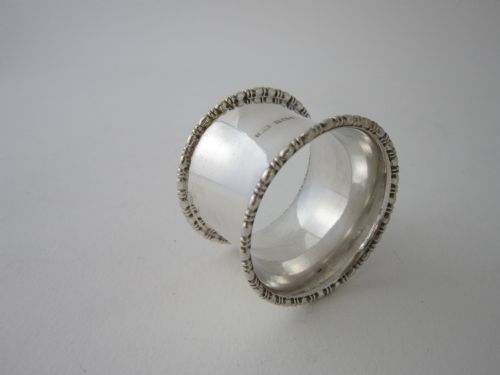
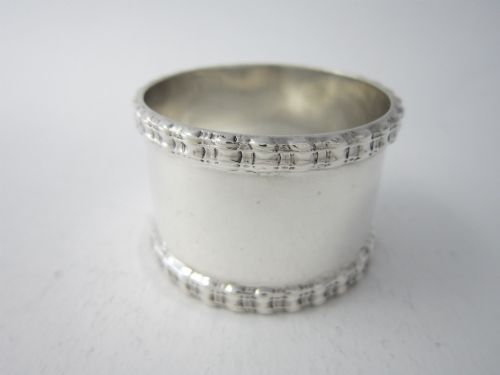
The versions most commonly met on this page date from the George V and Edwardian years, taking the form of circular sterling silver bands or matching pairs. Alongside these traditional forms, items appear with equestrian themes like horse shoes and stirrups, alongside fitted presentation cases lined with silk, velvet and leatherette.
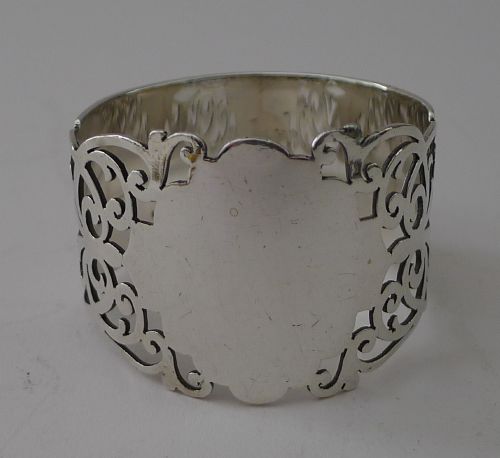
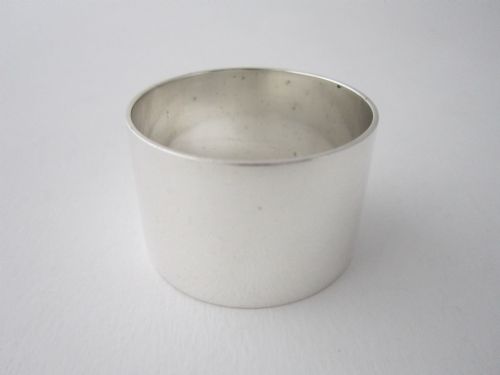
Makers from Birmingham, London and continental workshops produced these pieces in sterling silver and 800 silver. Styles range from plain polished designs and hammered surfaces to aesthetic movement patterns and colourful enamel work.
Materials and construction methods
Silversmiths shaped sterling silver and 800 silver into circular or shaped bands, often employing hammering techniques to create textured surfaces. Some pieces incorporate detailed novelty casting to form shapes like stirrups and horse shoes.
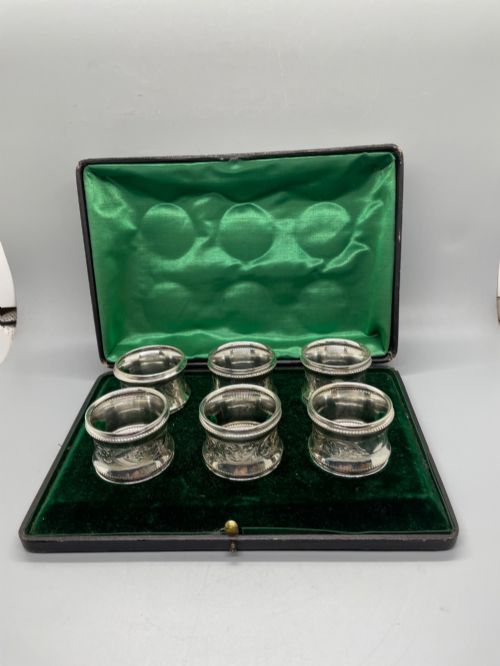
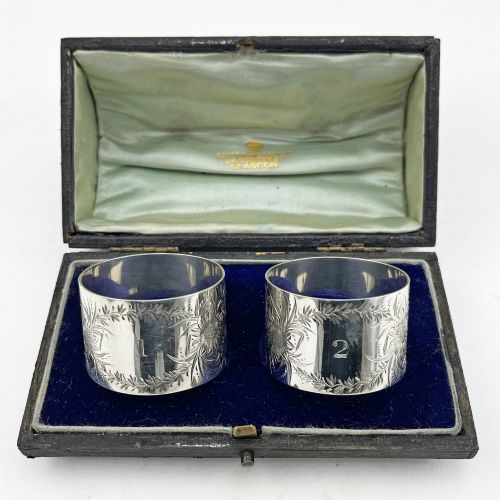
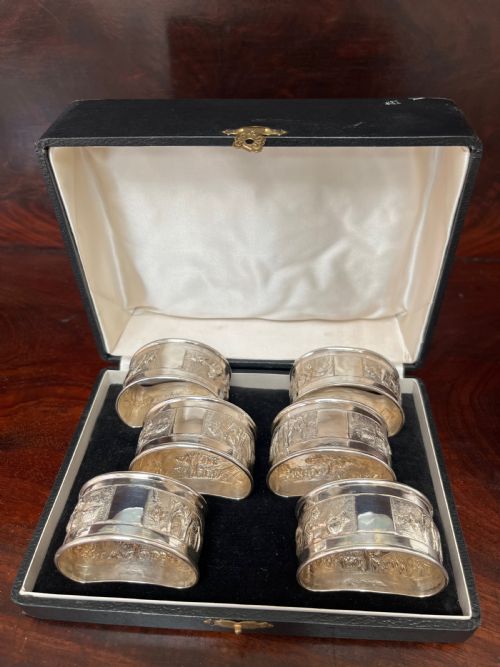
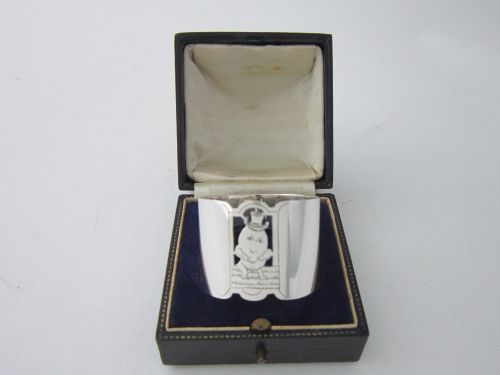
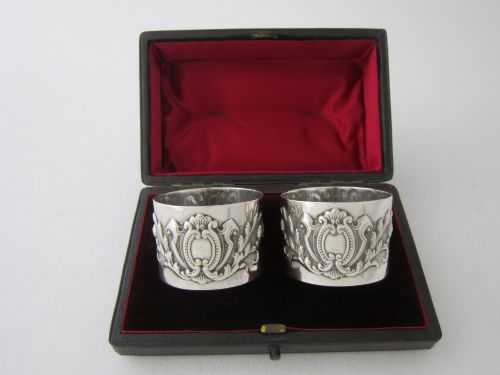
Internal presentation cases utilise materials such as silk, velvet and leatherette to cradle pairs and sets of rings securely. Hallmarks stamped into the metal record the assay town, purity and date of manufacture.
Solid Silver Serviette Holders Retail Price Guide 2026
Typical asking prices for solid silver serviette holders among the pieces listed under this phrase on Sellingantiques today, from the lower quarter to the upper quarter. They describe what is for sale here now, not the wider market.
Materials utilised across the items include sterling silver, 800 silver, silk, velvet, leatherette, enamel and fabric.
Distinctions in execution and origin
Quality rests on the weight of the metal and the clarity of the hallmarks stamped into the silver. Substantial gauge silver provides rigidity and permanence to the form.
Design complexity separates standard bands from specialised novelty items and pieces by notable makers. Presentation packaging, such as original fitted cases lined with silk or velvet, elevates the standing of a set.
Albert Edward Jones·R. E. Stone·Georg Jensen·C.T. Burrows & Sons·Mappin & Webb·Henry Wilkinson
The Solid Silver Serviette Holders Glossary
- Sterling silver
- A silver alloy containing 92.5 percent pure silver by mass, with the remainder consisting of other metals like copper. This standard alloy provides the durability required for daily dining use.
- Assay mark
- An official stamp indicating the purity of the metal and the office where it was tested. British pieces typically show a lion passant for sterling standard alongside city marks.
- Novelty napkin ring
- A holder shaped to resemble an object or creature outside the standard geometric form. Examples in this category replicate horse shoes, stirrups and charioteers.
- Cased set
- A collection of matching pieces housed in a fitted box. These boxes are often lined with silk, velvet or leatherette to protect the items during storage.
Solid Silver Serviette Holders: Frequently Asked Questions
How were silver serviette holders used?
These items were placed beside each setting at the dining table to hold individual napkins between meals. They helped households keep linen organised when laundering happened less frequently.
Families often assigned specific holders to individual members or guests for the duration of a house party. Cased sets ensured matching groups stayed together in the sideboard until required.
What periods do these silver holders span?
The pieces span from the late Victorian period through Edwardian times and the reign of George V. Later examples extend into the art deco and mid-century modern eras.
Design aesthetics shifted from ornate Victorian engraving to the clean lines of mid-century British and Scandinavian production. Hallmarks stamped on the metal provide precise dates for British items.
How do I identify a novelty design?
Novelty designs depart from the standard circular band to mimic recognizable objects, animals or transportation themes. Common examples include pieces shaped as stirrups, horse shoes or figural charioteers.
These items combine the practical function of a table holder with sculptural qualities. Silversmiths cast and chased the metal to capture realistic details of the subject.
What is the difference between cased and loose sets?
Cased sets include an original fitted box designed to hold a specific number of rings, often two or six. These presentation boxes feature interior linings of silk, velvet or leatherette.
Loose pieces or pairs were typically acquired individually or became separated from larger dining services over time. Single items and pairs appear frequently without original packaging.