
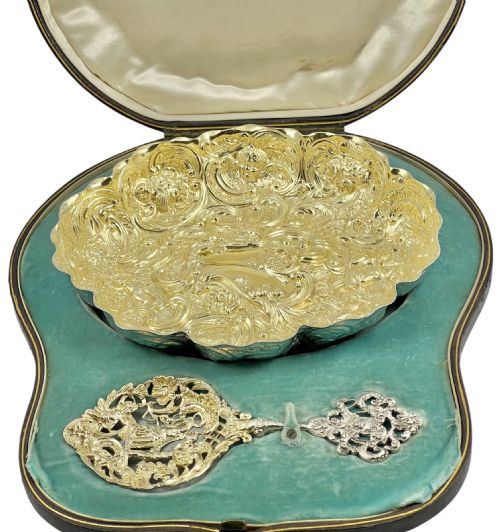


Solid Silver Repousse Bowl
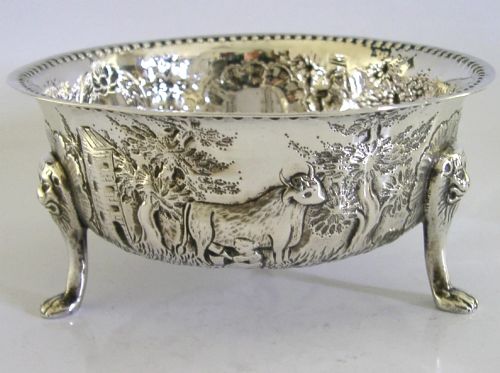
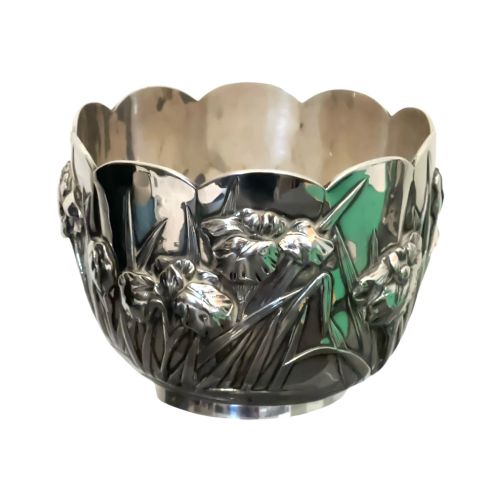
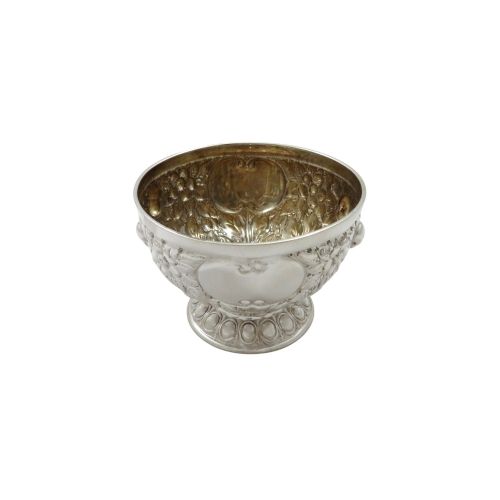
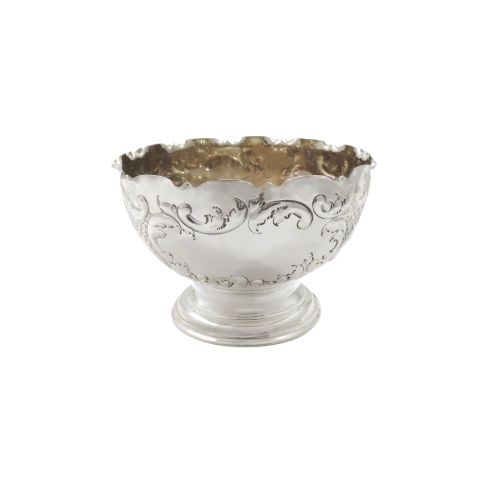
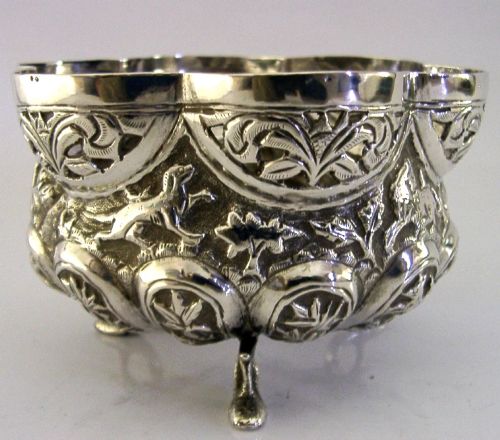
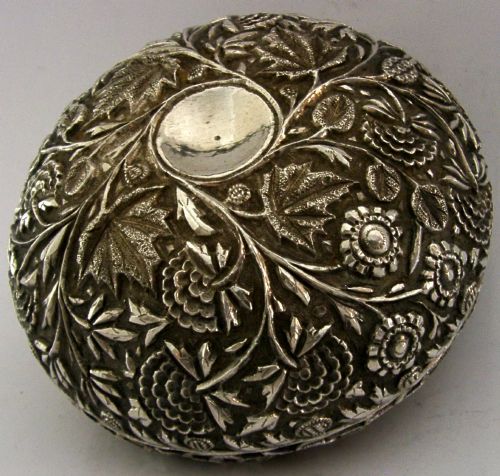
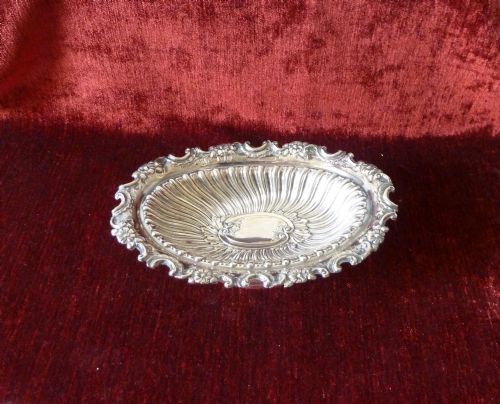
These solid silver repousse bowls display hammered and chased relief work from the Victorian, Edwardian, and Georgian eras.
Solid Silver Repousse Bowl
A solid silver repousse bowl is a decorative or serving vessel shaped with hammered relief ornament, frequently encountered from the Victorian period and around nineteen hundred. These pieces range from footed bowls and sugar basins to serving dishes and tazzas originating from British, European, and Asian workshops.
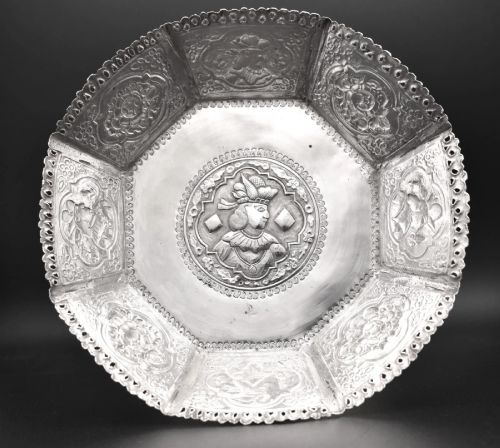
The selection here encompasses diverse regional styles, including Anglo-Indian Burmese pieces, Chinese export silver, and Dutch import items. Buyers will find both footed forms and wide dishes suited for display or table use.
What varies in quality
The distinction between standard production and superior work lies in the depth and crispness of the chased relief. Sharply defined figures and deep hammering demonstrate greater control by the silversmith than shallow, smoothed-out stamping.
Weight and structural thickness also separate the finer vessels from lighter pieces, alongside the complexity of regional ornamentation such as Burmese or Chinese figural scenes.
Listings span the nineteenth and twentieth centuries, featuring British hallmarks alongside Asian export pieces and European imports.
Martin Hall·Elkington And Co·Comyns
The Solid Silver Repousse Bowl Glossary
- Repousse
- A metalworking technique where the design is hammered into relief from the reverse side of the silver. This method creates three-dimensional patterns that catch the light.
- Chasing
- The complementary process of refining and sinking the metal from the front side after repousse work. It sharpens lines and adds fine textures to the raised design.
- Silver Gilt
- Silver that has been coated with a thin layer of gold on its surface. This finish often appears on the interior of sugar bowls and wine tasters.
- Tazza
- A shallow bowl or cup mounted on a foot and stem. These elevated vessels are designed for display or serving small items.
- Dish Ring
- An open-ended cylindrical stand, also known as a potato ring, placed on the dining table to support a bowl. They are frequently pierced and decorated with repousse work.
Solid Silver Repousse Bowl: Frequently Asked Questions
How do I clean a silver bowl?
Wash the silver gently in warm soapy water using a soft cloth, avoiding harsh abrasive dips that can damage the chased relief work.
Dry the vessel thoroughly with a lint-free cloth to preserve the finish without wearing down the raised details.
Were these bowls used for food?
Many of these vessels served specific dining functions such as holding sugar, serving fruit, or tasting wine during meals.
Others functioned primarily as decorative centerpieces or display dishes within the home.
How can I tell the period?
Look for hallmarks stamped on the silver, which indicate assay offices and specific years of production for British pieces. Stylistic clues like Victorian floral motifs or Meiji export designs also help date unmarked items.
Comparing the weight and construction methods provides further context regarding the era of manufacture.