


Solid Silver Hollowware
Solid silver hollowware comprises usable domestic vessels shaped from precious metal, offering enduring tactile weight and utility across dining and tea tables.
Solid Silver Hollowware
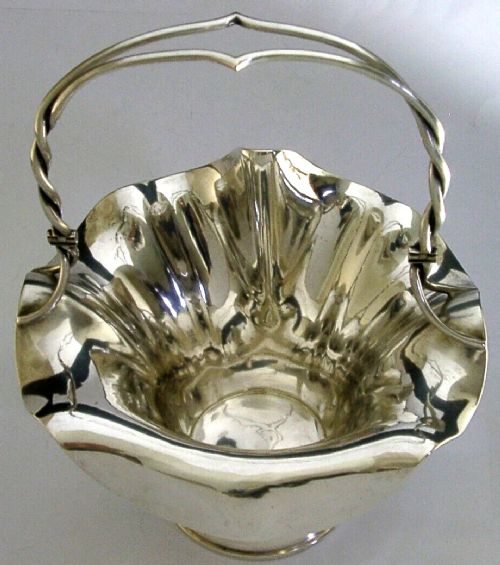
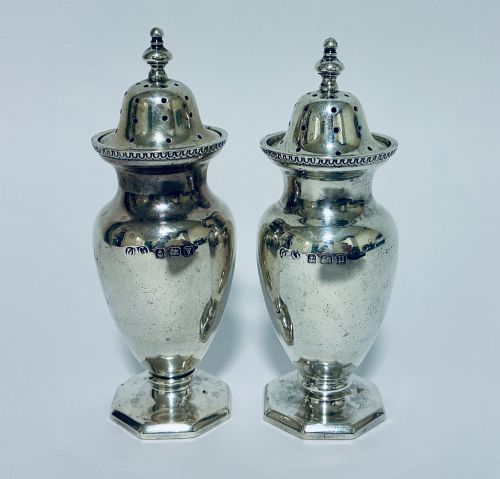
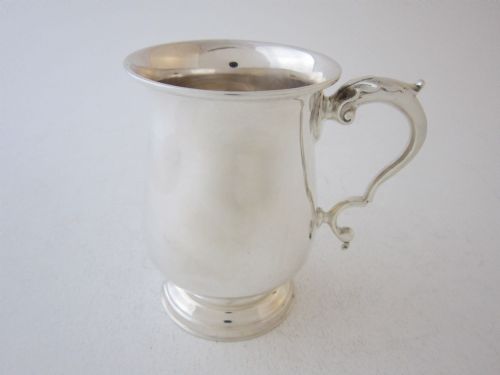
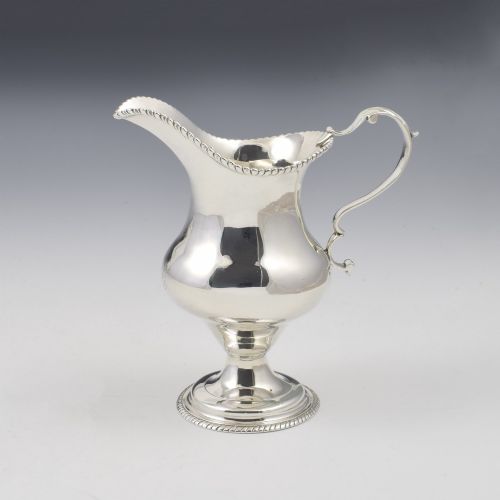
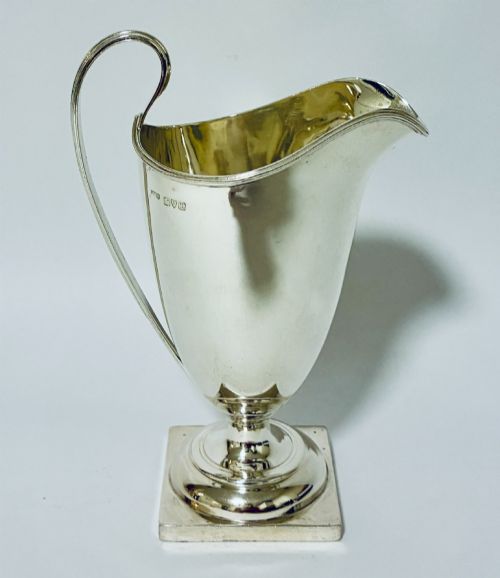
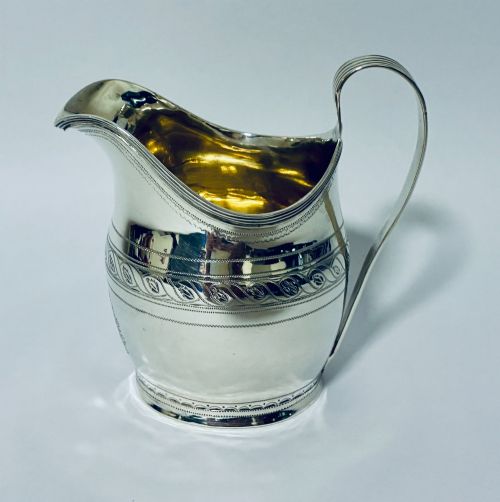
Solid silver hollowware encompasses three-dimensional vessels designed for the table, including teapots, cream jugs, sauce boats, bowls, and tankards. These items span periods from the eighteenth century through the Georgian, Victorian, and Edwardian eras up to the twentieth century, reflecting shifting domestic habits.
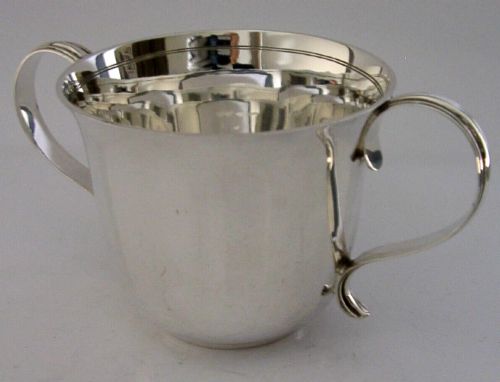
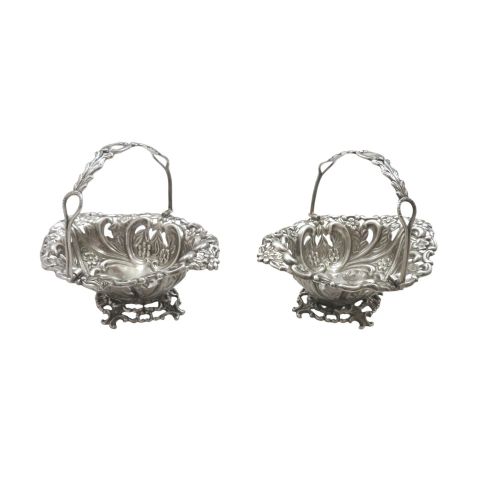
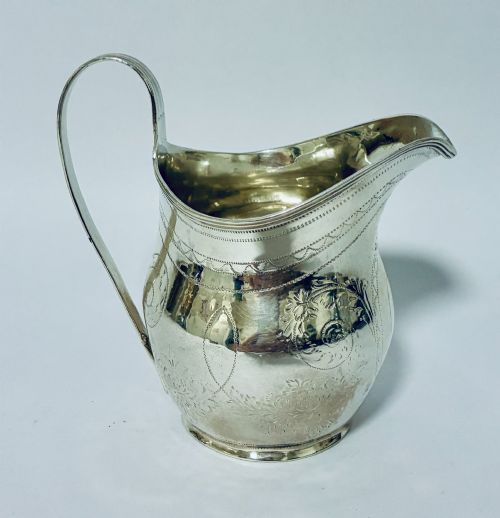
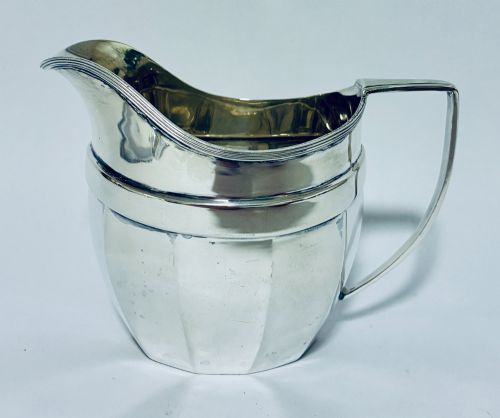
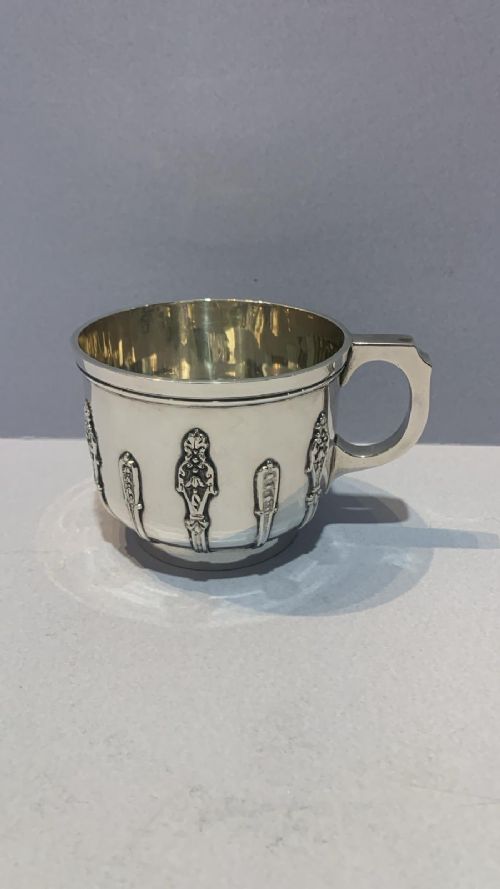
The version most commonly met on this page is the cream or milk jug, alongside christening mugs, teapots, and baskets. Pieces originate from English, Scottish, Irish, Dutch, and French workshops, utilising sterling silver, Britannia standard, and high-purity continental alloys.
Materials and technique
Makers shaped solid silver hollowware primarily through raising from a flat sheet of sterling or higher purity silver, hammering the metal over stakes to form the body. Cast components such as handles, feet, and rims were soldered onto the raised body.
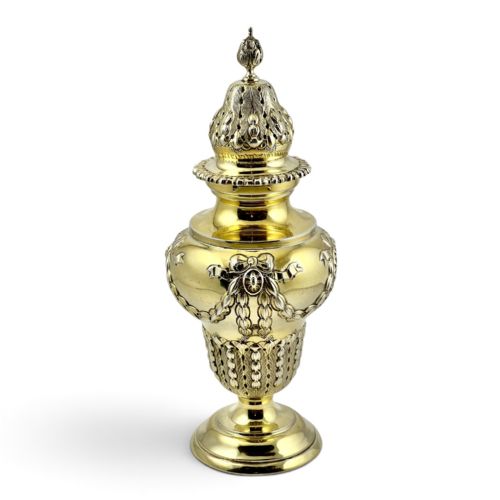
Surface embellishments include piercing, chasing, and engraving, sometimes accented with gold wash or silver-gilt interiors. Elements of wood and leather appear on handles and insulation fittings to manage heat transmission.
Miniature herb teapots allowed Georgian households to brew precious medicinal or culinary infusions in tiny, perfectly proportioned vessels.
What dictates quality
Quality rests upon structural gauge and the crispness of chased or pierced ornament, where heavier metal weight provides both physical substance and longevity. The balance of the vessel, the comfort of the handle, and the precision of the maker and hallmarking stamps govern its standing.
The integration of applied decoration without distortion of the vessel wall distinguishes superior examples. Hand-wrought surfaces retain the subtle evidence of the craftsman's hammer, separating bespoke Georgian items from later mass-produced wares.
Stalker & Mitchison·Martin Hall·Atkin Brothers·Robert Pringle & Sons·William Grundy·Puiforcat
The Solid Silver Hollowware Glossary
- Hollowware
- Tableware and vessels that possess internal volume, such as teapots, jugs, and bowls, as opposed to flatware like spoons and forks. This term defines the entire scope of three-dimensional silver items found in domestic settings.
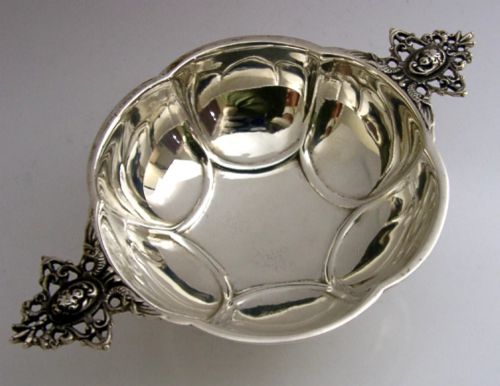
- Porringer
- A small, two-handled bowl used historically for porridges, soups, or broths, often given as a christening gift. These vessels feature either flat pierced ears or looped handles attached to a rounded body.
- Tea caddy
- A small container designed to store loose tea leaves securely before brewing. These boxes or canisters frequently include fitted lids and locks to protect valuable dry goods.
- Sauce boat
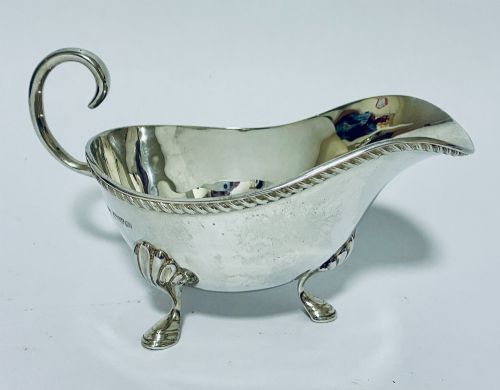
- An open vessel with a lip and handle designed for serving gravies or sauces at the dining table. They typically rest upon three feet or an integrated pedestal base.
- Gilt
- Silver that has been coated with a thin layer of gold, often applied to the interior of vessels like mugs and jugs to prevent corrosion from acidic contents. This technique provides a contrasting golden interior against the exterior silver surface.
Solid Silver Hollowware: Frequently Asked Questions
What is solid silver hollowware?
Solid silver hollowware refers to three-dimensional tableware items shaped from precious metal rather than flat items like spoons.
These pieces include teapots, cream jugs, tankards, and bowls intended for serving food and beverages.
How do I date antique silver?
Antique silver is typically dated using hallmarks stamped directly into the metal by official assay offices. These marks identify the maker, the town of assay, and a specific date letter corresponding to the year of manufacture.
Additional clues come from the prevailing style, such as Georgian rococo scrollwork or Edwardian neoclassical motifs.
How do I clean solid silver hollowware?
Solid silver hollowware is cleaned using specialised silver polish and a soft cloth to remove tarnish without abrading the metal surface. Washing should be done by hand in warm soapy water, avoiding harsh detergents and dishwashers.
Regular handling naturally retards tarnish on prominent areas, while stored items benefit from anti-tarnish cloths.
Were these pieces used daily?
Many items, such as cream jugs, teapots, and tankards, were manufactured for active domestic service on dining and tea tables. Other objects like christening mugs and decorative baskets served ceremonial or presentation roles within families.