


Solid Silver Fruit Bowl
A solid silver fruit bowl brings substance and shine to a table, combining practical holding space with decorative craftsmanship.
Solid Silver Fruit Bowl
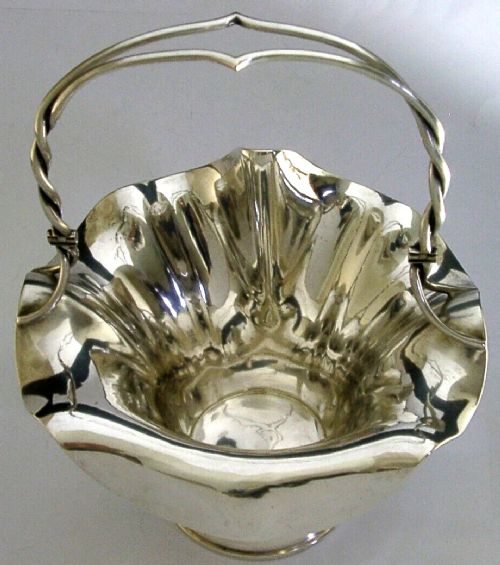
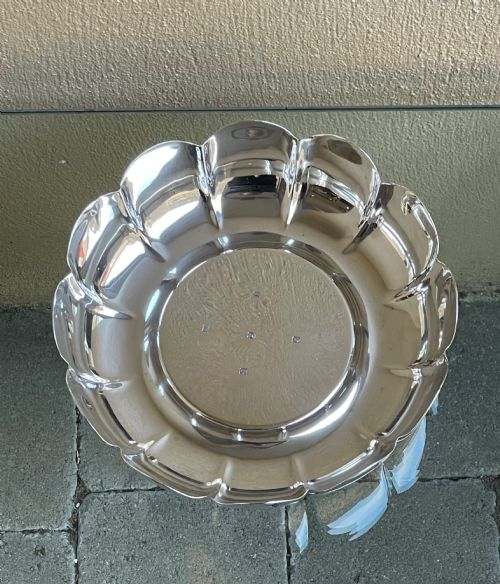
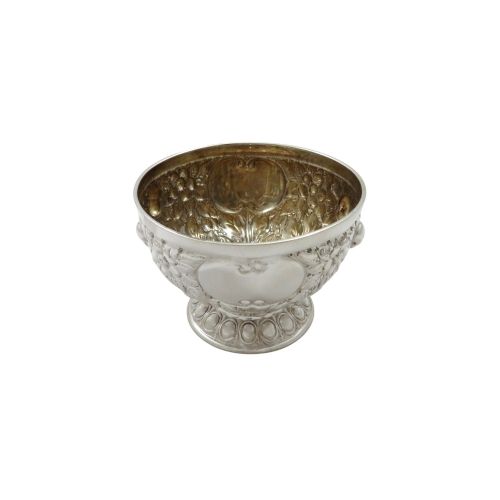
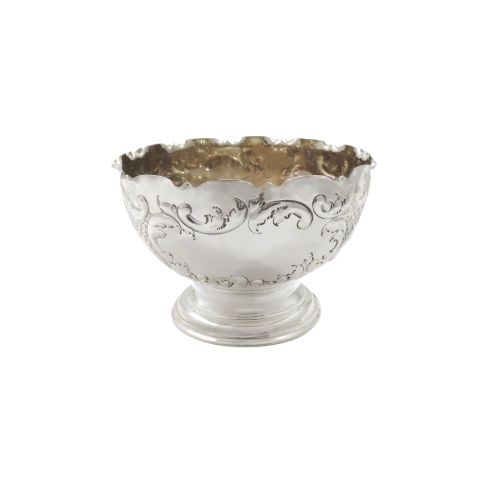
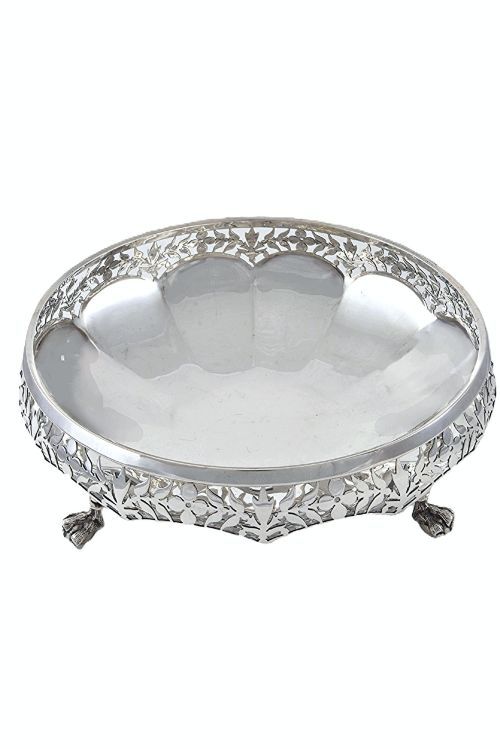
A solid silver fruit bowl serves as a striking centrepiece, with designs ranging from heavy Edwardian pedestal dishes to intricate Victorian pierced baskets.
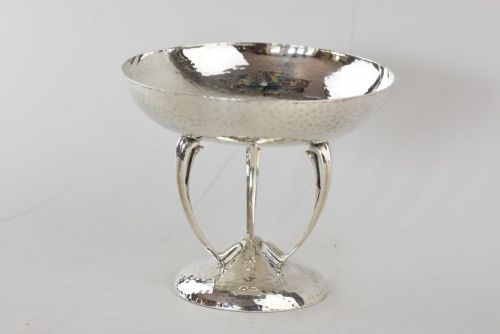
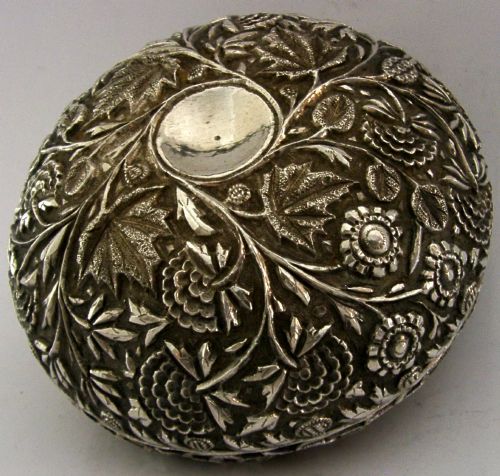
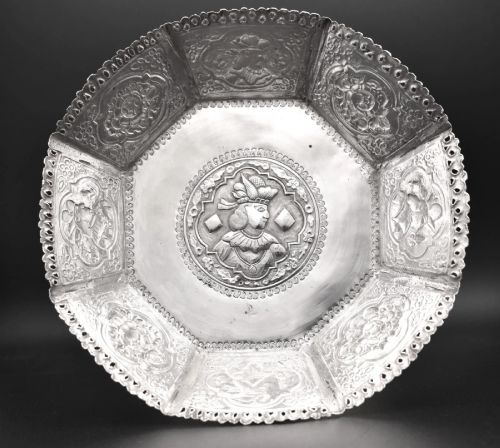
Buyers will encounter many variations on this page, including Art Nouveau vessels, George V footed bowls, and ornate Anglo-Indian or Chinese export pieces.
These items function primarily as decorative bowls or serving dishes, often featuring handled baskets, tazzas, and lattice work created to hold fruit or bread.
How they were made
Silversmiths shaped sterling and solid silver through hammering, planishing, and repoussé techniques, creating textured surfaces that catch the light.
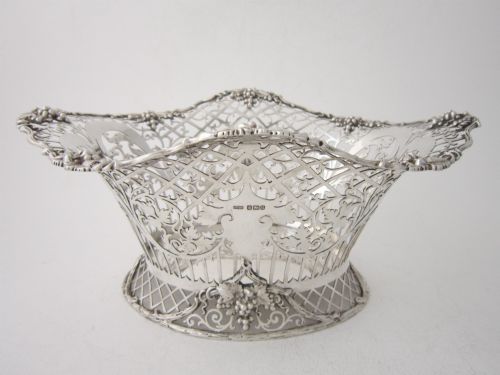
Many examples incorporate detailed piercing, fretwork, and wirework to form delicate lattice patterns around the rim or body of the bowl.
Certain pieces utilise silver-gilt finishes or include supportive elements like cast feet and attached handles for structural balance.
Some Victorian baskets feature handles designed to drop flat when the fruit bowl sits empty.
What varies in quality
Substantial weight and gauge of the metal dictate the structural integrity of the bowl, separating robust centrepieces from lighter vessels.
The precision of hand-chased repoussé work, intricate piercing, and hammered surfaces distinguishes master silversmith output from standard production.
Maker marks and clear hallmarks add historical authority, while complex forms involving multiple components reflect greater labour in the workshop.
Goldsmiths and Silversmiths Company·Hamilton and Inches·Joseph Rodgers·William Comyns·Hammond Creake and Co·William Hutton and Sons·Tiffany and Co·Martin Hall·Elkington and Co·Whiting Co·S Kirk and Son Company·Walker and Hall·Cooper Brothers
The Solid Silver Fruit Bowl Glossary
- Repoussé
- A metalworking technique where the silversmith hammers the design from the reverse side to form raised ornamentation on the front.
- Piercing
- The cutting away of sections of silver to create openwork patterns like lattices, scrolls, and fretwork.
- Tazza
- A shallow bowl or dish mounted upon a stem and foot, often used for serving fruit or sweetmeats.
- Planishing
- A hammering technique utilising a smooth-faced hammer to refine the surface texture and harden the silver.
- Silver-gilt
- Sterling silver that has been coated with a thin layer of gold on its surface, sometimes referred to as vermeil.
Solid Silver Fruit Bowl: Frequently Asked Questions
How do I clean a solid silver fruit bowl?
Use a soft microfiber cloth and a mild, specialised silver cleaner to remove tarnish without scratching the delicate hammered or pierced surfaces. Avoid harsh abrasive pads that can wear down the fine details of repoussé work.
Store the bowl in a dry environment away from direct sunlight, and wrap it in acid-free tissue paper if you plan to keep it stored in a cabinet for extended periods.
Can I use these bowls for actual fruit?
These bowls are entirely functional and suitable for holding dry fruits, bread, or decorative items just as they were originally intended.
Avoid leaving highly acidic fruits like citrus sitting directly on the silver surface for long periods, as prolonged contact can occasionally react with the metal.
How do I identify the date of a silver bowl?
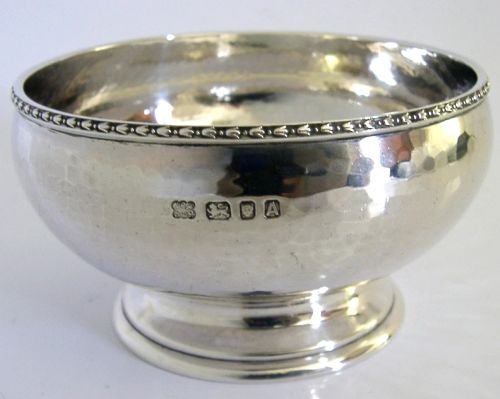
British pieces typically feature a series of hallmarks stamped into the metal, including a leopard's head, an anchor, or a crown indicating the assay office.
Additional marks include a standard mark like a lion passant for sterling silver and a distinct date letter that corresponds to the specific year of manufacture.
What is the difference between a bowl and a tazza?
A standard bowl sits directly on a flat base or small feet, whereas a tazza is elevated on a central stem above a distinct footed base.
Both forms served similar display and serving functions on dining tables, but the pedestal design of the tazza places greater emphasis on height and vertical presentation.