
Solid Silver Drinking Cup
A solid silver drinking cup brings tangible weight and historic craft to the table, whether you seek a Georgian mug or an Edwardian quaich.
Solid Silver Drinking Cup
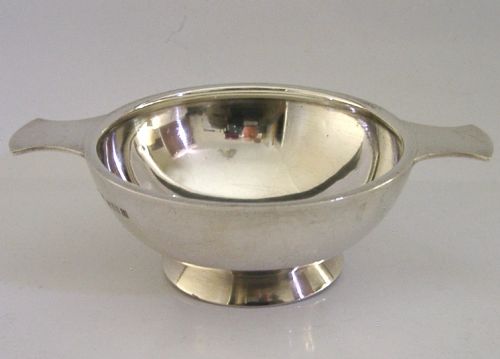
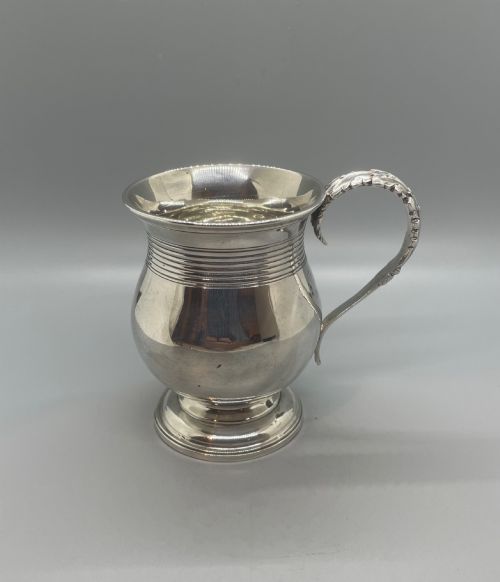
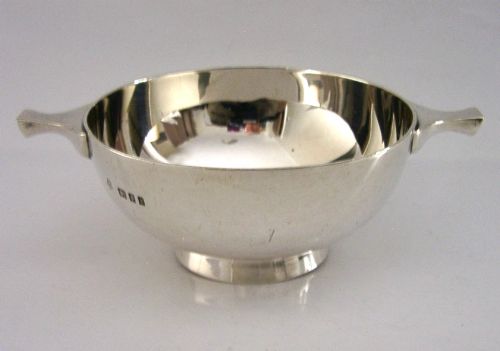
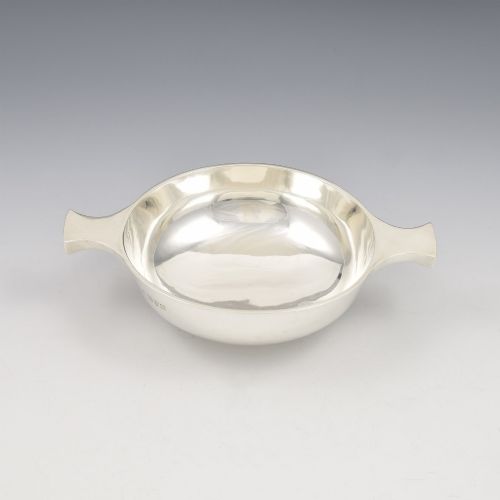
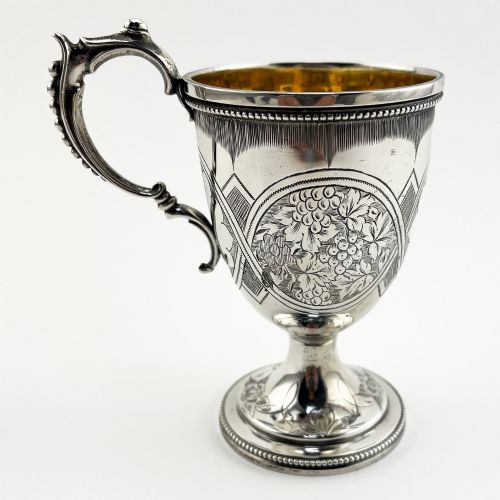
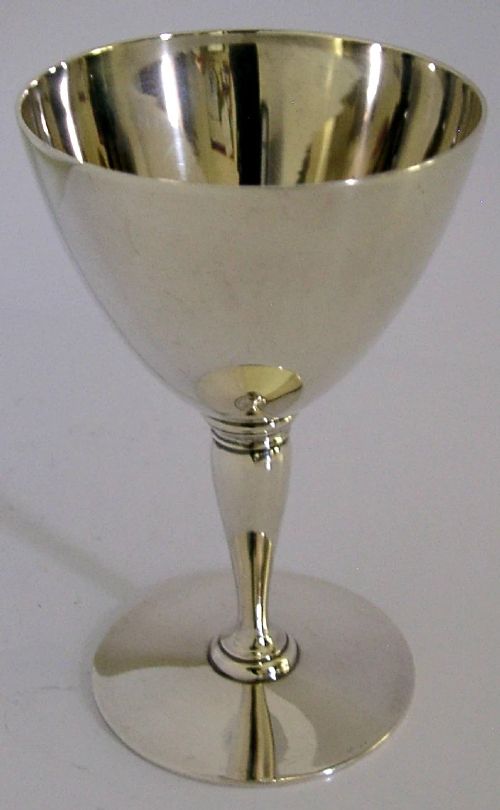
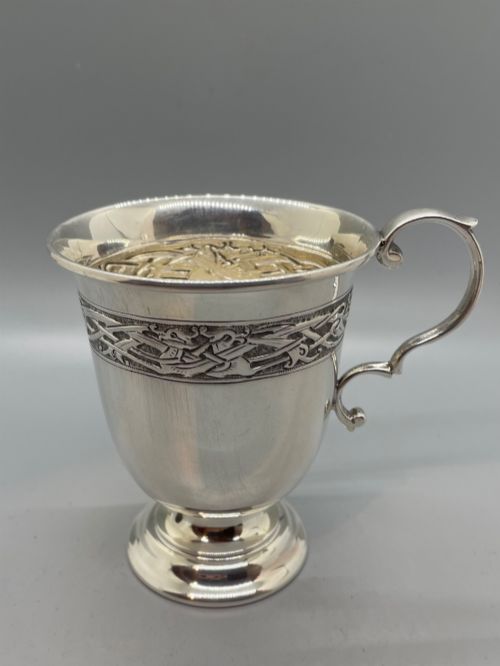
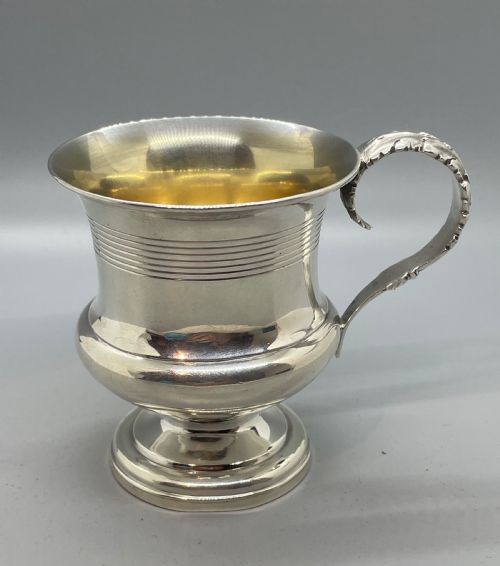
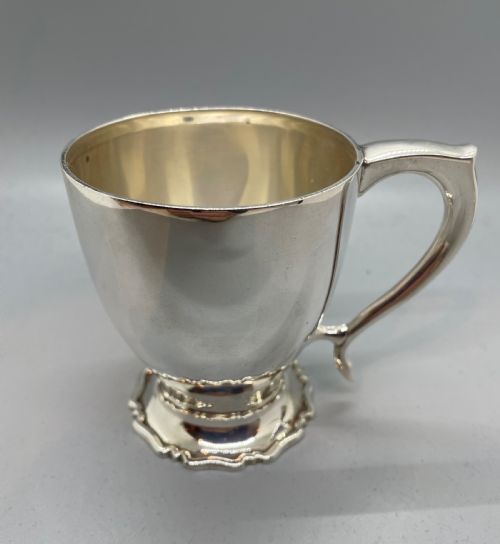
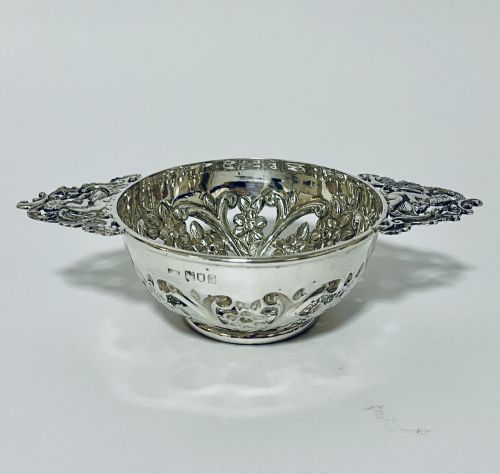
When you search for a solid silver drinking cup, you encounter a wide array of drinking vessels spanning multiple centuries and stylistic movements. The selection encompasses sturdy tankards, christening mugs, elegant goblets, and traditional two-handled quaiches.
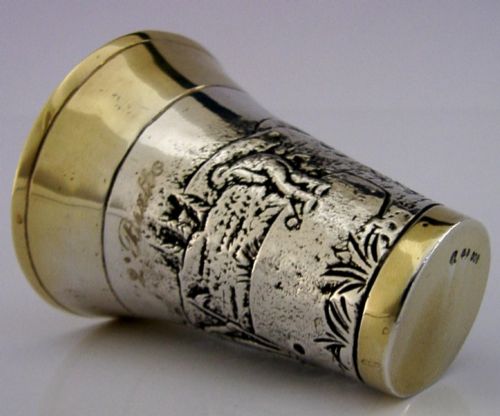
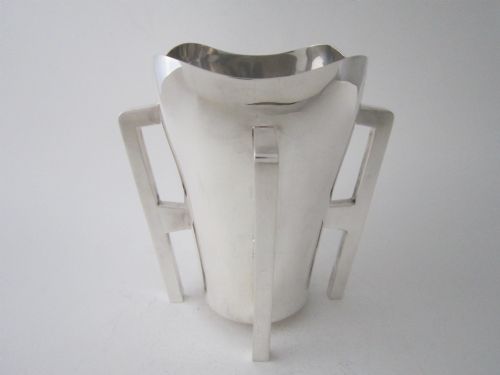
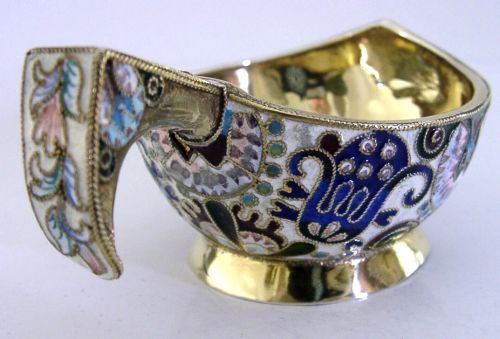
Georgian examples often display vase-shaped bodies or bright-cut engraving, while later Edwardian and Art Deco pieces lean toward clean geometric lines or specialised forms like cocktail glasses. Continental European pieces also appear, including German beakers, Russian enamel kovsh cups, and Dutch figural items.
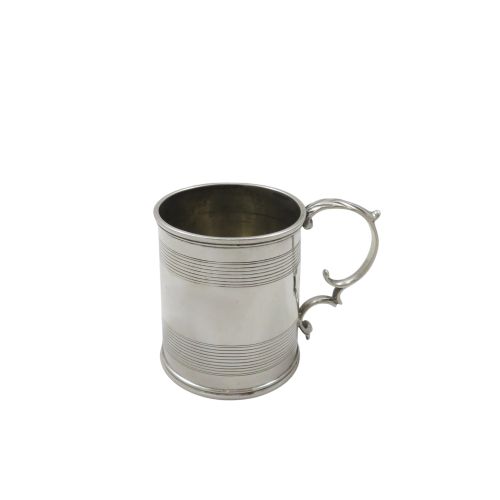
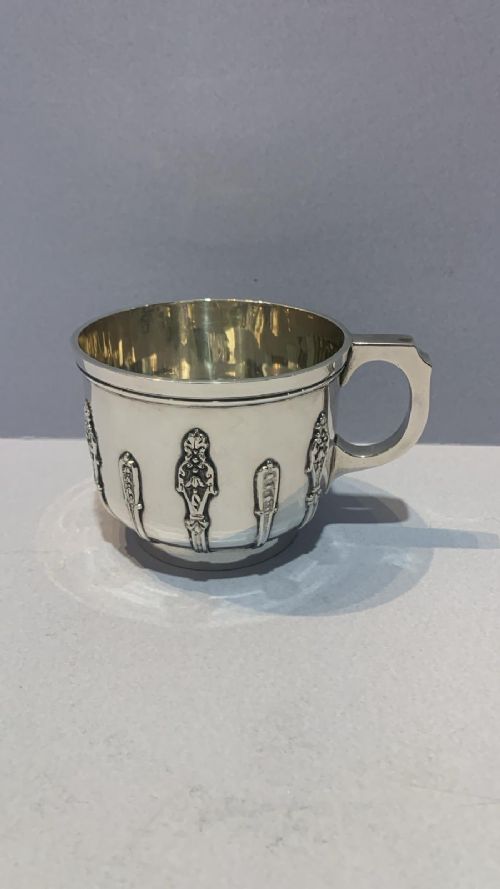
Christening mugs form a distinct subset of these drinking vessels, frequently presenting compact proportions intended for ceremonial gift-giving. Larger pint mugs and tankards provide the heavier, more substantial domestic vessels used across the eighteenth and nineteenth centuries.
Materials and construction methods
Silversmiths constructed these vessels primarily using sterling silver, alongside lower-purity options such as 800 silver and Britannia standard silver. Many pieces incorporate decorative surface treatments, utilising parcel-gilt, full gold gilt, or silver-gilt interiors to contrast with the polished exterior metal.
Specialised items integrate contrasting elements, such as cloisonne enamel work on Russian pieces or cut glass bodies paired with silver mounts on Edwardian tyg cups. Handcrafting techniques involve raising sheet silver, casting handles, and applying detailed chasing or bright-cut engraving by hand.
Materials across the inventory include standard sterling silver, 800 silver, Britannia standard, and gold-gilt surfaces alongside cloisonne enamel.
Quality factors in silver drinking vessels
The standard of a solid silver drinking cup depends heavily on the crispness of its hand-engraved details and the structural integrity of applied handles and rims. Pieces retaining strong, unrubbed hallmarks and clear maker stamps command greater respect from collectors.
The weight of the metal relative to the size of the vessel indicates the original grade of manufacture, distinguishing heavy domestic tankards from lighter commemorative items. Additionally, the survival of original gilding and undamaged enamel work elevates the standing of decorative variants.
Nathan and Hayes·William Eaton·George Ernest Hawkins·Tiffany and Co
The Solid Silver Drinking Cup Glossary
- Quaich
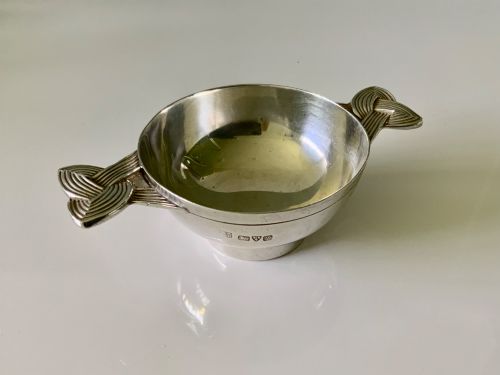
- A traditional Scottish two-handled drinking vessel used for sharing a toast. These shallow bowls often feature simple or Celtic-inspired lug handles.
- Tyg
- A large drinking cup featuring three or more vertical handles designed to be passed around a table. This form dates back centuries and appears with silver and glass bodies.
- Tankard
- A tall, cylindrical drinking vessel with a single handle, frequently fitted with a solid base for stability. Many historic examples served as domestic mugs or presentation pieces.
- Parcel-gilt
- A decorative technique where only specific portions of a silver object receive a gold wash. This method highlights interior bowls, rims, or engraved crests against the silver ground.
- Bright-cut engraving
- A faceted engraving technique cut with angled gravers that reflects light from multiple directions. Makers utilised this method extensively on Georgian goblets and mugs.
Solid Silver Drinking Cup: Frequently Asked Questions
What is a quaich?
A quaich is a shallow, two-handled drinking vessel originating in Scotland, traditionally used for offering a welcoming drink to guests.
These vessels feature distinctive flat lug handles projecting from opposite sides of the bowl, allowing both hands to steady the cup during a toast.
How do I clean antique silver?
Cleaning antique silver requires a soft cloth and a specialised silver polish formulated to remove tarnish without abrading the surface.
Avoid harsh dips or abrasive scrubbing brushes that can wear away delicate engravings, thin gold gilt layers, or historic hallmarks.
Are these cups safe for drinking?
Most solid silver drinking cups are chemically safe for beverages, provided the interior surfaces are clean and free from harmful tarnish or corrosion.
However, fragile pieces featuring delicate cloisonne enamel, heavy gilding wear, or delicate antique structures are better preserved as display objects rather than daily tableware.
What are hallmarks?
Hallmarks are official stamps struck into precious metal objects to certify the purity of the silver, the location of the assay office, and the date of manufacture.
These small stamped marks allow historians and collectors to trace a drinking vessel back to its exact year of creation and identify the workshop that produced it.