
Solid Seat Hall Chairs
Solid seat hall chairs are robust wooden seats designed for entranceways, combining sturdy utility with formal decorative carving.
Solid Seat Hall Chairs
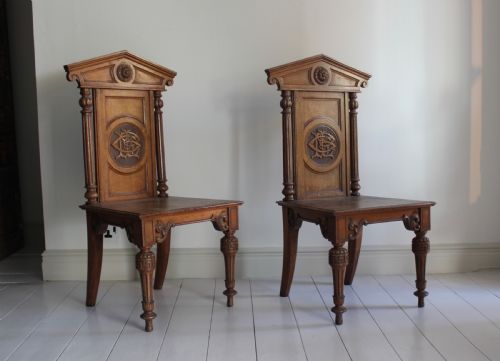
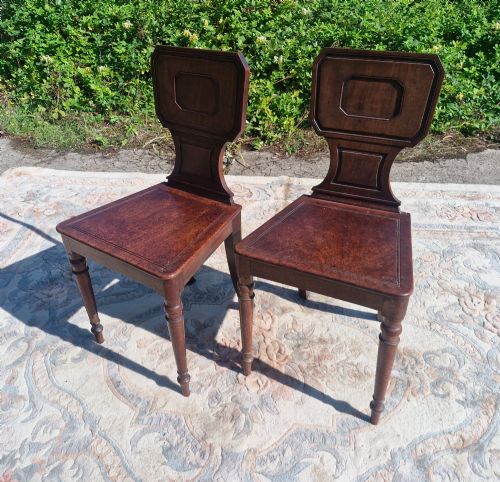
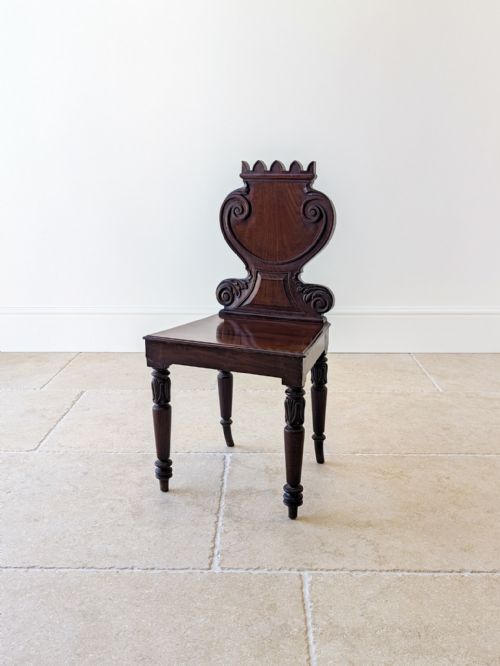
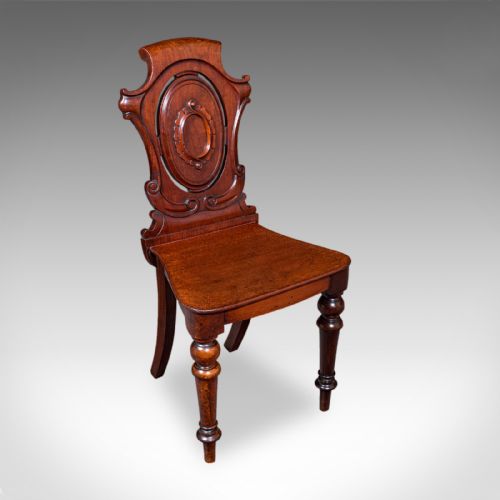
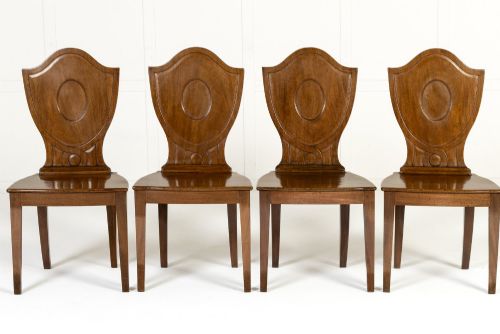
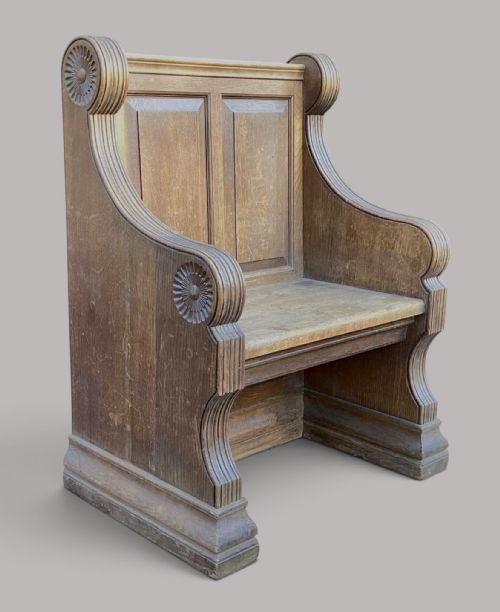
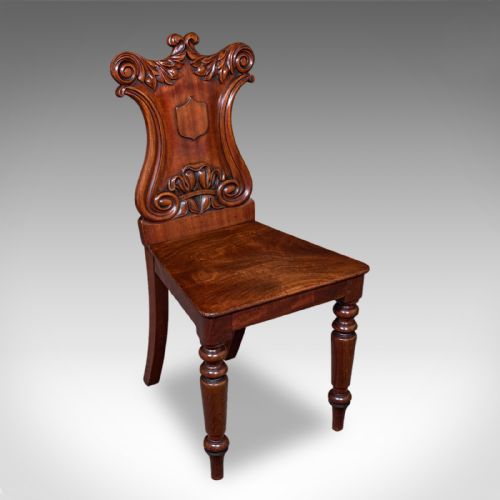
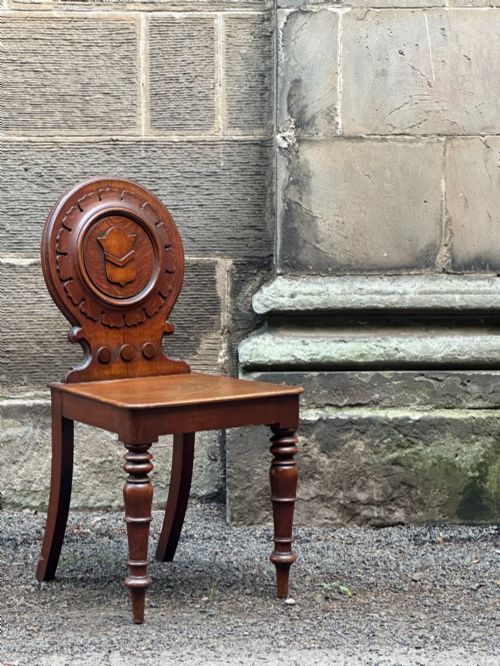
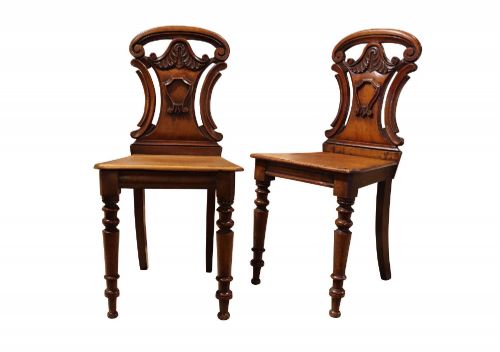
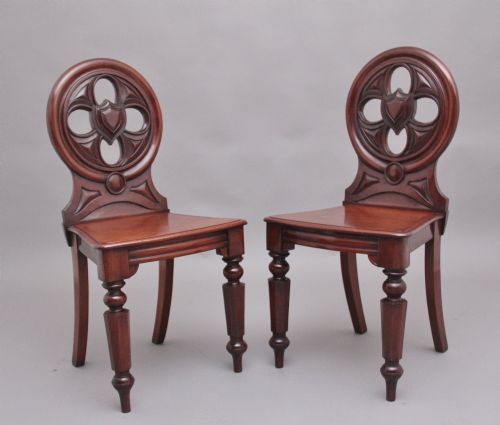
Solid seat hall chairs are formal wooden seating pieces designed for entrance halls, vestibules and reception rooms. The pieces on this page span the eighteenth, nineteenth and early twentieth centuries, encompassing periods from Georgian and Regency through to Victorian and Edwardian eras. Buyers frequently encounter mahogany and oak examples, often formed as pairs or sets featuring carved shield backs, pelta backs or plain solid wooden seats.
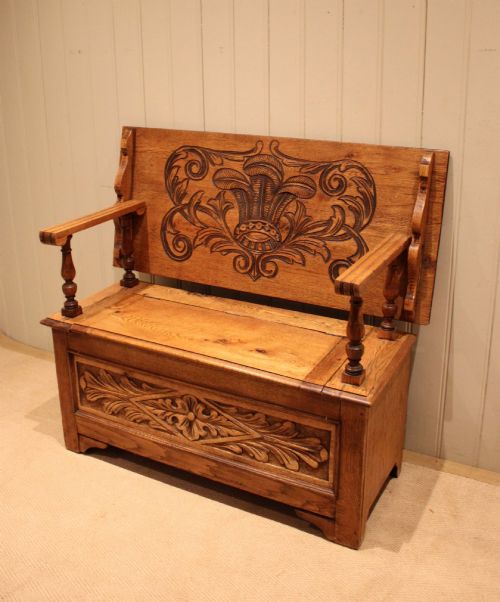
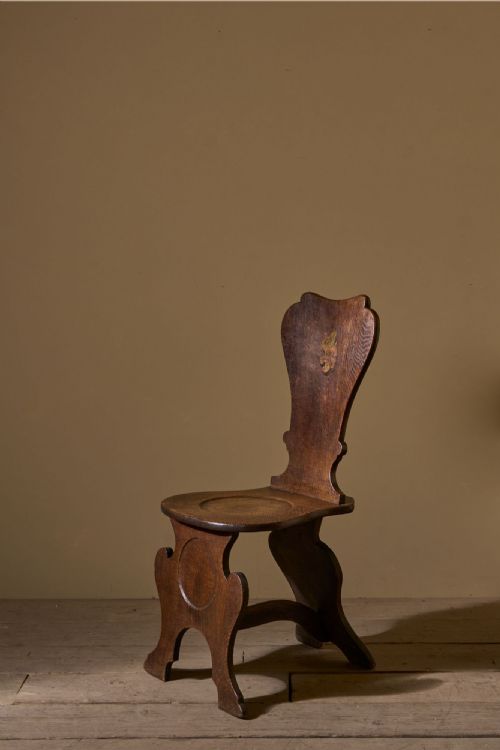
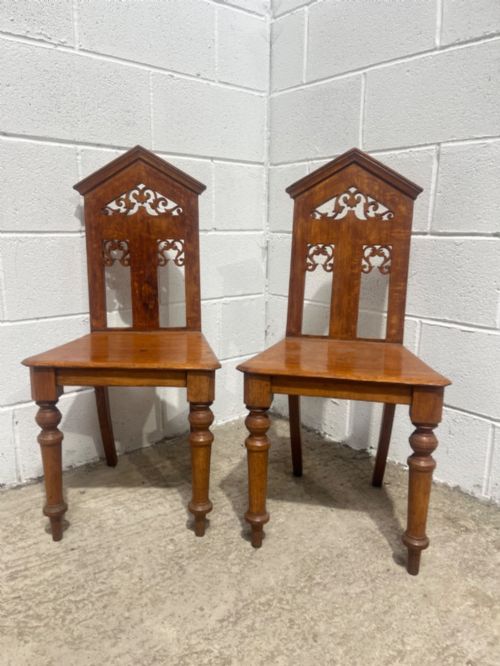
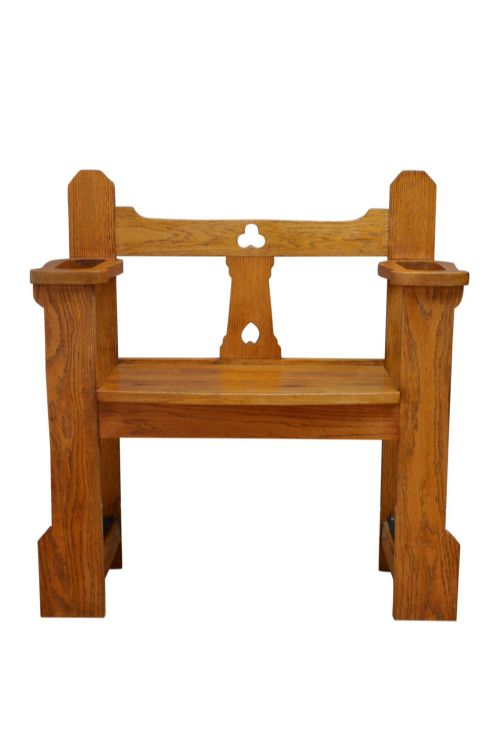
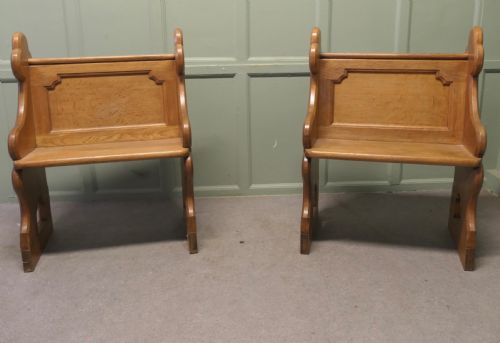
Makers and regional workshops produced these items in various revival styles, including Gothic Revival, Jacobean Revival and Arts and Crafts. While the primary forms are single hall chairs and matching pairs, the selection also includes occasional side chairs, architectural benches and chapel seats. These timber seats served a utilitarian purpose for guests waiting in entranceways while displaying the crest, heraldic shield or status of the household.
How They Were Made
Makers constructed solid seat hall chairs primarily from dense timbers such as mahogany, oak and walnut, occasionally utilising satinwood for specific regional pieces. Woodworkers shaped the solid wooden seats from single planks or joined boards, mounting them on turned, fluted or sabre legs. Carving was executed directly into the timber, particularly on the solid or shield-shaped backrests which often incorporated heraldic motifs or architectural details.
Joinery methods relied on mortise and tenon joints to withstand the heavy use associated with entranceways and reception areas. Brass fixings occasionally appeared on specific revival models, while painted finishes or dark wax polishes were applied to enhance the grain of the oak and mahogany. Cabinetmakers shaped the back panels using hand saws and chisels, creating flat or dished solid wooden seats designed without upholstery.
Solid Seat Hall Chairs Retail Price Guide 2026
Typical asking prices for solid seat hall chairs among the pieces listed under this phrase on Sellingantiques today, from the lower quarter to the upper quarter. They describe what is for sale here now, not the wider market.
What Varies in Quality
Quality in solid seat hall chairs depends heavily on the crispness of the timber carving and the grade of the primary wood selected. Dense, well-figured mahogany or quarter-sawn oak displays superior grain pattern and structural integrity compared to softer secondary woods. The depth and definition of carved heraldic shields, pelta backs or architectural mouldings separate standard production pieces from finer cabinet-maker output.
The weight and thickness of the solid timber seat also indicate quality, with heavier, unwarped single-board seats representing superior construction. Furthermore, attribution to known makers or documented workshops elevates the standing of a piece within the period. The harmony of proportions between the upright backrest and the rigid wooden base dictates the overall visual success of the chair.
Gillows
The Solid Seat Hall Chairs Glossary
- Shield back
- A chair back shaped in the outline of a heraldic shield, frequently carved with crests or foliage on hall chairs.
- Pelta back
- A backrest design shaped like a classical shield with curved cut-outs, seen on nineteenth-century hall seating.
- Sgabello
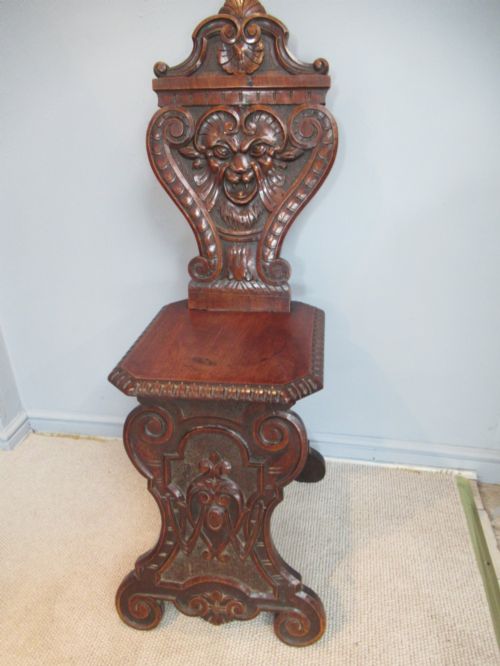
- An early form of Renaissance-revival chair featuring a solid wooden seat supported by boarded trestle legs rather than four conventional posts.
- Quarter-sawn
- Timber cut radially across the annual growth rings, producing a stable board with prominent medullary rays characteristic of quality oak furniture.
- Monks bench
- A convertible piece of furniture functioning as a seat with a back that folds down to form a small table.
Solid Seat Hall Chairs: Frequently Asked Questions
Where were hall chairs placed?
These chairs were placed in entrance halls, corridors, vestibules and grand reception spaces of period houses. They served as formal furniture rather than comfortable lounge seating.
Due to their narrow proportions, they fit easily against hallway walls beneath mirrors or coat racks.
How do I date a hall chair?
Dating relies on identifying the timber, style and carving techniques characteristic of specific periods like Regency, Victorian or Edwardian. Regency pieces often feature sabre legs and classical motifs, while Victorian examples lean toward heavier carved oak or mahogany.
Construction methods, such as the type of joinery and saw marks on the underside, also help confirm the age of the timber.
Are hall chairs comfortable to sit on?
Solid seat hall chairs were built for formality and posture rather than long periods of relaxation. The rigid timber seats and upright wooden backs encourage an erect sitting position.
They function best as occasional accent seats or architectural statements in a hallway rather than everyday dining chairs.