

Solid Oak Storage Drawers
Solid oak storage drawers bring heavy timber utility and centuries of carpentry straight into your bedroom or study.
Solid Oak Storage Drawers
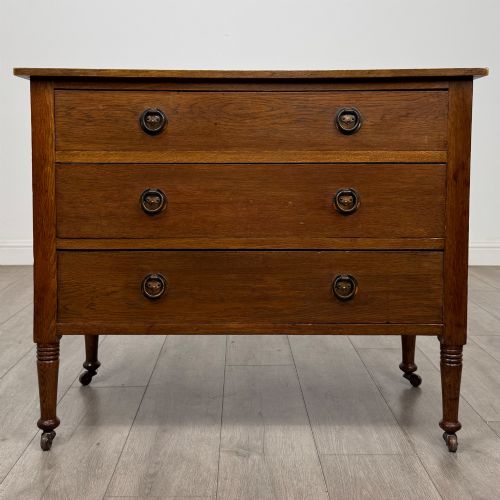
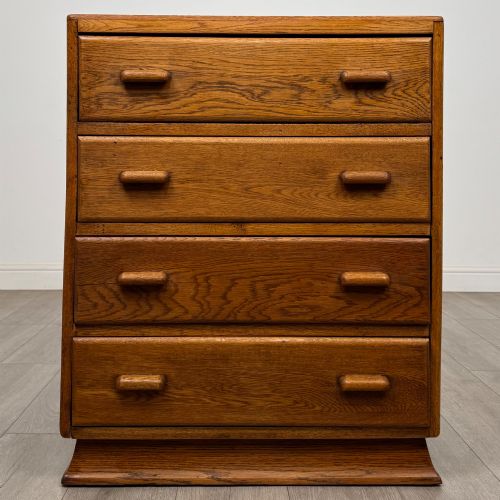
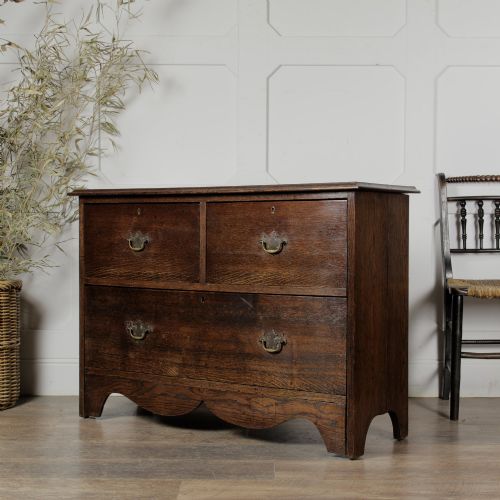
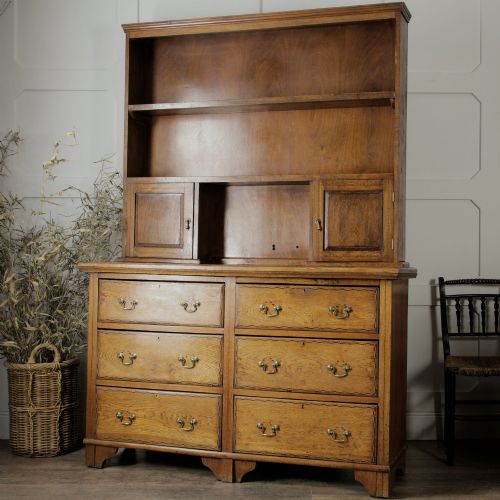
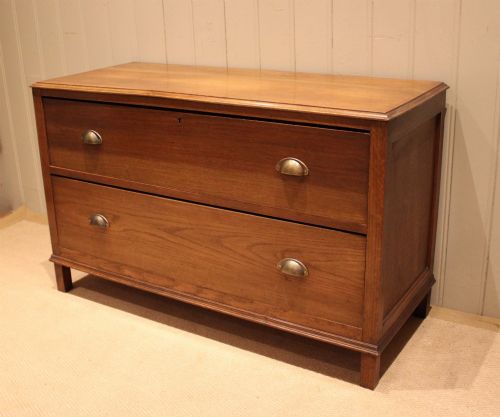
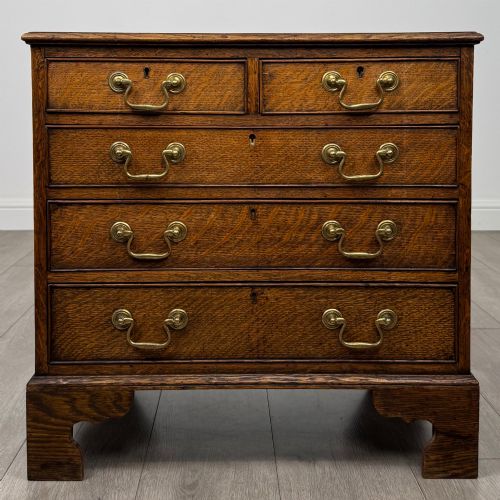
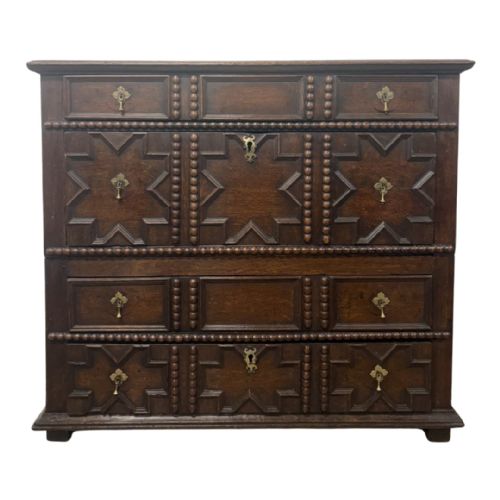
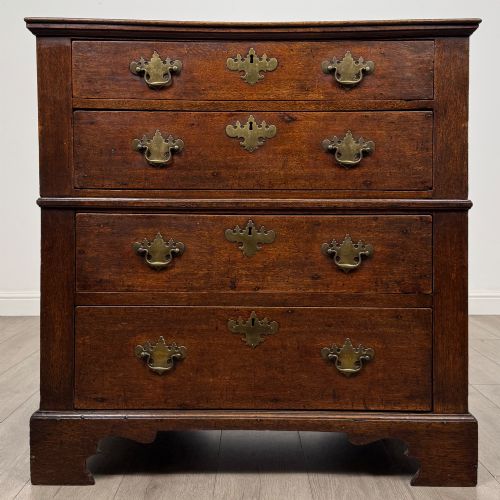
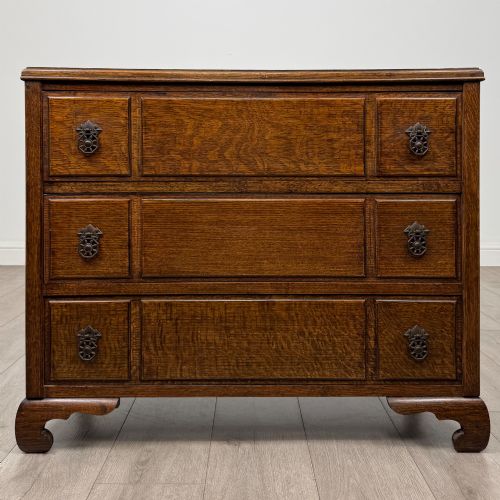
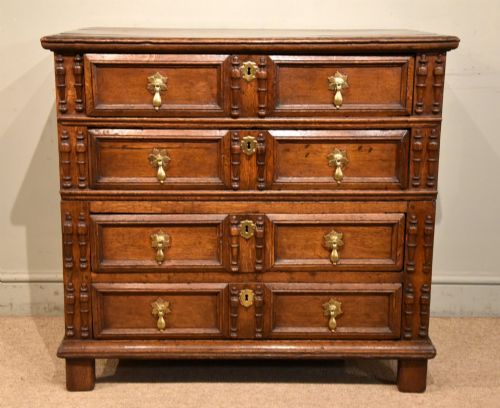
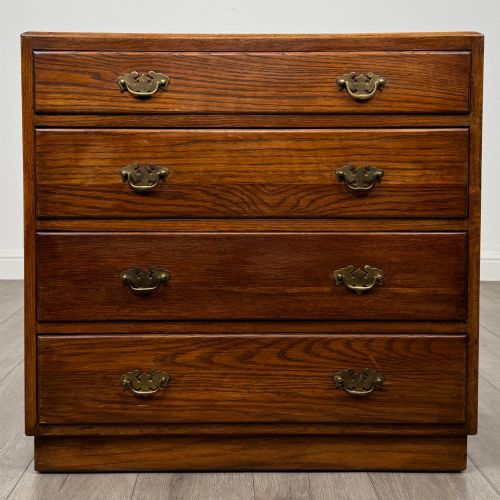
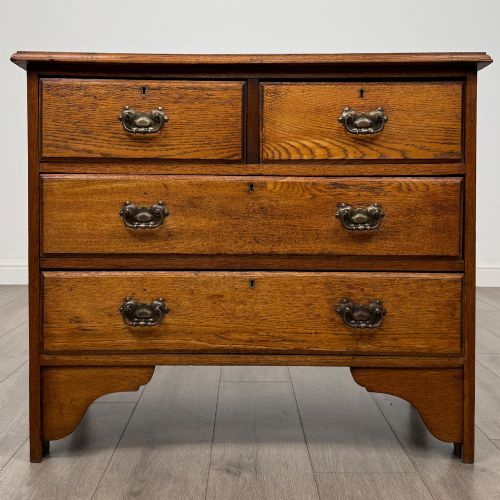
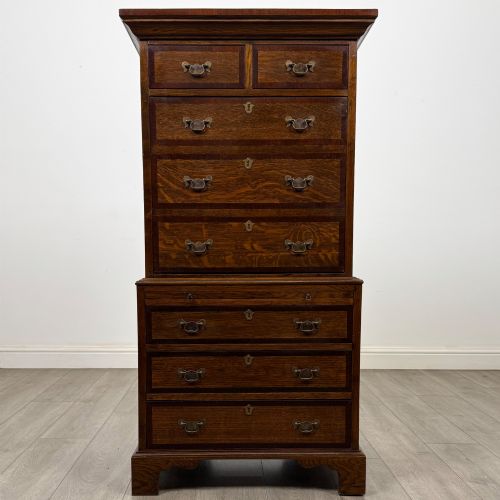
Solid oak storage drawers span several centuries of British cabinet-making, ranging from seventeenth-century geometric designs to twentieth-century utilitarian pieces. When you search for solid oak storage drawers, you encounter everything from seventeenth-century chests with moulded fronts to Edwardian tallboys, filing cabinets and Arts and Crafts dressers.
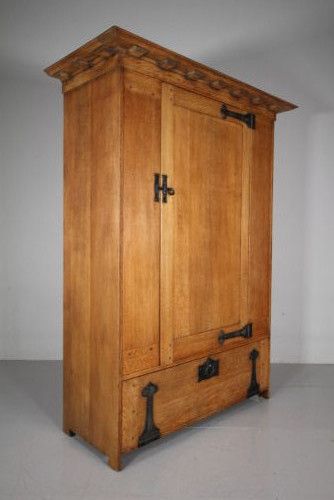
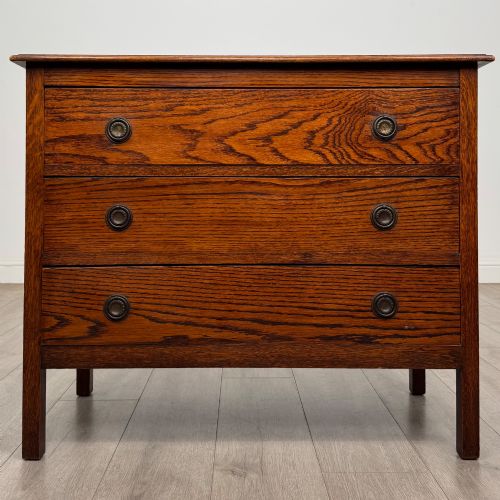
The pieces on this page lean heavily towards twentieth-century Edwardian and early twentieth-century examples, alongside seventeenth-century and Georgian items. Forms vary from low chests of three drawers to large cupboards, side cabinets and tallboys executed in solid oak, golden oak, limed oak and honey oak.
Originating predominantly from British domestic settings, these items were built to hold clothes, documents and household stores. They rely on substantial timber construction rather than veneers, giving them a heavy physical presence and enduring utility.
Materials and Construction
Makers built these pieces using solid oak planks, frequently augmented by brass handles, drop handles, and occasionally wrought iron or iron fittings. Wood selection determined the grain pattern, with quartersawn oak yielding distinct medullary rays visible in Arts and Crafts and seventeenth-century work.
Joinery techniques relied on traditional framing methods, hand-cut dovetails for drawer construction, and pegged joints in earlier periods. Metal hinges, brass keyplates and original brasses secure the moving parts, while limed oak finishes appear on specific twentieth-century items.
Some Edwardian filing cabinets disguised business paperwork inside heavy domestic oak, letting you hide your tax returns behind seventeenth-century styling aspirations.
Judging Quality
Quality rests in the integrity of the timber selection and the precision of the cabinet work. Pieces retaining original brasses, uncompromised drawer linings, and crisp geometric mouldings stand apart from altered or heavily restored examples.
The hand of the maker alters the standing of a piece, particularly when workshops such as the Cotswold School or specific designers leave stamps or distinctive stylistic signatures. Subtlety in proportion and the weight of the solid oak timbers distinguish ordinary utility furniture from exceptional examples.
Heals·Peter Waals
The Solid Oak Storage Drawers Glossary
- Tallboy
- A tall chest of drawers, often formed by placing one smaller chest upon a larger base. They maximise vertical storage space while maintaining a compact footprint in a room.
- Limed oak
- A wood finish created by applying a whitewash or pickling solution to oak to lighten its colour and highlight the open grain pattern. This finish gained popularity during the Arts and Crafts and early twentieth-century periods.
- Geometric design
- A style of surface decoration utilising applied mouldings in rectilinear, diamond or panelled patterns across the drawer fronts. It is particularly characteristic of seventeenth-century joinery.
- Dovetail
- A joint used in drawer construction formed by interlocking wedge-shaped fingers fixed with glue. Hand-cut dovetails indicate older craftsmanship before machine-made joints became standard in industrial manufacturing.
- Commode
- A low piece of furniture containing drawers or cupboards, originating in French fashion but applied to small British chests of drawers during the eighteenth century.
Solid Oak Storage Drawers: Frequently Asked Questions
How do I date an oak chest?
Dating relies on examining the construction methods used inside the drawers, the style of the brass hardware, and the type of mouldings on the front. Hand-cut dovetails, pegged joints and specific decorative motifs point directly to the century of manufacture.
Later Edwardian and twentieth-century pieces often display lighter oak finishes and machine-assisted joinery. Comparing the timber thickness and backboards against known period examples clarifies the age.
Can I use a filing cabinet at home?
Oak filing cabinets and safe cabinets designed in the early twentieth century integrate easily into modern studies or home offices. They provide robust vertical storage for papers while offering the warmth of solid wood rather than steel.
Ensure the drawer runners operate smoothly and check the internal dimensions to confirm your modern folders fit the older drawer proportions.
How should I care for solid oak?
Solid oak responds best to stable room temperatures away from direct heat sources and strong sunlight, which can dry out the timber. Regular dusting with a dry, soft cloth preserves the finish without requiring heavy polishes.
Applying a traditional beeswax occasionally nourishes older oak surfaces and maintains a gentle sheen. Avoid excess moisture on the wood to prevent staining the grain.