

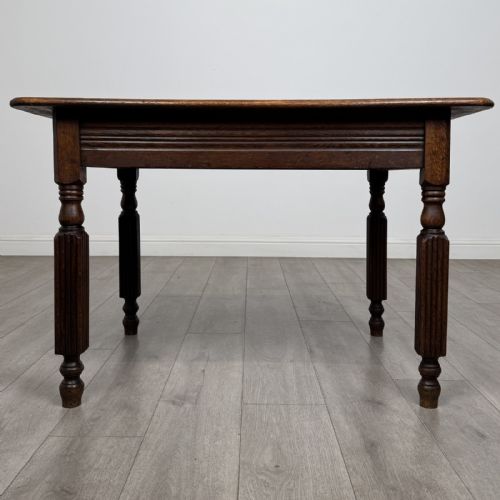
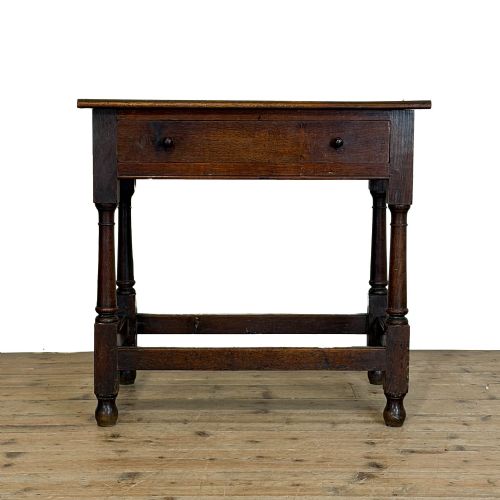
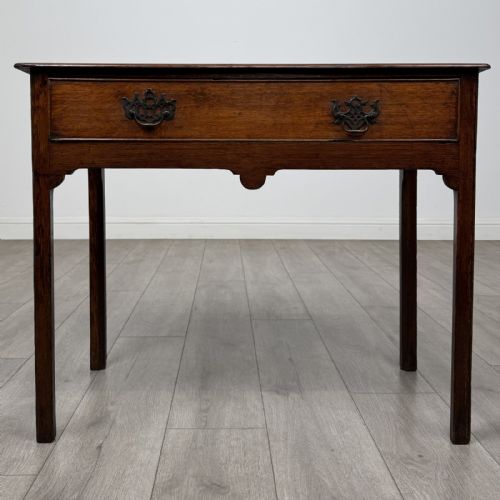
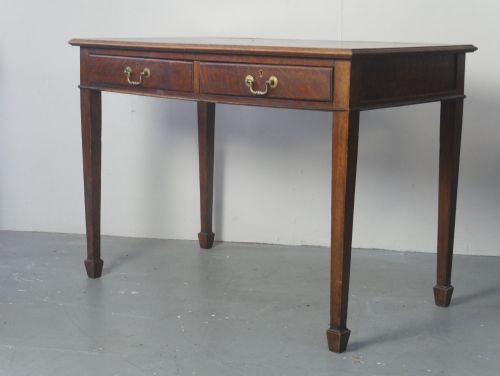




Solid Oak Side Desk
A solid oak side desk is a robust workspace for writing and study, combining heavy timber construction with compact proportions for domestic use.
Solid Oak Side Desk
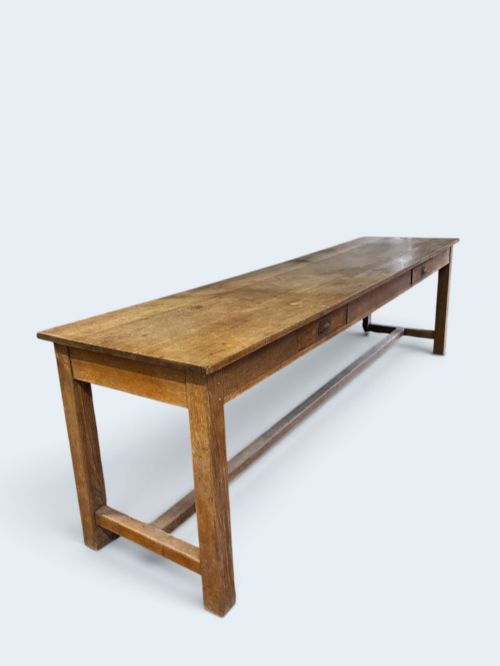
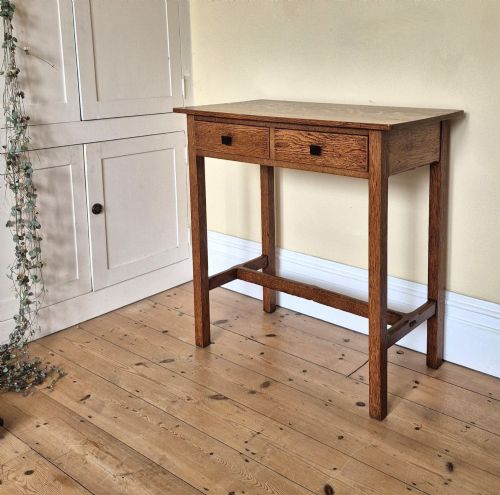
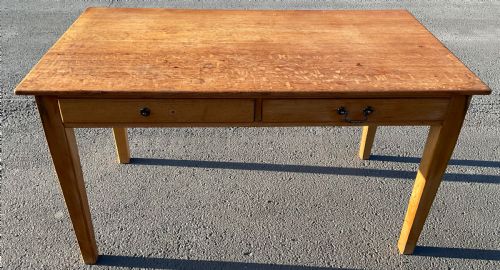
When you search for a solid oak side desk, you encounter versatile wooden furnishings spanning from the seventeenth century through the Edwardian era and the nineteen-twenties. These pieces range from dedicated writing tables and serving tables to side tables adapted for writing tasks, often featuring practical drawers or simple panelled tops.
The most common examples on this page date from the nineteenth and early twentieth centuries, adopting styles like Arts and Crafts, Georgian, and Jacobean Revival. Earlier survivals from the seventeenth and eighteenth centuries appear alongside these later revival pieces, offering sturdy construction and honest timber grain.
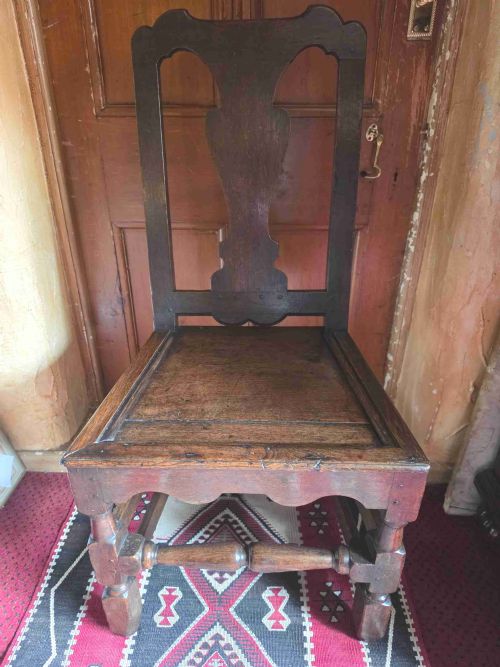
Makers and workshops across different centuries utilised heavy oak boards to build these functional tables and matching chairs. Regional English cabinet makers often constructed them for domestic studies, libraries, and parlours where space remained at a premium.
Assessing Quality and Build
Quality rests upon the selection of timber and the integrity of the joinery, particularly where the legs meet the frieze and top. Superior examples display dense, quarter-sawn oak boards that resist warping, joined with tight mortise and tenon connections rather than modern metal fasteners.
Proportion and original hardware distinguish finer pieces from utilitarian workshops, with well-balanced dimensions and period-correct brass drop handles or iron fittings. The thickness of the solid oak top and the depth of the hand-cut drawer dovetails further indicate the standard of craftsmanship.
Solid Oak Side Desk Retail Price Guide 2026
Typical asking prices for solid oak side desk among the pieces listed under this phrase on Sellingantiques today, from the lower quarter to the upper quarter. They describe what is for sale here now, not the wider market.
Hardware across the selection includes cast brass handles, iron fittings, and occasional leather writing surfaces inset into the solid timber tops.
Hubert Simpson of Kendal
The Solid Oak Side Desk Glossary
- Quarter-sawn oak
- Timber cut radially from the tree log to produce a distinct flecked grain pattern that provides superior dimensional stability.
- Mortise and tenon
- A traditional woodworking joint where a projecting tenon fits snugly into a corresponding hole to lock the frame together.
- Frieze
- The horizontal band or rail beneath the table top, frequently housing one or more drawers in writing desks.
- Escutcheon
- A protective plate surrounding the keyhole of a drawer, usually fashioned from brass or cast metal.
Solid Oak Side Desk: Frequently Asked Questions
How do I spot a true seventeenth century desk?
Examine the tool marks on the underside of the oak boards and check for hand-cut pegged joints rather than machine-cut screws.
Early pieces display deep patination and heavier framing compared to later nineteenth-century revivals.
What is the difference between a side table and a desk?
Side tables typically feature plain or turned legs without writing drawers, while desks incorporate built-in drawers and sometimes leather-lined tops.
Many period side tables served multiple domestic functions including writing and serving.
How do I care for solid oak furniture?
Apply natural beeswax occasionally to nourish the timber and buff it with a soft cloth to maintain a protective finish.
Keep the wood away from direct heat sources and sudden humidity changes to prevent splitting.
Are Arts and Crafts desks different from Georgian ones?
Arts and Crafts pieces from the early twentieth century emphasise honest construction and simple hand-worked materials without excessive ornamentation.
Georgian styles lean toward classical proportions with refined mouldings and symmetrical drawer arrangements.