
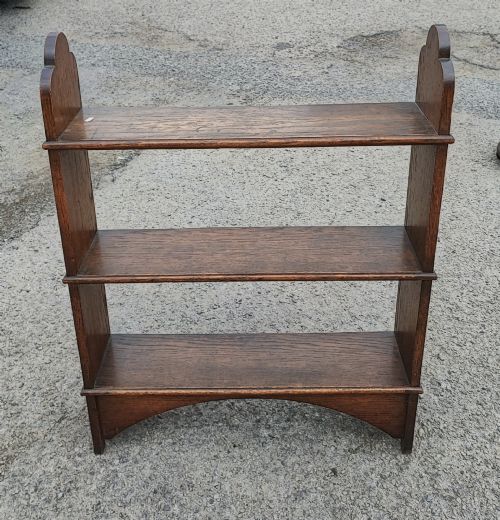
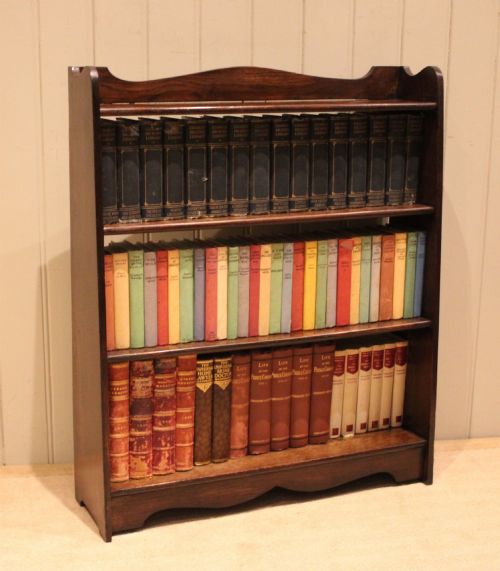
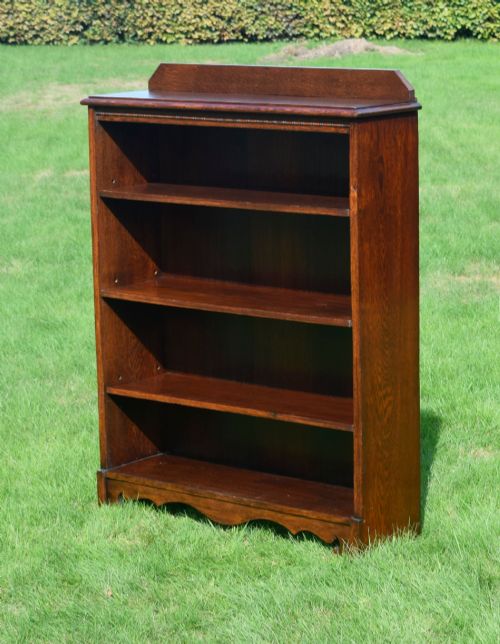
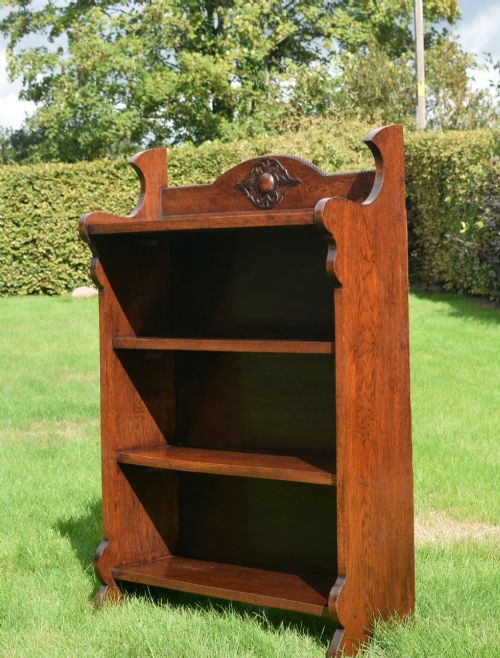
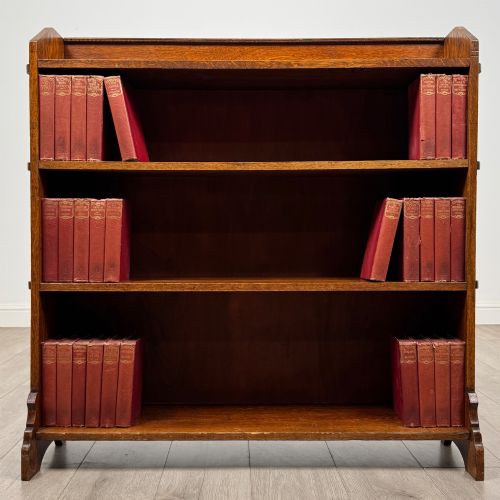
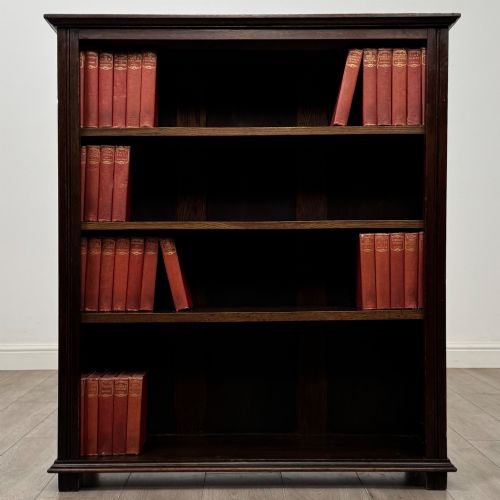
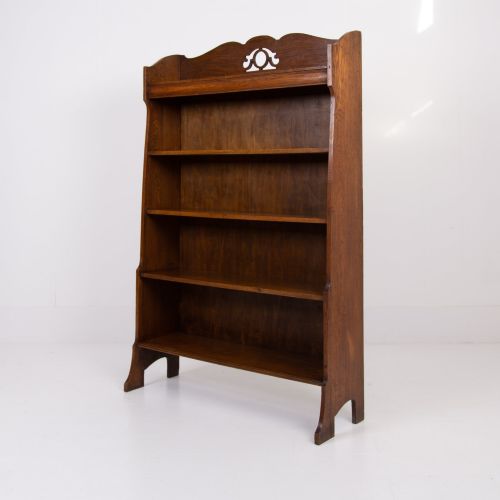
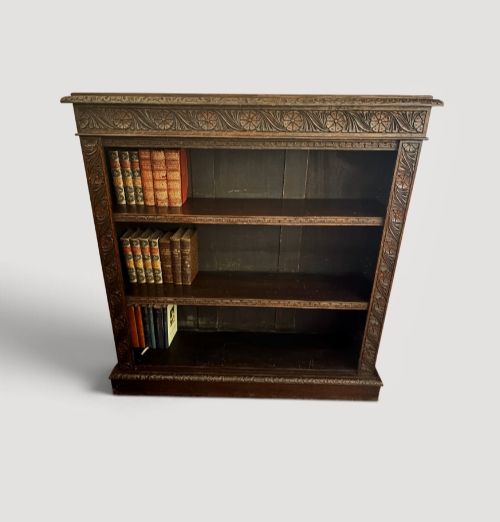
Solid Oak Shelving
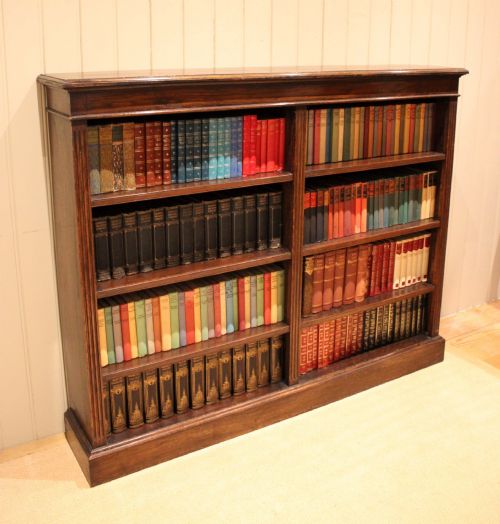
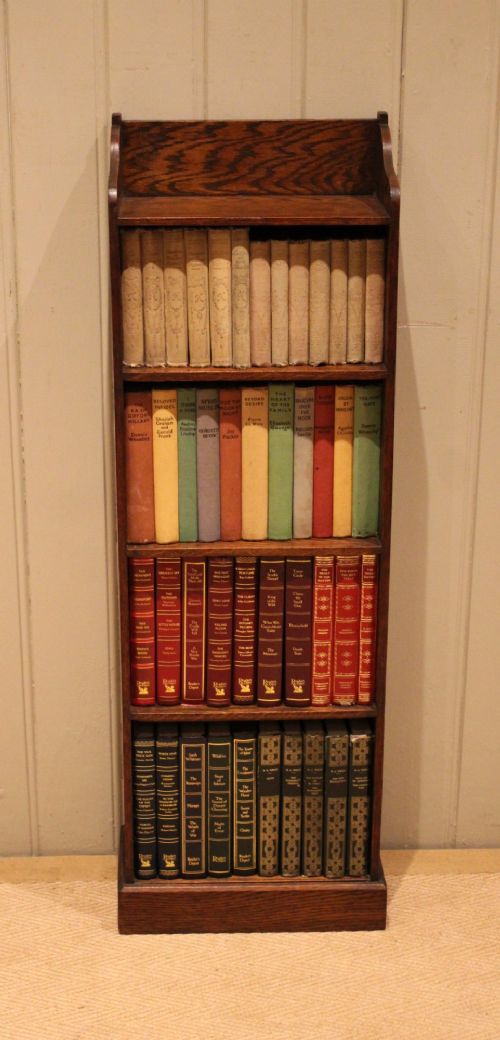
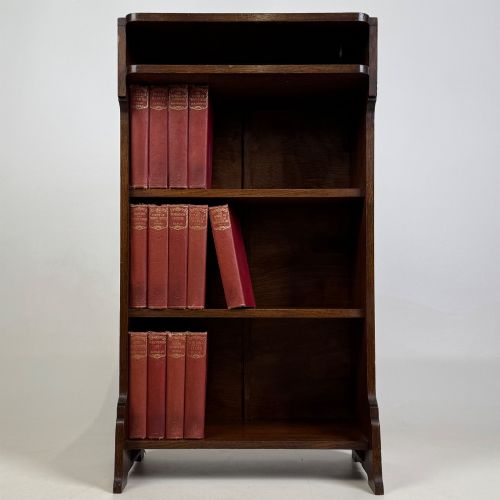
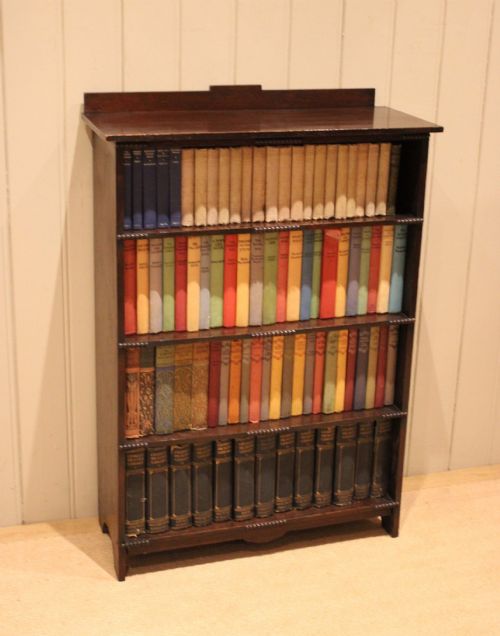
Solid oak shelving brings dependable timber and honest utility to any room, offering robust open storage built to last.
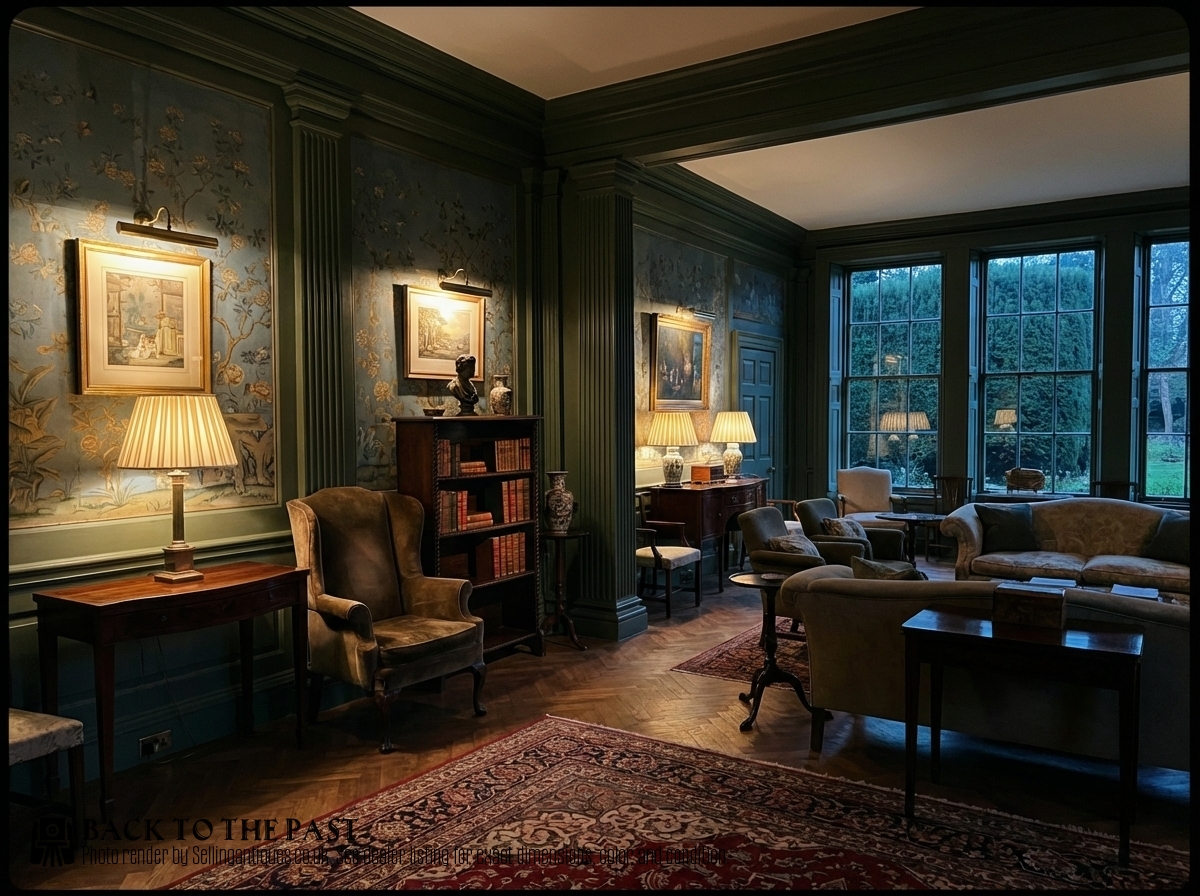
Solid Oak Shelving
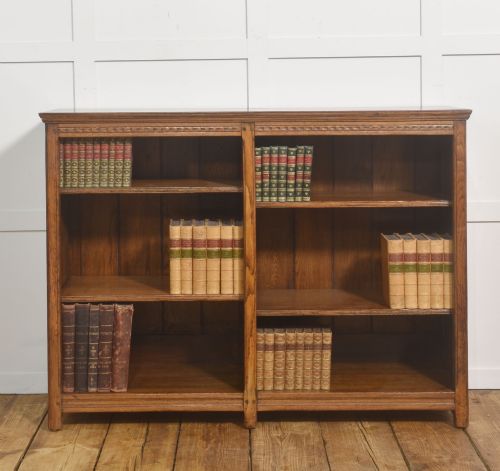
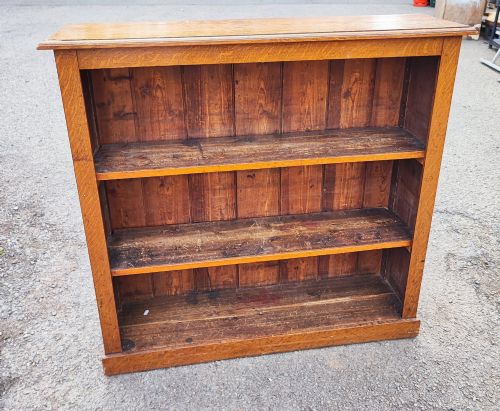
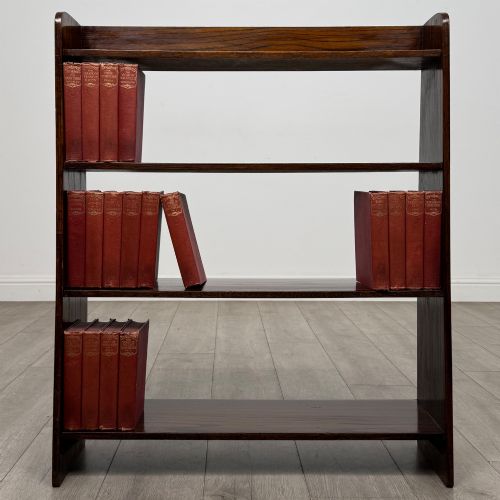
Solid oak shelving encompasses practical open bookcases, library bookcases, and side storage pieces found across various periods from the nineteenth century into the twentieth century. When exploring solid oak shelving, buyers frequently encounter Edwardian and Victorian examples designed for everyday utility and functional book storage.
Makers and designers of the period utilised the strength of the timber to build sturdy frameworks that accommodate books and display items safely. Open fronts dominate the selection, providing direct access to volumes and decorative objects.
Materials and construction methods
Makers relied on solid oak, frequently selected for its durability and prominent grain pattern, sometimes finished in dark or golden tones. Additional elements in iron and brass appear on fittings, hinges, and adjustable shelf mechanisms.
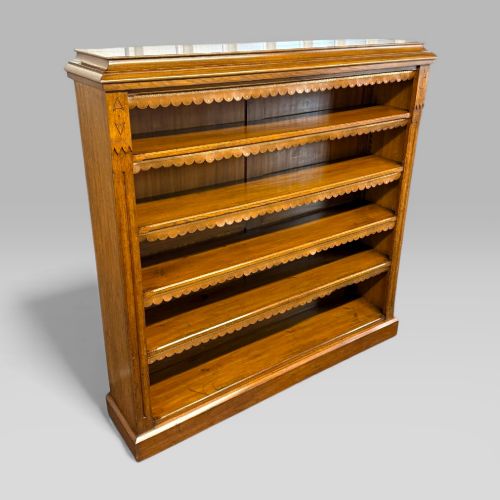
Construction techniques emphasise straightforward utility, utilising sturdy planks, beaded edges, and carved details that reflect Arts and Crafts or Victorian sensibilities. Open frameworks allow the natural timber to remain the primary focus of each piece.
Several bookcases show the quiet ambition of Victorian readers who clearly intended to buy far more books than their rooms actually permitted.
Assessing quality in construction
Quality rests in the selection of the timber and the integrity of the joinery, distinguishing heavy library pieces from simpler domestic shelving. Finely figured golden oak and precise carving elevate a piece above standard utility furniture.
The presence of adjustable shelving systems and refined beaded edges indicates careful workshop production rather than mass output. Proportion and stability remain critical, ensuring taller bookcases support weight without compromising structural balance.
Heals
The Solid Oak Shelving Glossary
- Open bookcase
- A piece of furniture designed for storing books without doors enclosing the front. This format allows immediate access to volumes and showcases the interior woodwork.
- Golden oak
- A warm, lighter hue of oak timber popular during the late Victorian and Edwardian periods. It highlights the natural medullary rays within the grain.
- Adjustable shelves
- Shelving supported by pegs, racks, or pins that allow the vertical spacing to be altered. This system accommodates books of varying heights.
- Beaded edge
- A narrow, rounded moulding carved along the border of a shelf or frame. It adds subtle decorative definition to otherwise plain timber surfaces.
Solid Oak Shelving: Frequently Asked Questions
What periods do these pieces come from?
The pieces span from the late nineteenth century through the Edwardian era and into the nineteen-twenties and thirties. Victorian and Arts and Crafts examples feature prominently.
Earlier items often display heavier carving, while later twentieth-century pieces favour cleaner lines and simpler open structures.
How were these bookcases used?
They served primarily as domestic and library storage for books, documents, and decorative objects. Open shelves allowed for easy access in studies and parlours.
Many designs adapted to specific room layouts, ranging from slim units for tight spaces to large library bookcases.
How do I adjust the shelves?
Many surviving examples include adjustable shelf mechanisms using wooden supports, metal pins, or side notches. This allowed owners to reconfigure the interior space for different book sizes.
Care should be taken when moving shelves on older units to preserve the original support grooves and timber edges.
Are these pieces made of solid wood?
The listings consist of solid oak construction, utilising heavy timber boards for the sides, tops, and shelves. Secondary materials like brass and iron appear in hardware.
This robust construction gives the furniture its enduring strength and weight, distinguishing it from later veneered alternatives.