
Standing Oak Bookshelf
A standing oak bookshelf brings practical timber storage and period character to any room.
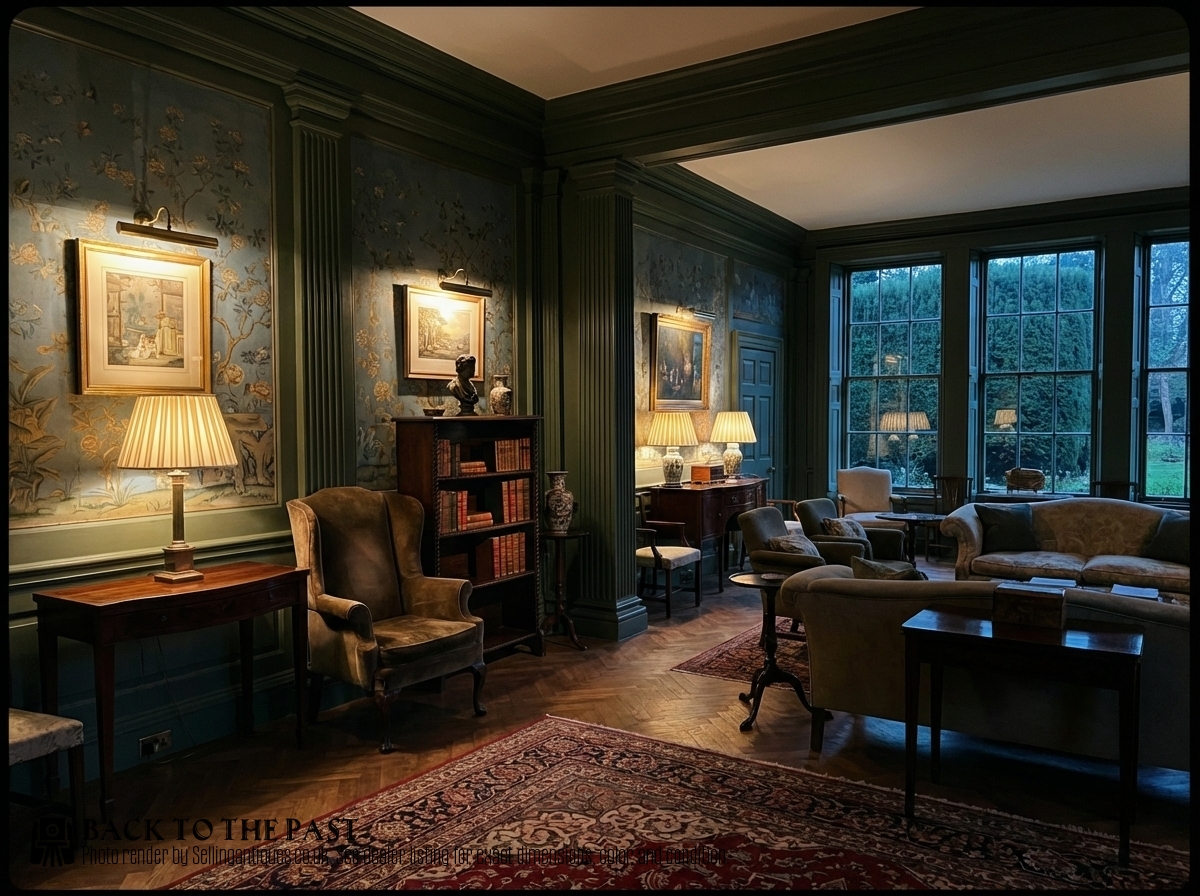
Standing Oak Bookshelf
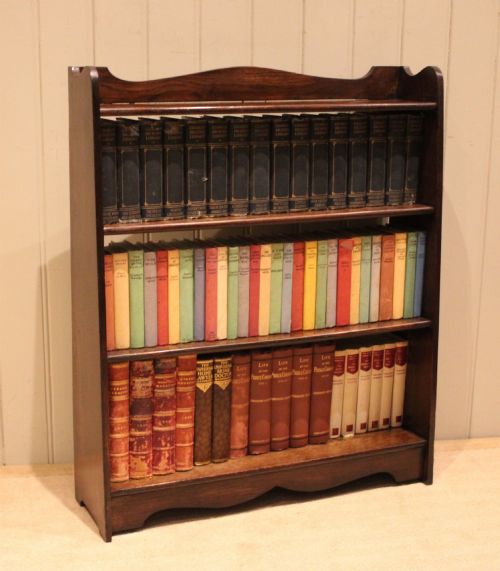
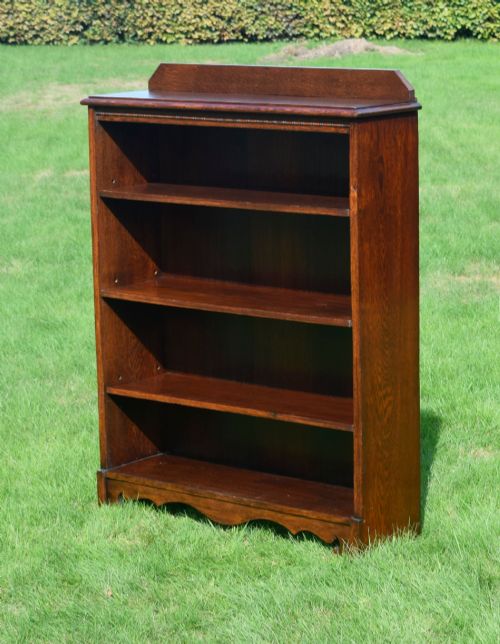
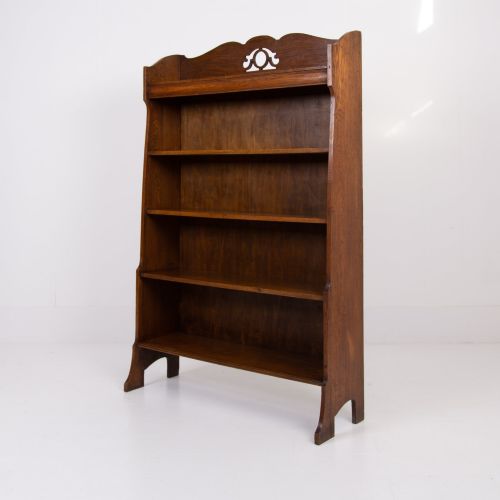
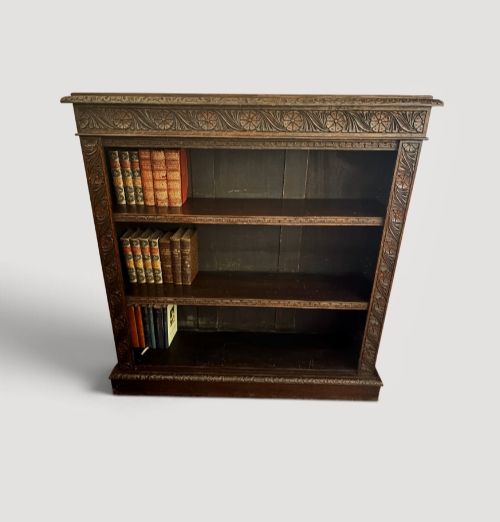
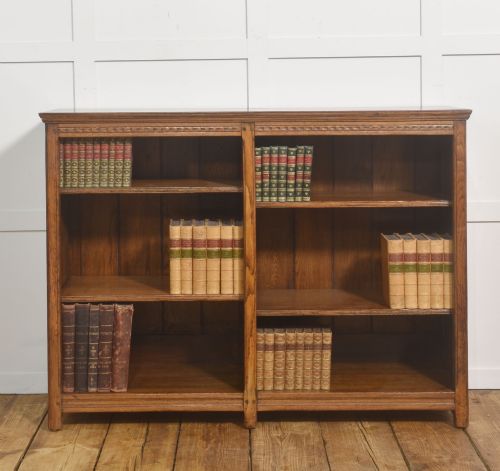
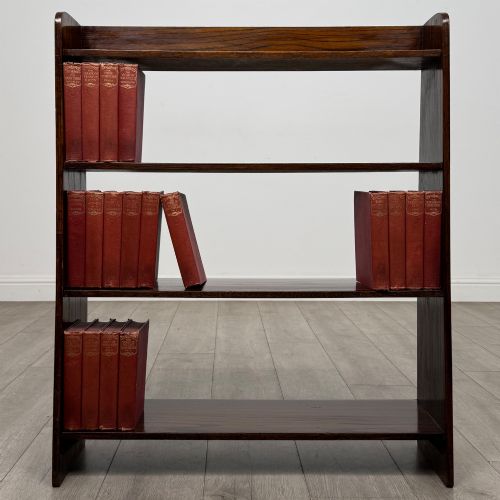
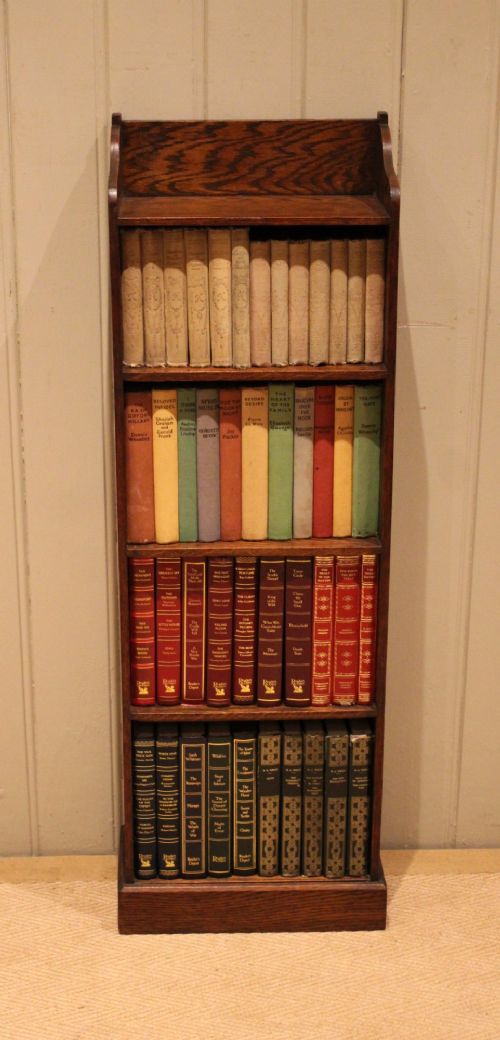
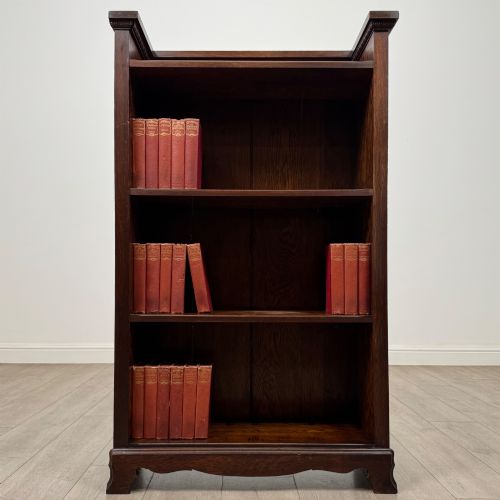
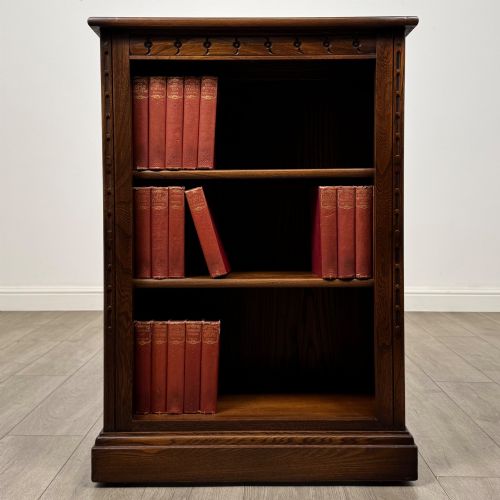
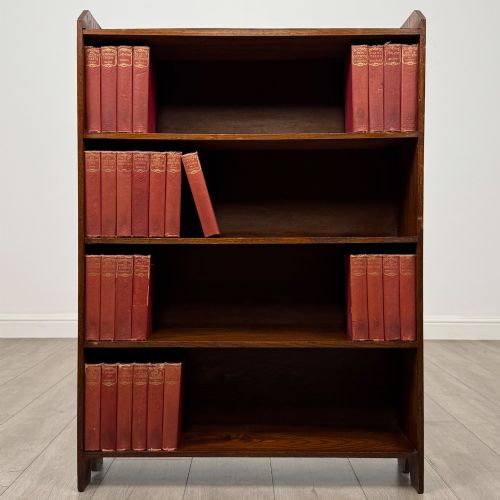
A standing oak bookshelf provides sturdy upright storage for volumes, journals and decorative objects. The pieces gathered here trace a lineage from the late nineteenth century through the Edwardian era and into the Art Deco period, capturing decades of domestic utility.
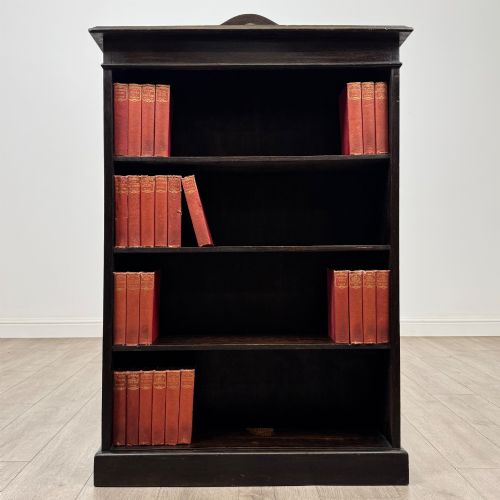
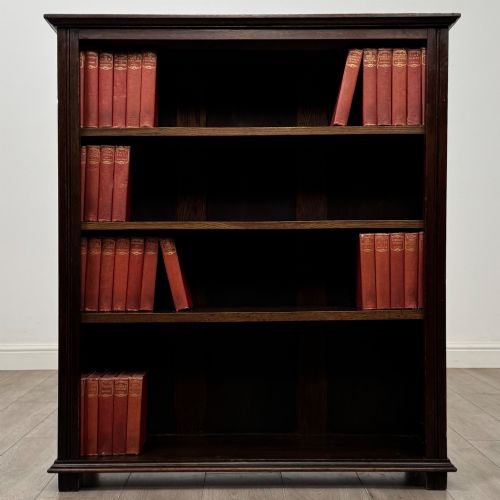
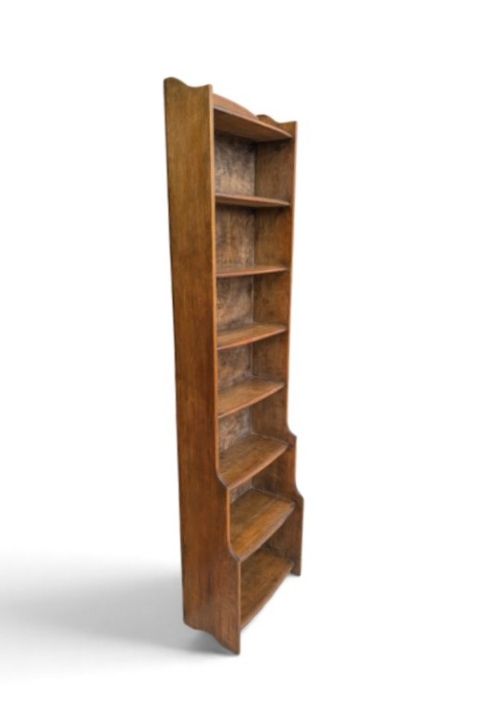
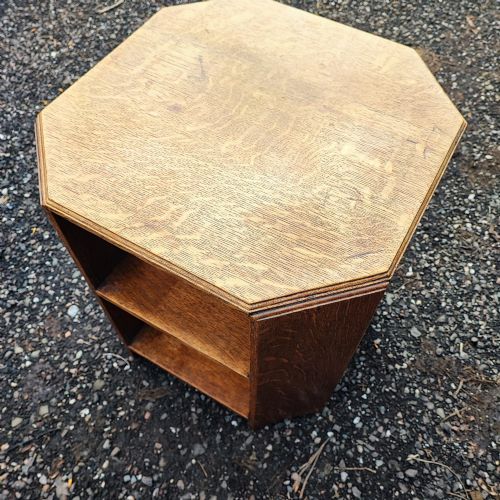
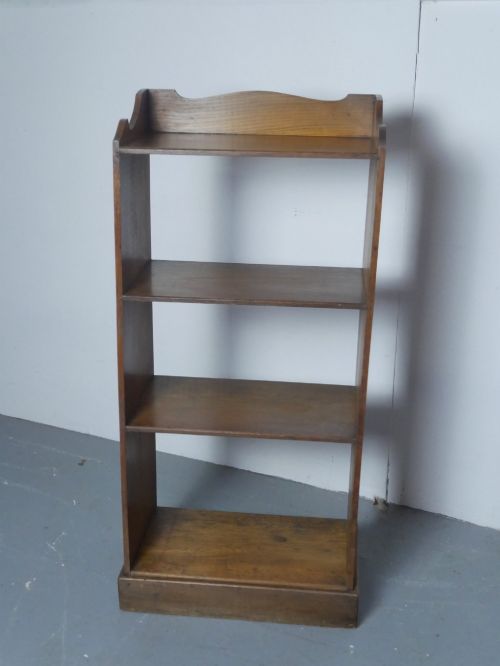
Most examples you will encounter are open shelving units rendered in solid oak or dark oak. Forms range from straightforward upright bookcases to revolving models, waterfall designs, and specialised pieces featuring adjustable shelves.
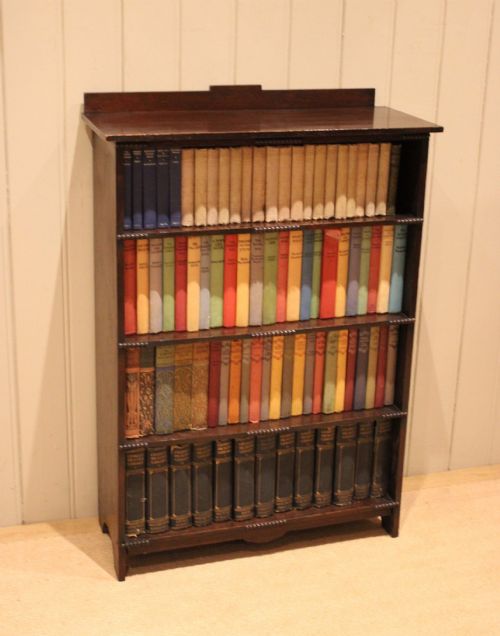
Makers and workshops of the Arts and Crafts movement also contributed distinctive designs, often utilising decorative cut-outs, beaded edges, and honest joinery. These variations ensure that a standing oak bookshelf fits effortlessly into both traditional and modern interiors.
Materials and construction
Cabinetmakers relied heavily on solid oak, selected for its resilience and pronounced grain. Iron, brass, and cast iron frequently appear as structural or decorative hardware, securing joints and supporting adjustable shelves.
Construction methods prioritize durability, utilising open-backed frames, solid panels, and occasional carved detailing. Surfaces often receive a dark or golden polish to highlight the natural figuration of the timber.
Some nineteenth-century readers apparently lacked the patience to walk around a bookcase, hence the invention of the revolving table.
Distinctions in quality
Quality rests upon the selection of timber and the integrity of the cabinetmaker's joinery. Superior pieces display carefully matched grain patterns, solid backboards, and refined details such as beaded edges or thoughtful decorative cut-outs.
Simpler production items offer robust utility without artisanal flourishes. The distinction lies in whether a piece relies on honest, hand-finished construction or standard mass production.
Heals·Wylie Lochhead of Glasgow·E.A. Taylor·Betty Joel
The Standing Oak Bookshelf Glossary
- Arts and Crafts
- A design movement emphasising handcraftsmanship, simple forms, and local materials. It emerged in the late nineteenth century as a reaction against machine production.
- Revolving bookcase
- A freestanding bookstand designed to rotate on a central base or spindle. This mechanism allows easy access to volumes from multiple angles.
- Waterfall bookcase
- A tiered shelving unit where each successive shelf steps back from the one below. The profile resembles cascading water.
- Beaded edge
- A narrow, rounded moulding carved along the corner or border of a wooden board. It softens sharp angles and adds quiet definition.
Standing Oak Bookshelf: Frequently Asked Questions
How do I care for my oak bookcase?
Keep the timber away from direct heat sources and sudden humidity shifts to prevent the wood from splitting. Dust regularly with a dry cloth and apply a quality beeswax occasionally to nourish the surface.
Avoid liquid polishes containing silicone, which can build up a residue over time and dull the natural grain of the oak.
Are the shelves adjustable?
Many period examples feature adjustable shelves supported by wooden ratchets, metal pins, or sliding tracks. This flexibility allows you to accommodate larger volumes and varied collections.
Simpler or earlier vernacular pieces often feature fixed shelving built directly into the vertical sides for maximum structural rigidity.
What is an open-backed bookcase?
An open-backed bookcase lacks a rear panel, leaving the wall behind the books visible. This construction reduces the overall weight of the furniture and creates a lighter visual presence in smaller rooms.
Such designs were popular during the Edwardian period and the Arts and Crafts movement, prioritizing simplicity and function.
How do I distinguish Edwardian oak from Victorian oak?
Victorian pieces frequently display heavier proportions, deeper carving, and darker finishes. Edwardian furniture often shifts toward lighter golden oak tones, cleaner lines, and simplified ornamentation.
Examining the construction of the joints and the style of any decorative hardware helps confirm the specific era of manufacture.