


Solid Oak Flap Table
A solid oak flap table offers robust timber and folding leaves, serving as a practical dining or coffee table with centuries of history behind it.
Solid Oak Flap Table
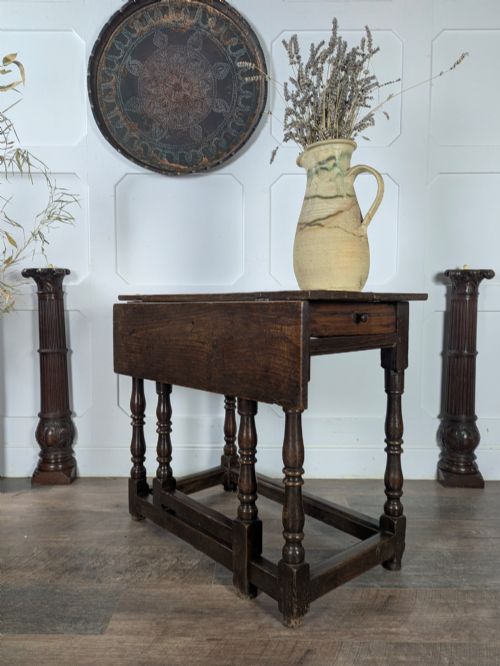
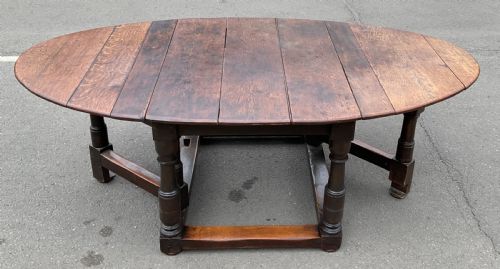
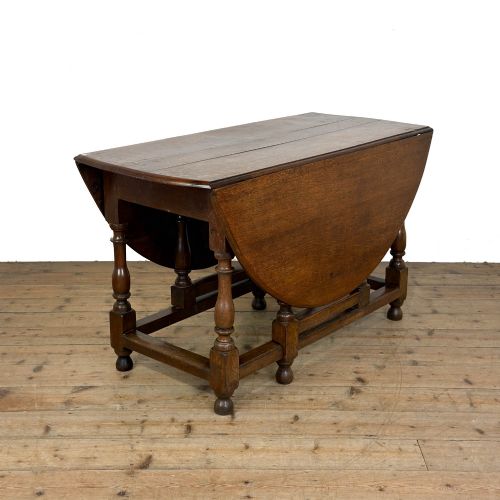
When you search for a solid oak flap table, you encounter robust drop-leaf and gateleg designs originating primarily from the seventeenth and eighteenth centuries, alongside occasional twentieth-century interpretations. These tables function around hinged flaps that fold down when space is tight and swing out on pivoting legs to support a larger surface area when dining or gathering.
You are most likely to meet substantial gateleg dining tables from the seventeenth century and eighteenth-century English country tradition, built to seat multiple people. Smaller occasional and coffee table variants also appear, originating from around nineteen-thirty, providing the same folding mechanism on a reduced scale for modern rooms.
The styles span Jacobean, Jacobean Revival, and Georgian periods, showcasing early English craftsmanship designed for heavy domestic use. Each piece relies on the inherent strength of solid timber to support the swinging action of the flaps over generations of daily service.
How they were made
The construction of a solid oak flap table centres on heavy oak boards joined to form the main top and folding leaves, supported by hinged gateleg frames that swing outward. Joinery relies on traditional pegged joints and sturdy framing to bear the weight of the dropping leaves.
Metal and brass components appear in the form of hinges and occasional fittings, whilst iron is utilised in structural hardware where extra reinforcement is required. Carpenters turned the timber on lathes to produce bobbin-turned legs and stretchers, giving the structural supports both decorative rhythm and load-bearing stability.
Object forms span dining tables, gateleg tables, and coffee tables in Jacobean and Georgian styles.
What varies in quality
The distinction between a standard example and a superior one rests on the thickness of the timber, the complexity of the leg turnings, and the original integrity of the gateleg action. Tables featuring bobbin-turned legs and dense seventeenth-century oak represent the more elaborate end of the range.
Proportion and scale dictate the visual success of the piece, with larger six-seater dining tables commanding greater presence than smaller occasional formats. The patination accumulated on the oak surface over centuries also defines the character and depth of the material.
The Solid Oak Flap Table Glossary
- Gateleg table
- A table with hinged leaves supported by one or more legs that swing outward like a gate. This design provides sturdy support for the folding flaps when extended.
- Drop leaf
- A hinged section of a table top that folds down to save space. It relies on internal or swinging supports to remain horizontal.
- Bobbin turned
- A style of leg or stretcher shaped on a lathe to resemble a series of wooden bobbins or spools end to end. This decorative turning is typical of seventeenth-century joinery.
- Jacobean
- A style spanning the early seventeenth century characterised by solid construction and dark oak timber. It precedes the Georgian aesthetic.
- Georgian
- A period of design covering the eighteenth century known for refined proportions and domestic practicality. Tables from this era often feature simpler leg forms than their seventeenth-century predecessors.
Solid Oak Flap Table: Frequently Asked Questions
How do I use a gateleg table daily?
Keep the flaps dropped against the sides for everyday placement, raising them only when you require surface area for dining or working.
Ensure the swinging leg is securely positioned beneath the hinge to distribute weight evenly across the timber.
Can I seat six people at these tables?
Larger seventeenth and eighteenth-century examples are specifically built to accommodate six diners when both leaves are fully extended.
Check the clearance beneath the frame to ensure comfortable legroom for chairs all around the perimeter.
How do I tell seventeenth from eighteenth century?
Seventeenth-century versions frequently display heavier turnings, such as bobbin legs, and darker, deeply grained oak construction.
Eighteenth-century pieces often adopt more restrained lines and reflect regional country furniture traditions without the earlier decorative excesses.
Where does the oak come from?
The timber originates from native English woodlands, felled and seasoned for heavy domestic furniture production.
Local joiners worked this dense material by hand to create durable tables for seventeenth and eighteenth-century households.
How do I care for solid oak?
Maintain the timber by dusting regularly with a dry cloth and avoiding excessive moisture on the folding joints.
Apply natural wax periodically to nourish the surface and protect the historic patination built up over centuries.