





Solid Oak Carver Chairs
Solid oak carver chairs bring centuries of robust timber framing into daily rooms, offering sturdy armrests and honest joinery that command attention.
Solid Oak Carver Chairs
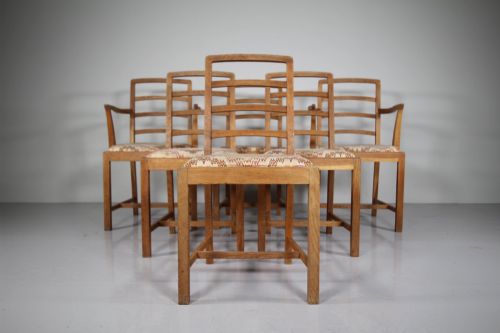
Solid oak carver chairs encompass heavy armchairs and elbow seating designed for dining rooms, halls, and firesides. Buyers searching for solid oak carver chairs encounter pieces spanning the seventeenth century through to the Edwardian era and the nineteen-thirties.
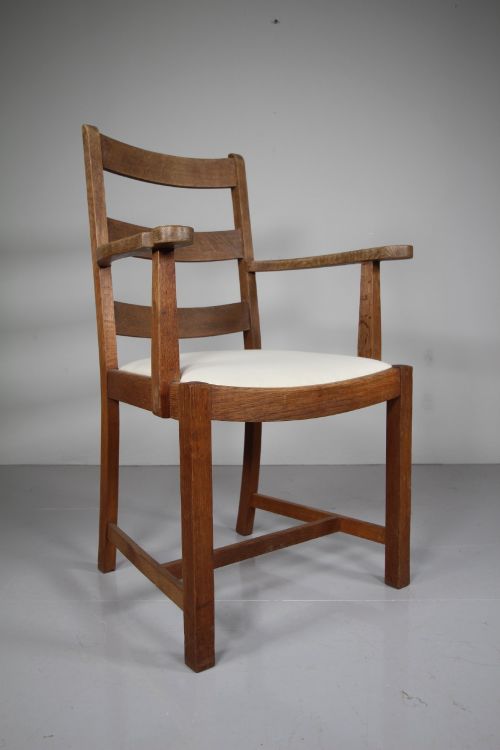
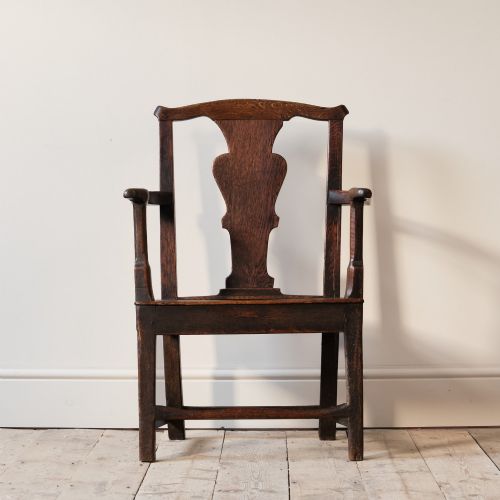
The selections on this page range from early vernacular master armchairs to George III country house seating and later Arts and Crafts interpretations. Sturdy construction and timber frames dominate the forms seen across these listings.
Edwardian golden oak examples and Tudor style panelled armchairs appear frequently alongside nineteenth-century country designs. Each variation displays the distinct regional tastes and construction methods of its respective period.
Materials and construction
Makers built solid oak carver chairs using heavy timber frames complemented by secondary woods such as elm, ash, and rush for seats. Traditional joinery methods secured the armrests and uprights to withstand generations of daily use.
Surface treatments rely on natural wax and polish to highlight the grain of the oak alongside carved detailing. Metal and brass elements occasionally appear as structural brackets or decorative studs.
Solid Oak Carver Chairs Retail Price Guide 2026
Typical asking prices for solid oak carver chairs among the pieces listed under this phrase on Sellingantiques today, from the lower quarter to the upper quarter. They describe what is for sale here now, not the wider market.
Gothic revival and Arts and Crafts styles appear alongside Georgian and Edwardian vernacular designs.
Assessing quality and character
Quality in solid oak carver chairs rests upon the depth of the carving, the integrity of the timber framing, and the proportion of the arms. Early seventeenth-century joinery displays distinct hand-tool marks that set vernacular work apart from later revival pieces.
The presence of secondary woods like elm and ash in seat structures indicates regional workshop traditions. Superior examples maintain balanced proportions and tight joints without excessive modern intervention.
Shapland and Petter
The Solid Oak Carver Chairs Glossary
- Carver chair
- An armchair, typically placed at the head of a dining table or used as a prominent hall seat. These pieces feature substantial armrests integrated into the primary frame.
- Arts and Crafts
- A design movement prioritising honest construction, visible joinery, and local materials. Pieces from this style often feature clean lines and thoughtful timber selection.
- Vernacular furniture
- Domestic items built by local craftsmen using regional woods and traditional methods rather than following metropolitan fashion. These chairs reflect the practical needs of rural households.
- Panelled armchair
- Seating constructed with flat wooden panels fitted into grooved frames, frequently seen in Tudor revival and seventeenth-century inspired pieces. This technique provided structural rigidity.
- Elbow chair
- A traditional term for an armchair with low supports for the arms, often used in kitchens and studies.
Solid Oak Carver Chairs: Frequently Asked Questions
What is a carver chair?
A carver chair is an armchair traditionally used at the head of a dining table or placed in a hallway. These seats feature supportive wooden armrests integrated into the main frame.
Such chairs offer a sturdier sit than standard dining chairs and often serve as focal points in a room.
How do I date an oak armchair?
Dating relies on examining the joinery methods, tool marks, and overall proportions of the timber frame. Earlier pieces from the seventeenth century show different pegging and carving styles compared to Edwardian revivals.
Secondary woods used in the seat construction also provide clues regarding the period and region of manufacture.
Are these chairs comfortable for daily use?
Solid oak carver chairs provide firm upright seating supported by wooden or rush bases. Their generous proportions and armrests make them well-suited for long meals and desk work.
Adding loose cushions can soften the wooden seat for extended sitting without altering the structure.
Where should I place a carver chair?
These armchairs suit dining tables, studies, and fireplaces where their substantial timber presence can anchor the room. Hallways also accommodate single carver chairs as occasional seating.
Pairing two matching carver chairs creates a balanced arrangement at either end of a larger table.