
Solid Gold Dress Watch
A solid gold dress watch combines precious metal cases with precise mechanical movements, offering timeless wristwear from the mid-twentieth century.
Solid Gold Dress Watch
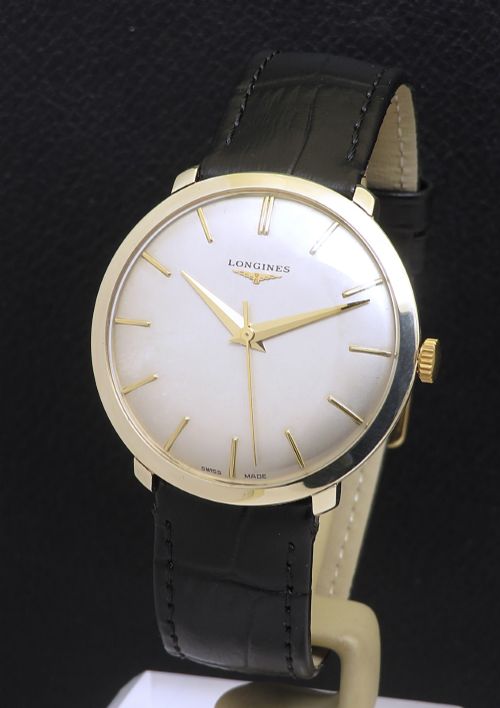
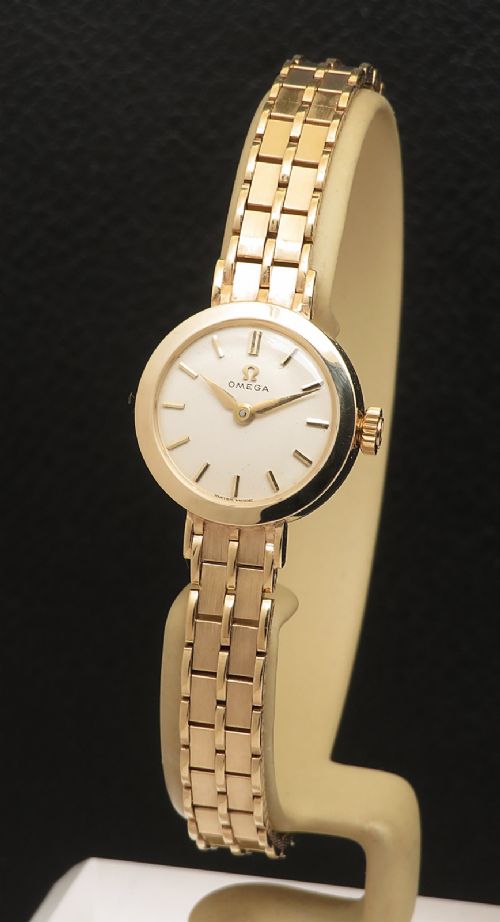
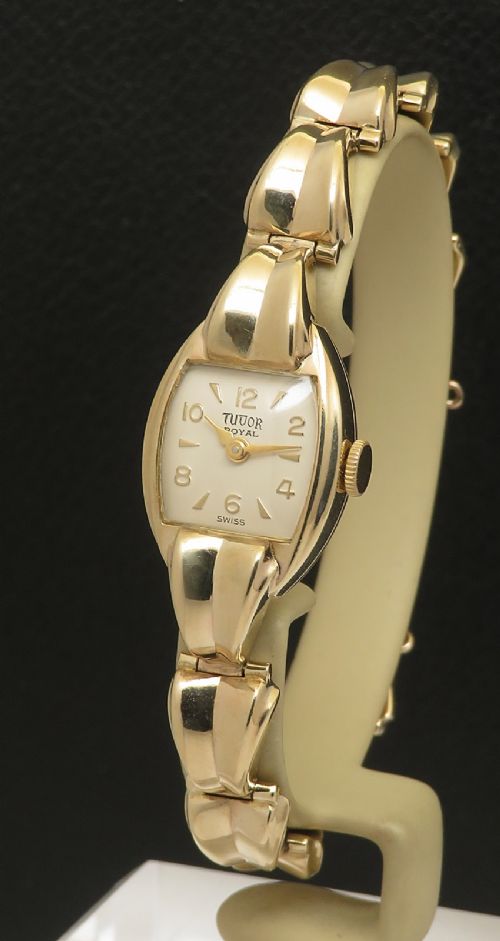
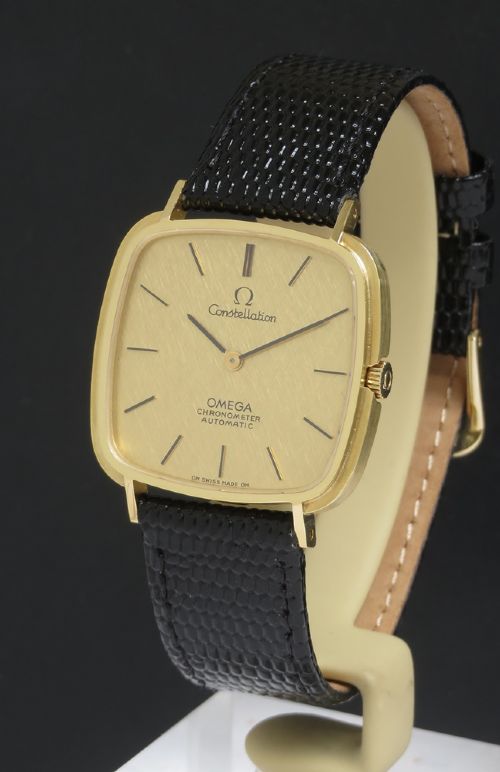
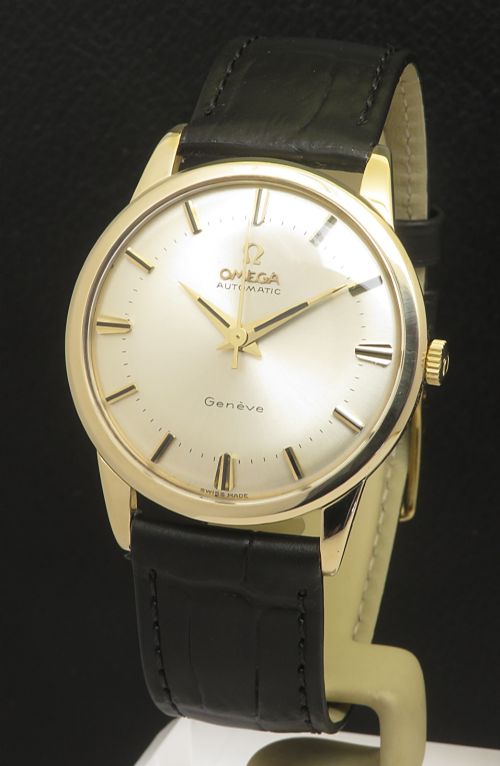
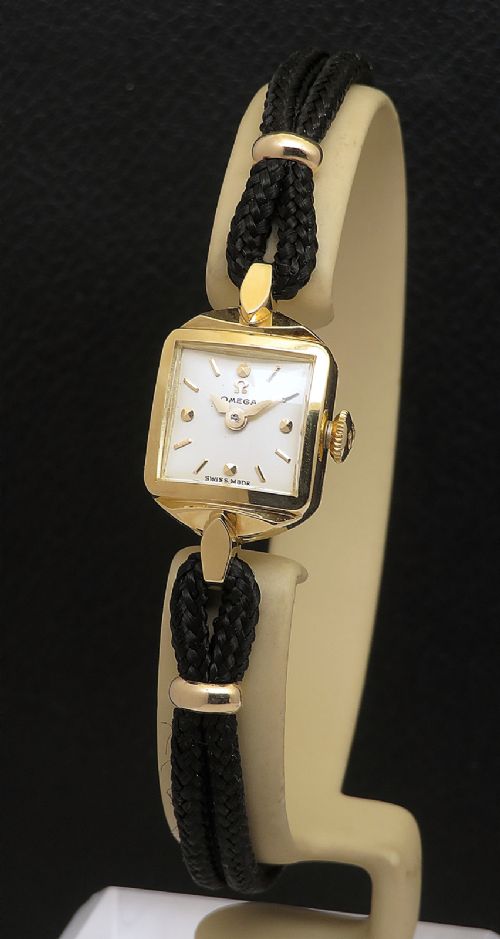
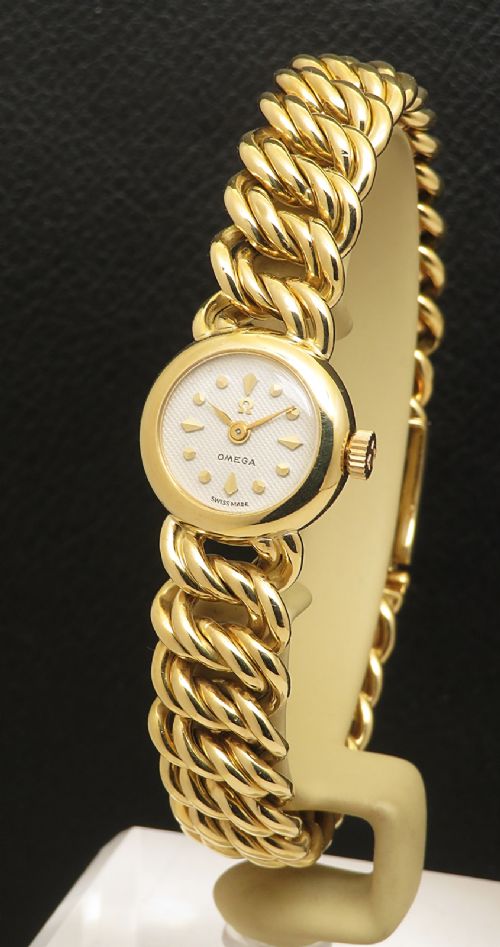
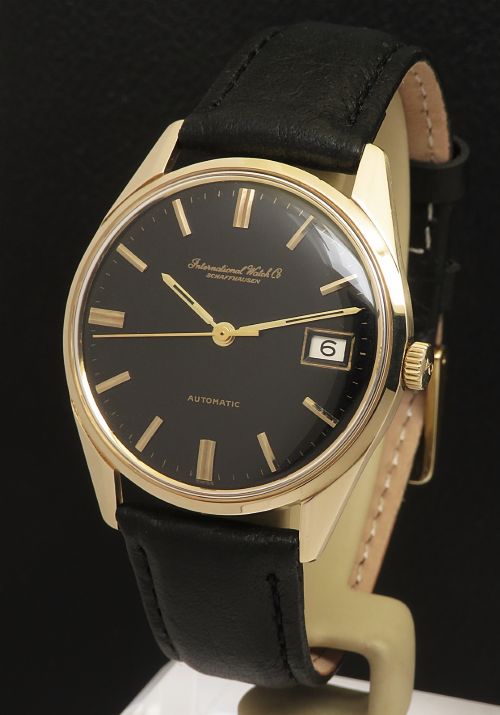
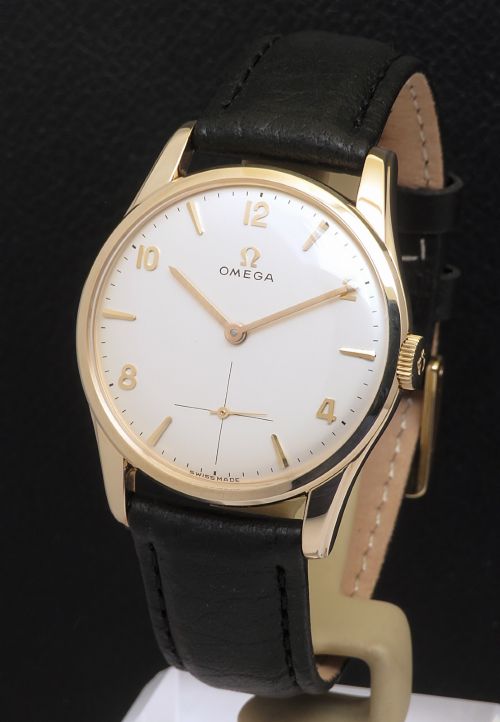
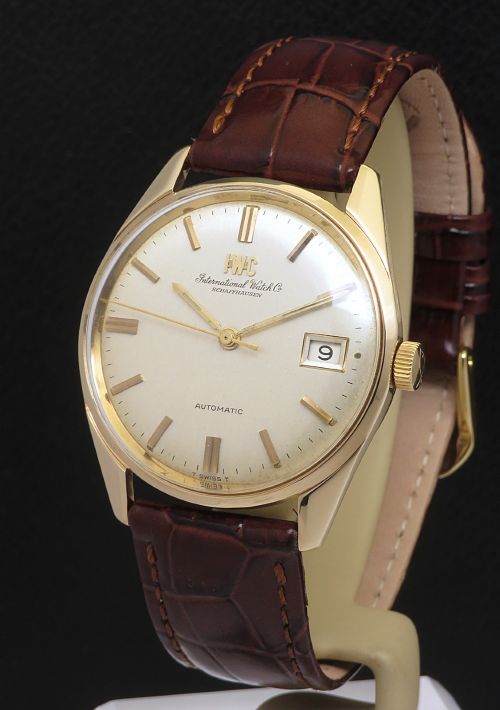
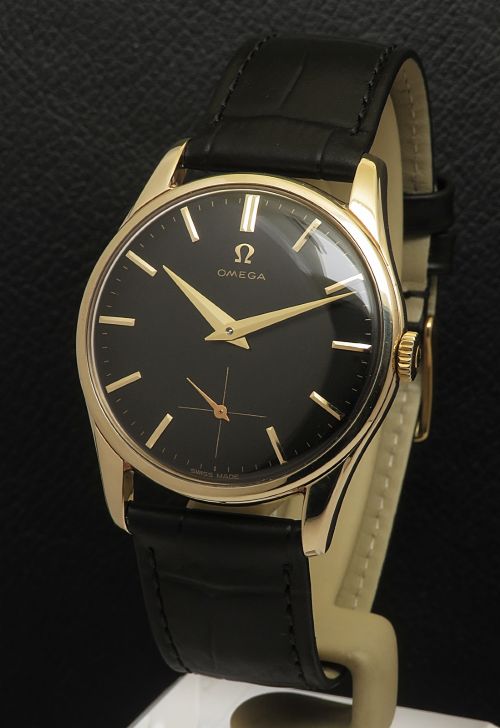
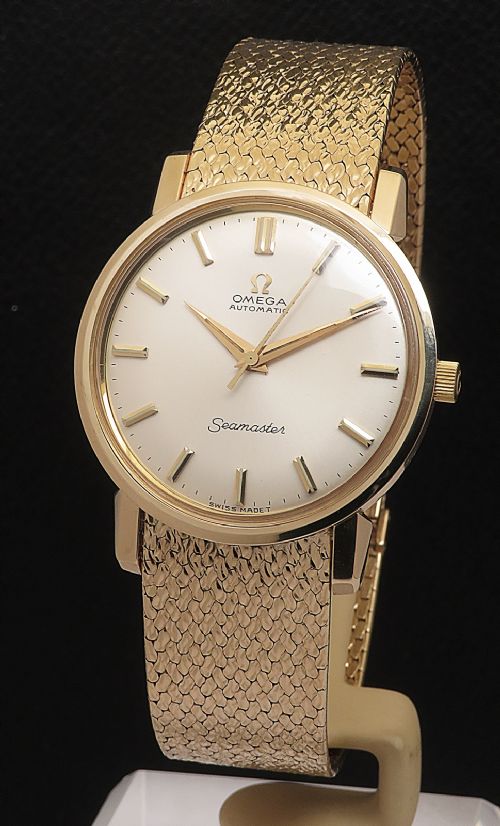
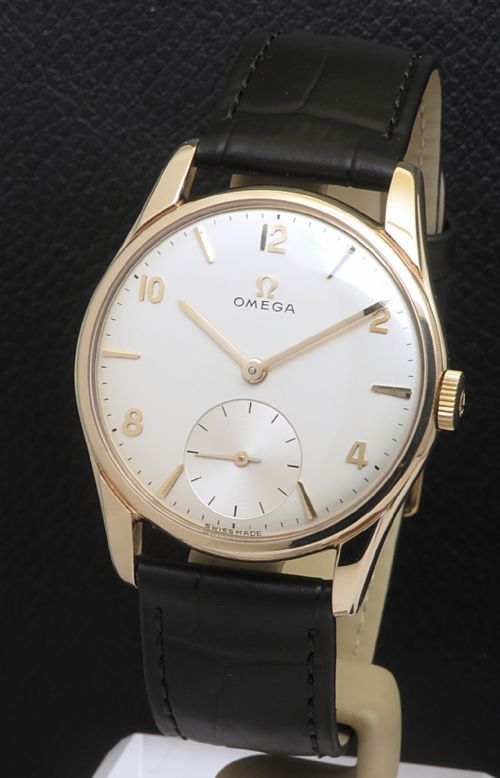
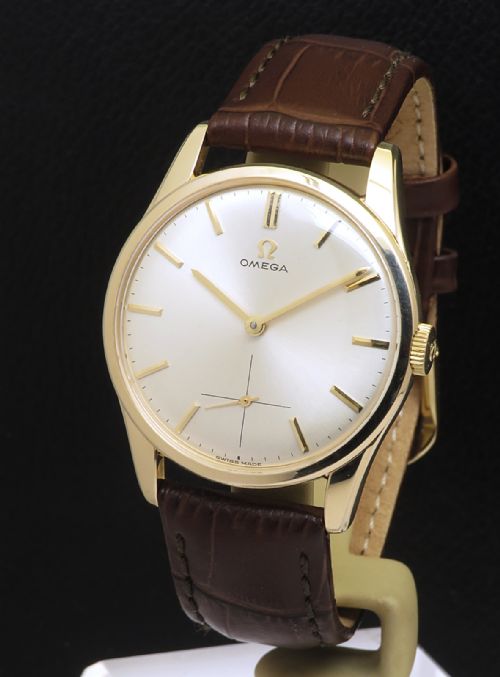
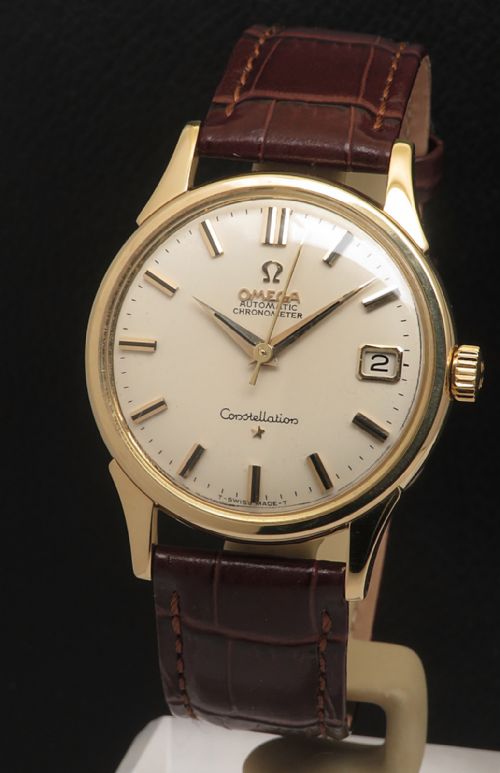
A solid gold dress watch represents a refined category of timepiece where the case is cast entirely from precious metal rather than plated base metal. When searching for a solid gold dress watch, buyers encounter wristwatches and cocktail watches primarily from the mid-twentieth century, spanning the 1940s through the 1960s, alongside occasional Edwardian pocket watches.
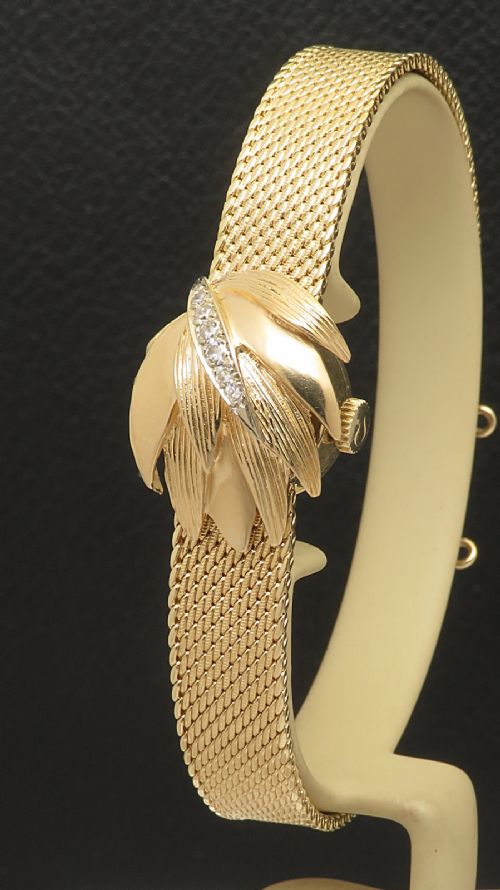
The pieces available display distinct mid-century modern, Art Deco, and classical styling. Men's slimline silhouettes sit alongside ladies' cocktail designs, often paired with leather straps or integrated gold bracelets.
Makers represented in these horological items include established Swiss houses known for mechanical calibres and precious metal casing. These objects served as formal accessories for daily wear or evening events, retaining their intrinsic material value and mechanical integrity decades later.
Materials and Construction
Cases are formed from solid 9ct, 14ct, 18ct, or 12ct gold, utilising yellow gold, white gold, and occasional diamond accents set into the metal bezels or hoods. Dials are protected by glass, acrylic, or acrylic glass crystals, occasionally paired with mother-of-pearl surfaces.
Internal movements rely on mechanical hand-wound calibres or automatic self-winding systems developed by watchmakers of the era. Straps incorporate genuine leather or woven fabric alongside solid gold links.
Listings feature yellow gold, white gold, leather, and diamond-set pieces across the 1940s, 1950s, 1960s, and Edwardian periods.
Factors of Quality
Quality separates through the purity of the gold alloy and the complexity of the internal movement, such as chronometer-grade calibres versus standard mechanical movements. The preservation of original dials, hands, and case edges dictates collector interest.
The presence of original boxes, papers, and specific retail signatures on the dial elevates the standing of an individual piece within its period.
Omega·IWC·Eterna-matic·Accurist·Cyma·Vertex·Longines·Universal Geneve·Juvenia·Jaeger-LeCoultre·Turler of Geneva·Girard Perregaux·Zenith
The Solid Gold Dress Watch Glossary
- Calibre
- The specific internal mechanical movement manufactured for a watch. Each calibre number designates a distinct movement design by the maker.
- Chronometer
- A high-precision watch movement that has been tested and certified to meet strict accuracy standards over various temperatures and positions.
- Cocktail Watch
- A small ladies dress watch designed primarily for evening wear, frequently incorporating gemstones or intricate gold bracelets.
- Slimline
- An ultra-thin watch profile achieved through a compact movement design, allowing the gold case to sit flat against the wrist.
- Automatic
- A self-winding mechanical movement that uses a weighted rotor to wind the mainspring automatically through the natural motion of the wearer's wrist.
Solid Gold Dress Watch: Frequently Asked Questions
How do I wind a vintage mechanical watch?
Turn the crown clockwise between your thumb and forefinger until you feel a gentle increase in resistance, stopping immediately to avoid damaging the mainspring.
Wind the watch around the same time each day if worn regularly, ensuring consistent timekeeping throughout its operation.
Can I wear my dress watch every day?
These pieces suit daily office wear or formal occasions, provided you keep them away from strenuous physical activities and excessive moisture.
Vintage mechanical movements require careful handling and lack the shock resistance found in modern sports watches.
How do I date a gold watch?
Examine the movement serial number against manufacturer production records, or check the hallmark stamps inside the precious metal case back.
Assay office stamps and date letters stamped into gold cases provide reliable decades of manufacture for British and Swiss market pieces.
What is the difference between manual and automatic?
Manual mechanical watches require daily hand-winding via the crown to store energy in the mainspring, whereas automatic versions wind themselves using an internal oscillating weight driven by wrist movement.
Both systems rely on traditional gears and springs rather than batteries, representing the prevailing horological technology of the mid-twentieth century.