
Gold Swiss Timepiece
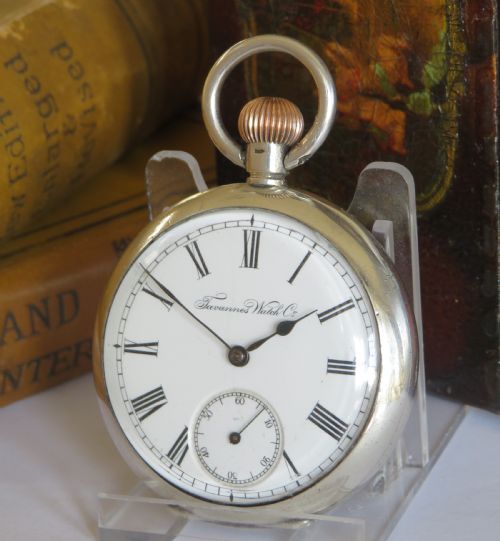
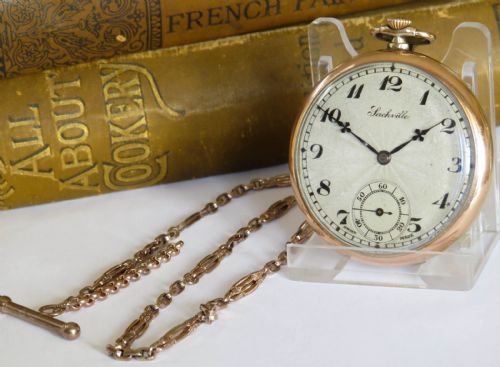
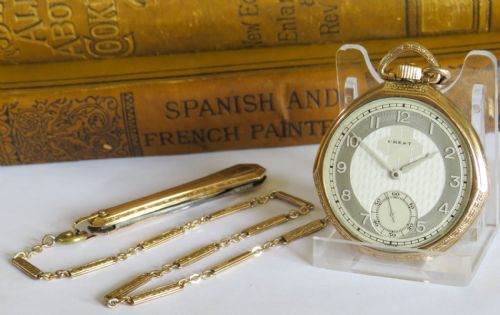
A gold swiss timepiece brings precision engineering together with precious metal, ranging from pocket watches to wristwatches across the twentieth century.
Gold Swiss Timepiece
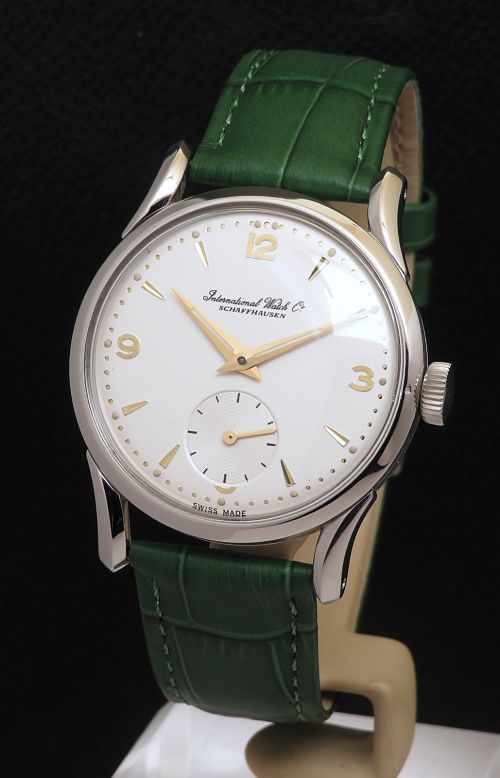
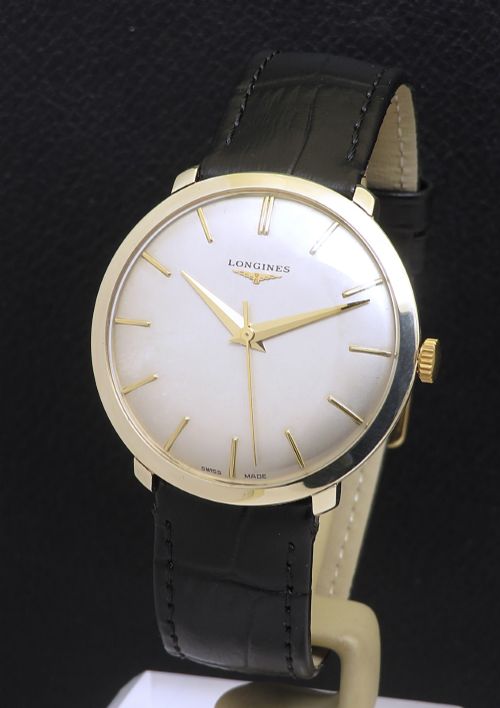
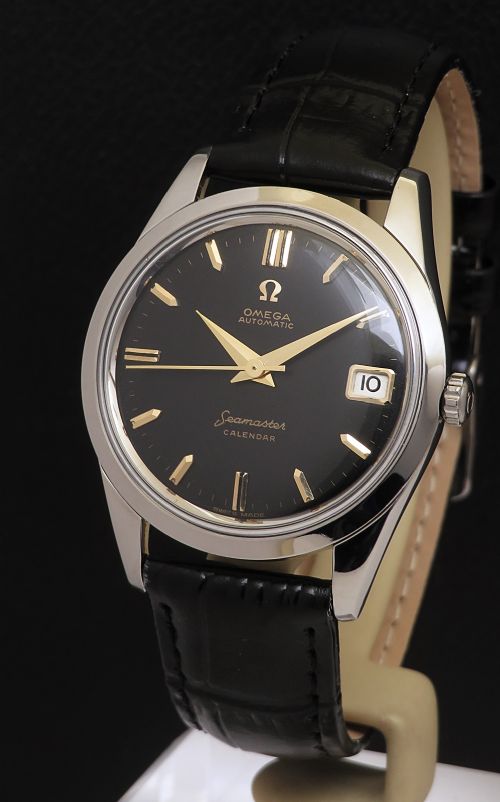
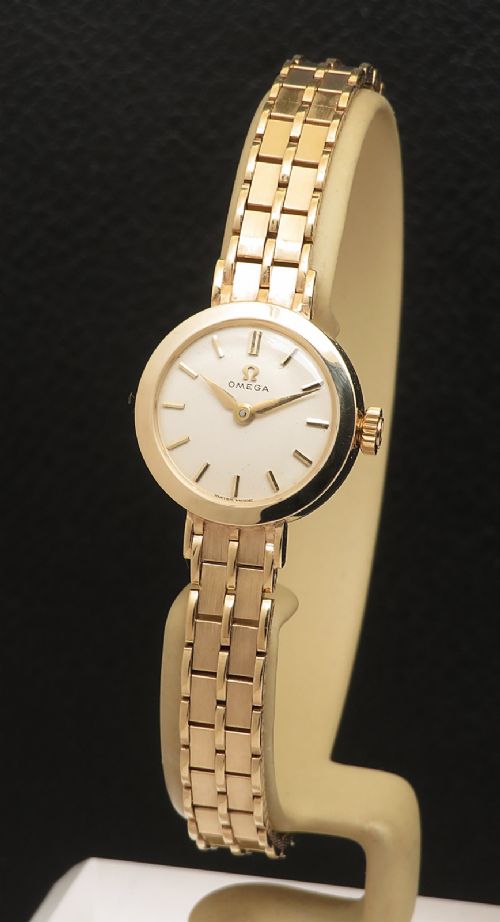
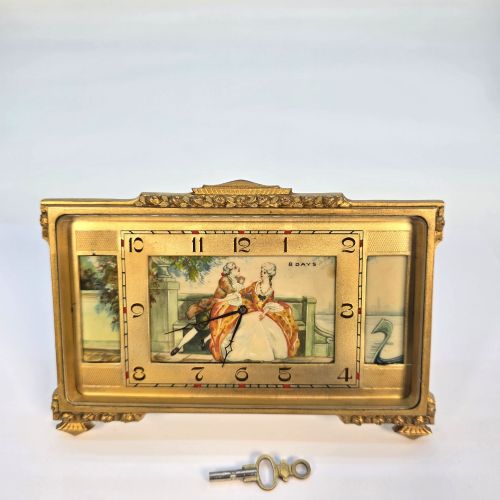
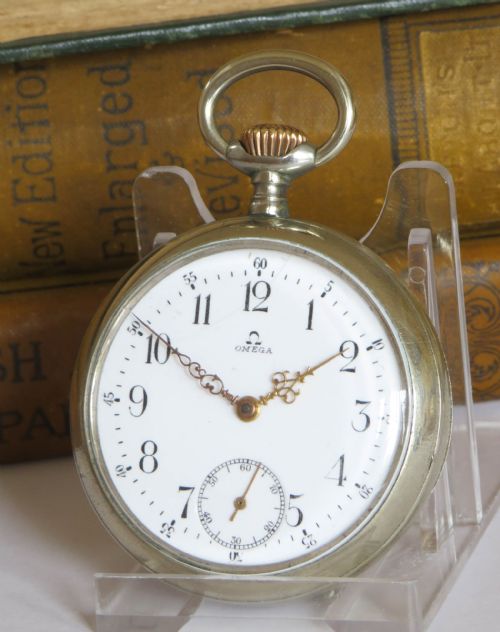
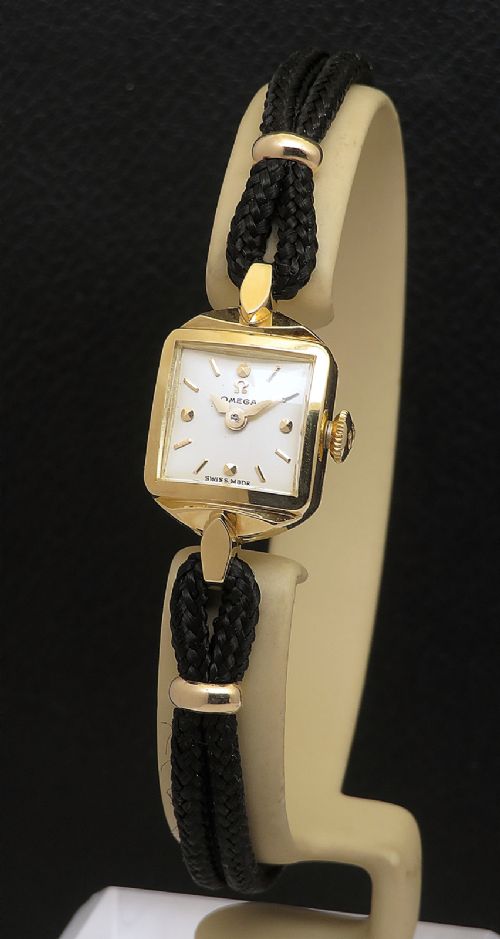
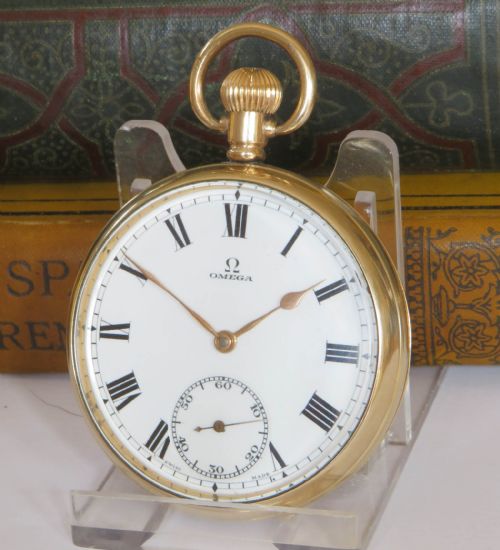
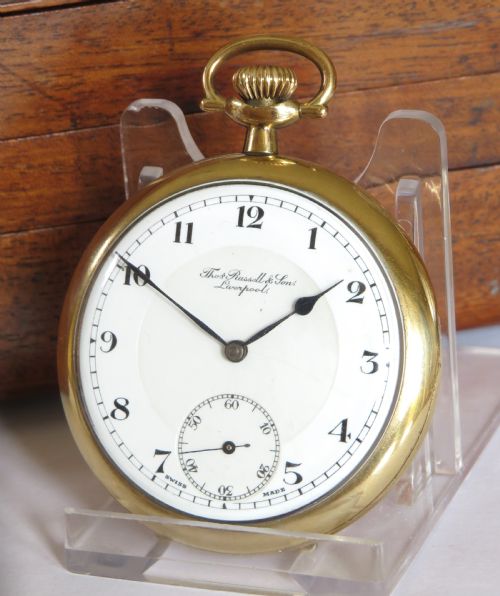
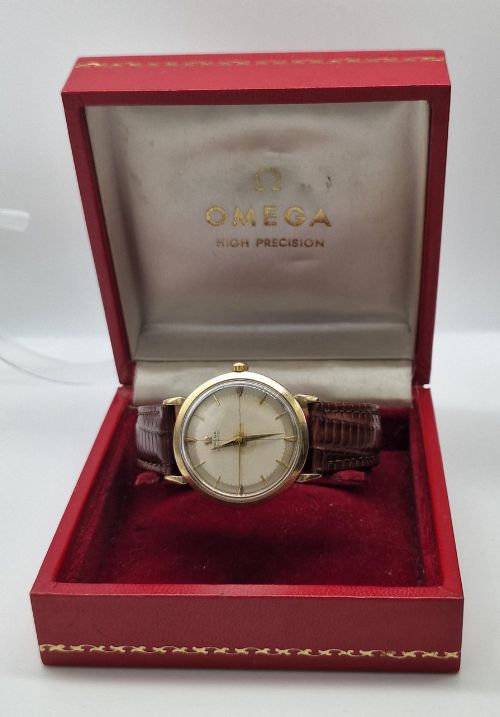
A gold swiss timepiece covers a broad spectrum of horological forms, from Edwardian pocket watches to mid-century wristwatches and desk clocks. The selections on this page lean heavily towards mid-century wristwatches and pocket watches housed in solid gold or gold plate.
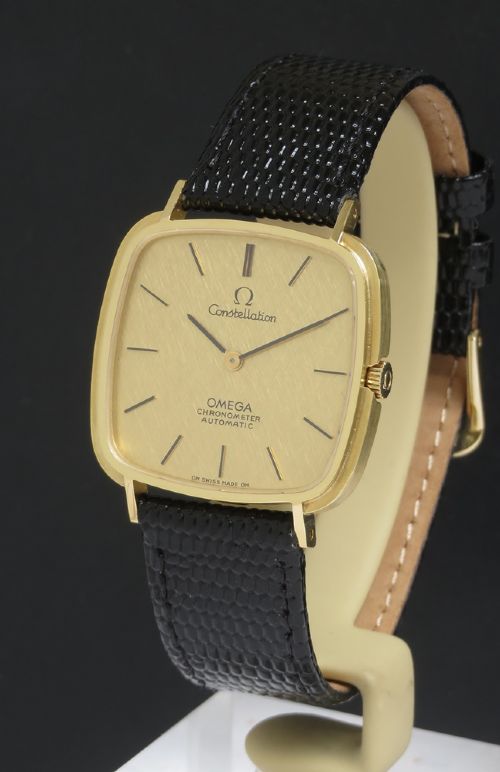
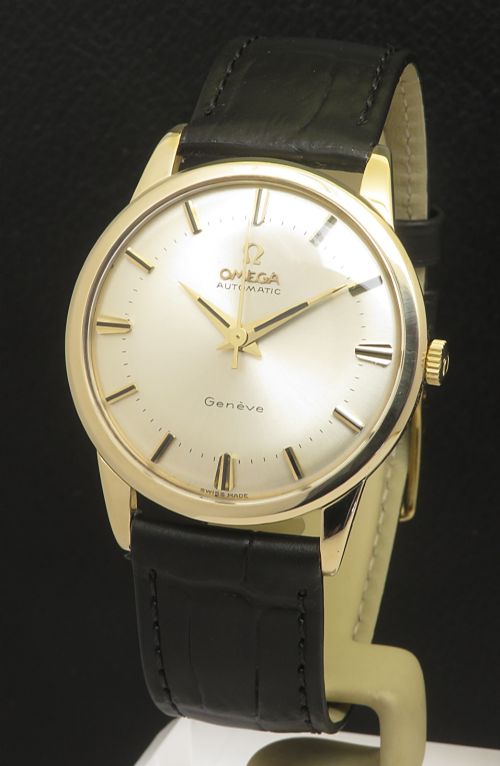
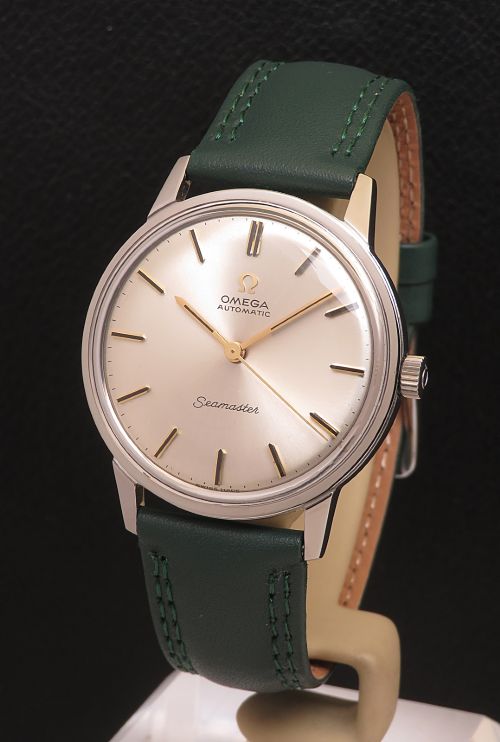
Makers such as Omega, Longines, and IWC dominate the wristwatch category, whilst pocket watches feature traditional Swiss and British names from earlier decades. Formats vary from simple calendar automatics to complex chronometers and delicate cocktail pieces.
The materials span standard yellow gold, white gold, and gold plate, often paired with leather straps and enamel dials. Buyers encounter everything from robust everyday automatic watches to specialist strut clocks.
How they were made
Construction relies on precision mechanical movements housed in cases of solid 9ct gold, 18ct gold, or gold plate. Manufacturers utilised traditional hand-assembly methods combined with emerging industrial techniques to produce durable calibres.
Dials frequently incorporate enamel work, applied gold markers, and acrylic glass crystals to protect the face. Straps commonly utilise leather, matching the metallic tones of the case and bezel.
The listings span multiple decades, incorporating both nineteenth-century roots and mid-century modern wristwatch designs.
What varies in quality
Quality separates standard mass-produced movements from chronometer-grade calibres finished with superior mechanical tolerances. The integrity of the dial print, the crispness of the case hallmarks, and the presence of original boxes influence overall standard.
The condition of the movement and whether components remain entirely original dictate the desirability of an item. Pieces retaining original signed crowns, dials, and matching straps represent the upper echelon of the market.
Longines·Omega·Thomas Russell and Son·IWC·Rolex·Bulova·Bucherer·Avia·Kays·Primula·Marvin·Gloriosa·Wittnauer·Dogma Prima·Limit·Lonville·Cyma·Certina
The Gold Swiss Timepiece Glossary
- Calibre
- The specific internal movement designation used by a manufacturer to identify a particular watch mechanism. Collectors often reference these numbers to date and verify authenticity.
- Chronometer
- A high-precision watch movement that has been tested and certified to meet strict accuracy standards over various temperatures and positions.
- Half Hunter
- A pocket watch featuring a case with a glass or open centre panel on the outer cover, allowing the user to read the time without opening the case fully.
- Strut Clock
- A portable timepiece designed to stand on a desk or table, supported by a hinged prop or strut attached to the rear of the case.
- Automatic
- A self-winding mechanical movement that uses the natural motion of the wearer's wrist to power the mainspring without manual winding.
Gold Swiss Timepiece: Frequently Asked Questions
How do I wind an automatic watch?
Automatic watches wind themselves through the natural movement of the wrist during daily wear.
If the watch has stopped entirely, give the crown a few gentle turns in the manual position to jumpstart the movement before wearing it.
What is the difference between a pocket watch and a wristwatch?
Pocket watches are designed to be carried in a waistcoat pocket, often secured with a chain attached to a buttonhole.
Wristwatches are secured directly to the wrist using a leather strap or metal bracelet for immediate time reading.
Can I wear my vintage watch every day?
Many vintage mechanical watches are robust enough for daily wear provided they have been recently serviced by a professional.
Consider whether the piece has water resistance before exposing it to moisture or heavy physical activity.
How do I read hallmarks on gold cases?
Hallmarks stamped inside the case back indicate the purity of the gold, such as nine carat or eighteen carat, along with the assay office.
These tiny marks help verify the material composition and general manufacturing period of the timepiece.