


Solid Brass Candlesticks
When you search for solid brass candlesticks, you open a practical world of period lighting spanning multiple centuries of metalwork.
Solid Brass Candlesticks
When hunting for solid brass candlesticks, buyers encounter utilitarian and decorative lighting pieces produced across the eighteenth, nineteenth, and early twentieth centuries. The selection encompasses matching pairs, single examples, and occasional sets intended for domestic interior illumination.
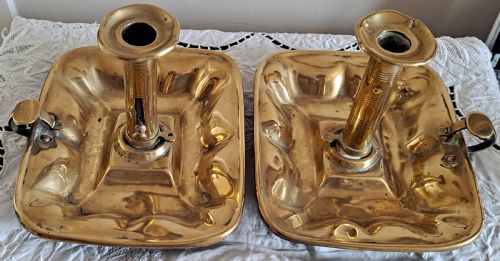
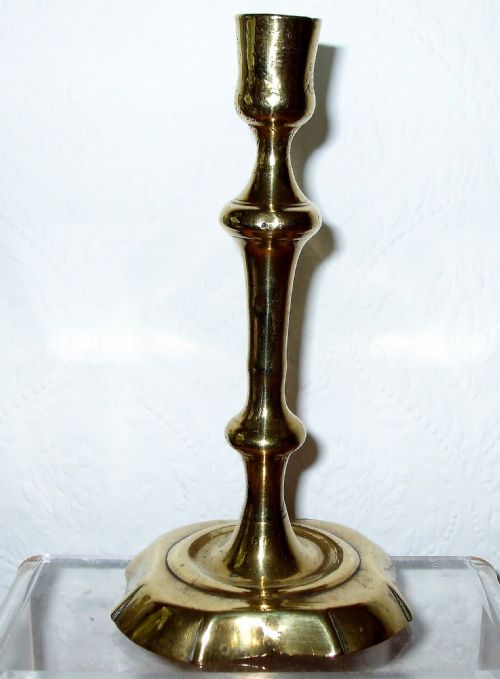
Most items appearing under solid brass candlesticks display Georgian, Victorian, or Edwardian characteristics, reflecting the dominant manufacturing eras preserved in the archive. Forms range from simple column stems and chambersticks to heavy cast barley twist designs and ornate Gothic variations.
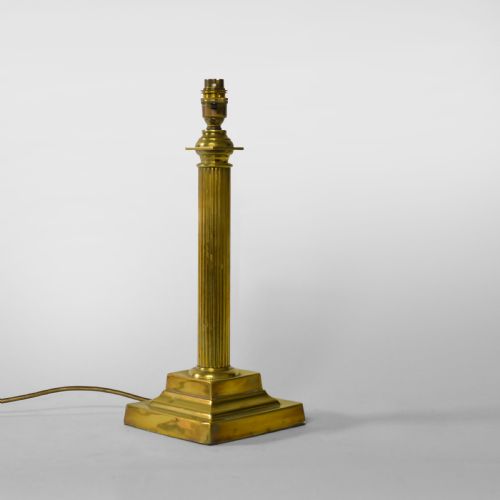
Beyond standard candlesticks, the category frequently includes dual-purpose items and conversions, such as table lamps fitted for electricity and hybrid pieces combining solid oak shafts with brass tops. Regional origins span English workshops, Dutch foundries, and French studios.
Materials and construction methods
Makers utilised traditional foundry techniques, pouring molten copper and zinc alloys into moulds to produce cast brass components with substantial weight and durable structure. Bell brass and solid bronze also appear among the metal variations, offering distinct tonal qualities and patination.
Many items incorporate turned elements, particularly in composite forms where solid oak shafts meet shaped brass bripans and thistle tops. Secondary materials such as fabric occasionally support table lamp adaptations, while fitted bases provide stability to taller columns.
Solid Brass Candlesticks Retail Price Guide 2026
Typical asking prices for solid brass candlesticks among the pieces listed under this phrase on Sellingantiques today, from the lower quarter to the upper quarter. They describe what is for sale here now, not the wider market.
Listings feature items spanning the eighteenth, nineteenth, and early twentieth centuries, constructed from solid brass, bell brass, bronze, and oak.
Assessing craftsmanship and execution
Quality reveals itself in the crispness of casting detail and the integrity of assembly, where superior pieces maintain clean lines and balanced proportions without excessive surface smoothing. Heavy cast examples generally demonstrate greater material density than hollow-formed counterparts.
Design complexity also distinguishes the range, moving from plain utilitarian profiles to intricate neoclassical columns or detailed animal motifs like cobra stems. The uniformity of matching pairs and the survival of original components heavily influence the standing of an individual set.
J.T. & Co
The Solid Brass Candlesticks Glossary
- Chamberstick
- A low candlestick fitted with a shallow pan and a handle, historically designed for carrying through a house at night.
- Barley twist
- A spiral turning resembling a twisted rope, carved into wood or cast in metal columns.
- Bell brass
- An alloy containing a higher proportion of copper, traditionally used for bells and yielding a resonant tone when struck.
- Ionic column
- A classical architectural order featuring distinctive scroll-shaped capitals, frequently adapted for candlestick stems.
- Bripan
- The wide drip pan located beneath the candle socket to catch falling wax.
Solid Brass Candlesticks: Frequently Asked Questions
How do I date solid brass candlesticks?
Dating relies on stylistic clues, manufacturing marks, and construction techniques visible in the metal. Georgian examples typically feature simpler push-up ejector mechanisms and softer patination, while Victorian and Edwardian items often display heavier casting or revival motifs.
Changes in screw threads and base construction also help separate eighteenth-century work from nineteenth-century production. Comparing pieces against documented archive examples provides further chronological context.
Were these candlesticks converted to lamps?
Many surviving pieces transition from holding wax candles to functioning as electric table lamps. This adaptation usually occurred during the twentieth century to accommodate modern domestic lighting needs.
Conversions frequently involve drilling the original metal stem or mounting the candlestick onto a fitted wooden or brass base to house wiring. Buyers should inspect the fitting method to determine if the alteration preserves the underlying antique structure.
What is the difference between brass and bronze?
Brass is primarily an alloy of copper and zinc, whereas bronze combines copper with tin. In historical lighting, these metals differ in weight, colour depth, and how they develop surface patination over time.
Solid bronze often presents a darker, richer brown tone naturally, while brass tends towards brighter golden hues. Both materials were utilised interchangeably by period founders depending on workshop preference and alloy availability.
How should I clean antique brass?
Maintaining antique metal involves preserving the accumulated surface patination rather than stripping it to a bright polish. Gentle dusting with a soft cloth removes everyday debris without harming the historical finish.
Aggressive chemical cleaners or abrasive pads should be avoided entirely, as they erase centuries of oxidation and wear. A light application of microcrystalline wax can protect the surface from further tarnishing if required.