



Snap Top Supper Table
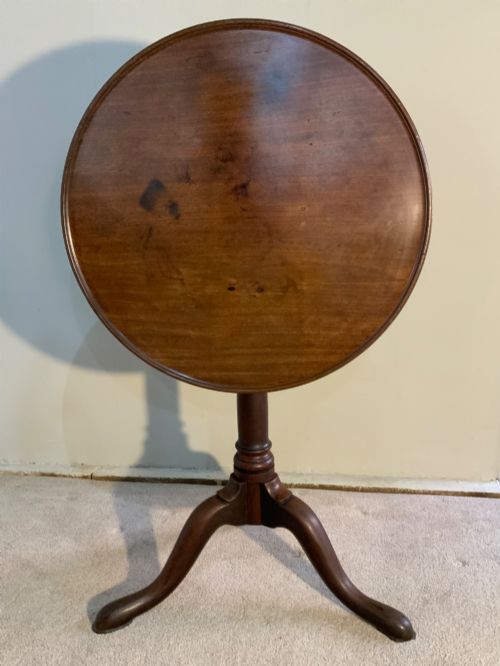
A snap top supper table brings nimble utility to the dining room, tipping upright against the wall when the meal ends.
Snap Top Supper Table
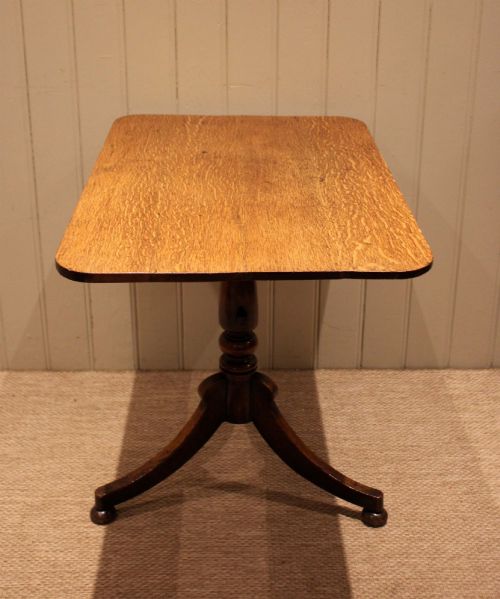
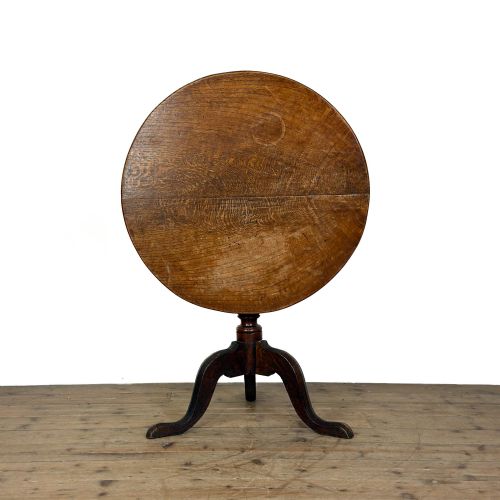
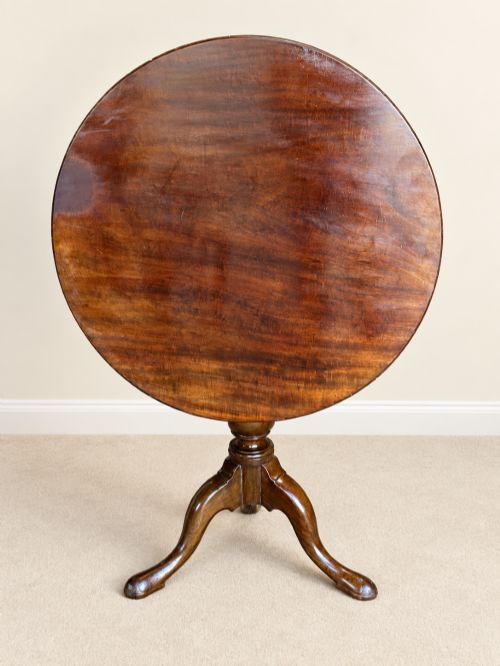
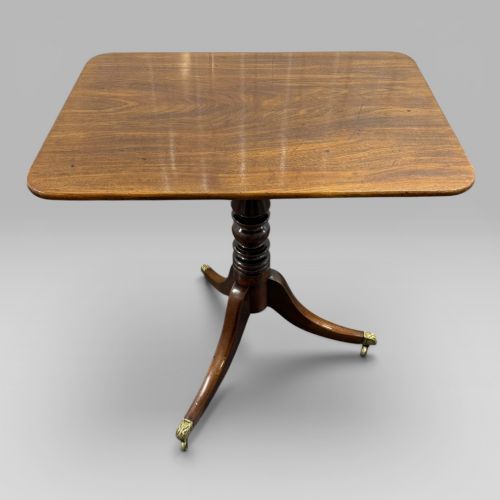
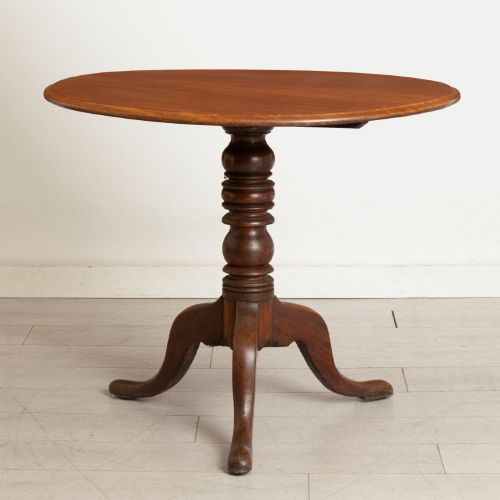
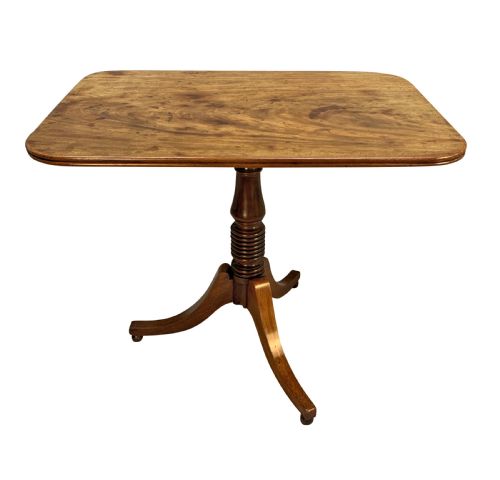
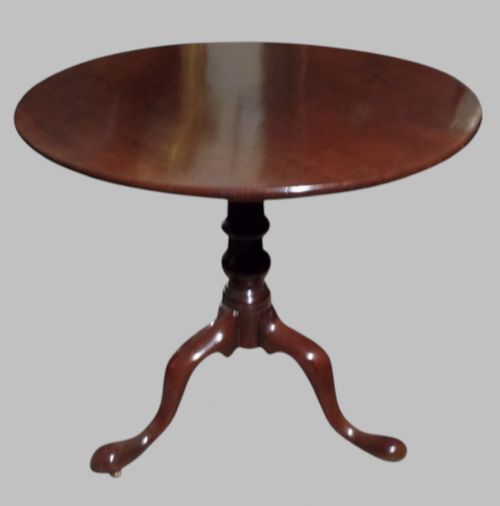
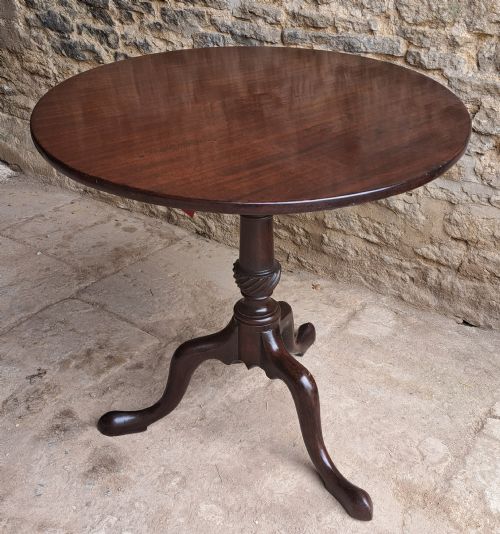
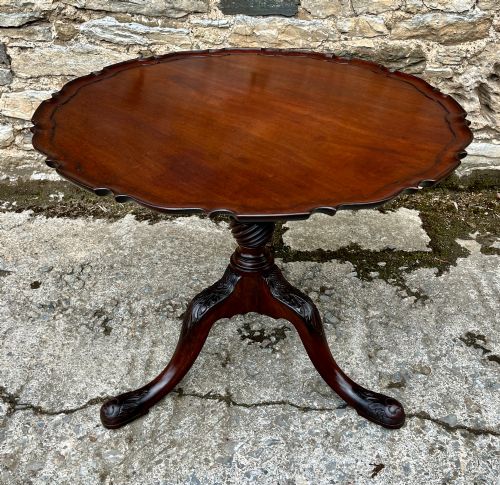
A snap top supper table combines a circular or shaped top with a pivoting mechanism and a central pillar resting on three legs. The snap top supper table appears most frequently in Georgian mahogany, often bearing the distinctive tripod base that allowed domestic spaces to adapt swiftly during the eighteenth and nineteenth centuries.
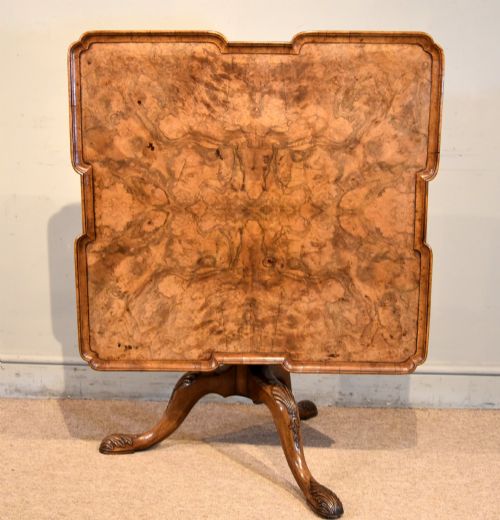
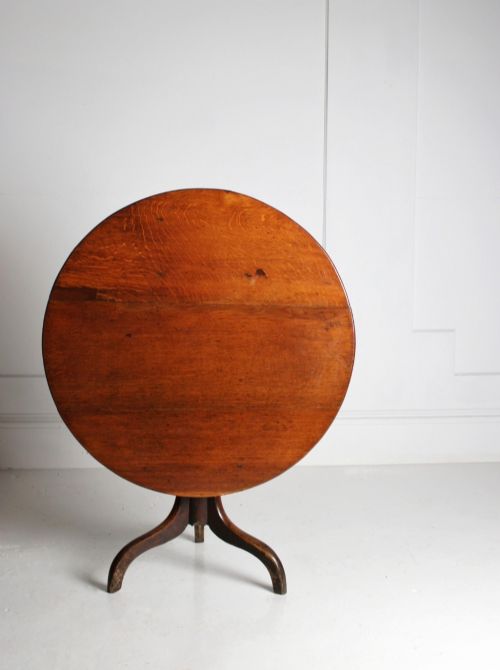
Makers produced these pieces in various timbers, though mahogany remains dominant alongside occasional examples in oak, walnut, and rosewood. The tilt mechanism relies on a wooden catch or a brass spring latch hidden beneath the leaves, permitting the top to lie flat for dining or pivot vertically to clear the chamber.
Surviving examples span the Georgian, Regency, and Victorian eras, demonstrating shifts from plain tripod designs to more elaborate pedestal arrangements. The snap top supper table serves today as an occasional table or a corner display piece, retaining its historic mechanical function within domestic settings.
Materials and Construction Methods
Cabinetmakers utilised dense hardwoods such as mahogany and Cuban mahogany, selecting single boards where possible for large circular tops. Oak and walnut also appear, particularly in country house and regional pieces, while rosewood marks later nineteenth-century examples.
The connection between top and pillar frequently employed a birdcage action, a wooden framework allowing the surface to both tilt and revolve. Tripod legs typically join the central column through dovetail joints or heavy iron and brass fixings, ensuring stability when the heavy timber top rests horizontally.
Snap Top Supper Table Retail Price Guide 2026
Typical asking prices for snap top supper table among the pieces listed under this phrase on Sellingantiques today, from the lower quarter to the upper quarter. They describe what is for sale here now, not the wider market.
Current listings feature mahogany, oak, rosewood, and walnut across Georgian, Regency, and Victorian periods.
Qualities of Construction and Age
The choice of timber dictates much of the distinction, with figured flame mahogany or dense Cuban mahogany sitting at the upper end of the scale. One-piece timber tops command greater respect than multi-board constructions joined across the diameter.
The sophistication of the mechanism under the top separates workshop standards, particularly the presence of a well-executed birdcage action that reduces wobble. Carved tripod legs featuring crisp acanthus leaves or ball-and-claw feet indicate higher workshop ambition than plain tapering legs.
John Bivins·W&C Wilkinson
The Snap Top Supper Table Glossary
- Snap top
- A mechanism allowing the table top to tilt into a vertical position. This clever device enabled tables to be stored flat against walls when not in use.
- Birdcage
- A small wooden framework placed between the table top and the central pillar. It permits the top to rotate independently of the column as well as tilt.
- Tripod base
- A support structure consisting of three curved legs radiating from a central pedestal. This configuration prevents rocking on uneven historic floors.
- Cuban mahogany
- A dense, heavy variety of timber imported from the West Indies during the eighteenth century. It takes a high polish and resists everyday denting.
Snap Top Supper Table: Frequently Asked Questions
How did people use a snap top supper table?
These tables served primarily for evening dining and entertaining in principal rooms. Once the meal concluded, the top tilted upright so servants could push the frame against the wall to clear floor space.
Today, the same mechanism allows the table to double as a decorative wall display when tilted, or function as a sturdy lamp table when lowered.
How do I distinguish a Georgian table from a Victorian one?
Georgian examples often rely on lighter proportions, crisp tripod legs, and dense mahogany timbers with subtle patination. Cabinetmakers of this period favoured understated elegance over heavy ornamentation.
Victorian pieces frequently introduce darker rosewood, bolder turned pedestals, and occasionally more robust framing to suit changing interior fashions of the later nineteenth century.
Is the tilt mechanism fragile?
The mechanism relies on close-fitting wooden catches or metal pivots that have survived centuries of daily use. While robustly made, the heavy timber top demands care when pivoting to prevent sudden drops against the stop.
Routine maintenance involves checking the wooden wedge or brass latch underneath to ensure the top locks securely in the horizontal position.
Will a tilt top table sit flat?
Most antique tables maintain a level surface when the catch engages properly, though minor settling can occur across different floor surfaces. The three-legged tripod design inherently ensures stable contact on uneven antique floorboards without rocking.
Adjusting the hidden wooden blocks beneath the pivot can correct minor alignment issues over time.