

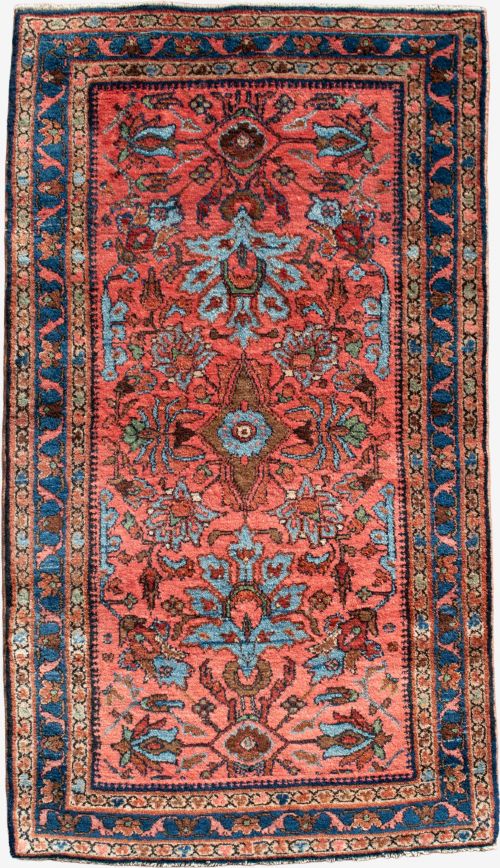

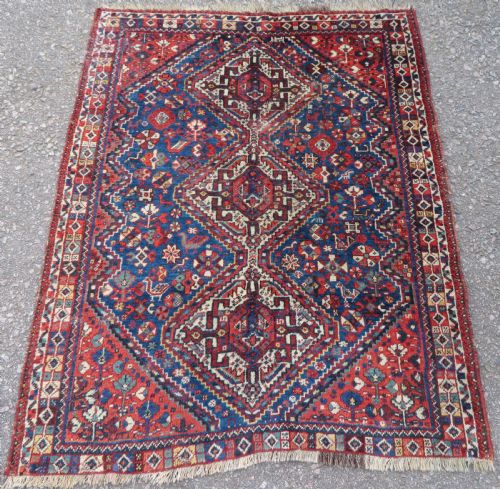
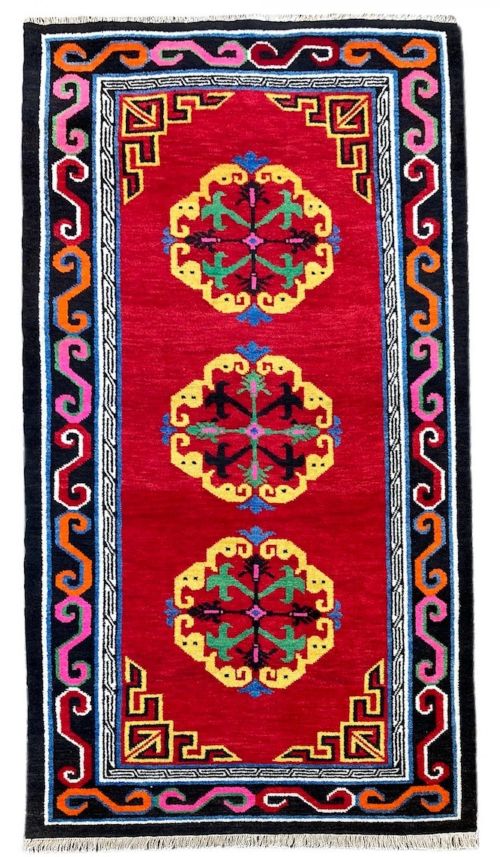
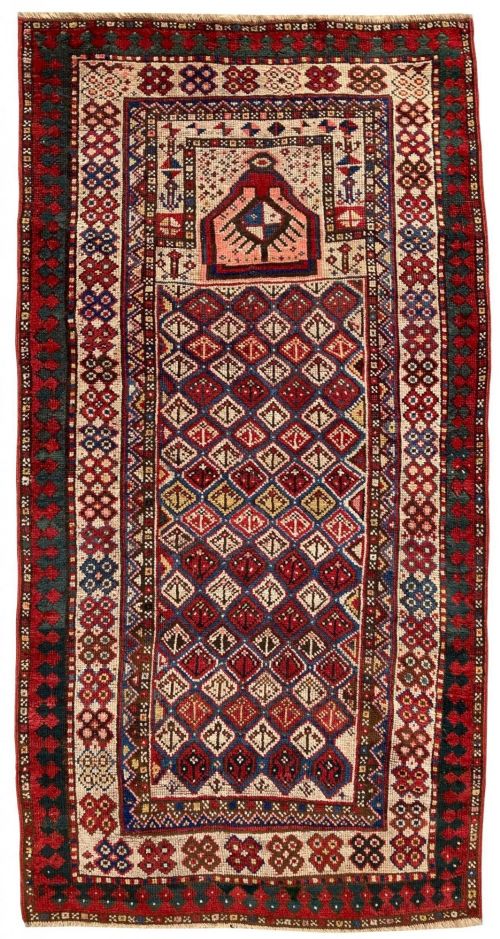


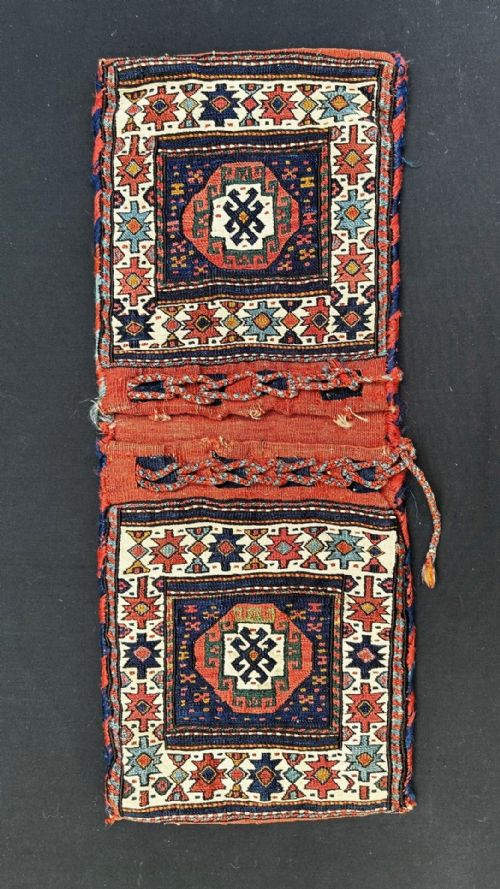
Small Woven Rug
A small woven rug brings genuine nomadic and village warmth to a floor, offering rich tribal patterns made to last.
Small Woven Rug
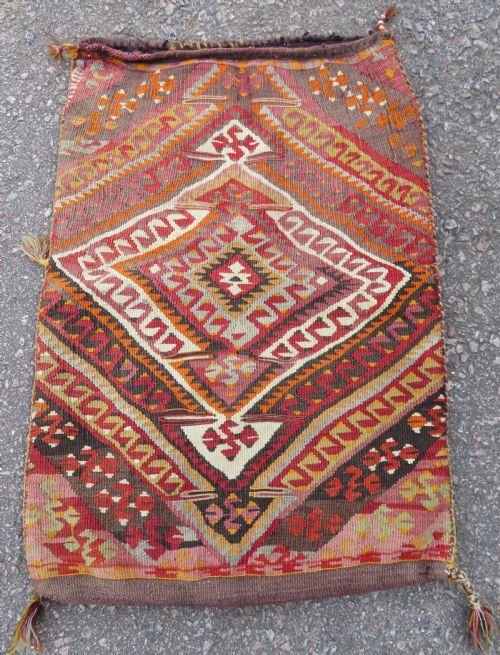
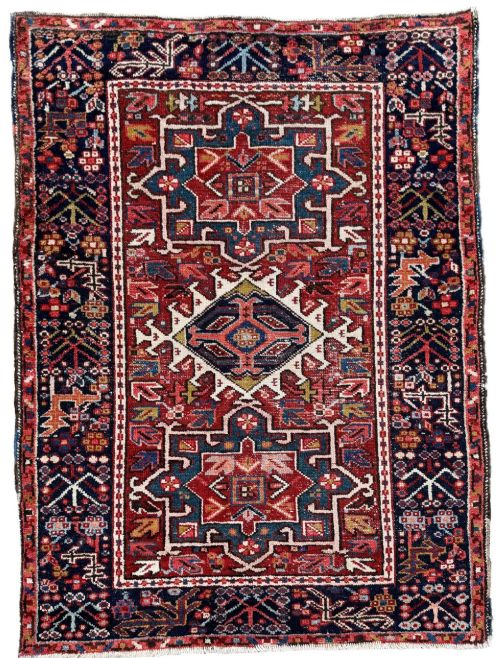
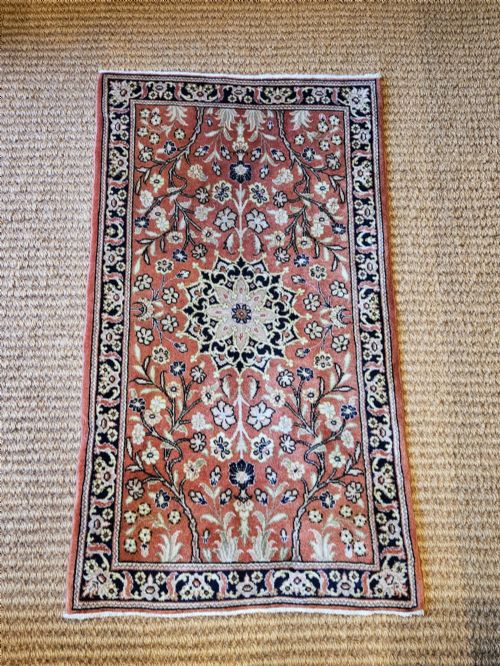
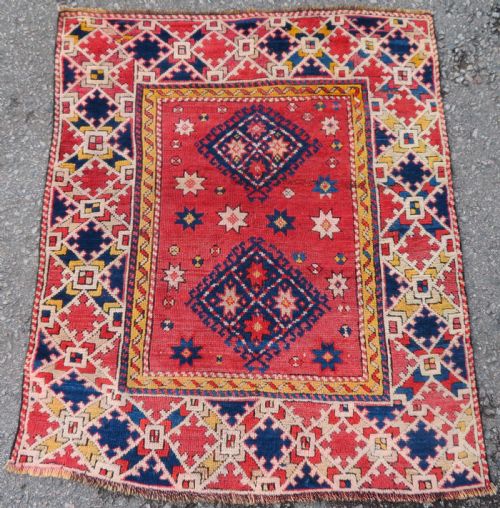
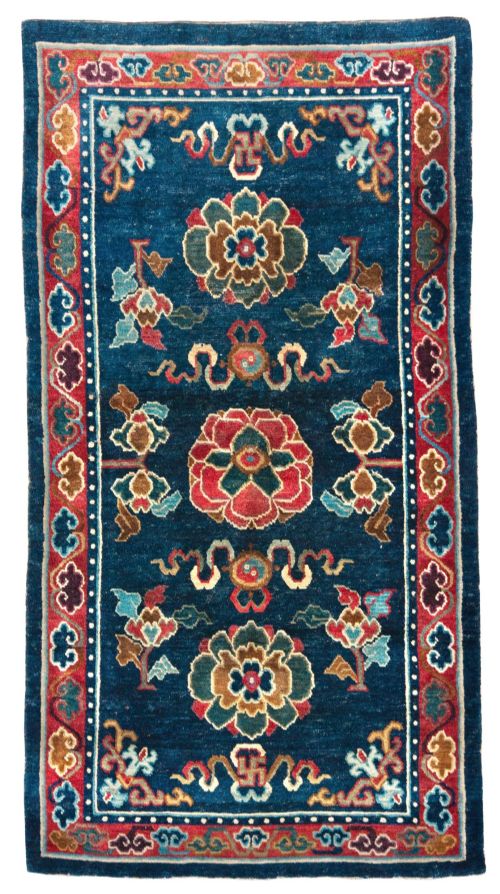
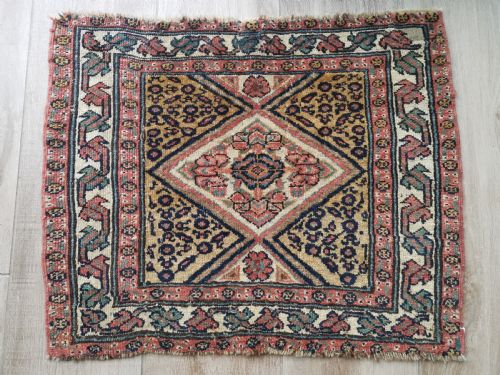
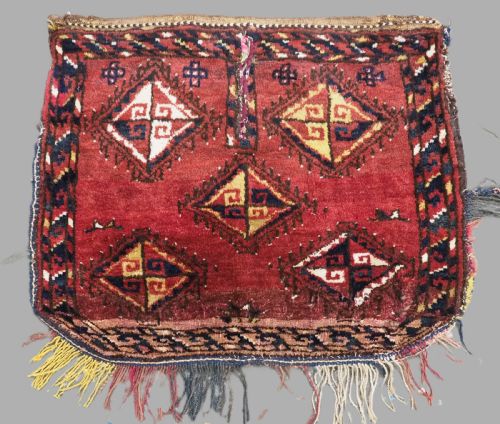
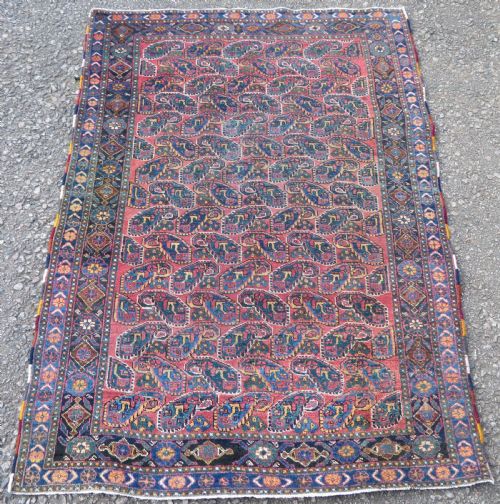
A small woven rug encompasses an array of compact village and nomadic formats, including bag faces, saddle bags, torbas, and prayer rugs created across Persia, Anatolia, the Caucasus, and Central Asia. These items stem from diverse tribal groups such as the Baluch, Afshar, Yomut, Tekke, and Kurdish peoples, reflecting centuries of regional weaving traditions.
Buyers browsing this category frequently encounter portable household textiles originally put to daily domestic use rather than made merely for display. Format variations range from grain sacks and vanity bags to hearth-sized floor coverings, all sharing diminutive dimensions suited to tight spaces.
The historical timeline for these pieces spans the nineteenth century through the early twentieth century, incorporating periods from the eighteen-seventies up to the nineteen-thirties. Each specimen carries distinct tribal motifs that identify its specific geographical and cultural lineage.
Materials and construction
These textiles rely principally on wool and cotton foundations, utilising resilient animal fibres for the pile and face textiles alongside sturdy cotton supports where appropriate. Natural dyes provide the enduring palette, yielding deep earthy tones that mellow gracefully over decades of light exposure.
Weaving techniques combine flatweave kilim methods with knotted pile construction, executed on portable vertical or horizontal looms set up by tribal makers. The resulting structures demonstrate tight knotting and robust selvages designed to withstand the rigours of nomadic existence.
Small Woven Rug Retail Price Guide 2026
Typical asking prices for small woven rug among the pieces listed under this phrase on Sellingantiques today, from the lower quarter to the upper quarter. They describe what is for sale here now, not the wider market.
Some tiny antique bags survived simply because they held a nomad's precious personal vanity items while crossing the mountains.
Assessing quality in antique tribal weavings
Quality rests significantly on the precision of the weave and the saturation of the natural dyes, where tighter knot counts and complex iconography indicate superior execution by skilled hands. The vibrancy and clarity of the palette show how well the dyestuffs took to the wool.
Condition and integrity of the original tribal structure also determine standing, with well-preserved bag faces and intact edges commanding greater appreciation. The balance of proportion within the geometric or pictorial design reveals the weaver's artistic eye.
The Small Woven Rug Glossary
- Bagface
- The decorated front panel of a utilitarian storage sack, woven to display traditional tribal motifs while the back remained plain.
- Torba
- A small horizontal storage bag traditionally used inside a nomadic tent for holding household goods and personal belongings.
- Kilim
- A flatweave textile produced by tightly interweaving warp and weft strands without creating a piled surface.
- Prayer rug
- A small format textile featuring a mihrab design, used traditionally to designate a clean space for daily devotions.
- Gul
- A medallion motif repeated across Turkmen and other Central Asian carpets, often signifying specific tribal identity.
Small Woven Rug: Frequently Asked Questions
How were these small rugs used originally?
Nomadic and village communities utilised these compact textiles for practical storage, saddle transportation, and domestic comfort inside tents and homes.
Many examples began life as functional bags, grain sacks, or bedding covers before surviving as decorative collector items.
Where do most of these tribal pieces come from?
The origins span across Persia, Anatolia, the Caucasus, and Central Asia, representing distinct regional groups and nomadic confederacies.
Each weaving region developed characteristic colour combinations, structures, and geometric or pictorial symbols unique to their culture.
How do I care for an antique wool rug?
Gentle vacuuming without a rotating brush helps remove embedded dust while protecting the delicate antique wool pile and original flatweave edges.
Keeping the textile out of direct, harsh sunlight prevents the natural dyes from fading prematurely over the years.
How are different tribal styles told apart?
Distinctions rely on identifying specific guls, border arrangements, structural materials, and characteristic colour palettes associated with particular tribes.
For instance, Baluch and Afshar pieces exhibit different wool qualities and geometric vocabularies compared to Turkmen torbas.