
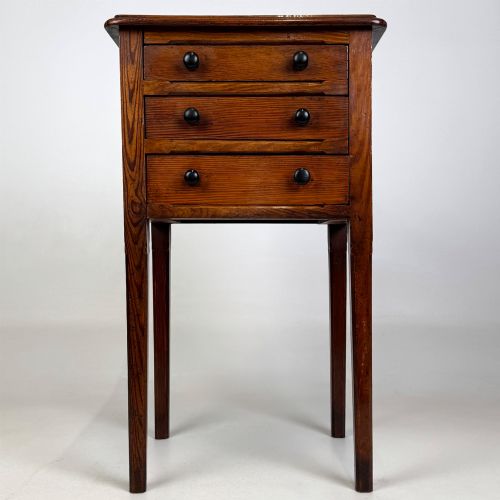
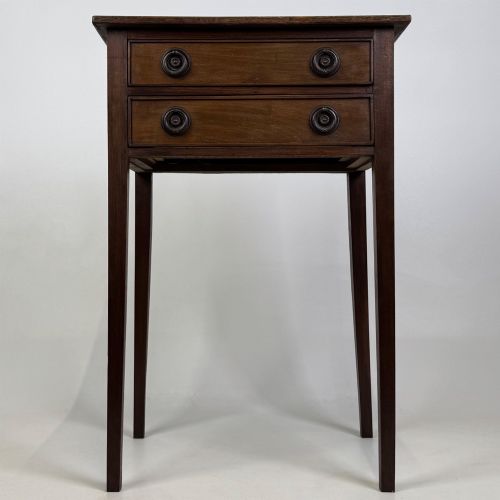
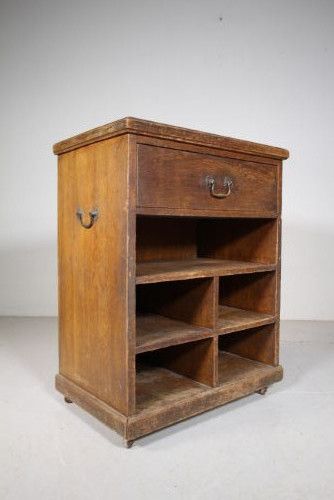
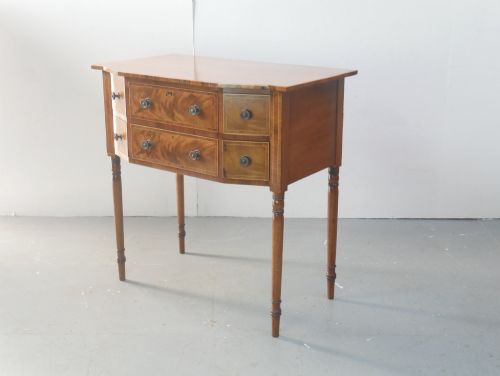


Small Wooden Side Chest
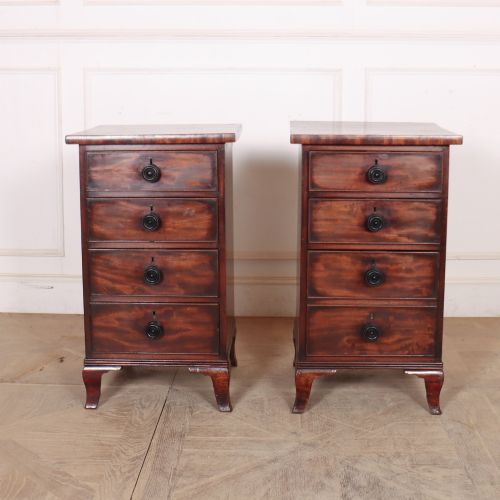
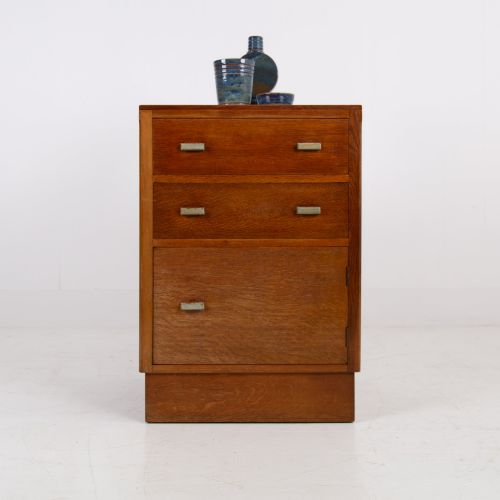
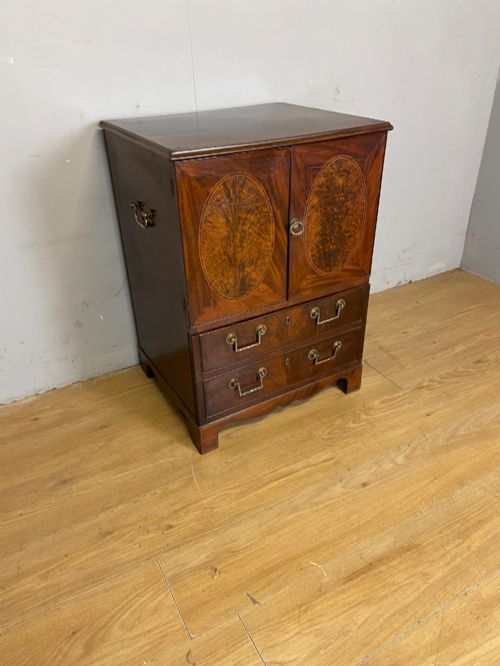
These small wooden side chest options offer neat storage and display surfaces, bringing period character into compact spaces.
Small Wooden Side Chest
When you search for a small wooden side chest, you encounter a diverse group of compact furniture designed for bedside, hallway, or occasional use. The selection spans from the eighteenth century through the Victorian era and into twentieth-century modernism, encompassing various forms of miniature storage.
You are most likely to meet bedside cupboards, side cabinets, commodes, and small chests of drawers rendered in timber. These pieces fulfil practical household needs while fitting neatly into limited spaces.
The origins stretch across English workshops, French ateliers, and Italian makers, utilising traditional forms such as the Wellington chest, music cabinet, and bedside table.
How they were made
Cabinet makers constructed these pieces using solid timbers and decorative veneers over secondary woods. Mahogany, oak, walnut, and pitch pine provide the structural integrity and grain patterns seen across the inventory.
Surface decoration involves fine inlays, brass hardware, marble tops, and carved details. Joinery techniques such as dovetailed drawers and pegged frames ensure durability across centuries of domestic use.
Listings feature mahogany, oak, walnut, burr walnut, pitch pine, and yew wood across various nineteenth and twentieth-century periods.
What varies in quality
The distinction between standard utility items and finer examples rests in the selection of timbers and the precision of the cabinet work. Matched flame mahogany, burr walnut, and intricate marquetry indicate higher workshop standards.
Original brass fittings, smooth drawer action, and crisp carving elevate a piece above simpler vernacular production. The harmony of proportions and the preservation of original surfaces dictate the standing of individual examples.
Gomme
The Small Wooden Side Chest Glossary
- Commode
- A low decorative chest of drawers or cabinet, often featuring French or Italian styling. These pieces frequently incorporate marble tops and elaborate veneer work.
- Wellington chest
- A tall, narrow chest of drawers secured by a hinged locking stile on the right side. This form originated in the nineteenth century for compact storage.
- Marquetry
- The art of applying pieces of veneer to a structure to form decorative patterns and pictures. Makers utilised various coloured woods to create pictorial designs.
- Pitch pine
- A durable softwood characterised by a prominent grain pattern and resinous content. Cabinet makers utilised this material extensively during the nineteenth century.
- Tea poy
- A small stand or chest originally designed to hold containers of tea. These versatile pieces often double as lamp or occasional tables today.
Small Wooden Side Chest: Frequently Asked Questions
What is a small wooden side chest used for?
These compact pieces serve multiple domestic functions, from bedside storage to holding lamps in hallways or living rooms. Their modest footprints allow them to fit into alcoves and tight spaces where larger furniture cannot go.
Historically, specific forms held sheet music, tea caddies, or medical supplies, but today they function primarily as versatile occasional tables and small drawer units.
How do I date a wooden side chest?
Dating relies on examining construction methods, wood types, and stylistic details such as hardware and leg forms. Eighteenth-century pieces often display hand-cut dovetails and solid timber construction, while Victorian examples introduce machine-sawn elements and different aesthetic revivals.
Comparing the secondary woods inside drawers and the ageing of the finish helps establish the period of manufacture. Hardware changes over time provide another reliable indicator of age.
Are these pieces made of solid wood?
Many examples utilise solid timbers such as oak, mahogany, or pitch pine for their main frames and structural members. Cabinet makers frequently applied fine veneers over secondary woods on drawer fronts and tabletops to display decorative grain patterns.
Using veneers allowed craftsmen to utilise exotic woods economically while preventing the cracking that solid boards might suffer across wide surfaces.
How do I care for antique wood furniture?
Keep wooden furniture away from direct sunlight and heat sources to prevent the timber from drying out and the veneers from lifting. Maintaining stable humidity levels in the room preserves the condition of both the wood and the traditional finishes.
Apply high-quality beeswax occasionally to nourish the surface and maintain a soft sheen. Avoid silicone-based sprays, which can penetrate the finish and damage the wood over time.