


Small Wooden Lamp Stand
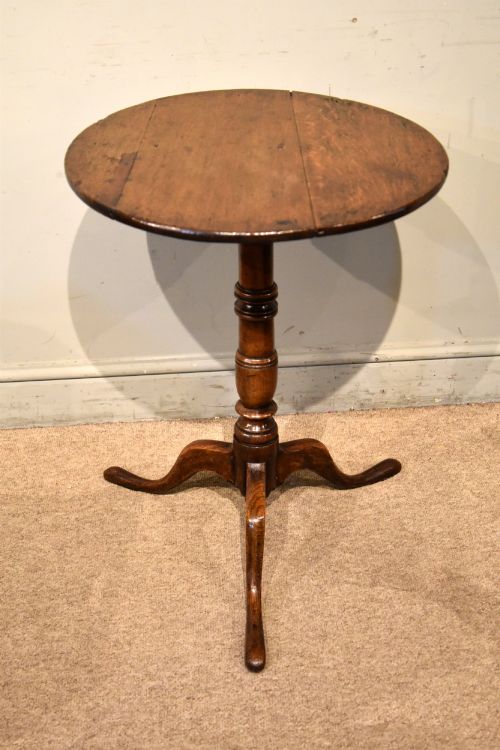
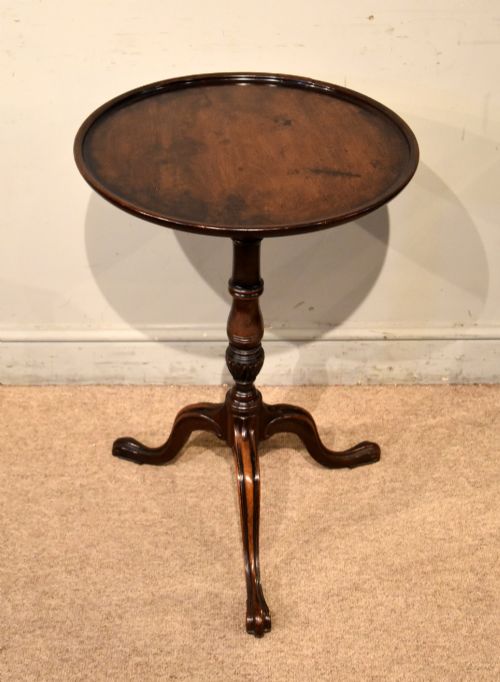
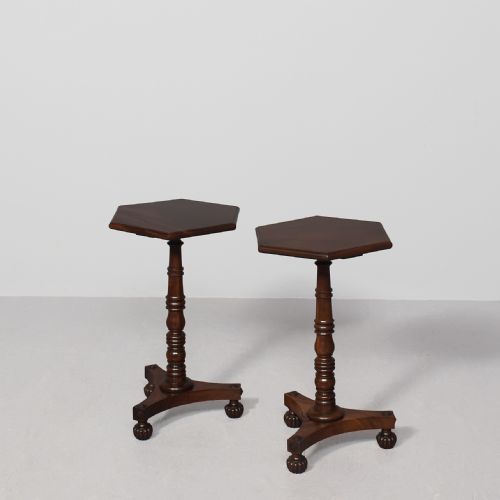
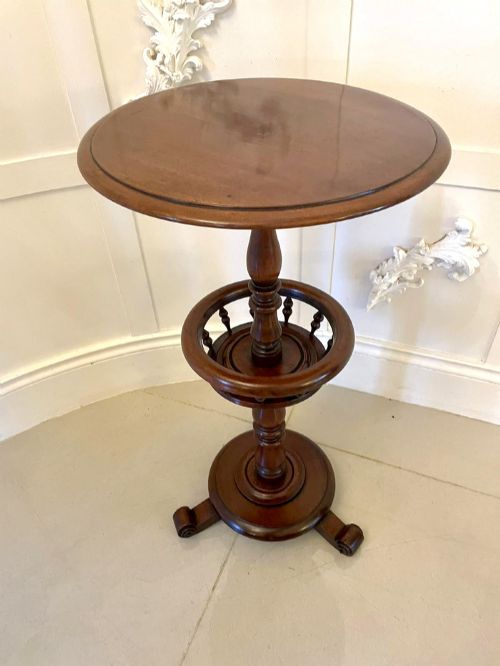
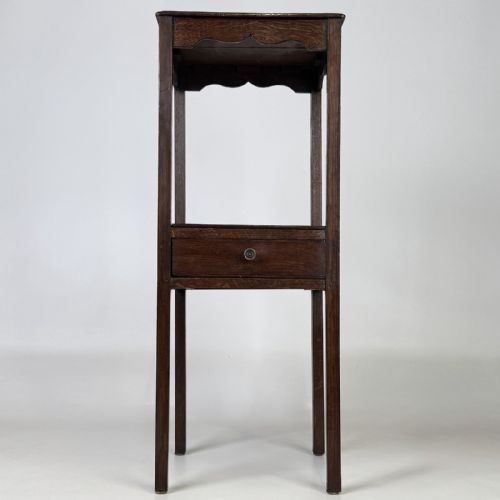
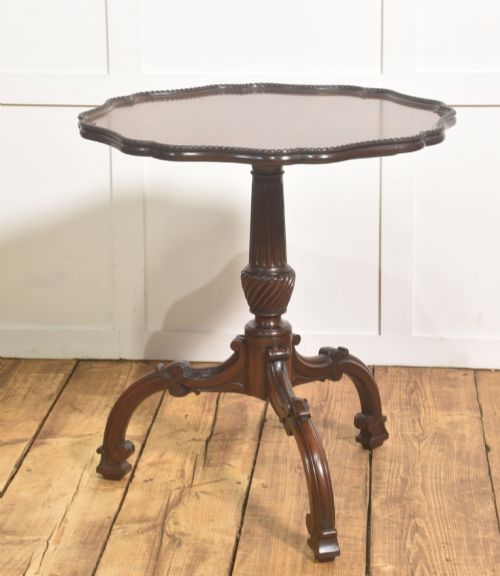
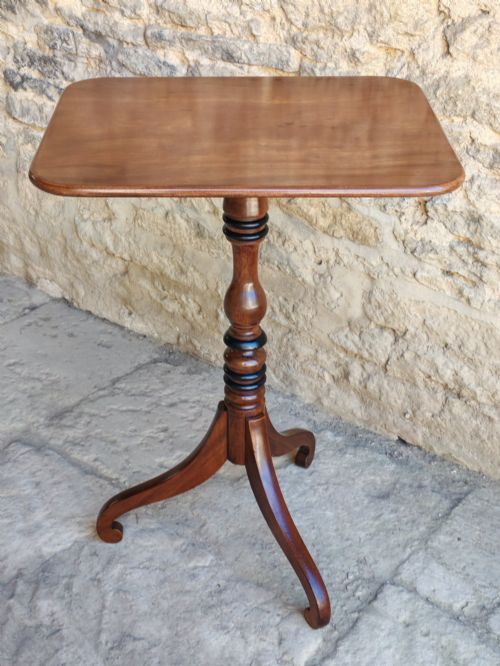
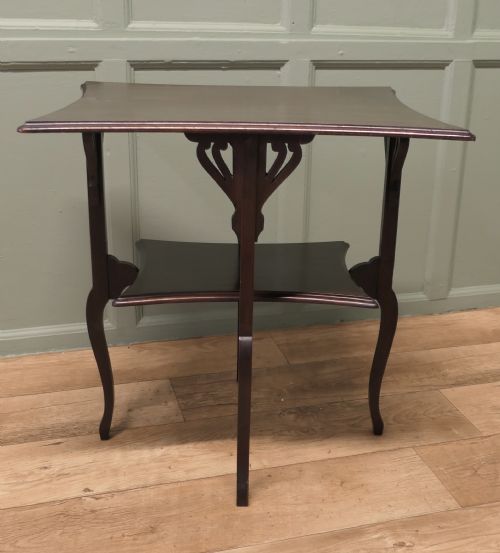
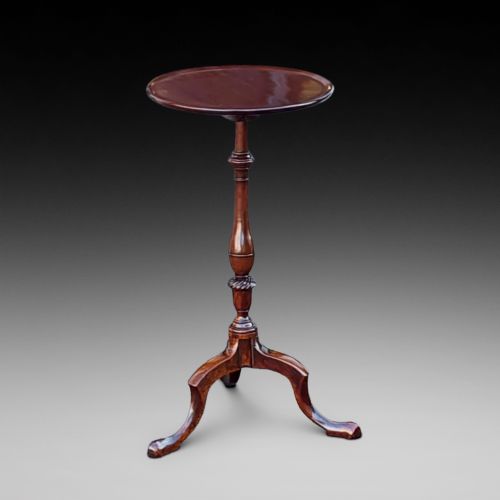
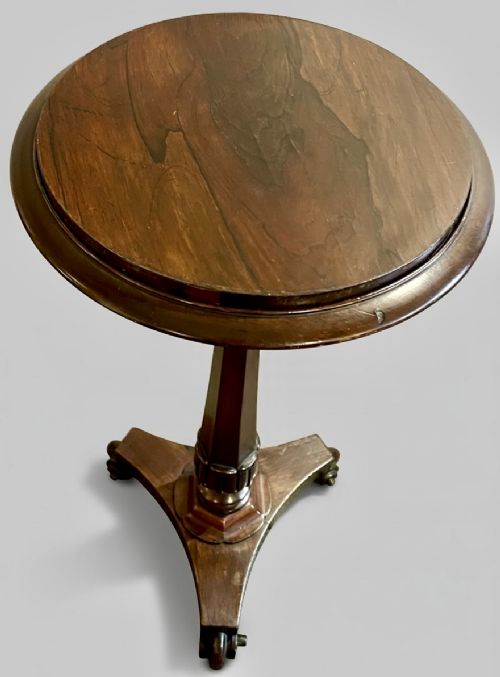
A small wooden lamp stand provides a sturdy surface for illumination, taking the form of occasional tables, wine tables and urn stands from the Georgian to the Edwardian periods.
Small Wooden Lamp Stand
When you examine a small wooden lamp stand on this page, you are looking at occasional tables, wine tables, side tables, corner tables and urn stands spanning the eighteenth century through to the 1930s. These pieces originate predominantly from the Georgian, Victorian and Edwardian eras, alongside Arts and Crafts and revival styles.
The forms you meet most frequently are mahogany, oak and walnut side and occasional tables, often standing on tripod bases or central pedestals. Makers such as Druce & Co London and W. Turner Lord & Co appear among the inventory, alongside simpler vernacular pieces in fruitwood and oak.
A buyer uses a small wooden lamp stand to hold lighting in a corner or beside seating, where floor space is limited. Their compact dimensions make them adaptable additions to sitting rooms and libraries, serving their original function just as effectively today.
Construction and Materials
The materials recorded in these listings rely heavily on dense hardwoods, principally mahogany, oak, walnut, rosewood and fruitwood, selected for structural stability and rich grain patterns. Satinwood and wood inlay frequently appear on surfaces for decorative contrast, while brass provides galleries and hardware details.
Small Wooden Lamp Stand Retail Price Guide 2026
Typical asking prices for small wooden lamp stand among the pieces listed under this phrase on Sellingantiques today, from the lower quarter to the upper quarter. They describe what is for sale here now, not the wider market.
Listings span the eighteenth century to the 1930s, featuring mahogany, oak, walnut, rosewood, fruitwood and satinwood.
Evaluating Quality
The standard of a small wooden lamp stand rests on the crispness of its carving, the depth of figure in timbers like burr walnut or mahogany, and the integrity of its construction. Superior pieces display thoughtful proportion in the turning of pedestals and precise execution of inlay or marquetry.
Simpler vernacular examples rely on honest materials and straightforward joinery, whereas works bearing workshop stamps or attributed to makers demonstrate elevated design ambition and refined finishing. The cohesion between top, column and base separates utilitarian items from finer cabinet work.
Druce & Co London·W. Turner Lord & Co
The Small Wooden Lamp Stand Glossary
- Tripod table
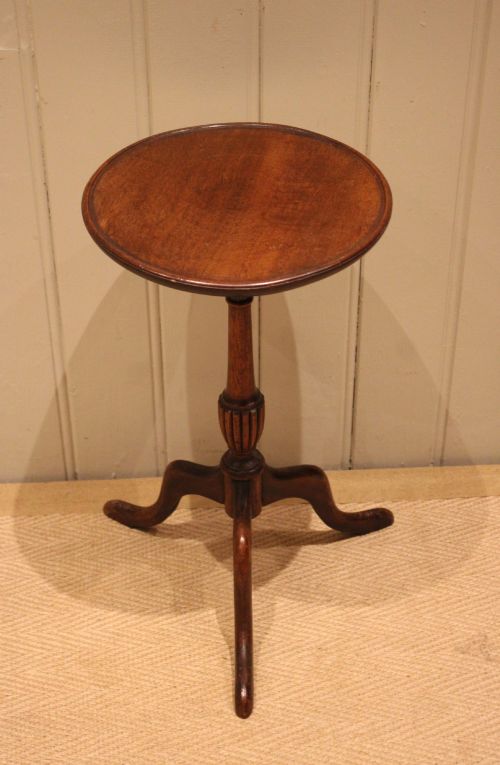
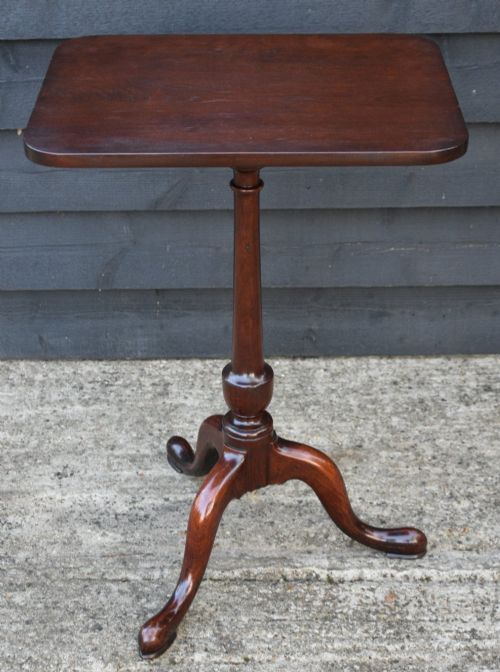
- A small table supported by a central pillar resting on three legs. This form gained popularity during the Georgian period for its stability on uneven floors.
- Tilt-top
- A table mechanism allowing the surface to pivot to a vertical position when not in use. It enabled compact storage against walls in period rooms.
- Marquetry
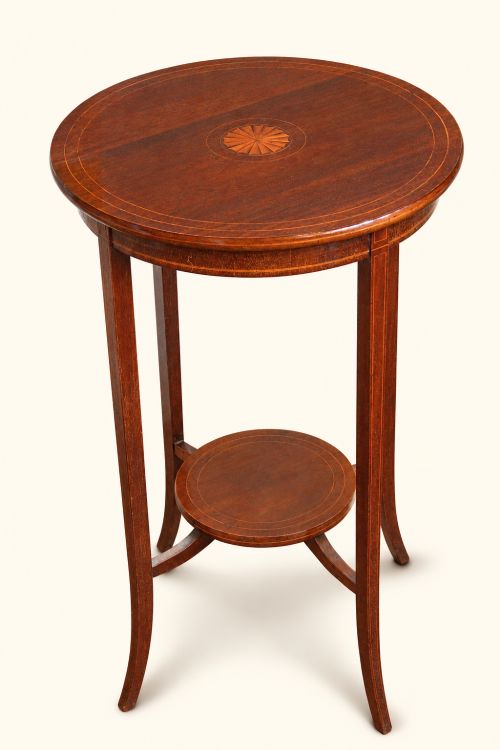
- Decorative patterns formed by inserting pieces of coloured wood veneer into a solid wood ground. It appears on finer Georgian and Edwardian occasional furniture.
- Barley twist
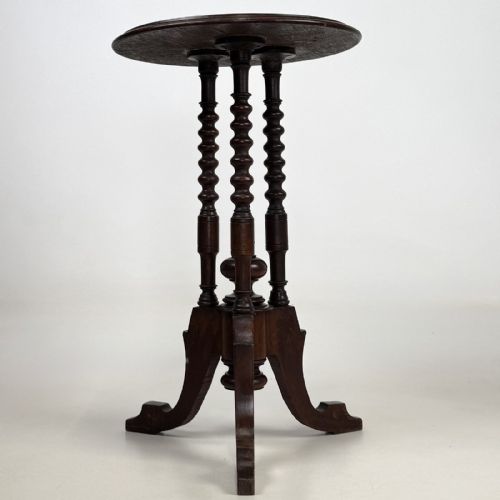
- A spiral turning resembling a twisted rope, used to shape table legs and pedestals. This decorative technique is commonly found on Victorian and Edwardian oak furniture.
- Urn stand
- A small, elevated table designed originally to hold a hot water urn. They frequently feature raised rims or brass galleries to secure vessels.
Small Wooden Lamp Stand: Frequently Asked Questions
What is a small wooden lamp stand used for?
These pieces function primarily to support lighting devices beside chairs or in room corners. Their modest surface area suits them specifically for holding lamps without dominating a room layout.
Historically, many of these formats served alternative roles such as wine tables, candle stands or urn supports before adapting to modern electrical lighting.
How do I identify a Georgian lamp stand?
Georgian pieces generally display restrained classical proportions, premium mahogany or fruitwood timbers, and tripod bases with pad or snake feet. The joinery is typically traditional and unpretentious.
In contrast, later Victorian and Edwardian examples often incorporate more ornate carving, heavy pedestals, or revivalist motifs such as barley twist turnings.
Are these tables sturdy enough for daily use?
The dense hardwoods employed in their construction, such as oak, mahogany and walnut, provide enduring structural integrity. Tripod bases and central pedestals are engineered to bear balanced weight securely.
Placing a lamp on these surfaces aligns directly with their intended nineteenth and twentieth-century function as occasional furniture.
What is an Arts and Crafts lamp table?
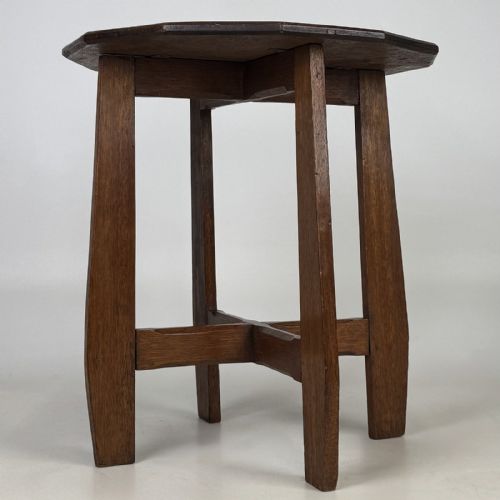
Arts and Crafts pieces emphasise visible hand-craftsmanship, straightforward construction, and the natural grain of oak or walnut. They reject excessive machine-made ornamentation in favour of honest utility.
These tables frequently feature clean geometric lines and minimal decorative carving, reflecting the design philosophy of the late nineteenth and early twentieth centuries.