



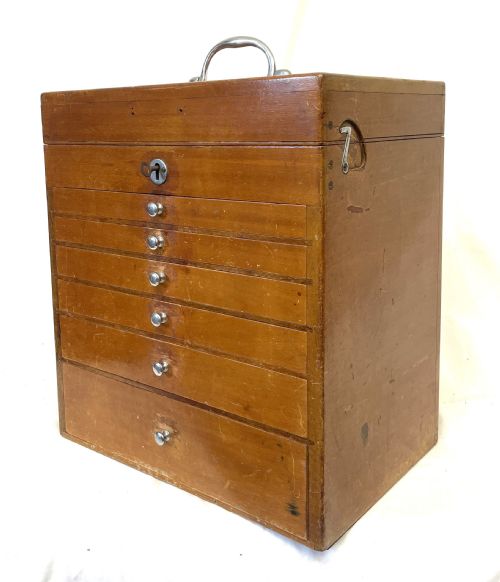

Small Wooden Collectors Box
These small wooden collectors box pieces span centuries of meticulous craftsmanship, offering compact storage for precious specimens and trinkets.
Small Wooden Collectors Box
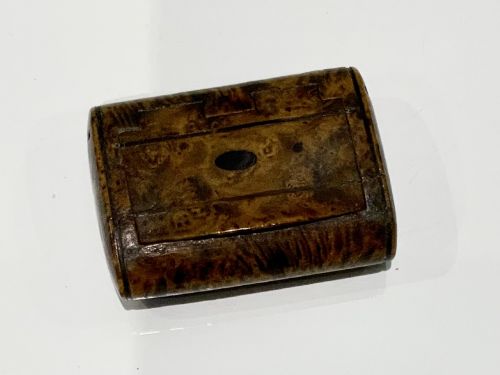
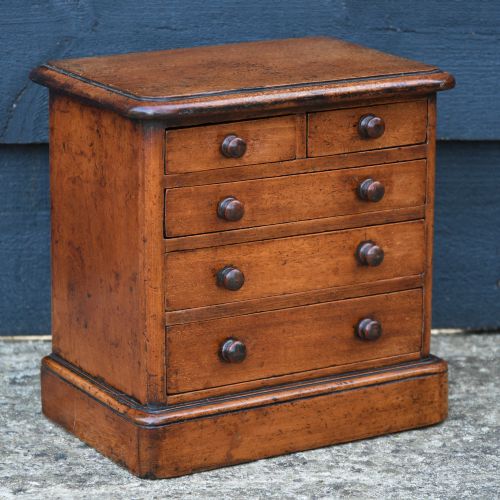
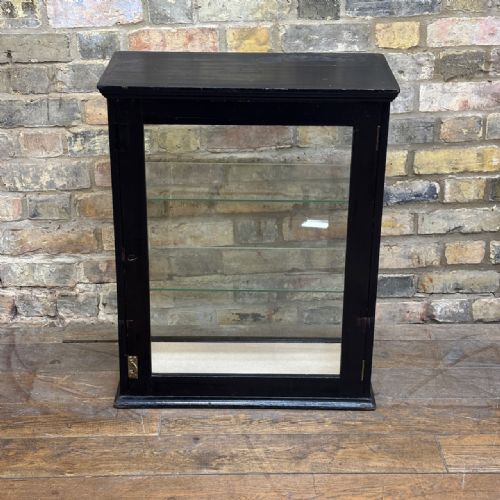
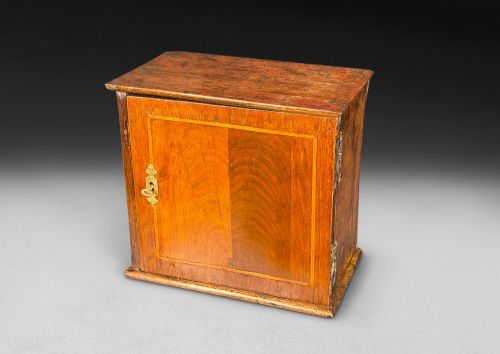
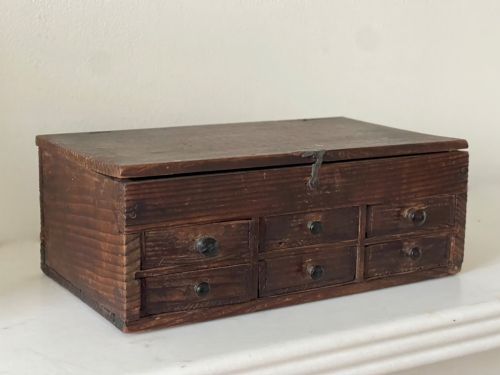
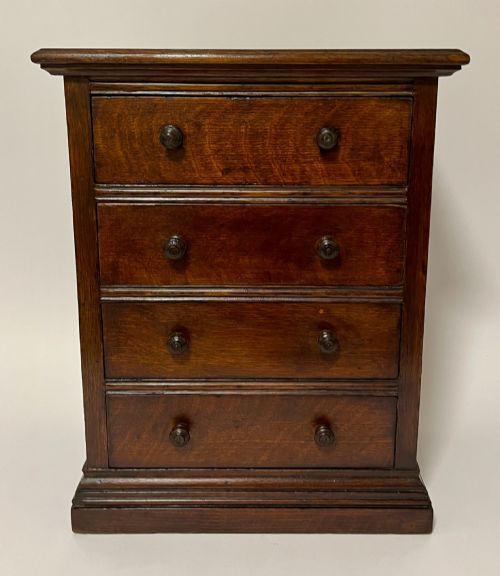
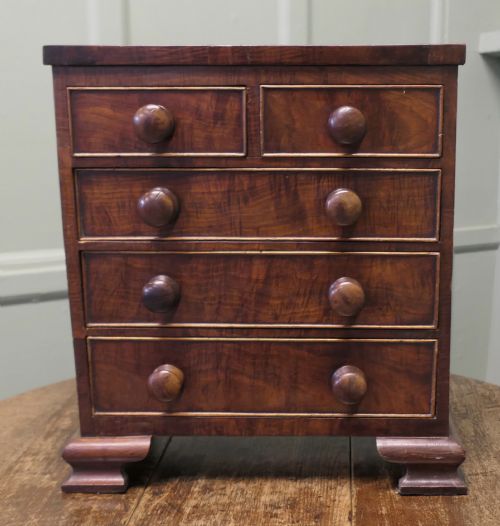
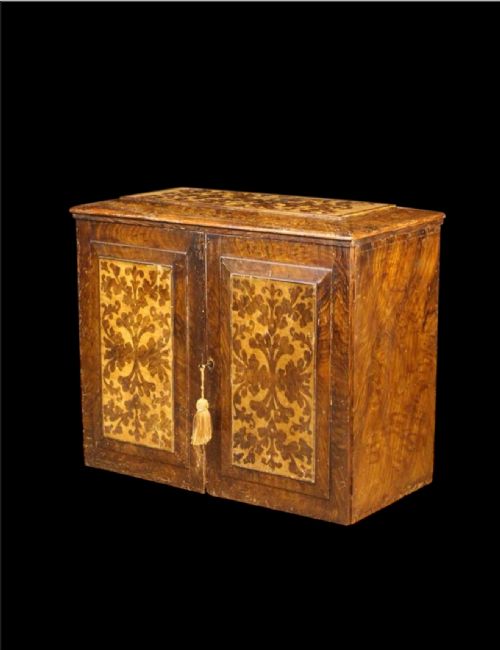
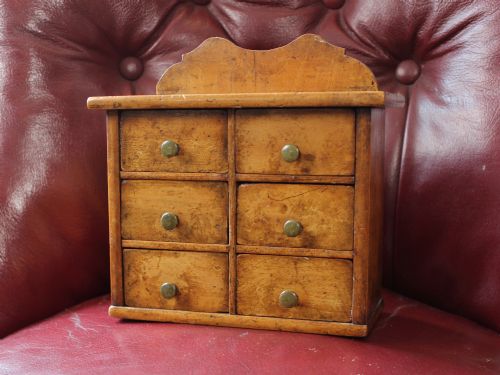
A small wooden collectors box encompasses a variety of miniature chests, spice cabinets, and specimen cases designed for desktop or countertop use. These objects range from Georgian and Victorian apprentice pieces to 1920s shop display cases and apothecary chests.
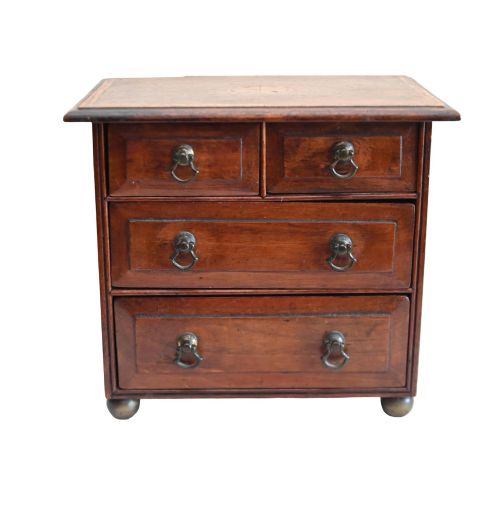
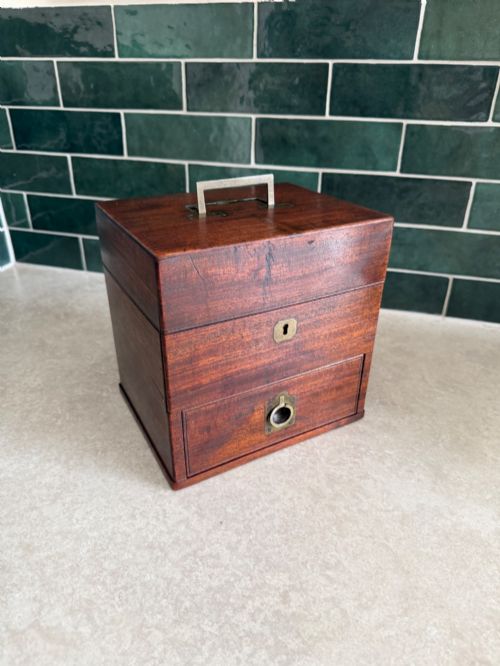
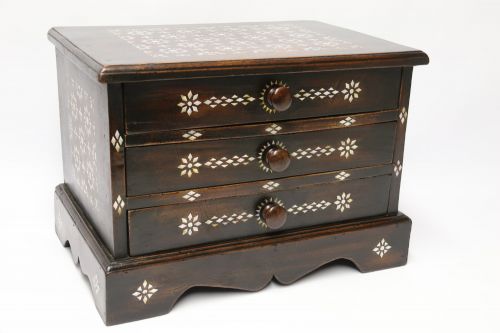
The predominant forms found here are miniature chests of drawers and tabletop cabinets constructed from dense hardwoods. Buyers frequently encounter multi-drawer configurations originally intended for watchmakers, medical carrying purposes, or jewellery storage.
How they were made
Cabinetmakers utilised robust timbers such as mahogany, oak, walnut, and elm, often pairing primary woods with secondary structural elements. Fine examples integrate burr woods, satinwood, and fruitwood veneers to create decorative exterior surfaces.
Construction techniques include dovetail joints on drawers and brass hardware attachments such as locks, hinges, and carrying handles. Glass panels feature in display cabinets, while specialised interiors incorporate baize linings and fitted compartments.
Small Wooden Collectors Box Retail Price Guide 2026
Typical asking prices for small wooden collectors box among the pieces listed under this phrase on Sellingantiques today, from the lower quarter to the upper quarter. They describe what is for sale here now, not the wider market.
Some miniature chests hide secret compartments behind dummy drawer fronts, built to outsmart prying fingers.
What varies in quality
Quality rests in the crispness of the cabinetmaking, the selection of timber figuring, and the preservation of original hardware. Pieces displaying finely cut dovetails and matched veneer grains sit at the higher end of the spectrum.
The presence of fitted interior compartments, working locks with original keys, and untouched patination elevate the standing of a piece. Simpler utilitarian boxes or later revivals present a more straightforward standard of construction.
The Small Wooden Collectors Box Glossary
- Apprentice piece
- A small-scale item created by a trainee craftsman to demonstrate mastery of joinery techniques before admission to a guild.
- Spice cabinet
- A small wall-hanging or tabletop chest containing multiple small drawers intended for storing culinary spices or medicinal herbs.
- Specimen case
- A specialised cabinet or box fitted with shallow drawers designed to hold natural history collections such as insects, minerals, or botanical samples.
- Dovetail
- A traditional wood joint interlocking wedge-shaped fingers, prized for its tensile strength and resistance to pulling apart.
- Patina
- The surface sheen and mellowing developed by wood over decades of handling, polishing, and exposure to light.
Small Wooden Collectors Box: Frequently Asked Questions
What were small wooden collectors boxes used for?
These boxes served practical and specialised storage roles for professionals, naturalists, and households. They held items ranging from apothecary medicines and watch parts to precious jewellery and botanical specimens.
Many functioned as portable storage units for travellers or desktop organisation systems for merchants and collectors. Their compact dimensions allowed valuable or delicate items to be secured under lock and key.
How do I date a wooden collectors box?
Dating relies on examining the timber species, construction methods, and hardware styles. Georgian and Victorian pieces often feature hand-cut dovetails and native hardwoods like mahogany or oak.
Later items from the interwar period introduce machine-sawn elements, ebonised finishes, and specific commercial hardware. Secondary wood choices and interior linings also provide strong chronological indicators.
How do I care for antique wooden boxes?
Maintenance involves keeping wooden boxes away from direct heat sources and fluctuating humidity to prevent timber splitting. Gentle dusting with a dry, soft cloth preserves the historic surface finish.
Applying microcrystalline wax occasionally helps nourish dry wood and protects the patina. Avoid modern chemical polishes that can degrade older finishes.