



Victorian Burr Wood Box
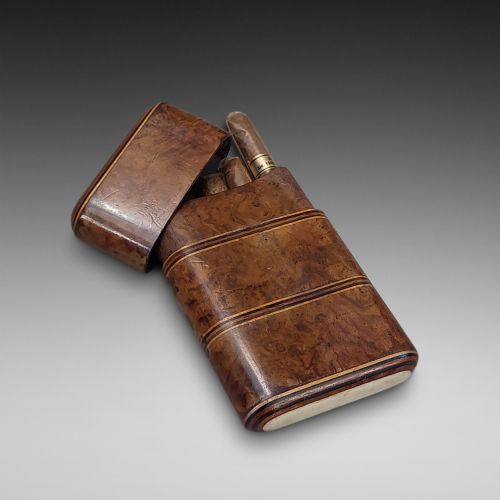
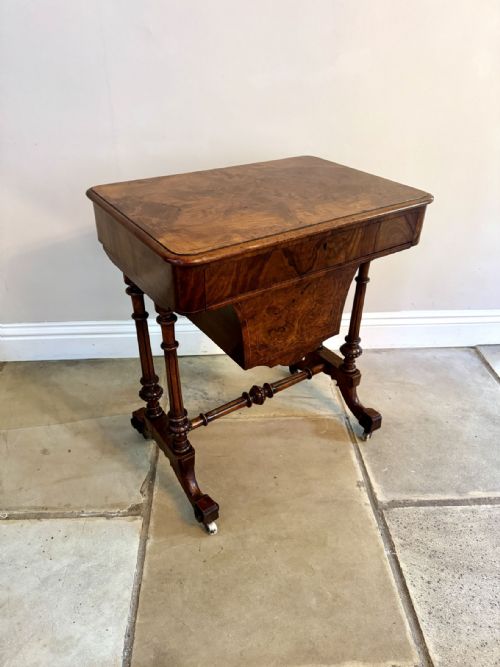
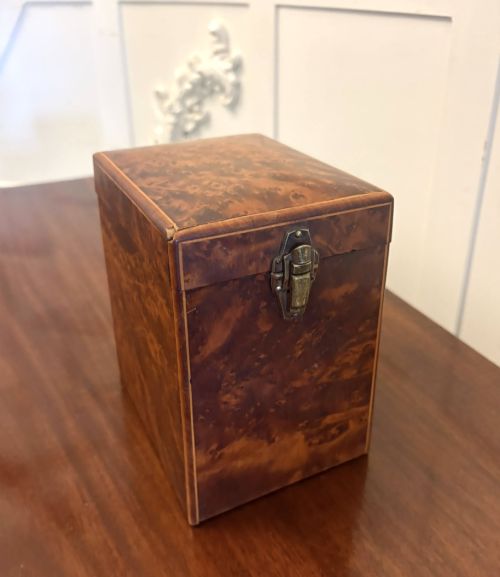
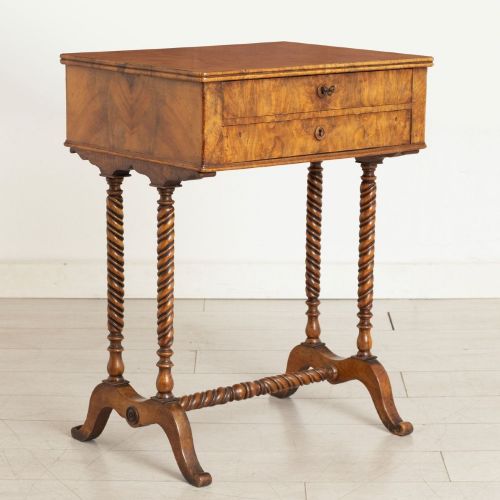
These Victorian burr wood box items bring exceptional swirling grain patterns and rich timber tones straight to a desk or table.
Victorian Burr Wood Box
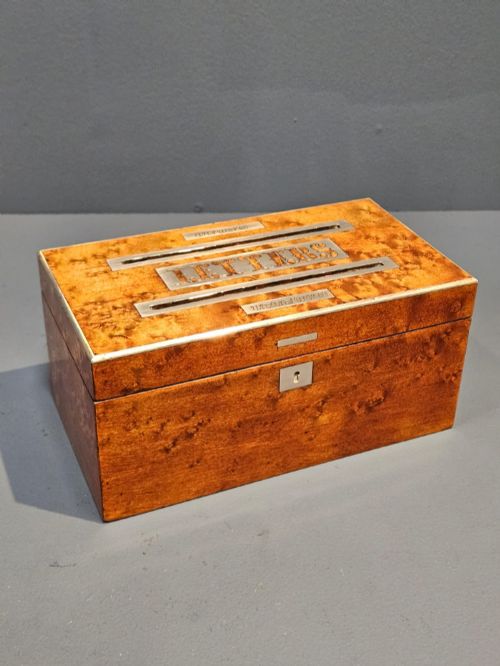
A victorian burr wood box encompasses a diverse group of nineteenth century containers designed for correspondence, writing, and small personal belongings. Buyers encounter everything from compact pocket snuff boxes and tea caddies to larger writing slopes, stationery letter boxes, and table cabinets.
Many of these pieces double as functional furniture, appearing in the record as work tables, occasional tables, and credenzas incorporating figured timber veneers. The nineteenth century examples span simple domestic receptacles to elaborate campaign desks and fitted games tables.
Materials and construction
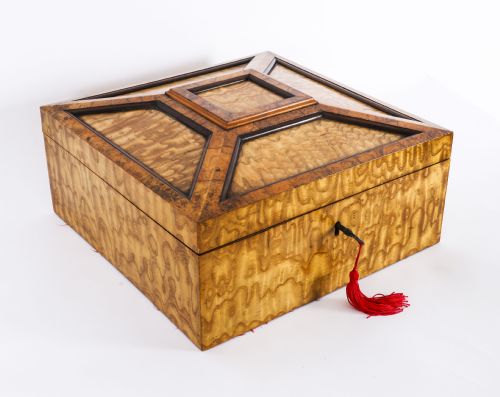
Craftsmen built these pieces using dense structural timbers like walnut and mahogany as a carcase, overlaid with highly figured burr veneers selected for their swirling knot formations. Burr walnut, burr maple, burr satinwood, and amboyna provide the primary decorative surfaces seen across the pieces.
Metal mounts in brass frequently reinforce corners, hinges, and lock plates, particularly on campaign styles and heavy caskets. Boxwood stringing, tortoiseshell, and fabric interiors add further contrast and refinement to the construction.
Victorian Burr Wood Box Retail Price Guide 2026
Typical asking prices for victorian burr wood box among the pieces listed under this phrase on Sellingantiques today, from the lower quarter to the upper quarter. They describe what is for sale here now, not the wider market.
Even a humble stereoscope received the burr yew treatment in eighteen eighty, letting Victorians view 3D cards in absolute style.
Evaluating grain and finish
Quality rests principally on the intensity and placement of the burr figure across the timber surface. Superior examples display dense, unbroken swirling patterns across every visible panel, matched symmetrically by the maker.
The precision of subsidiary elements like brass banding, inlaid marquetry, and original locking mechanisms distinguishes standard production from finer workshop output. Surviving interior fittings, such as original velvet linings and compartmentalised trays, elevate the integrity of the piece.
Waring & Gillow
The Victorian Burr Wood Box Glossary
- Burr wood
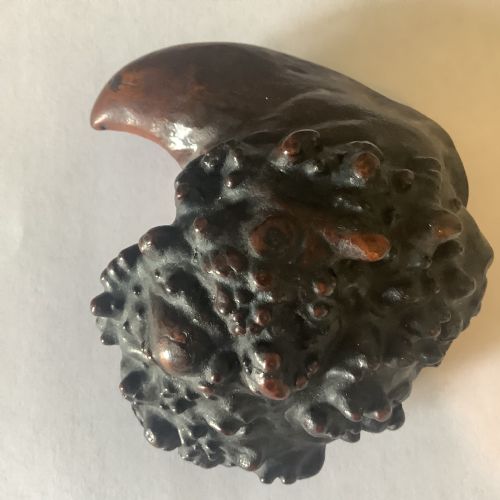
- Timber harvested from tree growths or burls, yielding highly distorted, decorative grain patterns full of small knots and swirls. This veneer demands careful handling by cabinet makers.
- Writing slope
- A portable desk featuring a hinged, sloping lid that opens to reveal a flat or angled writing surface and internal storage compartments for stationery. These often include dedicated slots for inkwells and pens.
- Teapoy
- A small stand or table designed specifically to hold tea caddies and loose tea leaves, frequently featuring internal canisters. They sit on central pedestals or tripod legs.
- Campaign
- Furniture designed to be easily packed and transported for military or travel use, typically fitted with flush brass handles and corner brackets to withstand transit. These pieces prioritise robust construction and portability.
- Marquetry
- Decorative veneer work forming pictures or geometric patterns by applying thin slices of various woods, bone, or metal onto a grounded carcase. Boxwood and ebony frequently supply contrasting tones in these designs.
Victorian Burr Wood Box: Frequently Asked Questions
What are Victorian burr wood boxes used for today?
These items serve primarily as decorative storage on desks, side tables, or shelves, holding modern correspondence, jewellery, or trinkets. Their compartmentalised interiors make them practical for organising small desk accessories.
Larger pieces like writing slopes and table cabinets function as standalone statement items that bring nineteenth century craftsmanship into contemporary rooms.
How do I care for burr wood veneer?
Keep these pieces away from direct sunlight and strong heat sources to prevent the burr veneer from drying out, shrinking, or cracking. Dust them gently with a dry, soft cloth and avoid chemical polishes.
Maintaining a stable room humidity protects both the timber surface and the underlying glue joints from failing over time.
How can I tell a writing slope from a tea caddy?
Writing slopes open to reveal an angled surface designed for holding paper while writing, alongside dedicated wells for ink and pens. They generally feature a rectangular profile with a hinged lid that drops forward.
Tea caddies are smaller lidded boxes built to store dry tea leaves, often containing internal lidded canisters or mixing bowls rather than writing implements.
What is the difference between burr walnut and amboyna?
Burr walnut comes from walnut trees, showing deep brown tones with swirling dark figure patterns and characteristic small knots. It represents the most common decorative veneer found on nineteenth century boxes and tables.
Amboyna yields a warmer, reddish-brown timber with tightly packed, golden eye-like formations that create a distinctively rich and spotted appearance across the surface.