


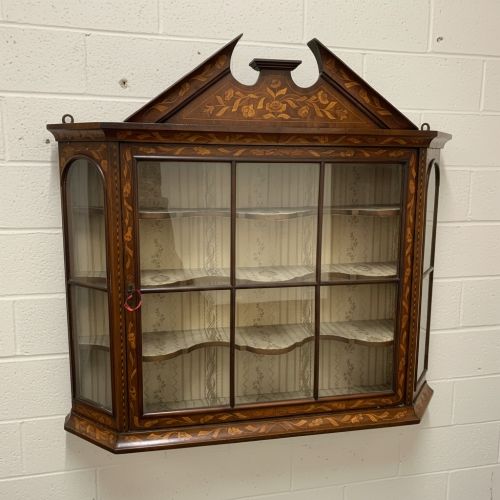
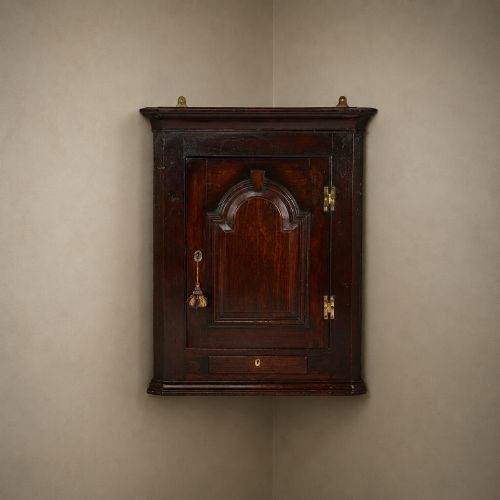
Small Wall Hanging Cupboard
A small wall hanging cupboard holds domestic treasures off the floor, bringing timber warmth and compact storage to any room.
Small Wall Hanging Cupboard
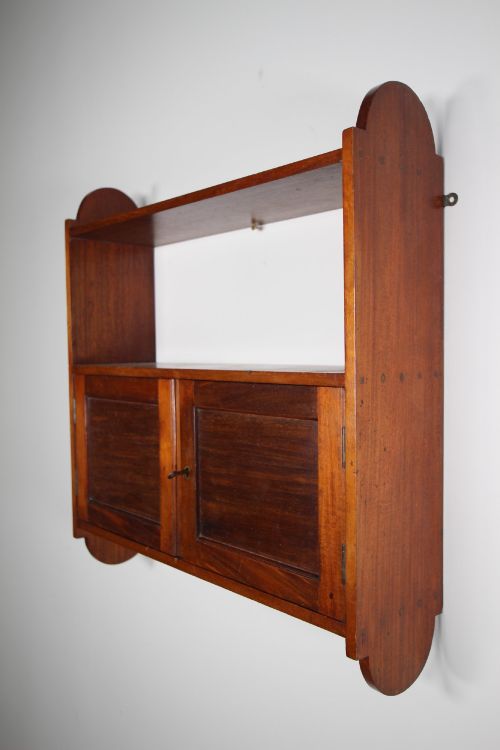
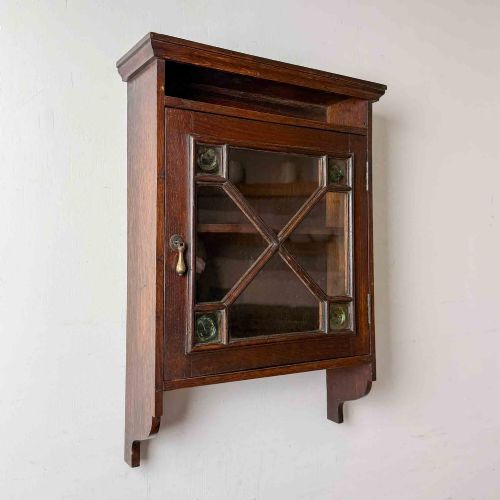
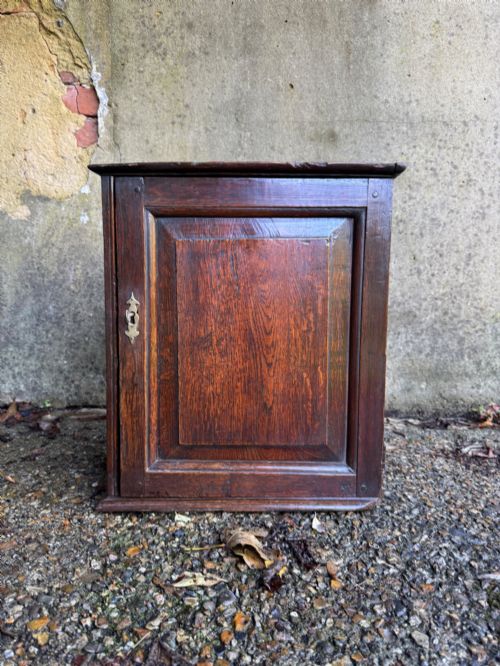
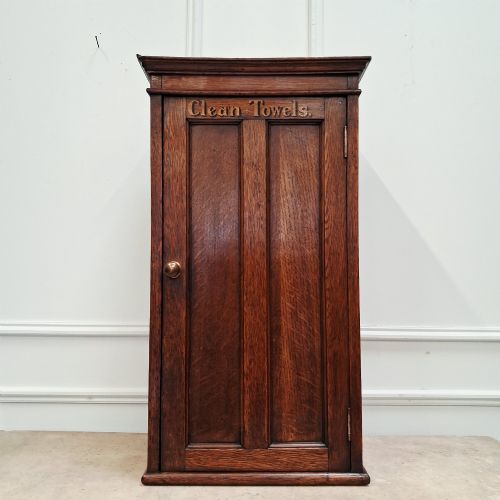
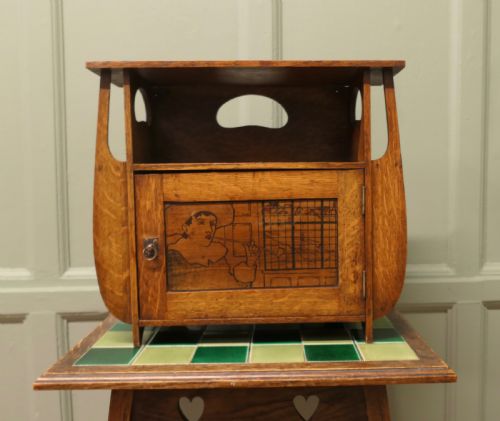
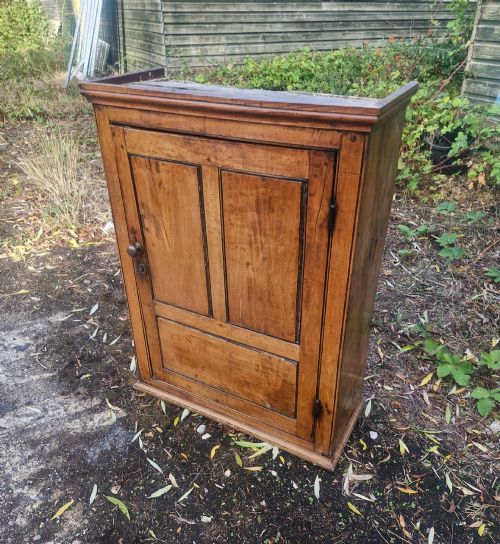
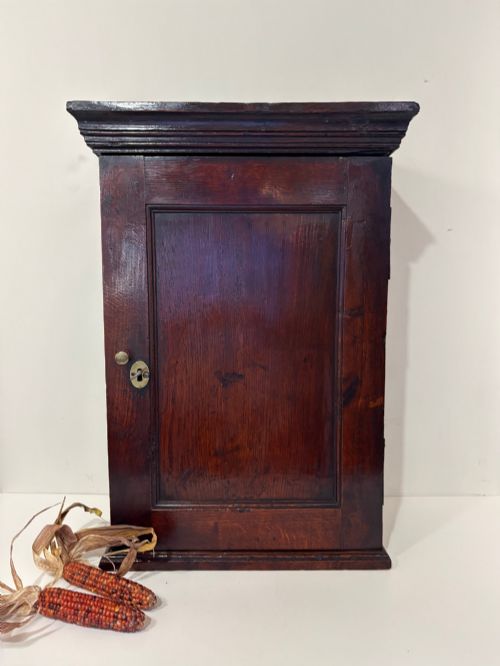
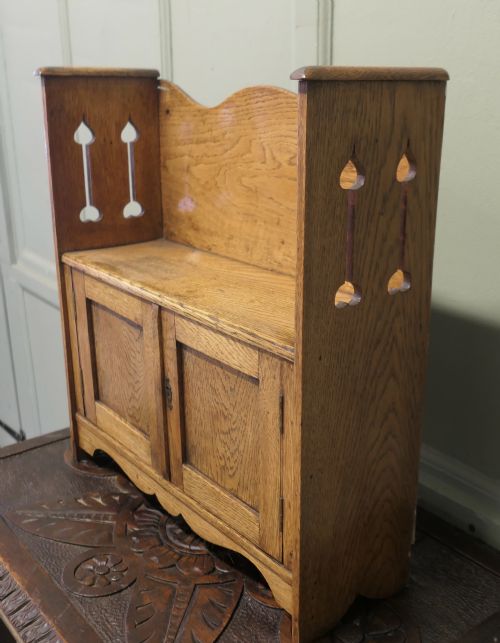
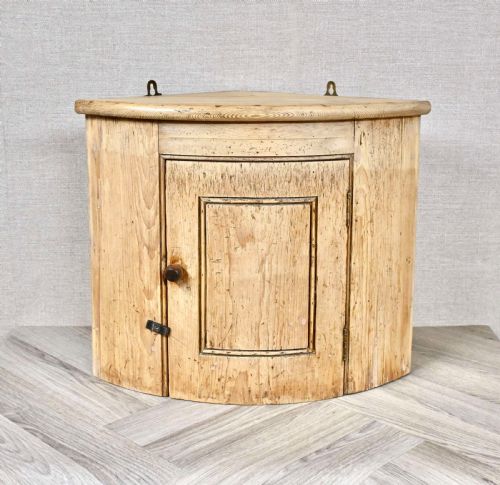
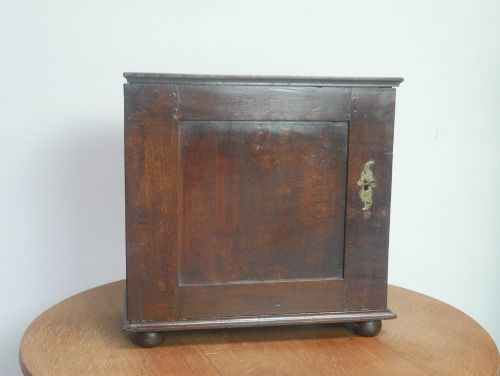
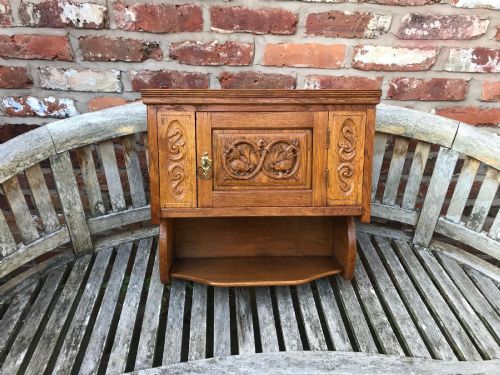
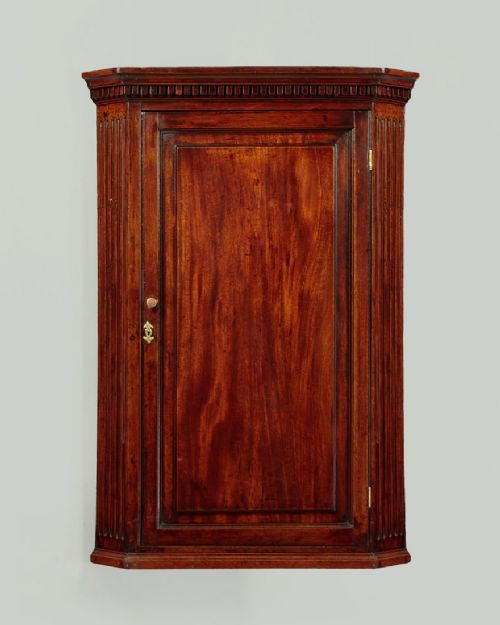
A small wall hanging cupboard is a compact timber cabinet designed to be mounted directly to a wall rather than resting upon the floor. These pieces range from simple corner cupboards and spice cabinets to glazed display units and carved wall cabinets originating across several centuries.
Buyers are most likely to encounter oak and mahogany examples from the eighteenth and nineteenth centuries, alongside painted pine variants. Many of these pieces serve specific domestic functions, such as storing spices, food, or keys, while others provide general display space behind glazed or panelled doors.
How they were made
Cabinet makers constructed these cupboards primarily using solid timber such as oak, mahogany, and pine, frequently enhanced with brass hinges, key escutcheons, and iron hardware. Surviving examples demonstrate traditional joinery techniques adapted for vertical hanging, utilising sturdy wall mounting points and fitted interior shelves.
Surface treatments varied widely by period and region, ranging from natural waxed oak and polished mahogany to applied paintwork, marquetry inlay, and carved detailing. Glazed doors utilised individual glass panes set into timber frames, whilst specialised pieces incorporated interior drawers and specialised compartments.
Recorded styles include Georgian, Victorian, Edwardian, Arts and Crafts, Rustic Farmhouse, and the Aesthetic Movement.
What varies in quality
The standard of a small wall hanging cupboard rests upon the selection of timber and the precision of the initial cabinet work. Superior examples display carefully chosen grain patterns, well-fitted doors that hang true, and original hardware rather than modern replacements.
Design sophistication also distinguishes finer pieces, separating plain utility cupboards from those featuring deliberate carving, marquetry inlay, or architectural cornices. The survival of original painted finishes or interior decoration adds considerable character to painted pine and softwood variants.
The Small Wall Hanging Cupboard Glossary
- Spice cupboard
- A small wall hanging cabinet featuring multiple internal drawers or compartments designed originally for storing culinary spices.
- Corner cupboard
- A specialised cabinet built with an angled back to fit neatly into the corner of a room, maximising wall space.
- Marquetry
- The decorative art of applying small pieces of veneer to a structure to form geometric or pictorial designs.
- Escutcheon
- A protective brass or iron plate surrounding a keyhole, often shaped with decorative borders.
- Bow front
- A convex curved cabinet front that projects outward in a smooth arc.
Small Wall Hanging Cupboard: Frequently Asked Questions
How do I hang a heavy oak cupboard safely?
These cabinets require secure fixing directly into wall studs or masonry using appropriate weight-bearing screws and brackets. Avoid relying solely on plasterboard to support older hardwood furniture.
Distributing the weight evenly ensures the historical timber frame does not warp or strain under its own load over time.
Where were these cupboards placed in old houses?
Kitchens, parlours, and hallways routinely accommodated these cabinets to keep essential items within easy reach yet safely elevated. Corner cupboards utilised neglected angles in smaller rooms to provide hidden storage.
Bedrooms and dining areas also received glazed display variations to showcase small ceramics, glass, or personal valuables.
How do I tell an 18th century cupboard from a later copy?
Examine the construction methods, tool marks, and timber shrinkage visible on the interior boards and back panels. Eighteenth-century pieces typically show hand-planed surfaces and forged iron or early brass fixings.
Later revival pieces often display uniform machine milling and standardised modern screw threads inside the carcass.
Can painted pine cupboards be cleaned without damaging the finish?
Dust the surface gently with a soft, dry cloth and avoid harsh chemical cleaners or excess moisture. Original painted finishes require delicate care to preserve the aged patina.
Applying microcrystalline wax can protect exposed softwood and paintwork without altering the historic appearance.