

Small Victorian Wooden Table
A small victorian wooden table brings practical nineteenth-century utility and compact form to any room.
Small Victorian Wooden Table
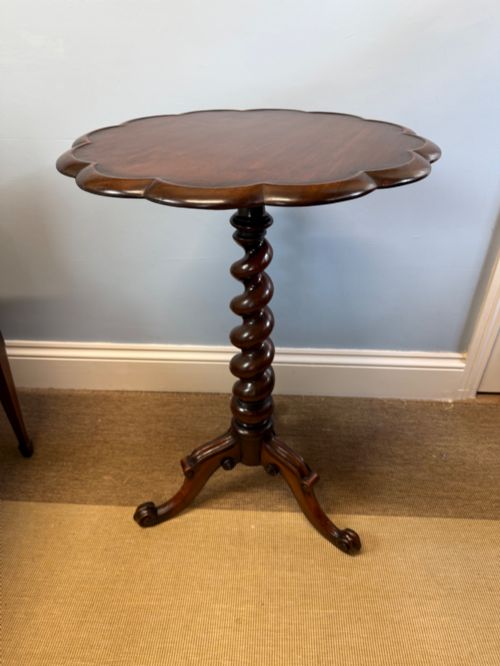
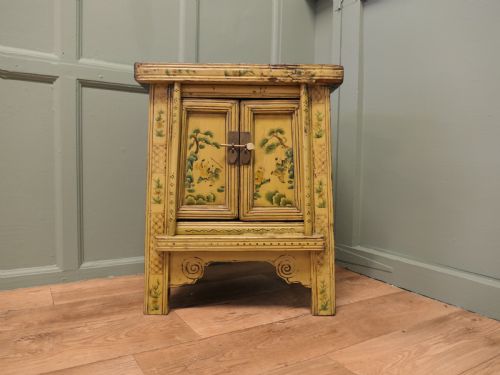
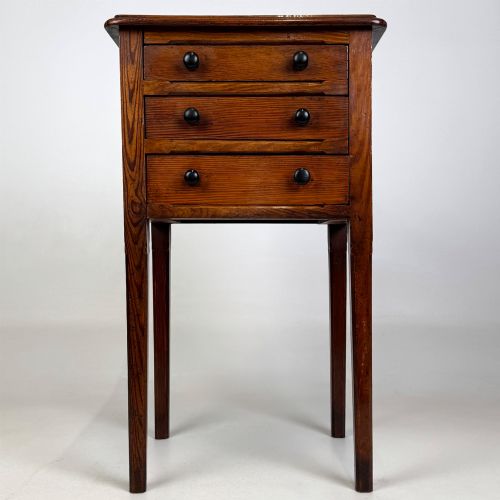
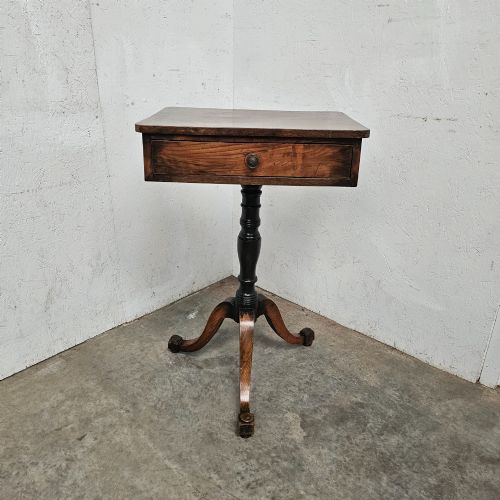
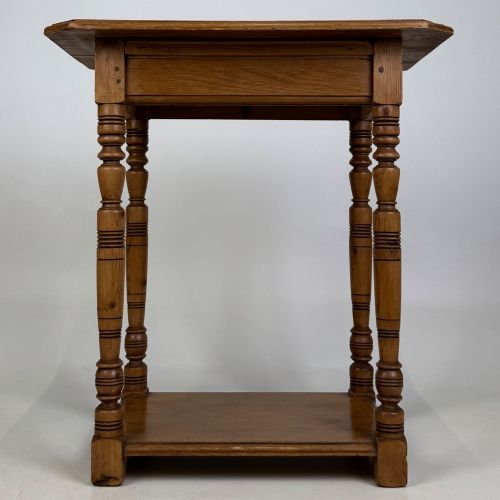
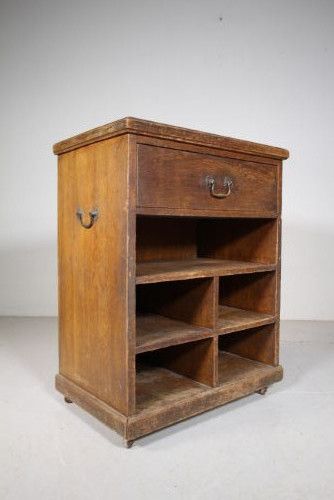
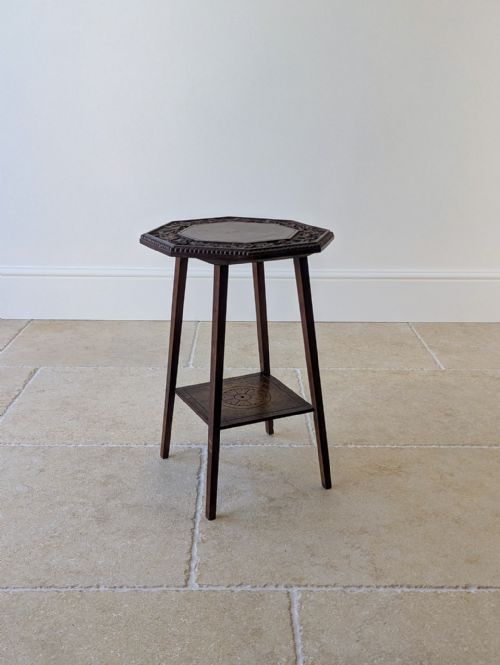
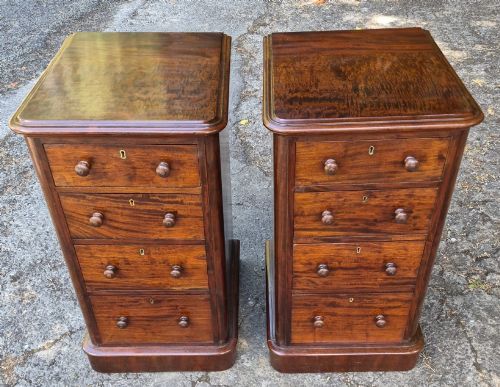
A small victorian wooden table encompasses a variety of compact domestic furniture forms from the nineteenth century, including side tables, occasional tables, wine tables, and bedside cabinets. Buyers searching this category frequently encounter pieces designed for specific functional roles in sitting rooms and bedchambers.
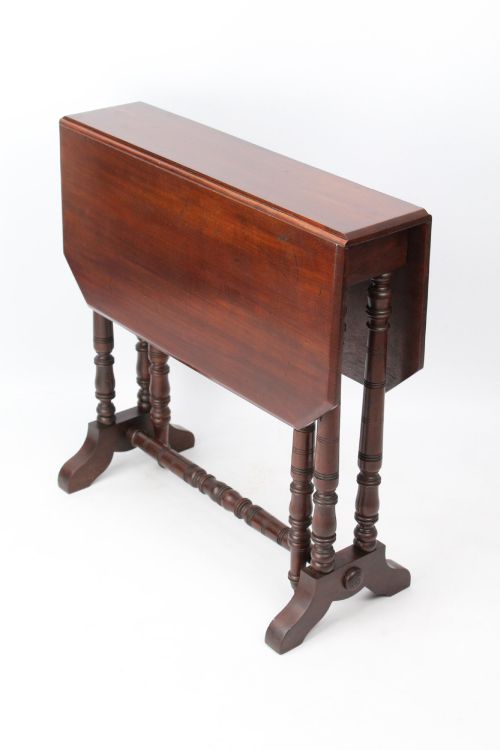
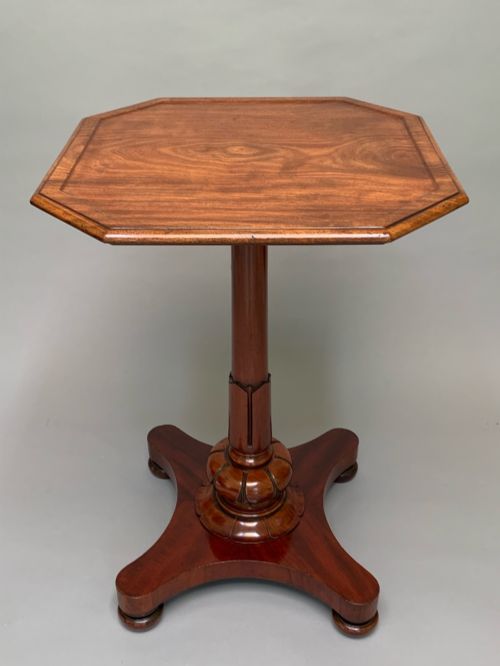
The selection ranges from simple rustic pine and oak kitchen tables to finely figured burr walnut and mahogany Sutherland tables, occasional tables, and pedestal lamp tables. Stylistic influences span from straightforward vernacular designs to Georgian Revival, Regency, Arts and Crafts, and rustic country interpretations.
Most examples date across the Victorian era proper, with specific pieces recorded from decades such as the 1860s, 1870s, 1890s, alongside related nineteenth-century vernacular and revival pieces. These varied forms reflect the changing domestic requirements of nineteenth-century households.
Materials and construction
Makers utilised a wide selection of timbers including mahogany, walnut, burr walnut, oak, pitch pine, satin walnut, fruitwood, ash, rosewood, and elm. Hardwoods like mahogany and walnut were frequently selected for principal reception room tables, while pine and oak served utilitarian roles in farmhouses and kitchens.
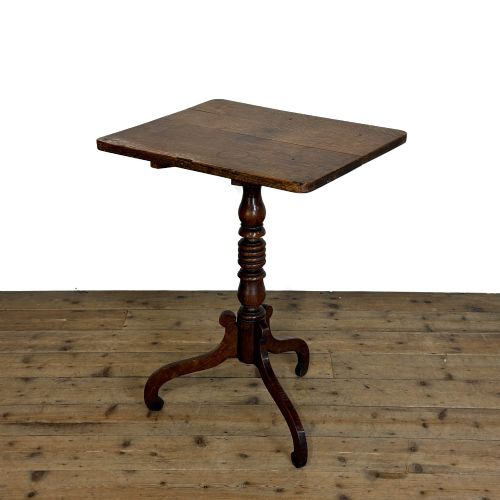
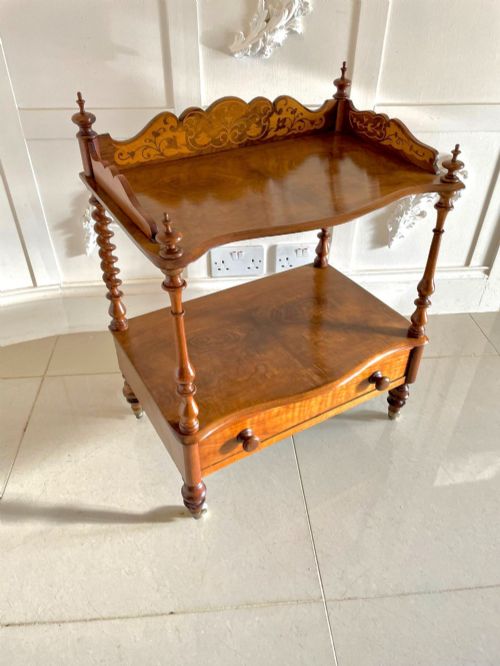
Construction techniques combined traditional joinery with decorative surface treatments such as wood inlay, brass mounts, drop leaves, tilt-top mechanisms, and chip-carved detailing. Individual pieces incorporate pedestals, barley twist supports, folding actions, and turned legs suited to their intended domestic function.
Listings feature woods such as mahogany, burr walnut, rosewood, oak, and pine across styles from Arts and Crafts to Georgian Revival.
Distinctions in quality
Quality rests upon the selection of timber veneers and solid woods, where highly figured burr walnut or dense mahogany indicates superior cabinet-making ambition compared to standard utility pine. The crispness of carved details, such as barley twists or chip-carving, further separates standard production from finer workshop execution.
Structural integrity and the cleverness of mechanical elements, including smooth-operating tilt-top mechanisms, drop leaves, and adjustable surfaces, dictate the success of the piece. Finer examples balance robust internal framing with restrained decorative additions like brass hardware and precise wood inlay.
Druce & Co London
The Small Victorian Wooden Table Glossary
- Sutherland table
- A narrow drop-leaf table with exceptionally wide leaves and a slender folding frame. This form allows the piece to be stored compactly against a wall when not in use.
- Tilt-top table
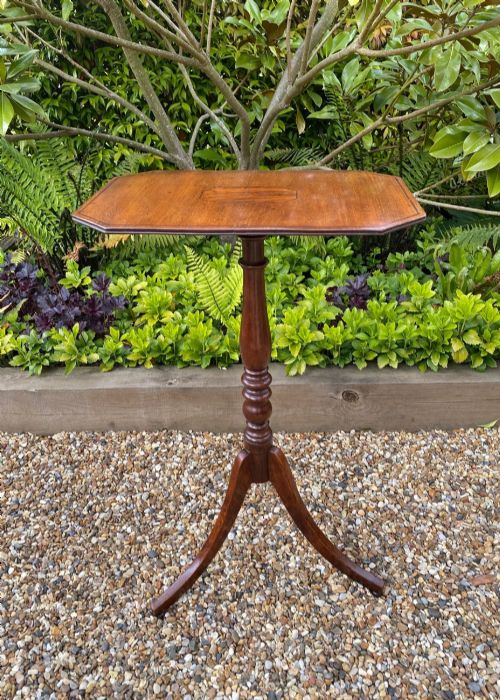
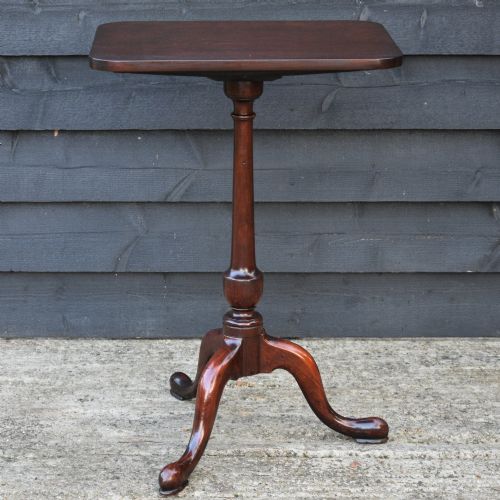
- A table featuring a hinged top that pivots to a vertical position for storage. This mechanism is frequently found on pedestal wine tables and occasional tables.
- Occasional table
- A small, portable table intended for miscellaneous uses in a sitting room or parlour. These versatile pieces often serve as lamp stands or display surfaces.
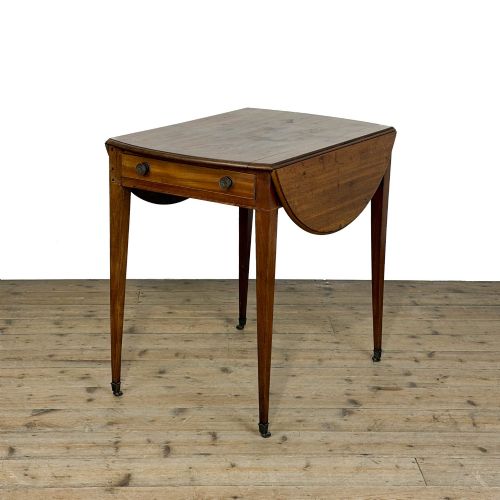
- Pembroke table
- A rectangular table with two hinged drop leaves on opposing sides. It typically includes one or more small drawers fitted beneath the top.
- Burr walnut
- Timber obtained from the gnarled growths of walnut trees, yielding highly ornamental swirling grain patterns. Cabinet-makers applied it as a veneer to the surfaces of high-status tables and cabinets.
Small Victorian Wooden Table: Frequently Asked Questions
What rooms suit a small victorian wooden table?
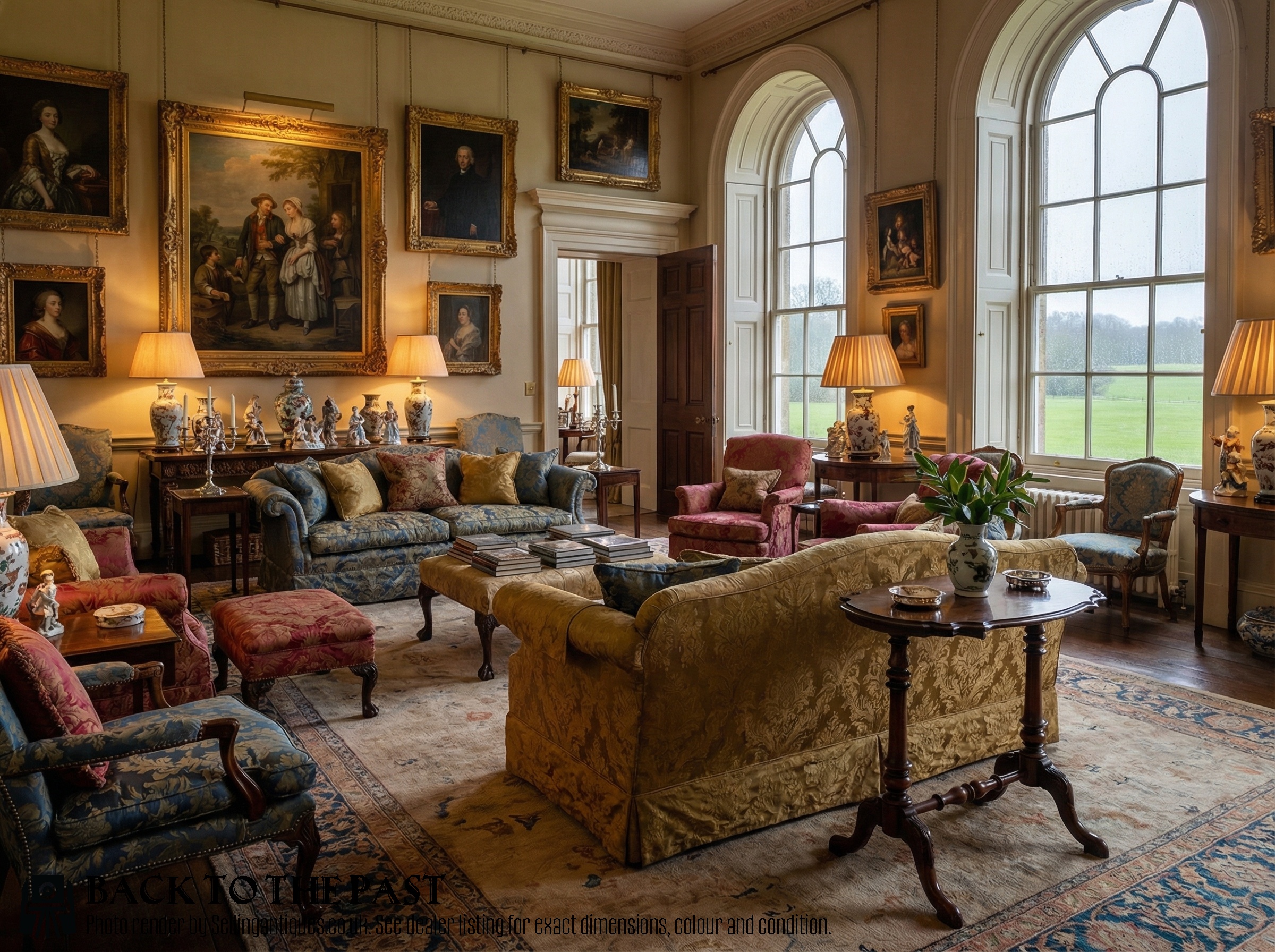
These compact pieces fit easily into sitting rooms as lamp or occasional stands, or beside beds as compact storage cabinets.
Their varied dimensions and folding leaves allow them to adapt to limited spaces without dominating a room.
How do tilt-top tables function?
A hinged mechanism beneath the top allows the surface to pivot flat for use or tilt vertically against the pedestal.
This clever design enabled nineteenth-century households to tuck tables away against walls when floor space was required.
What is the difference between a side table and a wine table?
Side tables typically feature four legs and a rectangular surface suited to placement against a wall or beside seating.
Wine tables usually stand on a central pedestal with a round or shaped top designed for holding beverages or small decorative items.
How do I care for antique wooden furniture?
Keep wooden pieces away from direct heat sources and strong sunlight to prevent the timber and veneers from drying out or splitting.
Regular application of suitable beeswax helps maintain the natural lustre of mahogany, walnut, and oak surfaces.