


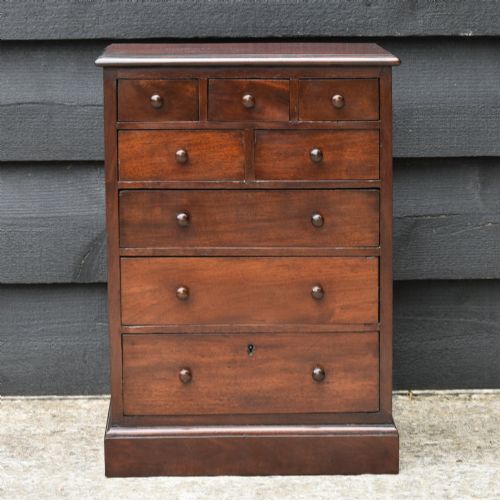
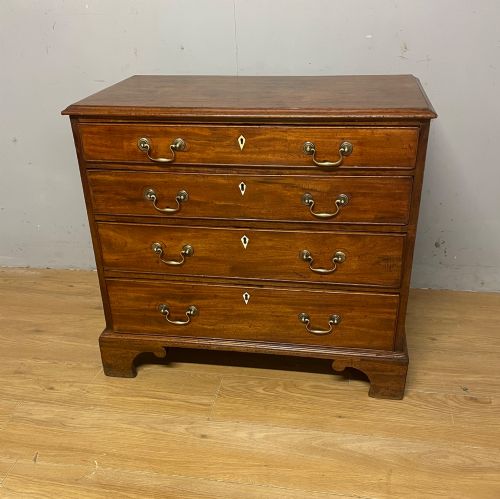
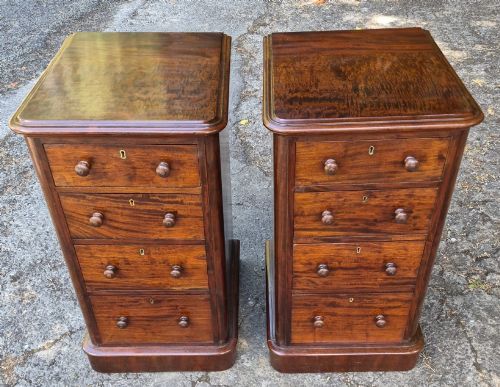
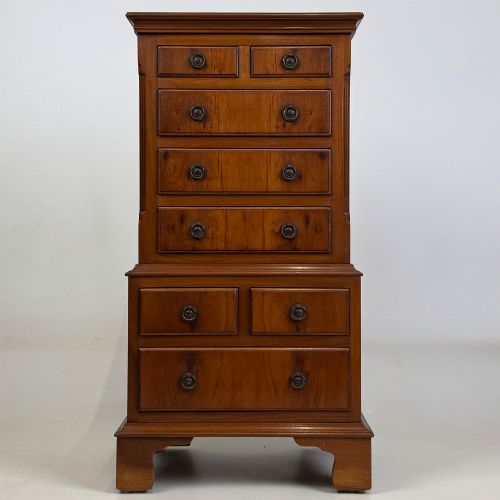
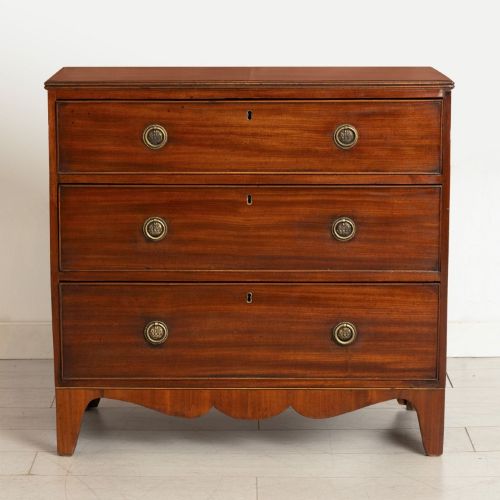
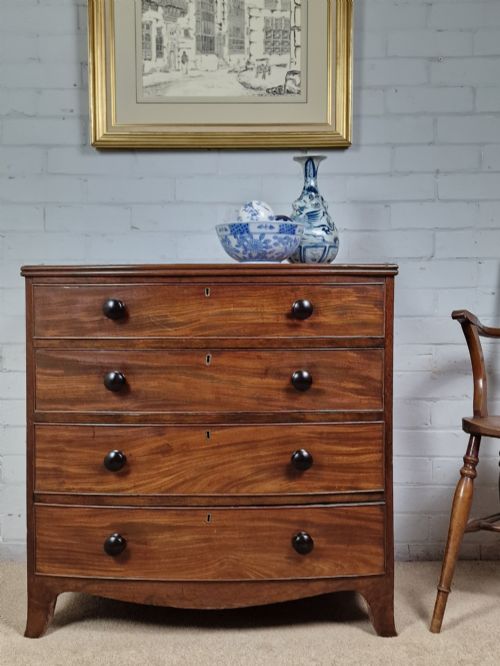
Small Tallboy Chests
Small tallboy chests combine vertical storage with a compact footprint, suiting rooms where floor space remains limited.
Small Tallboy Chests
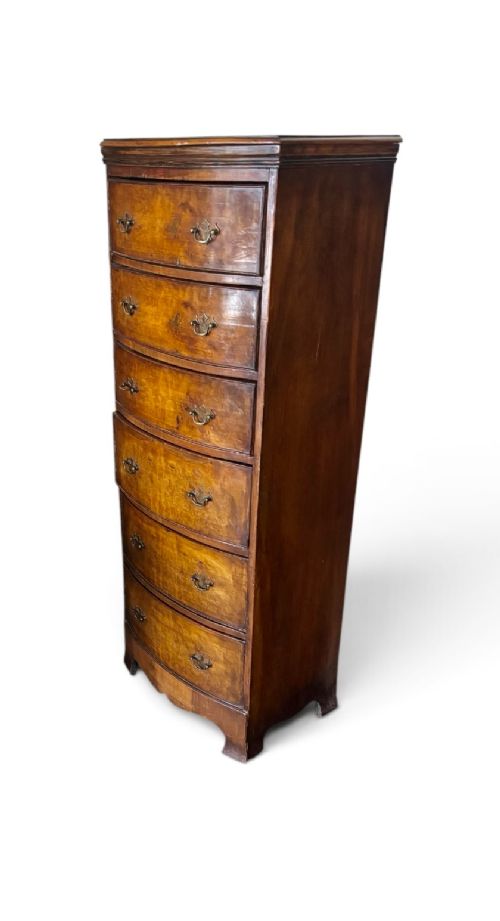
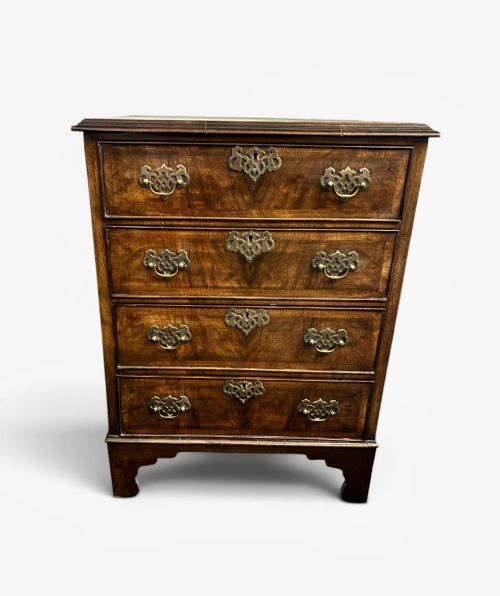
Small tallboy chests deliver generous drawer capacity within a narrow vertical frame, making them practical for tighter spaces. When exploring small tallboy chests, buyers encounter pieces stretching from the eighteenth century through the Georgian and Victorian eras into the twentieth century, alongside revival styles.
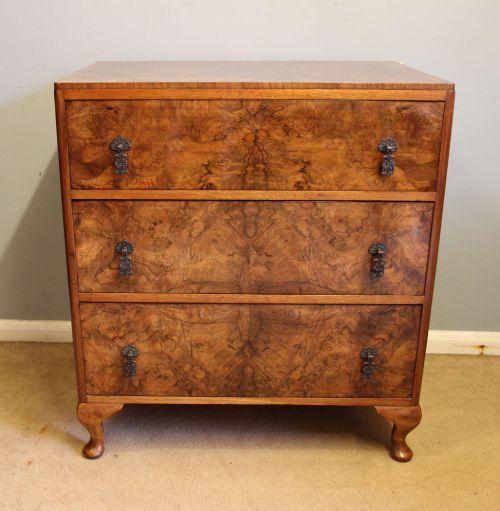
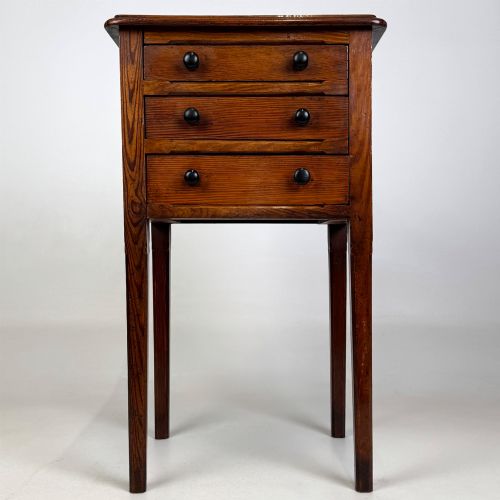
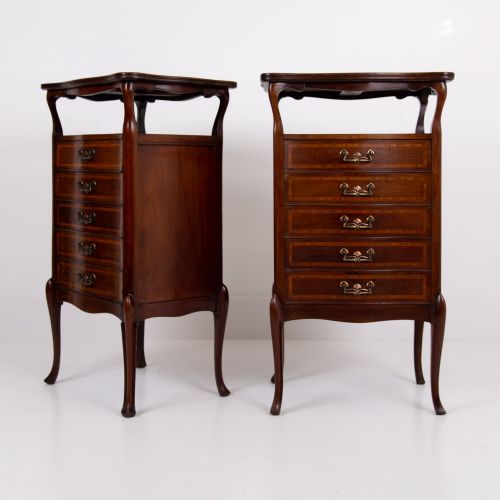
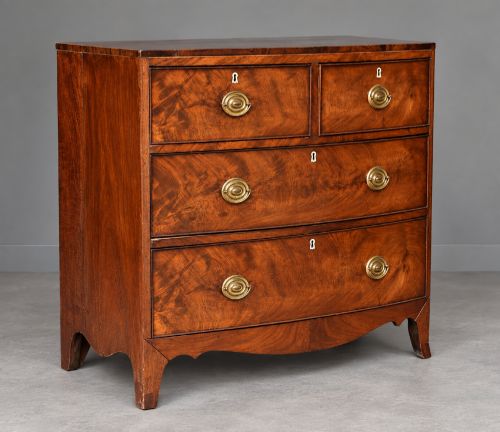
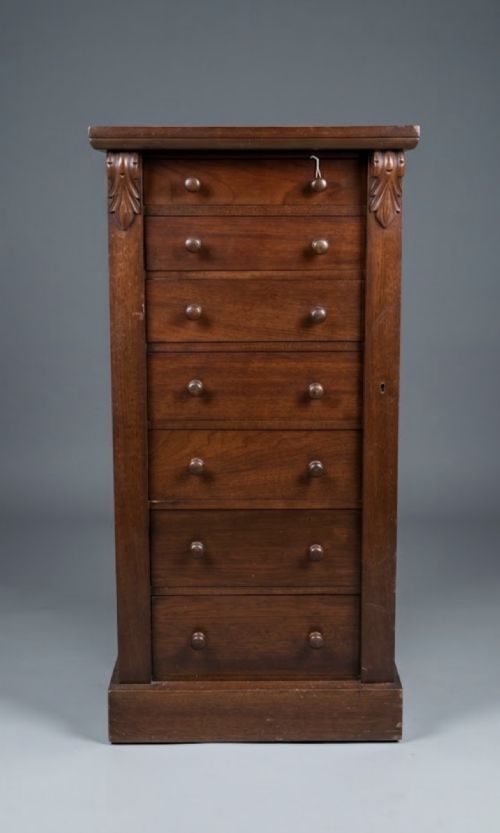
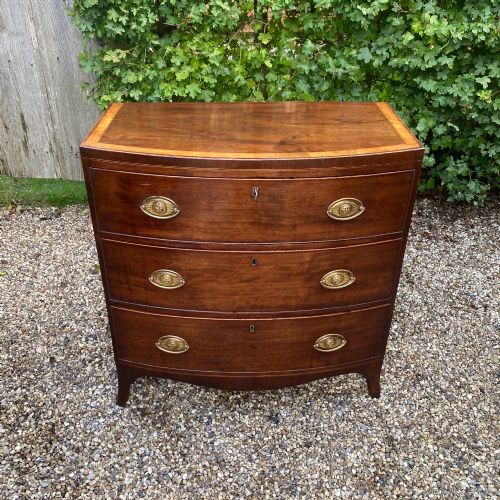
The selection ranges from classic mahogany and walnut tallboys to bow front designs, compact chests on stands, and Wellington chests. These items serve primarily as bedroom or dressing room storage, offering multiple stacked drawers in timber varieties like oak, mahogany, and burr walnut.
Materials and Construction
Cabinetmakers constructed these chests predominantly using hardwoods such as mahogany, oak, walnut, and burr walnut, occasionally incorporating satinwood or yew for contrast and detail. Surfaces often feature figured grain patterns, crossbanding, and inlay work, paired with brass handles and working locks.
Traditional joinery methods dictate the build, with dovetailed drawer construction and solid timber backs and drawer linings. Timber selection drives the visual weight of each piece, ranging from deep reddish mahogany to richly figured walnut veneers.
Several miniature chests emerge described as apprentice pieces, built to showcase a cabinetmaker's skill before earning full trade status.
Craftsmanship and Proportion
Quality rests in the crispness of the timber figuring, the subtlety of crossbanding, and the integrity of the original bracket feet or plinth bases. Superior examples maintain strict proportions and clean lines without heavy restoration or replaced secondary woods.
The finesse of the drawer construction, the retention of original brass hardware, and the health of the polished surface distinguish finer examples from standard production pieces.
The Small Tallboy Chests Glossary
- Tallboy
- A tall chest of drawers, often comprising a chest stacked upon another or built as a single tall unit to maximise vertical storage.
- Bow front
- A cabinet front curved outward in a convex shape, frequently seen on Georgian and nineteenth-century chests.
- Wellington chest
- A tall, slender chest featuring a hinged locking side stile that secures all the drawers at once.
- Crossbanding
- A border of veneer laid around the edges of a drawer front or top with the grain running perpendicular to the centre panel.
- Bracket foot
- A small architectural foot supporting the corner of a case piece, shaped in an ogee or simple bracket profile.
Small Tallboy Chests: Frequently Asked Questions
Where should I place a tallboy?
These chests suit bedrooms, dressing rooms, and hallways where floor space is tight but vertical capacity is needed.
Their narrow footprint allows them to fit comfortably into alcoves or beside doorways without blocking circulation.
How do I date a mahogany chest?
Examine the construction methods, drawer linings, and timber characteristics. Georgian pieces typically show hand-cut dovetails and native secondary woods, while later revival items reveal twentieth-century manufacturing traits.
Hardware style and foot design also offer strong chronological indicators.
What is a Wellington chest?
A Wellington chest is a tall, narrow set of drawers secured by a hinged vertical locking bar on the side. This bar fastens with a key to lock every drawer simultaneously.
Originating in the nineteenth century, this design provided secure storage for papers and valuables.
Are these chests suitable for modern homes?
Their compact dimensions make them practical additions to contemporary interiors. They provide functional storage without dominating smaller rooms.
Traditional timber tones pair easily with a range of interior schemes.