


Small Sterling Silver Box
These small sterling silver box pieces pack centuries of functional craft into pocket-sized treasures that hold everything from snuff to stamps.
Small Sterling Silver Box
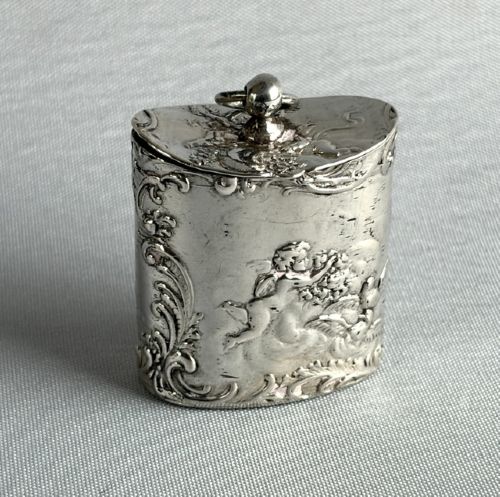
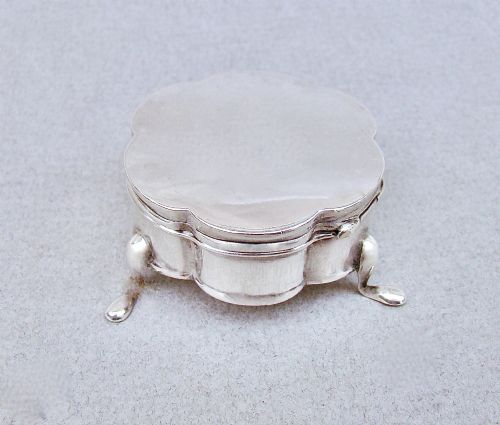
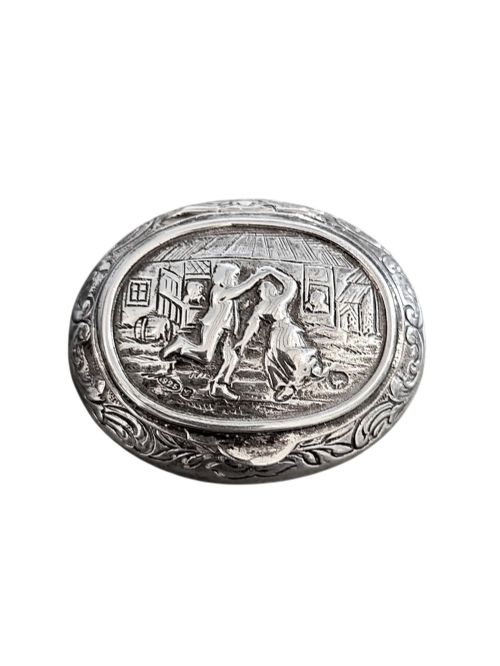
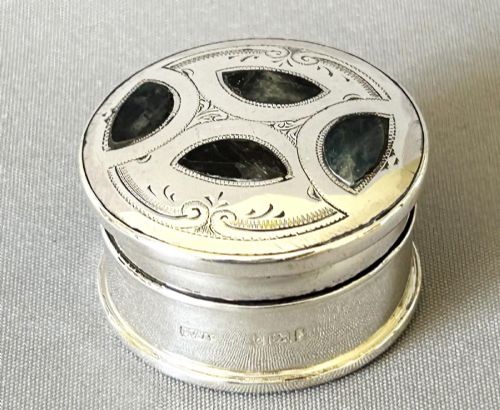
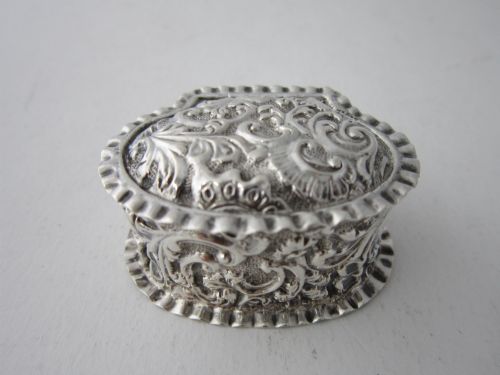
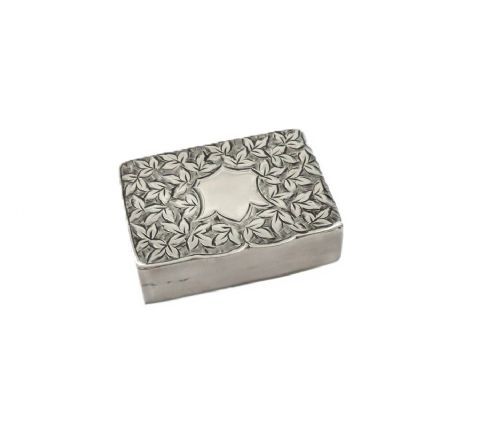
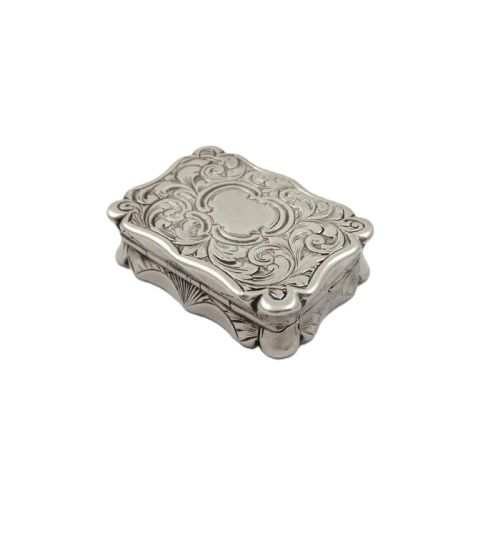
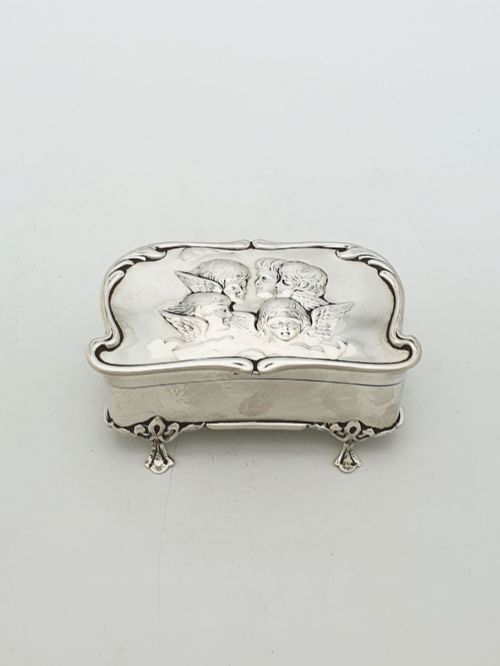
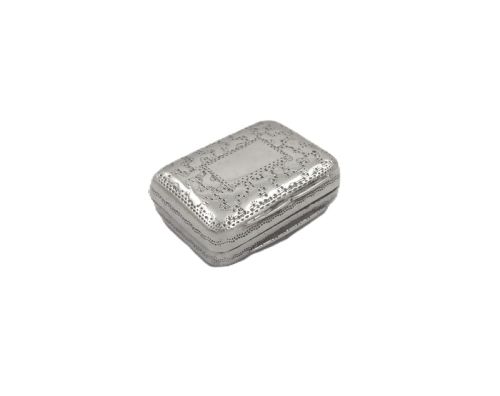
A search for small sterling silver box reveals a focused variety of functional containers spanning the Georgian, Victorian, and Edwardian eras. Buyers encounter specific forms such as snuff boxes, pill boxes, vinaigrettes, and trinket containers designed for personal use.
The pieces on this page originate predominantly from English assay offices, carrying Birmingham and Chester hallmarks that anchor their dates of manufacture. Most examples serve intimate purposes, reflecting the social habits of past centuries through specialised compartments for dry goods or aromatics.
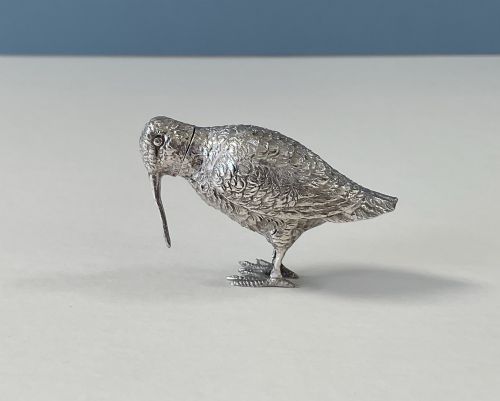
Makers utilised diverse shapes ranging from simple geometric forms to novelty silhouettes like animals and hearts. This variety ensures that collectors find both utilitarian items and ornamental objects within the same material category.
Materials and Technique
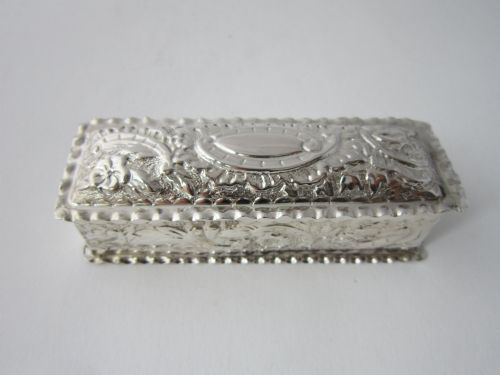
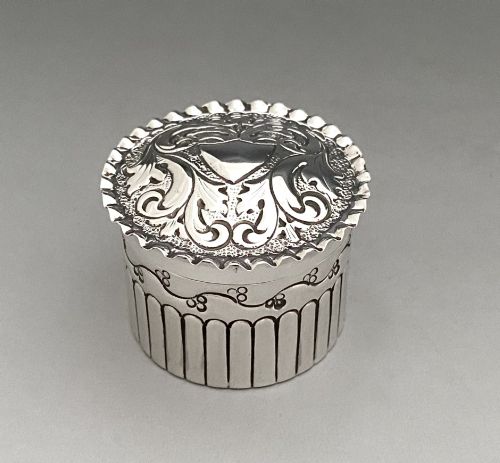
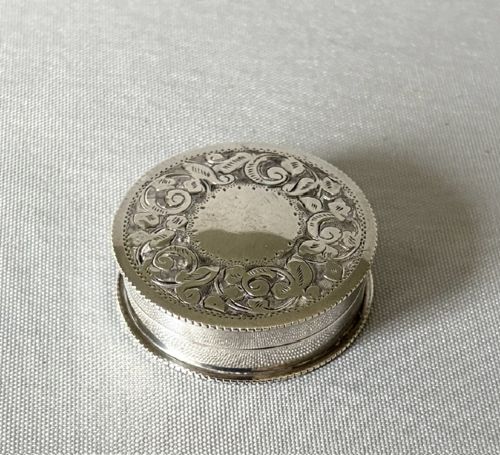
Silversmiths constructed these vessels primarily from sterling silver, frequently applying silver-gilt interiors to protect the metal from corrosive contents like snuff or salts. Artisans employed techniques such as embossing, spot-hammering, and engraving to pattern the exterior surfaces.
Many items incorporate contrasting elements like mother-of-pearl, tortoise shell, cut crystal, and guilloche enamel into the silver framework. These combinations required precise fitting between metal bezels and organic or vitreous inserts.
Small Sterling Silver Box Retail Price Guide 2026
Typical asking prices for small sterling silver box among the pieces listed under this phrase on Sellingantiques today, from the lower quarter to the upper quarter. They describe what is for sale here now, not the wider market.
Listings feature periods spanning from Georgian times through the Victorian and Edwardian eras into the early twentieth century.
Quality and Execution
The distinction between average and exceptional pieces rests on the crispness of the chased or embossed detail and the tightness of the lid hinge. Master silversmiths achieved seamless closures where lids align precisely with the body without play.
Integration of secondary materials like enamel or tortoise shell dictates higher execution standards, particularly when surfaces remain free from cracking or shrinkage. Maker attribution to notable workshops further elevates the standing of an individual piece.
HENRY MATTHEWS·FA BARRETT·ASPREY·NATHAN & HAYES
The Small Sterling Silver Box Glossary
- Vinaigrette
- A small container holding a perforated inner grille that covered a sponge soaked in aromatic vinegar. These were carried during the Georgian and Victorian periods to ward off unpleasant odours.
- Pyx box
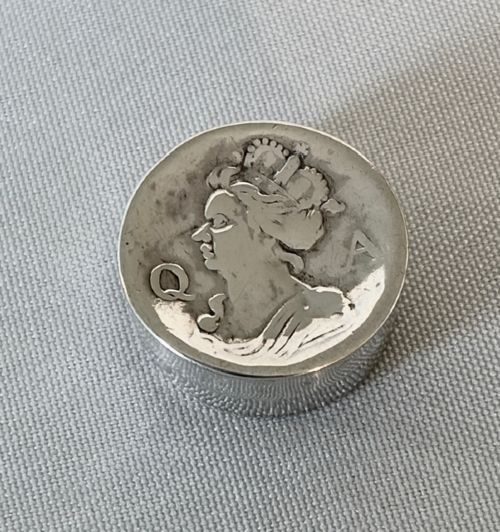
- A small round container historically used to carry sacramental bread, adapted in secular and religious antique markets for small personal storage. These items often feature secure screw or snap lids.
- Guilloche enamel
- A decorative technique where intricate geometric patterns are engine-turned into metal beneath translucent coloured enamel. This method creates a shimmering depth frequently seen on Edwardian and Art Deco pieces.
- Silver-gilt
- Sterling silver that has been coated with a thin layer of gold through fire gilding or electroplating. This finish provided a rich golden interior and protected the silver from tarnishing due to reactive contents.
- Spot-hammered
- A surface finish produced by intentionally leaving the individual hammer marks visible across the silver. This technique characterises Arts and Crafts design by emphasising hand fabrication.
Small Sterling Silver Box: Frequently Asked Questions
What were small silver boxes used for?
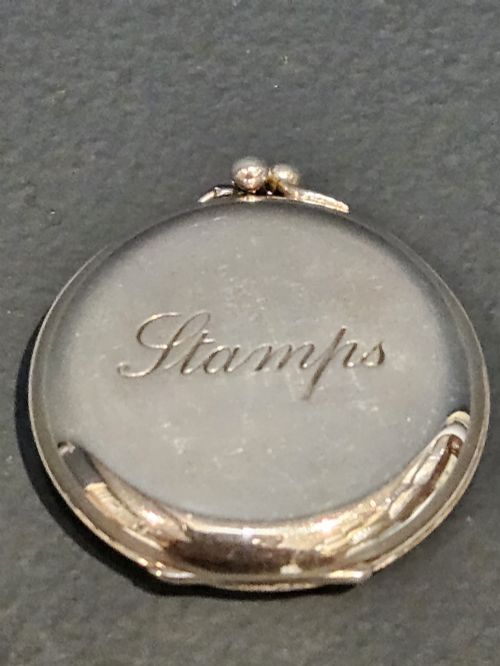
These containers served specific personal functions in daily life, holding items like medicinal pills, dry snuff, patch cosmetics, or postage stamps. Wealthy owners carried them in pockets or reticules as practical accessories.
Over time, many of these utilitarian objects transitioned into decorative dressing table items or collectors' display pieces. Their internal compartments reveal the exact requirements of historical grooming and social habits.
How do I identify the period of a silver box?
Assay office marks, date letters stamped into the metal, and maker's stamps provide the most reliable guide to a box's age. Stylistic clues like Georgian restraint, Victorian embossing, or Edwardian enamel work also point to specific decades.
Comparing the hinge construction and fastening mechanisms helps confirm the era of manufacture. Earlier pieces often display handmade joins that differ from later mass-produced fittings.
Are all small silver boxes made of sterling silver?
The pieces listed here consist of sterling silver or solid silver, often accompanied by hallmarks guaranteeing the metal standard. Some examples feature silver-gilt finishes where gold is applied over the silver base.
Other components may incorporate non-silver materials such as mother-of-pearl, tortoise shell, or glass bodies with silver lids. These mixed-media constructions remain typical for dressing table and vanity wares.
How should I care for antique silver boxes?
Gentle cleaning with a soft cloth removes dust and prevents tarnish from accumulating in embossed crevices. Avoiding harsh chemical dips preserves delicate enamel work, gilt interiors, and organic insets like tortoise shell.
Storing pieces away from direct sunlight and excessive humidity protects vulnerable materials such as mother-of-pearl and crystal. Regular handling allows the silver to develop a natural, protective patina.